



Scalloped Porcelain Display Platter
These scalloped porcelain display platters bring vibrant Imari palettes and expansive forms to your wall or table.
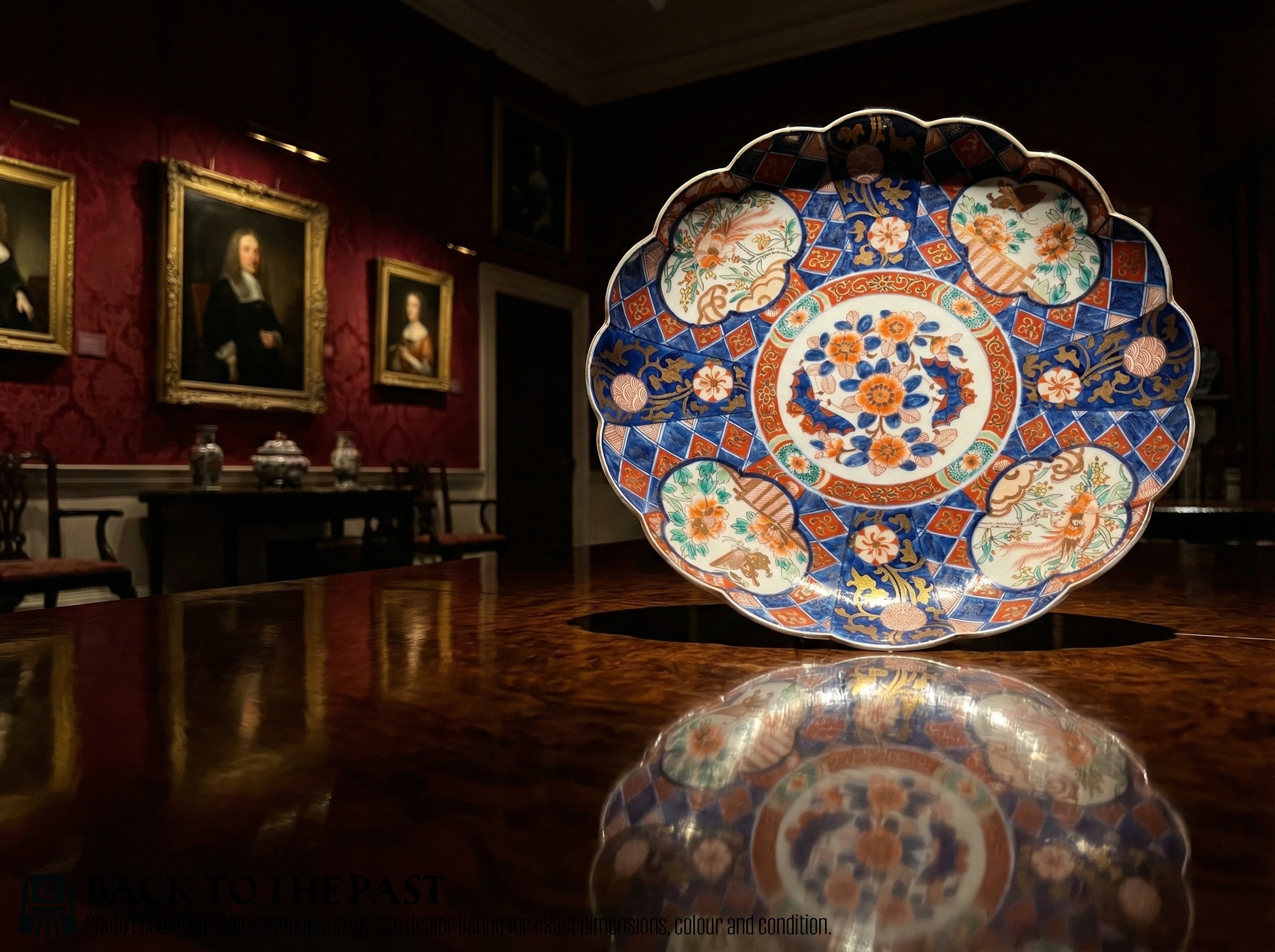
Scalloped Porcelain Display Platter
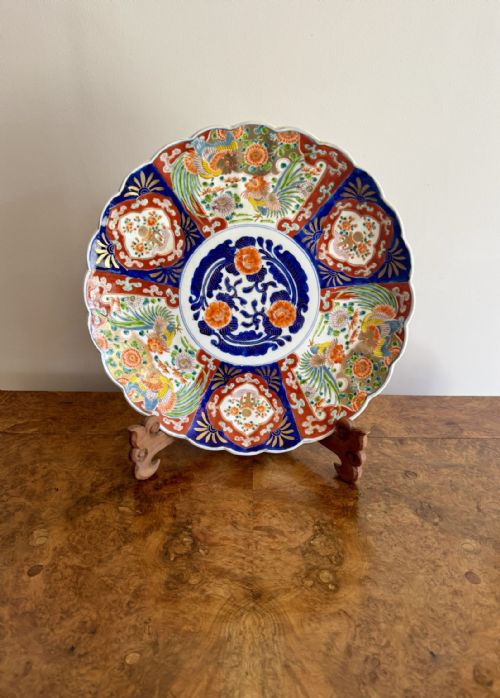
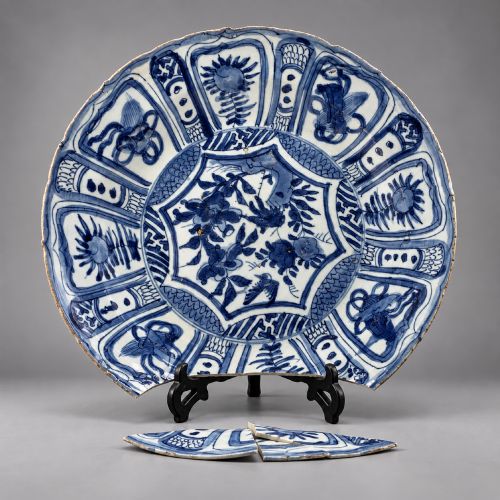
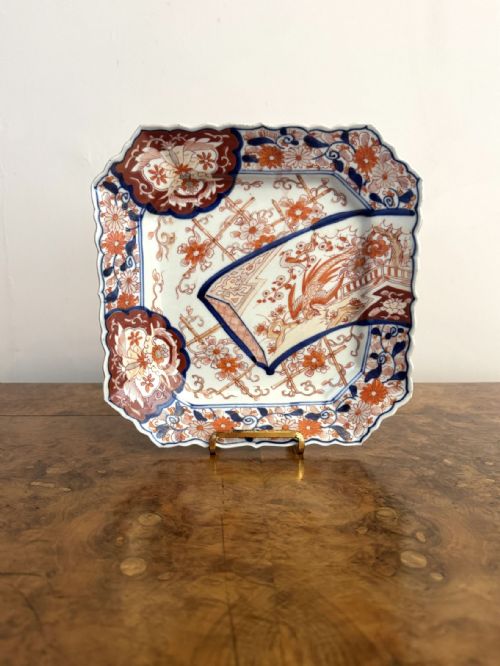
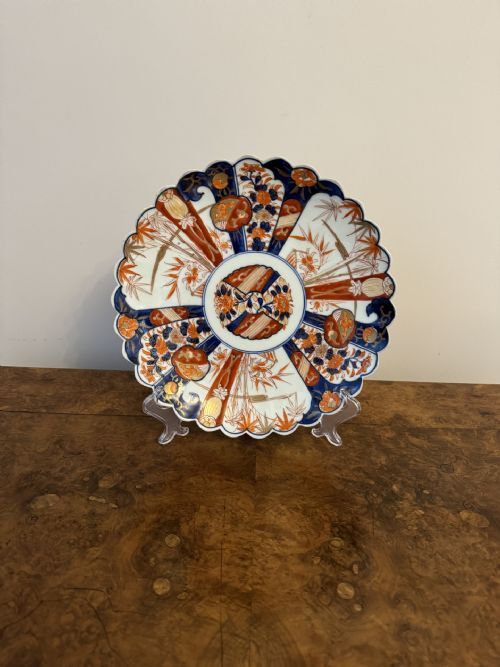
When you search for a scalloped porcelain display platter, you encounter large decorative plates and chargers originating mainly from Japanese traditions. The pieces appearing here span from the 17th century through the Victorian and Edwardian eras, culminating around 1920.
The dominant style is Japanese Imari, often featuring hand-painted floral and bird motifs or depictions of figures such as the Seven Lucky Gods. Forms range from square-shaped plates to generous chargers and large display dishes with distinctive shaped edges.
Most examples hail from the Meiji period and the broader 19th century, offering substantial diameters designed specifically for visual impact. You meet both individual chargers and matched pairs intended for prominent display in a room.
Materials and production methods
The makers utilised ceramic and porcelain bodies coated in white glaze, serving as the canvas for intricate decoration. Cobalt pigment and cobalt underglaze provide the foundational blue tones characteristic of these wares.
Enamel and gold leaf or gilt were subsequently applied to enrich the surface, building the dense multi-coloured patterns seen across the plates. Hand-painting ensured that each charger and dish received individual artistic attention during manufacture.
Listings span from the 17th-century Edo period through Victorian and Edwardian eras up to 1920, predominantly featuring Japanese Imari porcelain with gold leaf and cobalt.
Distinctions in quality
The sophistication of the hand-painted brushwork separates standard decorative wares from exceptional pieces. Precision in floral, avian and figurative depictions, such as the Seven Lucky Gods, indicates a higher tier of craftsmanship.
The richness and preservation of the enamel colours, cobalt underglaze and gold leaf applications dictate the visual depth of the platter. Scale also plays a part, with larger chargers and paired sets demanding greater technical mastery in firing and painting.
The Scalloped Porcelain Display Platter Glossary
- Charger
- A large ornamental plate traditionally utilised for display rather than dining. These substantial pieces anchor a room with their decorative presence.
- Imari
- A style of Japanese porcelain exported from the port of Imari, typically characterised by a palette of underglaze blue, iron red and gold. This aesthetic dominated many 19th-century export wares.
- Meiji Period
- The era in Japanese history spanning from 1868 to 1912, marked by significant artistic production for Western markets. Pieces from this time often exhibit remarkable technical confidence.
- Cobalt Underglaze
- A blue pigment applied to the raw ceramic body before glazing and firing, ensuring the colour becomes permanently fused beneath the glossy surface. It forms the deep blue structural lines in many designs.
- Enamel
- Opaque glass-like paint applied over the fired glaze and refired at a lower temperature to add vibrant surface colours like red and green. It provides the tactile raised elements of the pattern.
Scalloped Porcelain Display Platter: Frequently Asked Questions
How were these platters used?
These large porcelain platters and chargers were primarily intended for visual display on walls, cabinets or sideboards rather than everyday dining.
Their substantial size and rich ornamentation made them focal points in Victorian and Edwardian interiors, showcasing imported artistry to guests.
How do I date an Imari piece?
Dating relies on stylistic clues, potting characteristics and the context of the ceramic body, ranging from 17th-century Edo period works to late Victorian and 1920s export pieces.
Earlier examples often display subtle variations in cobalt depth and paste texture, whereas Meiji period items typically exhibit crisp, vibrant enamel and gilt application.
Can I use these plates for food?
Antique display chargers are generally recommended for decorative purposes rather than serving food, due to age-related wear and historical surface treatments.
Hand-washing with mild soap is advised if cleaning is necessary, avoiding abrasive materials that could harm the delicate gold leaf and enamel details.