
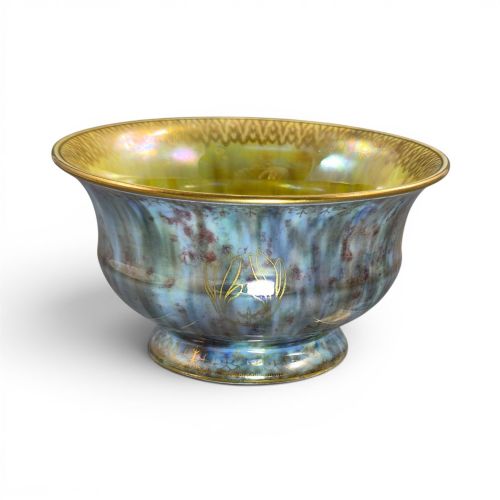


Blue Lustre Ceramic Bowl
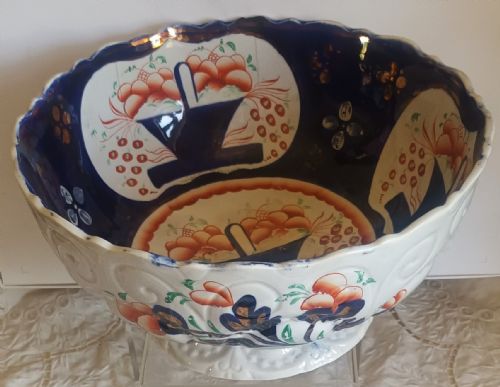
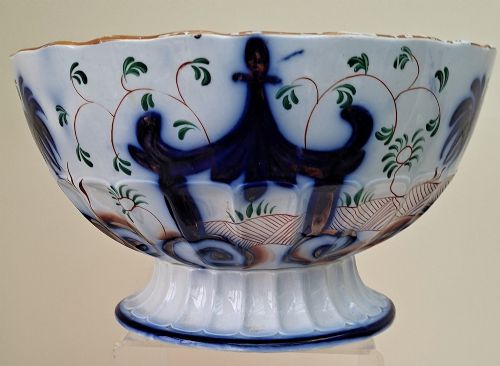
A blue lustre ceramic bowl catches the light with metallic iridescence, offering collectors a striking interplay of deep glaze and luminous surface.
Blue Lustre Ceramic Bowl
A blue lustre ceramic bowl brings together decorative pottery and metallic glaze effects across several distinct periods. These items range from nineteenth-century earthenware basins to twentieth-century porcelain display pieces.
The nineteenth-century examples often appear as footed pottery bowls and wash basins decorated in traditional patterns. Twentieth-century iterations lean towards octagonal and decorative forms produced during the Edwardian and later decades.
How they were made
The manufacture of these bowls relies upon earthenware and porcelain bodies coated with specialised lustre glazes. Potters applied metallic oxides to the surface before firing to achieve the signature iridescent sheen.
Makers integrated additional decorative elements including gold leaf, enamel, and gilt detailing over the primary glaze. These supplementary materials provided contrasting colour and texture across the finished vessel.
The selection spans from nineteenth-century earthenware basins to twentieth-century porcelain bowls featuring lustre glaze, gold leaf, and enamel.
What varies in quality
The distinction between standard production and exceptional work rests on the complexity of the glaze application and the clarity of the pattern. Pieces displaying intricate pictorial schemes demonstrate superior execution by the ceramicist.
Surface preservation dictates the standing of individual items, particularly where delicate gilt and enamel work overlays the lustre. Strong, even iridescence across complex geometric or figurative designs marks the higher tiers of production.
Wedgwood·Maling·Daisy Makeig-Jones·James Hodgkiss
The Blue Lustre Ceramic Bowl Glossary
- Lustre Glaze
- A ceramic coating containing metallic salts that produce an iridescent sheen upon firing. This technique creates the reflective finish characteristic of these bowls.
- Footed Bowl
- A vessel raised upon a distinct base or pedestal ring rather than resting flat on its bottom. This form lifts the decorative surface into better view.
- Earthenware
- A porous pottery body fired at lower temperatures than porcelain or stoneware. It forms the structural base for many nineteenth-century examples.
- Gilt
- A thin layer of gold applied to the surface of the ceramic for decoration. It is often combined with enamel highlights.
- Octagonal Bowl
- A vessel shaped with eight distinct sides rather than a standard circular profile. This geometric form appears frequently in twentieth-century pieces.
Blue Lustre Ceramic Bowl: Frequently Asked Questions
How do I care for a lustre bowl?
Wash the ceramic gently by hand using warm water and a mild detergent, avoiding abrasive cloths that might scratch the metallic glaze.
Keep the vessel away from direct sunlight and harsh cleaning chemicals to preserve the delicate enamel and gilt highlights over time.
Are these bowls safe for food?
Many older ceramic pieces are intended primarily for display rather than daily culinary use due to the metallic content in the lustre glaze.
Examine the interior surface for wear or historic repairs before considering any practical domestic service.
How do I distinguish Edwardian lustre from nineteenth-century pottery?
Edwardian items frequently display complex pictorial transfers and precise geometric forms like octagonal shapes, often associated with specific designers.
Nineteenth-century examples tend to rely on traditional earthenware bodies and established floral or architectural patterns such as Gaudy Welsh designs.
What causes the iridescent effect on the glaze?
The optical phenomenon results from a thin metallic film bonded to the ceramic surface during a specialised reduction firing process.
Light waves reflect differently off the microscopic metallic layer, creating the characteristic rainbow sheen.