


Blue Porcelain Dragon Bowl
A blue porcelain dragon bowl brings together striking cobalt decoration and mythical beasts, offering a bold focal point for a room.
Blue Porcelain Dragon Bowl
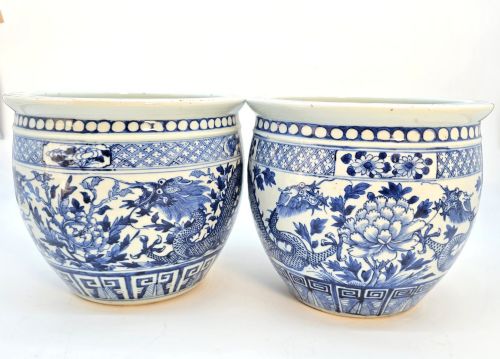
When you search for a blue porcelain dragon bowl, you encounter a distinct mix of items ranging from Chinese Qing dynasty pieces and Japanese Meiji examples to Edwardian English interpretations by Wedgwood. These objects include large jardinieres, decorative bowls, octagonal shapes, and miniature cups.
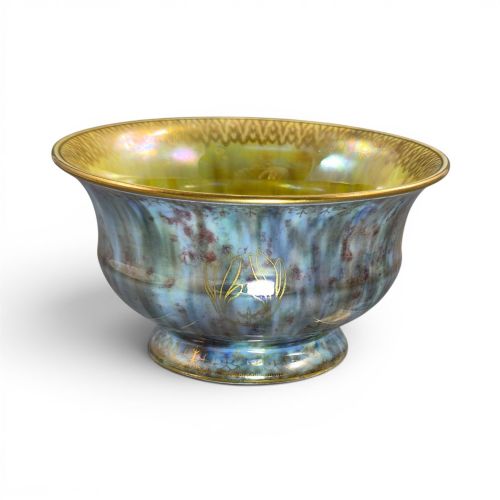
The most likely versions to meet on this page are Edwardian lustre bowls designed by Daisy Makeig-Jones alongside late 19th-century Chinese and Japanese wares. They span periods from the 19th century through the 1920s, showing varied interpretations of dragon motifs across different cultures.
How they were made
Makers utilised porcelain and bone china as the primary base materials, applying cobalt underglaze to create deep blue tones. Many pieces incorporate enamel, glaze, and lustre glaze to achieve shimmering surface effects.
Further ornamentation frequently involves gold leaf and gilt highlights, adding rich metallic detail to complement the blue pigments and dragon designs.
Materials recorded across the inventory include porcelain, bone china, cobalt underglaze, lustre glaze, gold leaf, and gilt.
What varies in quality
The sophistication of the painted dragon motif and the depth of the cobalt underglaze or lustre glaze separate standard examples from finer ones. Controlled application of enamel and gold leaf indicates superior craftsmanship.
Form and proportion also define the standard of the piece, particularly in complex shapes such as octagonal bowls and large jardinieres where symmetry and balance are essential.
Wedgwood·Daisy Makeig Jones·Worcester
The Blue Porcelain Dragon Bowl Glossary
- Cobalt Underglaze
- A blue pigment applied to ceramic pieces before glazing and firing. This technique ensures the colour remains permanent beneath the glassy surface layer.
- Lustre Glaze
- A metallic film applied over the fired glaze to create an iridescent sheen. It reflects light with multicoloured flashes.
- Jardiniere
- A large ornamental pot designed to hold plants or flowers. These items often stand heavier and wider than standard decorative bowls.
- Bone China
- A type of porcelain containing bone ash for added strength and translucency. It provides a smooth white body for painted decoration.
- Enamel
- Opaque glass fused to the ceramic surface through firing. It introduces vibrant colours on top of the base glaze.
Blue Porcelain Dragon Bowl: Frequently Asked Questions
How do I care for my bowl?
Wash the piece gently by hand using lukewarm water and mild soap. Avoid harsh scrubbers to protect the glaze and gold leaf.
Keep the item out of direct sunlight to prevent fading of the enamel and lustre finish over time.
Are these bowls waterproof?
Items like jardinieres were originally built to hold plants and moisture. However, older ceramic bodies can develop hairline fractures.
Check the interior condition thoroughly before using any piece to hold water or soil.
How do I date a lustre bowl?
Examine the maker marks and style characteristics associated with specific periods. Edwardian designs often align with production years around nineteen fifteen.
Compare the glaze type and pattern name with known factory records from the same era.
What does the dragon symbolise?
Dragons in traditional ceramics represent power, strength, and good fortune. Their depiction varies across Chinese, Japanese, and English interpretations.
Imperial Chinese designs often show five-clawed dragons, while later European revivals adapt the motif for decorative effect.