


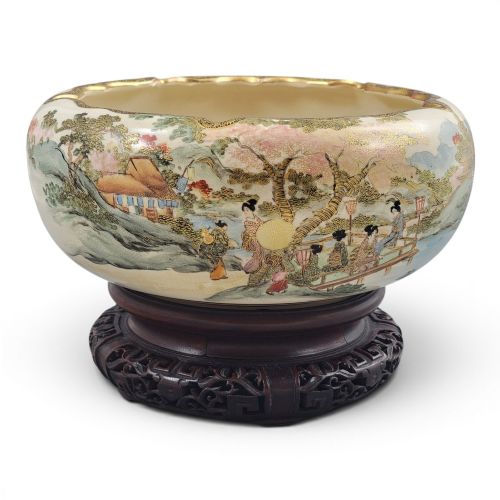

Gilded Porcelain Decorative Bowl
When you handle a gilded porcelain decorative bowl, you hold a piece where bright metal meets painted glaze across centuries of craft.
Gilded Porcelain Decorative Bowl
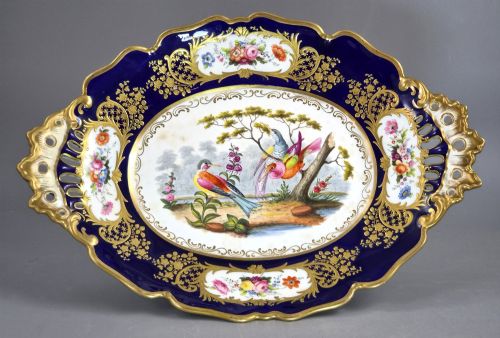
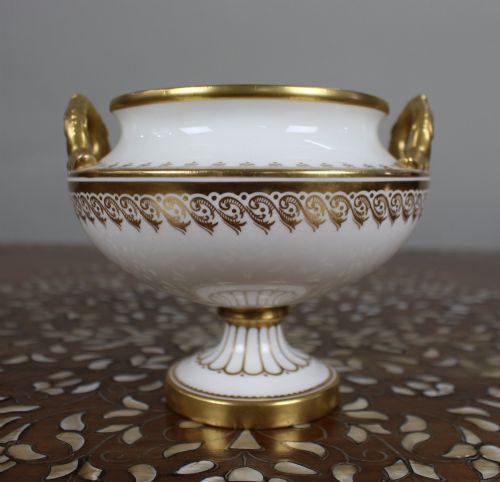
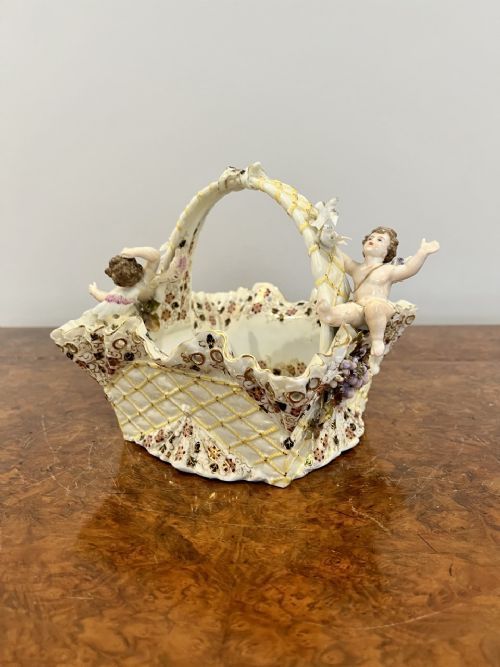
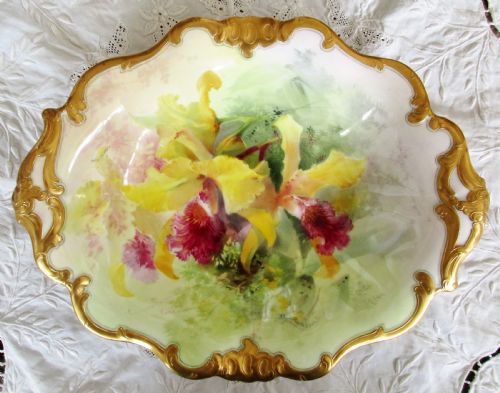
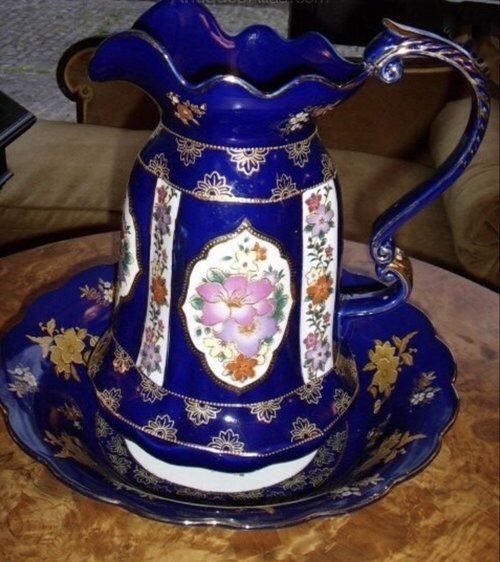
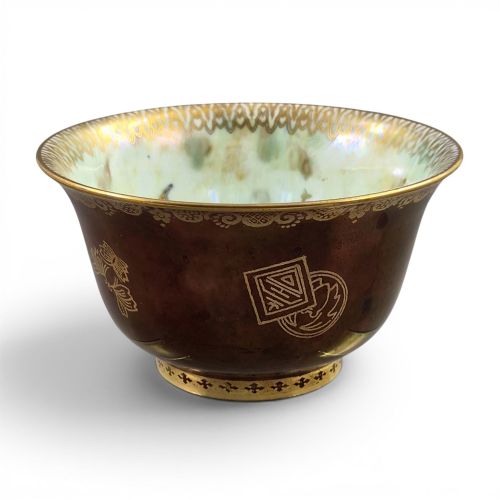
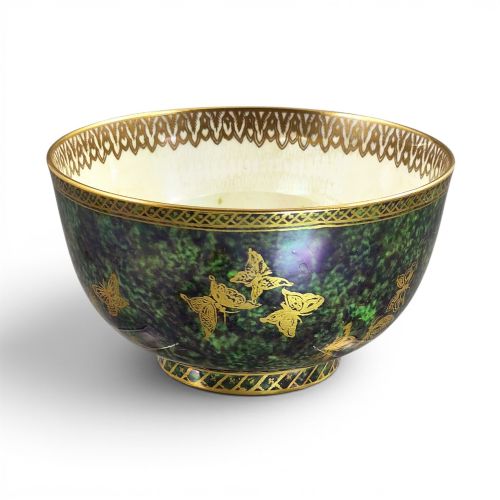
A gilded porcelain decorative bowl spans nineteenth century European cabinets and Japanese Satsuma production, taking forms from simple circular vessels to scalloped baskets and deep punch bowls. The objects collected under this phrase include cabinet dishes, centrepieces and washstand sets that combine ceramic bodies with gold leaf or metallic paint.
The versions most often met on this page date from the Victorian and Edwardian eras, alongside Japanese Imari and Meiji period wares. Makers ranging from Wedgwood to Coalport shaped these ceramics to serve as ornamental vessels, often painting landscapes, birds or abstract patterns onto glazed porcelain and bone china.
How they were made
Potters formed these vessels from porcelain, bone china and earthenware before applying glazes, enamel colours and gold leaf or gilt details. Many pieces required multiple firings in kilns to fix the intricate hand-painted scenes and metallic highlights onto the ceramic body.
Makers such as Royal Worcester and Japanese Satsuma workshops utilised specialist enamels and gilt mounts, sometimes combining the ceramic work with champlevé enamel and gilt bronze fittings.
Listings feature porcelain, bone china and earthenware formed into bowls, dishes and baskets across the nineteenth and early twentieth centuries.
What varies in quality
Quality rests upon the precision of the hand-painted decoration and the crispness of the gilt application, separating standard commercial wares from master-signed cabinet pieces. The depth of the enamel work and the refinement of the ceramic body itself dictate the standing of each vessel.
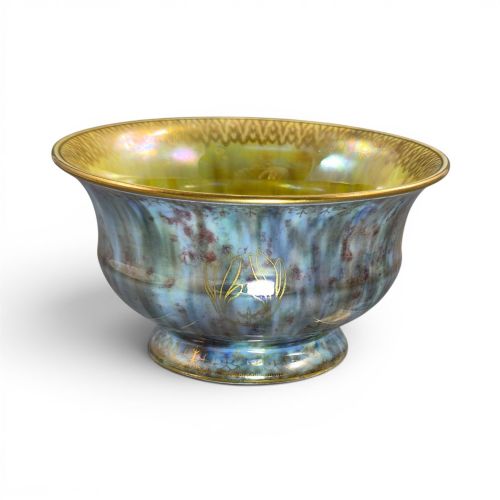
Artistic ambition also sets items apart, as seen in complex lustre glazes or heavily encrusted floral applications compared against simpler transfer-printed patterns.
Coalport·Royal Doulton·Wedgwood·Doulton Burslem·Royal Worcester·Mason
The Gilded Porcelain Decorative Bowl Glossary
- Gilding
- The application of gold leaf, gold dust or gold paint to the surface of porcelain. This technique adds metallic lustre to rims, handles and painted scenes.
- Imari
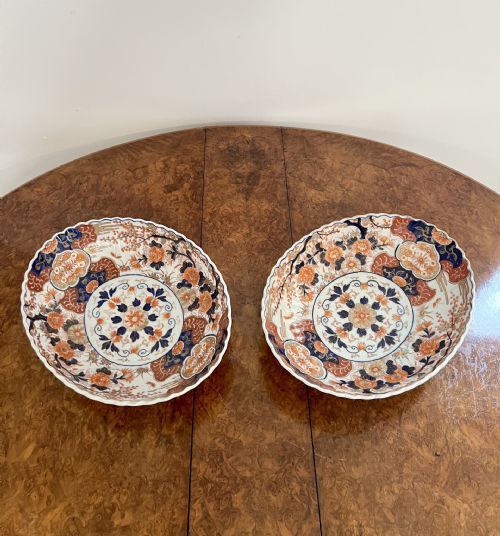
- A style of Japanese porcelain featuring a distinct palette of underglaze blue and iron-red, often heavily accented with gold. These wares were widely exported to Europe during the Meiji period.
- Lustre
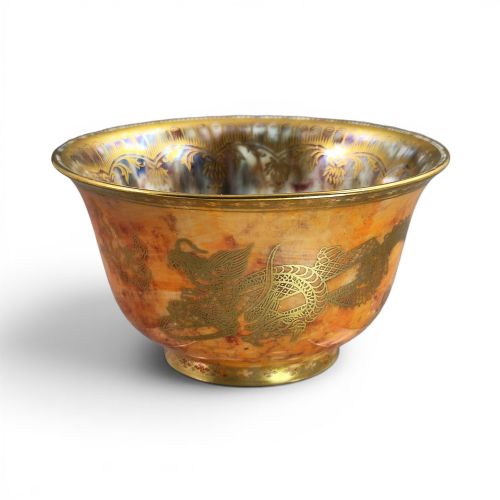
- A type of ceramic glaze containing metallic salts that produce an iridescent, rainbow-like sheen upon firing. Wedgwood pieces by designers like Daisy Makeig-Jones used this method extensively.
- Satsuma
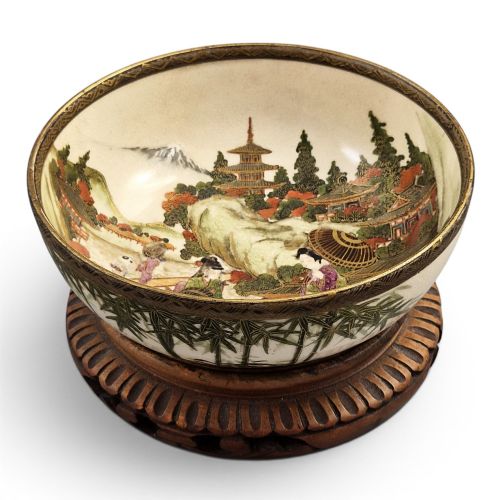
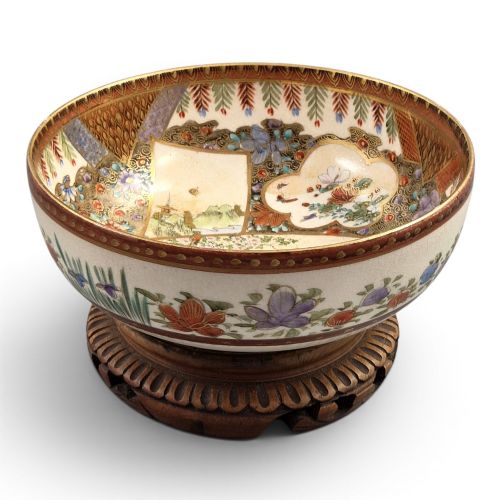
- A type of Japanese earthenware with a crackle-glaze, typically decorated with intricate polychrome enamels and gilding. These pieces were produced in large numbers during the Meiji period for international markets.
Gilded Porcelain Decorative Bowl: Frequently Asked Questions
Where were Satsuma bowls made?
Satsuma bowls originated in Japan during the Edo period and continued production through the Meiji period for export.
These pieces feature distinctive earthenware bodies with cream-coloured crackle glazes and dense hand-painted gold decoration.
What is Fairyland Lustre?
Fairyland Lustre is a colourful range of ceramic glazes developed by Daisy Makeig-Jones for Wedgwood during the early twentieth century.
These whimsical designs depict fantastical scenes with goblins, elves and dragons enhanced by rich iridescent metallic finishes.
How do I date a porcelain bowl?
Examine the base of the vessel for maker marks, impressed ciphers or hand-written pattern numbers that correspond to factory archives.
Consider the style of painting, the weight of the ceramic body and the type of glaze to place the piece within Victorian, Edwardian or Meiji periods.