



Antique Chinese Dragon Dish
An antique chinese dragon dish brings centuries of imperial symbolism and fierce motif work straight into your hands.
Antique Chinese Dragon Dish
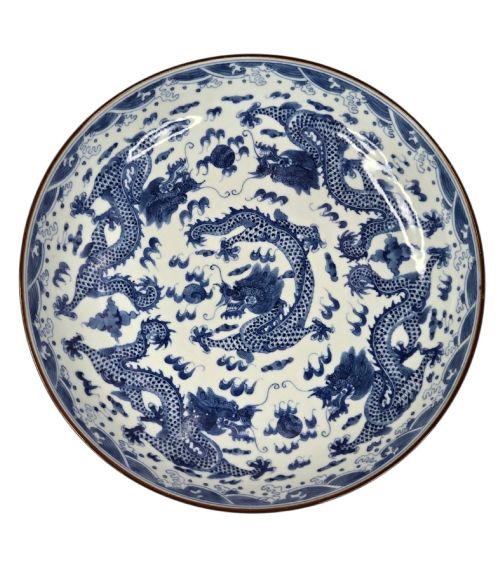
An antique chinese dragon dish spans charger plates, decorative bowls and small trinket vessels decorated with the writhing beast. These pieces draw heavily on Qing Dynasty conventions alongside later 19th Century and early 20th Century adaptations.
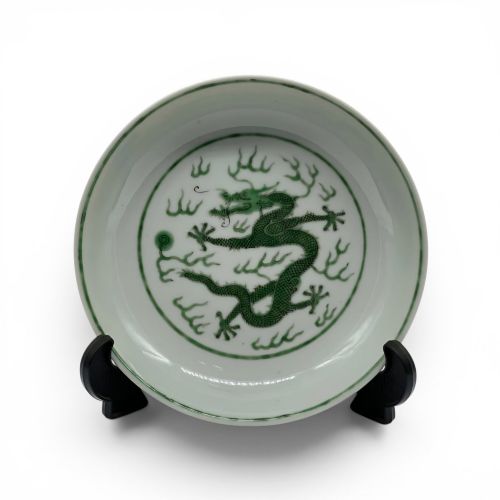
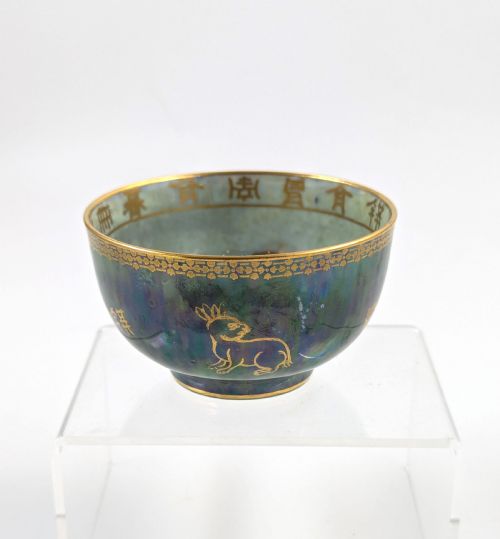
The most frequent encounters on this page involve porcelain blue and white dishes or doucai wares, alongside export silver and cloisonne enamel plaques. Imperial-style green dragon plates and English interpretations such as Wedgwood lustre bowls also appear among the offerings.
Materials and construction
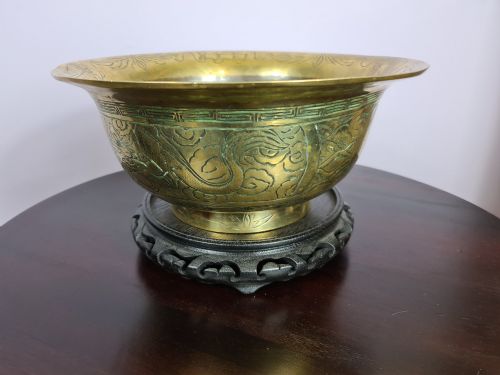
Makers utilised porcelain painted with cobalt underglaze or detailed doucai enamels to render the scaly forms of the dragon. Silver, brass and white metal provide heavier foundational structures for bowls, ashtrays and export boxes.
Techniques range from hand-poured cloisonne enamel and gold leaf applications to detailed silver repousse work. Lustre glazes on ceramic bodies introduce iridescent finishes across early 20th Century examples.
Some dragons share space with jade rims and lustrous beetles.
Distinctions in quality
The clarity and precision of the dragon motif dictate the upper tier of these pieces, particularly in the rendering of five-clawed imperial designs. Brushwork control in cobalt underglaze or the intricacy of silver enamelling separates standard production from exceptional work.
Material weight and the depth of relief in metalwork or carved jade rims define the physical presence of the dish. Maker attribution, such as signed Wedgwood lustre or documented export silver shops, further anchors the standing of individual items.
Daisy Makeig-Jones Wedgwood·C.J. Mason·Wang Hing And Company
The Antique Chinese Dragon Dish Glossary
- Doucai
- A ceramic technique combining underglaze blue outlines with overglaze polychrome enamels filled in afterwards. This method creates a vibrant contrasting palette across the decorated surface.
- Cloisonne
- Enamelling work where metal wires are soldered to a base to form compartments that hold coloured paste. Firing hardens the paste into a smooth glass-like finish.
- Imperial-Style
- Designs created in the aesthetic tradition of the Chinese imperial court. These motifs often carry specific symbolisms associated with dynastic rulers.
- Repousse
- A metalworking technique where the artisan hammers the material from the reverse side to form a raised design. This process brings depth and texture to silver export dishes.
Antique Chinese Dragon Dish: Frequently Asked Questions
What does a five-clawed dragon mean?
In imperial Chinese tradition, the five-clawed dragon symbolised the Emperor himself. Lower-ranking officials and domestic wares were restricted to four or three claws.
Dishes bearing the five-clawed variant therefore indicate a direct connection to imperial workshops or high-status commissions.
How do I care for silver dragon dishes?
Export silver requires gentle cleaning with a soft cloth to preserve the intricate repousse details and enamel work. Avoid harsh chemical dips that strip the natural patina.
Store pieces away from direct moisture to protect any embedded jade rims or delicate metal joins.
Are English lustre dragon bowls antique?
Early 20th Century Wedgwood pieces designed by Daisy Makeig-Jones fall into the vintage or antique classification depending on the exact production year. They adapt traditional Chinese dragon motifs into Western Art Nouveau and lustre aesthetics.
These ceramic bowls represent a distinct cross-cultural dialogue rather than direct Qing Dynasty origin.