




Decorative Lustre Ceramic Dish
These decorative lustre ceramic dish pieces bring metallic sheen and vibrant glaze work to a room, catching the light in any setting.
Decorative Lustre Ceramic Dish
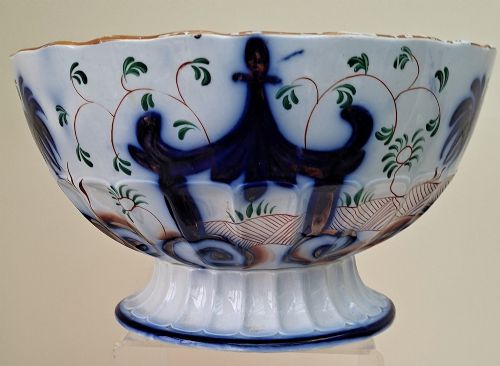
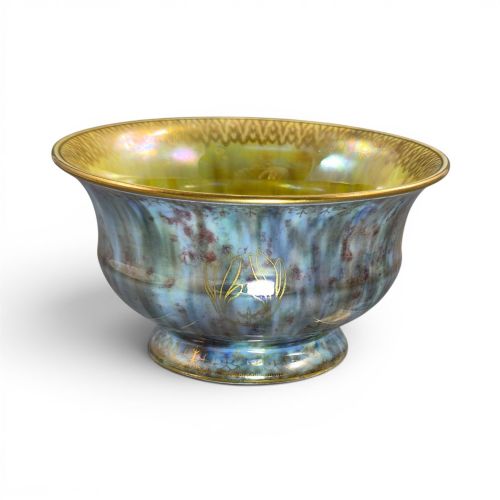
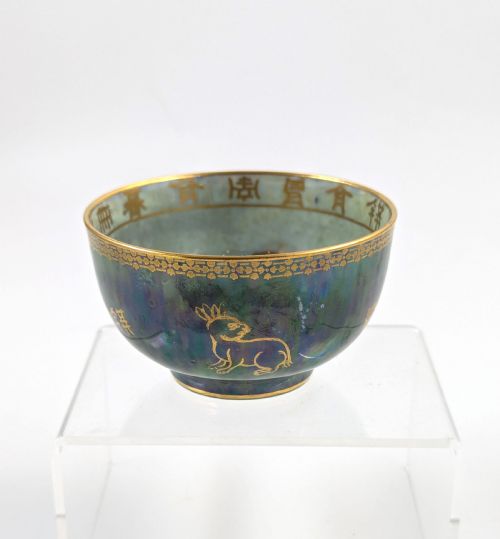
When you search for a decorative lustre ceramic dish, you encounter footed bowls and decorative bowls created in Edwardian, 19th Century, 1910, and 1920 periods. These pieces display distinct influences from Art Nouveau, Art Deco, and Victorian styles.
The version you are most likely to meet on this page is an Edwardian or 1920s earthenware or bone china bowl decorated with intricate mythical patterns and iridescent glazes.
Materials and technique
Potters shaped these vessels from earthenware, porcelain, and bone china before applying specialised glaze finishes. The application of lustre glaze and metallic glaze creates the characteristic shimmering surface.
Many examples incorporate additional decorative layers such as gold leaf and gilt detailing over the fired ceramic body to heighten the visual impact.
Object forms span decorative bowls and footed bowls adorned with Art Nouveau, Art Deco, and Victorian design aesthetics.
Quality variations
The sophistication of the painted and printed surface design dictates the tier of the piece. Hand-painted dragon and butterfly motifs display a high level of artistic execution compared to standard patterns.
The richness of the metallic sheen and the depth of the lustre glaze determine the overall visual success of the vessel.
Wedgwood·Daisy Makeig Jones·James Hodgkiss
The Decorative Lustre Ceramic Dish Glossary
- Lustre Glaze
- A type of pottery glaze containing metallic elements that produce an iridescent or metallic sheen upon firing. This technique gives the surface its signature reflective quality.
- Bone China
- A type of soft-paste porcelain containing bone ash, known for its high strength, chip resistance, and translucent body. It forms the base for many finely decorated bowls.
- Earthenware
- Porous pottery fired at relatively low temperatures, commonly used for traditional ceramic vessels. It requires glazing to become completely watertight.
- Gilt
- A thin layer of gold applied to the surface of the ceramic for decorative effect. It accentuates rims and patterned borders.
Decorative Lustre Ceramic Dish: Frequently Asked Questions
How do I clean a lustre ceramic dish?
Wash the vessel gently by hand using lukewarm water and a mild soap. Avoid abrasive sponges or harsh detergents that could damage the delicate metallic glaze.
Dry the surface immediately with a soft cloth to prevent water spots and preserve the reflective finish.
Can I use these bowls for serving food?
Most antique decorative bowls serve primarily as display pieces rather than functional tableware. The metallic glazes and gold leaf details are sensitive to daily wear and acidic foods.
Keep them for decorative display in a cabinet or on a table surface.
What is Fairyland Lustre?
Fairyland Lustre is a complex range of ceramic patterns featuring fantastical themes like dragons, phoenixes, and imaginary landscapes. These designs utilise rich colour palettes and intricate metallic details.
They represent some of the most elaborate work produced during the Edwardian period.
How do I distinguish Edwardian lustre from Victorian pieces?
Edwardian examples frequently showcase Art Nouveau or early Art Deco stylings with specialised lustre effects developed in the early twentieth century. Victorian pieces tend to rely on traditional regional patterns such as Gaudy Welsh.
Examining the underlying ceramic body and glaze type helps clarify the period of manufacture.