
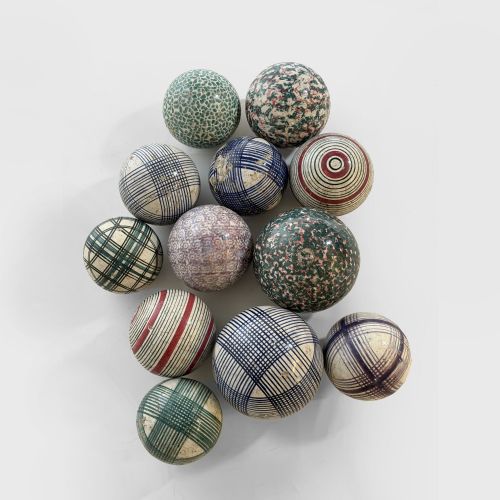


Antique Decorative Pottery Bowl
These pieces are antique decorative pottery bowls, collected for their rich glaze work, painted patterns, and enduring ceramic forms.
Antique Decorative Pottery Bowl
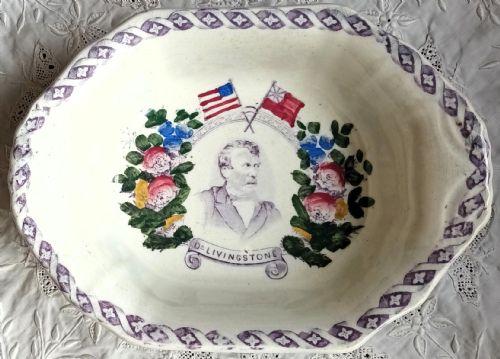
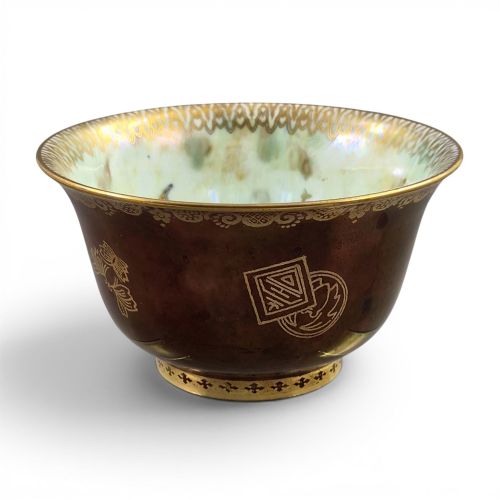
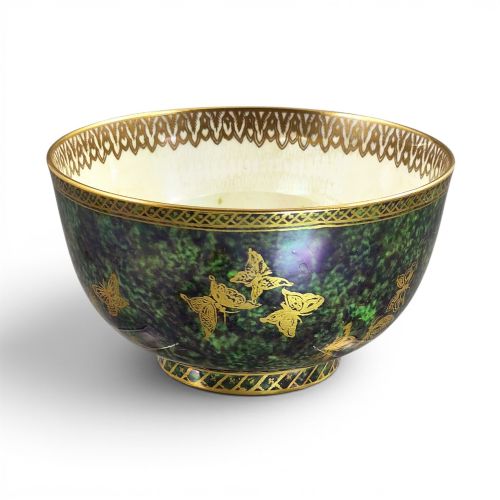
When you search for an antique decorative pottery bowl, you encounter vessels shaped for display, dining, and utility across various global traditions. The selection includes Victorian British earthenware, Meiji period Japanese Satsuma wares, and early Chinese porcelain.
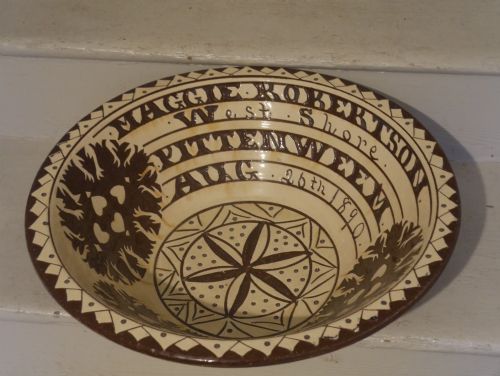
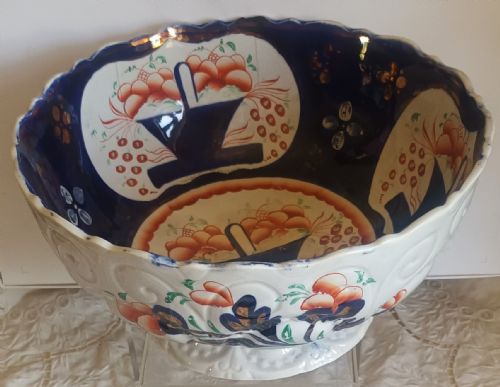
Nineteenth-century British examples frequently showcase regional patterns such as Gaudy Welsh or spongeware. Alongside these, Edwardian lustre pieces and continental faience chargers populate the assortment.
Footed bowls, fruit comports, and conical vessels represent the primary forms available. Each object reflects the specific domestic or artistic customs of its origin.
Materials and production methods
Potters shaped these vessels from earthenware, stoneware, and porcelain, applying various mineral glazes to seal the clay body. Cobalt blue, enamel pigments, and gold leaf frequently highlight the surface decoration.
Techniques range from hand-painted underglaze designs to intricate slip painting and transfer printing. Many pieces underwent multiple kiln firings to fix the complex polychrome details and metallic lustres.
The inventory records regional British wares alongside Japanese Satsuma and Chinese export porcelain.
Assessing craftsmanship and finish
The precision of the brushwork and the depth of the glaze define the upper tier of these vessels. Controlled kiln temperatures yield vibrant colours and stable metallic sheens without cloudiness.
Subtlety in moulded detail and crispness in incised motifs separate master workshop output from standard commercial production. Preservation of original gilding and enamel integrity maintains the visual balance of the piece.
Wedgwood·Doulton Burslem·Doulton Lambeth·Kinkozan·Mason’s Ironstone
The Antique Decorative Pottery Bowl Glossary
- Earthenware
- Porous pottery fired at lower temperatures, requiring an opaque or transparent glaze to hold liquids. It forms the basis of many traditional British utility vessels.
- Lustreware
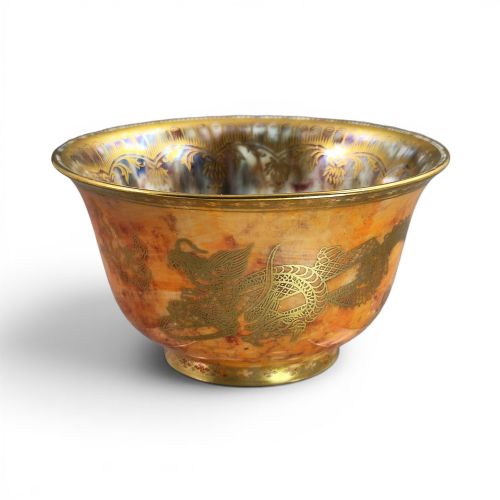
- Ceramic decorated with a metallic film that produces an iridescent sheen when fired in a reduced oxygen atmosphere. Wedgwood pieces utilise this effect extensively.
- Satsuma
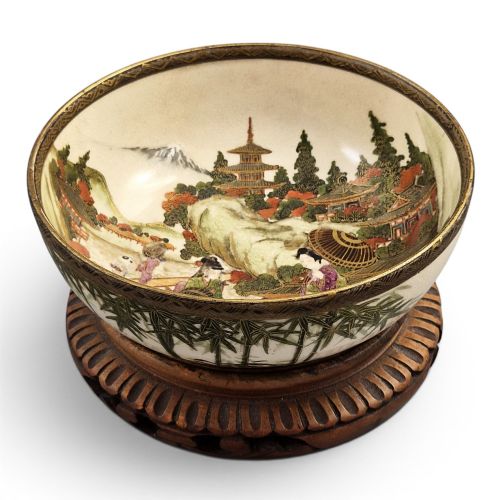
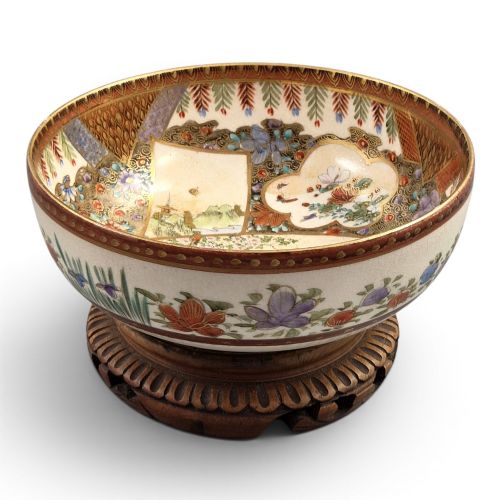
- Japanese earthenware pottery featuring a crackle-glaze ivory body decorated with polychrome enamels and gilding. These works often carry artist signatures from the Meiji period.
- Faience
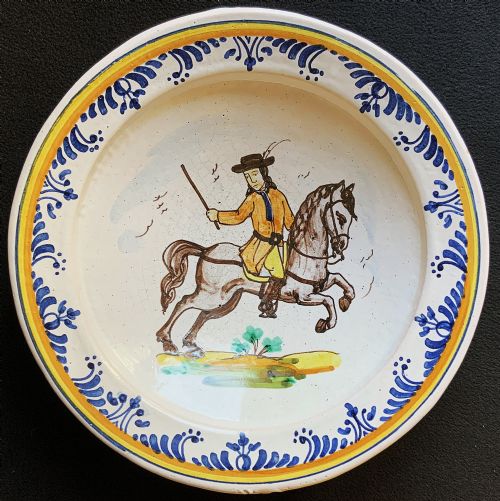
- Tin-glazed earthenware produced in Europe, particularly in France and Spain. The opaque white glaze serves as a ground for hand-painted pigment.
- Spongeware
- Pottery decorated by dabbing colour onto the biscuit or glazed surface using a sponge or crumpled fabric. This technique creates mottled, repeating patterns on domestic bowls.
Antique Decorative Pottery Bowl: Frequently Asked Questions
How were antique bowls used?
These vessels served diverse practical and display roles within the historic household, functioning as table centrepieces, salad bowls, and wash-stand accessories. Wealthy households displayed decorative chargers and lustre bowls on sideboards to showcase taste and craftsmanship.
Smaller footed dishes and porringers held food or personal items, while commemorative pieces marked specific historical events or figures. Over time, their primary function shifted toward decorative display in domestic interiors.
How do I distinguish Satsuma ware?
Satsuma ceramics display a distinct finely crazed ivory or cream-coloured earthenware glaze beneath elaborate hand-painted enamel and gilt motifs. Many pieces incorporate Japanese figural scenes, flora, and fauna characteristic of the Meiji period.
Signatures or artist chops often appear on the base, occasionally accompanied by the Shimazu clan crest. The tactile surface reveals raised enamel work that catches the light.
What defines Gaudy Welsh pottery?
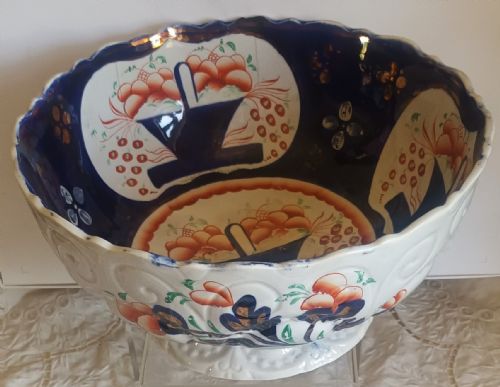
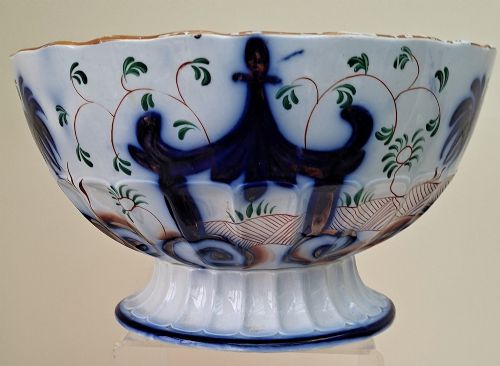
Gaudy Welsh refers to a style of colourful earthenware produced in the nineteenth century for the domestic market. These pieces utilise cobalt blue, iron red, pink lustre, and green enamels in hand-painted floral or architectural patterns like the popular pagoda motif.
The decoration is bold and uninhibited, applied over white earthenware bodies to brighten everyday tea and tableware. Footed bowls in this style remain distinct markers of Victorian regional pottery.