



Victorian Punch Bowl Ceramic
These Victorian punch bowl ceramic pieces offer the robust presence and bold ornamentation that households utilised for hospitality during the nineteenth century.
Victorian Punch Bowl Ceramic
When you search for a victorian punch bowl ceramic, you encounter footed bowls, centrepiece bowls, and large decorative vessels dating primarily from the nineteenth century. These objects served utilitarian dining purposes and display purposes in period interiors.
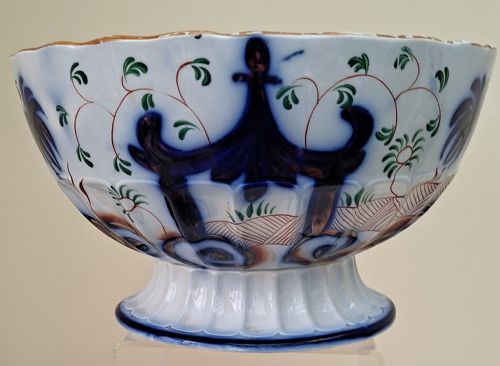
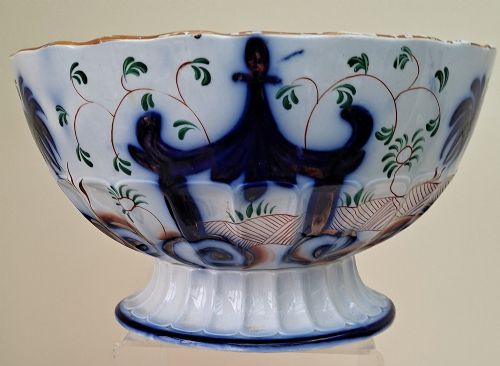
The pieces on this page span British potteries and continental workshops, including distinctive regional styles like Gaudy Welsh earthenware and Sunderland lustre wares alongside Chinese export porcelain.
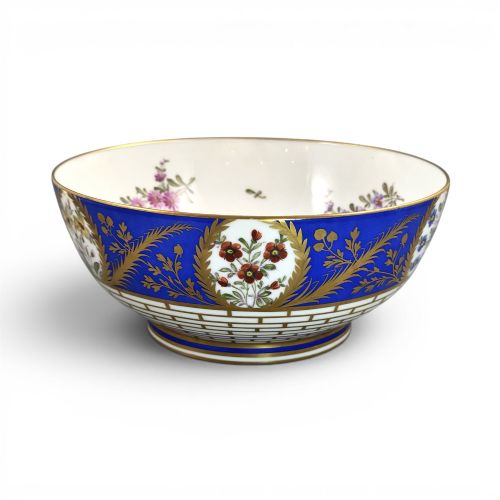
Footed forms dominate the selection, often taking the shape of large footed bowls intended to command attention on a sideboard or dining table.
How they were made
Potters shaped these vessels from porcelain, earthenware, and ironstone, applying ceramic glaze to seal the body before decoration. Many pieces utilise cobalt glaze or hand-painted enamel colours to build up rich floral and pictorial schemes.
Certain workshops embellished their porcelain and pottery with gold leaf highlights or mounted the ceramic bodies in cast ormolu frames to elevate the status of the centrepiece bowl.
Victorian Punch Bowl Ceramic Retail Price Guide 2026
Typical asking prices for victorian punch bowl ceramic among the pieces listed under this phrase on Sellingantiques today, from the lower quarter to the upper quarter. They describe what is for sale here now, not the wider market.
Listings feature nineteenth-century dates alongside styles ranging from Chinoiserie and Aesthetic Movement to Victorian Folk Art.
What varies in quality
The refinement of the painted enamels and the precision of the transfer-printed or hand-drawn patterns determine the visual success of each piece. Crisp execution in complex motifs like Chinoiserie or floral baskets separates standard production from superior output.
The handling of the ceramic body, particularly in large footed bowls and heavy ironstone forms, dictates the structural balance and the crispness of moulded details such as feet and rims.
Samson Paris·Doulton Burslem·Mason
The Victorian Punch Bowl Ceramic Glossary
- Gaudy Welsh
- A nineteenth-century British pottery style characterised by robust earthenware bodies decorated with vibrant cobalt blue, copper lustre, and hand-applied enamel colours.
- Famille Rose
- A palette of Chinese porcelain decoration featuring an opaque pink or purple enamel, prominent in export wares imported during the nineteenth century.
- Ironstone
- A dense, durable type of pottery patented in the nineteenth century to imitate porcelain while offering greater resistance to chipping.
- Ormolu
- Gilded bronze mounts applied to decorative bowls and porcelain vessels to enhance their decorative appeal for interior display.
- Lustre
- A metallic ceramic glaze that produces an iridescent sheen on the surface of pottery when fired in a reducing atmosphere.
Victorian Punch Bowl Ceramic: Frequently Asked Questions
How do I identify a Victorian punch bowl?
Identification relies on observing the characteristic materials such as ironstone, earthenware, or porcelain combined with typical nineteenth-century decorative motifs like floral baskets, Pagoda patterns, and Famille Rose enamels. Footed forms and generous diameters are standard across the period.
Examining the glaze, base markings, and manufacturing traits helps distinguish nineteenth-century examples from later reproductions or alternative eras.
How should I display a large ceramic bowl?
Place large footed bowls and centrepieces on sturdy sideboards, dining tables, or dedicated pedestals where their weight and scale are fully supported. Ensure they sit away from heavy foot traffic to protect the glazed and enamelled surfaces from accidental knocks.
Allow adequate clearance around the piece so that painted details, lustre highlights, and ormolu mounts remain visible from multiple angles in the room.
What is Chinese export porcelain?
Chinese export porcelain comprises wares made in China specifically for Western markets, adapting traditional Eastern manufacturing techniques to suit European decorative tastes. Nineteenth-century examples often feature extensive famille rose enamel painting and large bowl forms.
These pieces arrived in British and continental households alongside domestic earthenware, creating a rich cross-cultural exchange in nineteenth-century interior decoration.