




White Glazed Ceramic Bowl
A white glazed ceramic bowl brings centuries of versatile design and tactile depth into a room, offering both practical utility and fine ornament.
White Glazed Ceramic Bowl
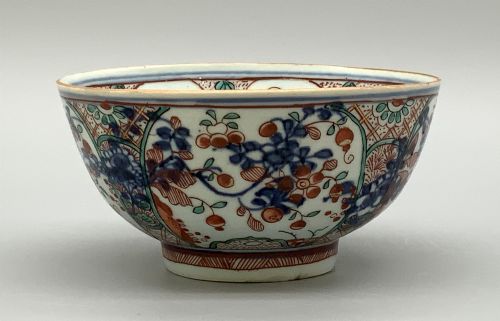
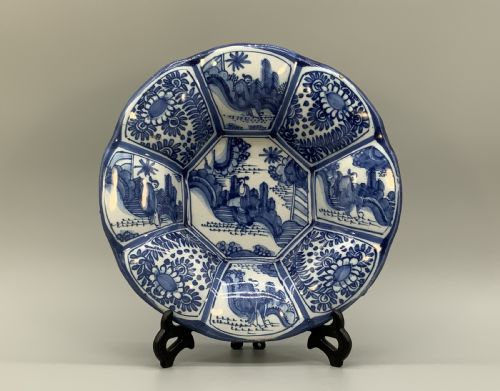
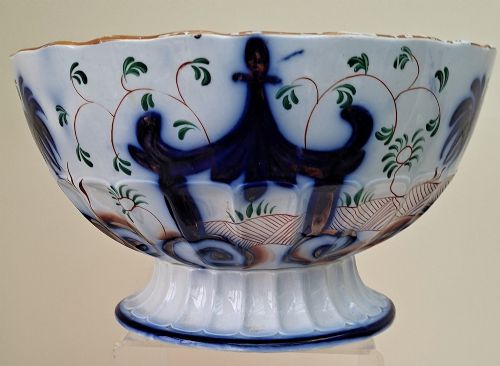
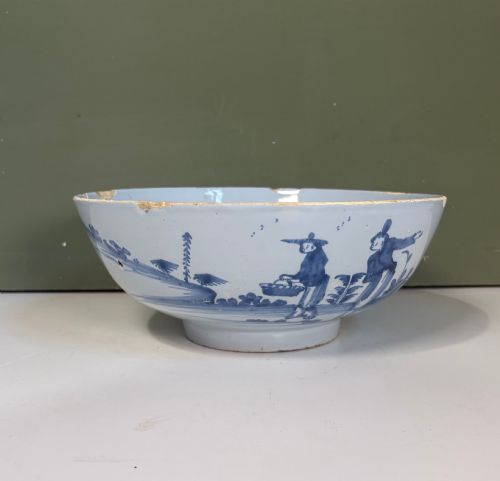
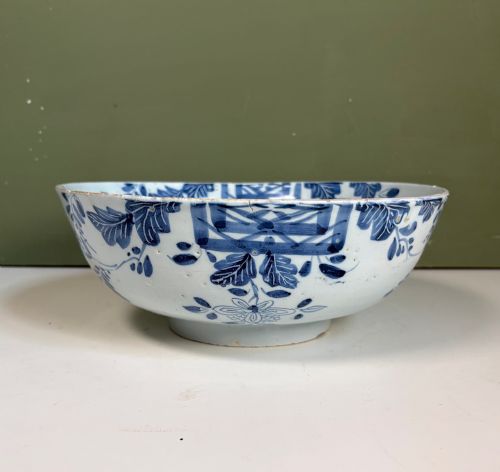
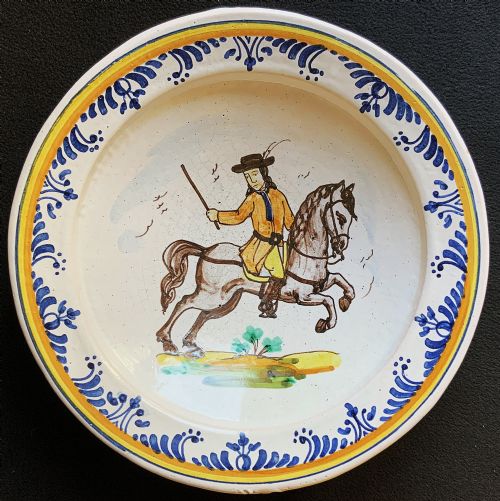
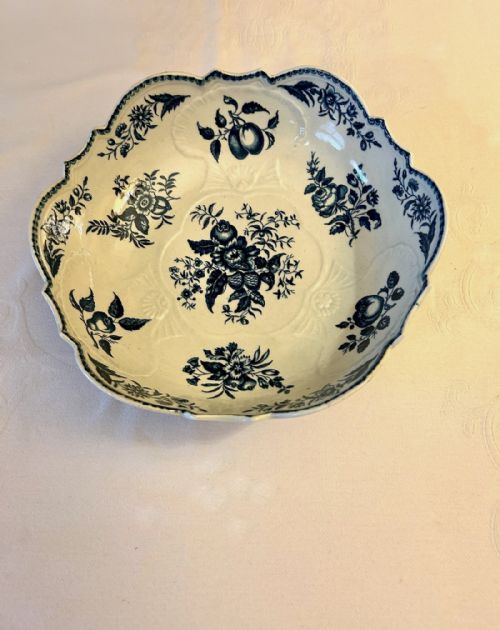
A white glazed ceramic bowl encompasses a diverse group of historical vessels, ranging from simple utilitarian creamware to highly decorative tin-glazed earthenware and fine porcelain. Buyers searching for a white glazed ceramic bowl encounter items spanning from the seventeenth century through the twentieth century, originating from English, European, and Asian potteries.
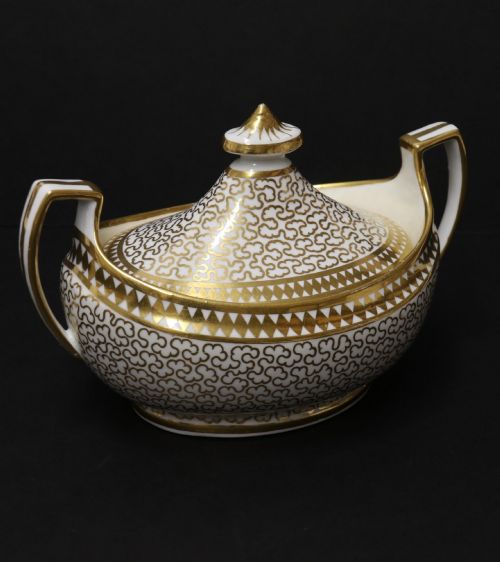
The selections on this page lean heavily towards seventeenth and eighteenth-century Delftware, alongside nineteenth-century earthenware and porcelain tablewares. Forms vary from deep footed vessels and centrepiece dishes to barber's bowls and sugar bowls, reflecting the broad domestic and decorative uses of white-glazed ceramics across different eras.
How they were made
Potters shaped these vessels using earthenware, stoneware, and porcelain bodies, applying tin glazes, enamel, or cobalt decoration to the surfaces before firing. Tin-glazed earthenware relies on an opaque white glaze containing tin oxide, providing a smooth canvas for hand-painted cobalt blue or polychrome pigments.
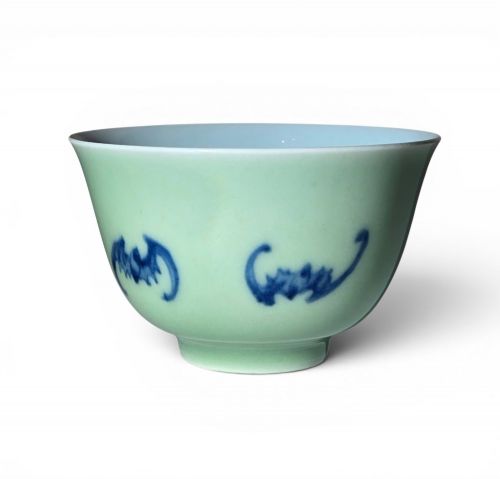
Fine porcelain and creamware pieces demonstrate advanced kiln techniques and refined clay preparation, achieving thin, durable walls and glossy finishes. Many examples feature incised motifs or hand-painted underglaze details applied by skilled artisans in European and Asian workshops.
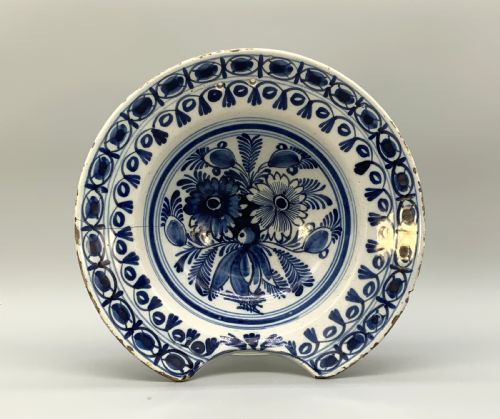
Barber's bowls include a convenient crescent-shaped notch so patrons could catch their lather without spilling.
What varies in quality
Quality in these bowls rests upon the fineness of the clay body, the evenness of the white glaze, and the precision of any hand-painted decoration. Early tin-glazed earthenware displays subtle variations in thickness and glaze pooling, while finer porcelain examples exhibit remarkable translucency and crisp, deliberate brushwork.
The artistic merit of the painted motifs, the crispness of moulded details such as lobed rims or incised floral patterns, and the historical integrity of the piece distinguish standard domestic wares from exceptional cabinet examples.
Chamberlains Worcester·Ulisse Cantagalli·Gien faience·Minton·Shelley
The White Glazed Ceramic Bowl Glossary
- Delftware
- Tin-glazed earthenware produced in the Netherlands and England, typically featuring white surfaces painted in blue or polychrome colours.
- Creamware
- A refined earthenware developed in the eighteenth century with a pale yellowish-white glaze, pioneered by English potteries.
- Tin-Glaze
- An opaque white ceramic glaze containing tin oxide that conceals darker clay bodies and accepts painted decoration.
- Celadon
- A pale green or grey-green glaze applied to ceramic bodies, often associated with historic Chinese wares.
- Sucrier
- A small covered bowl or pot designed specifically for holding table sugar during tea service.
White Glazed Ceramic Bowl: Frequently Asked Questions
How do I date a delft bowl?
Dating a delft bowl involves examining the thickness of the earthenware body, the tone of the tin glaze, and the style of the hand-painted pigment. Earlier pieces often display heavier bodies and slightly irregular tin glazes.
Changes in palette and botanical or figural motifs also help narrow the period. Comparing the footrim construction with documented examples from the same origin provides further chronological clarity.
How were antique bowls used daily?
Antique bowls served numerous domestic functions, including serving food at the table, holding sugar for tea, and containing water for personal grooming. Barber's bowls featured specific cut-out rims to fit snugly against a customer's neck during shaving.
Larger centrepiece bowls and chargers functioned primarily as decorative displays on sideboards and tables. Smaller footed bowls and cups accommodated various dining and beverage customs of their respective periods.
Can I use antique ceramic bowls for food?
Using antique ceramic bowls for food requires caution, particularly with older earthenware and tin-glazed pieces that may have porous bodies or historic glazes. Modern food safety standards differ from historical manufacturing practices.
Displaying these bowls as decorative objects or using them strictly for dry goods preserves their historic surfaces. Gentle hand washing without harsh detergents is essential for protecting delicate glazes.