


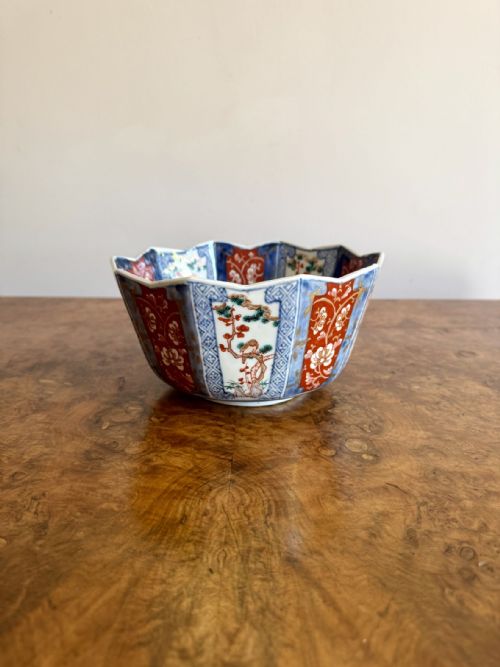
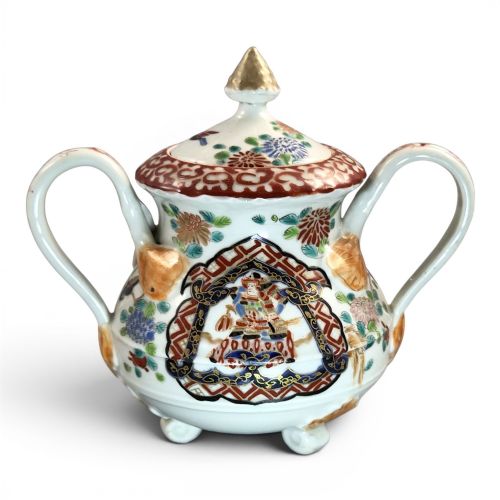


Antique Japanese Basin
An antique japanese basin brings centuries of master craftsmanship into a room, spanning rich imari porcelain, bronze, and cloisonne enamel forms.
Antique Japanese Basin
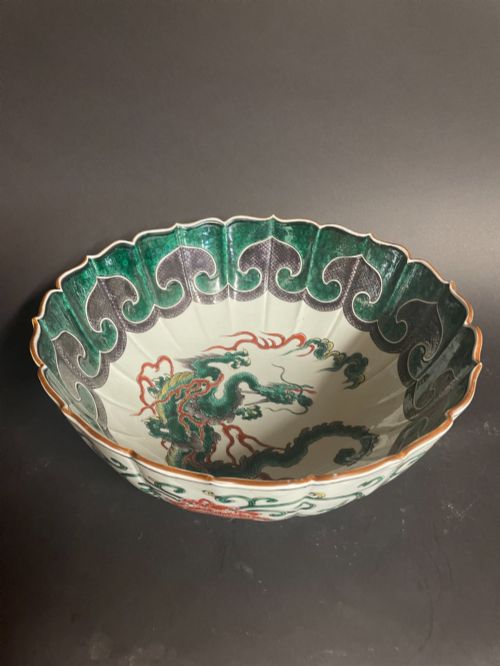
When searching for an antique japanese basin, buyers encounter a diverse selection of vessels including decorative bowls, jardinieres, planters, and brush washers. These pieces originate primarily from the Edo and Meiji periods, as well as the 18th and 19th centuries.
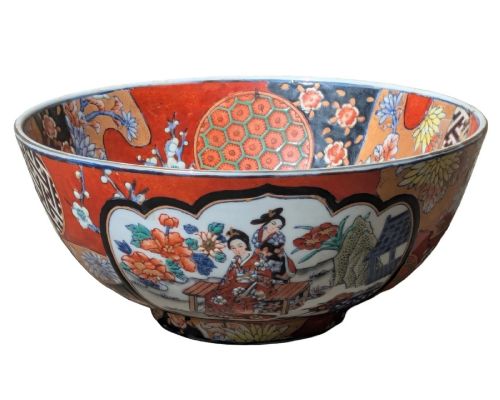
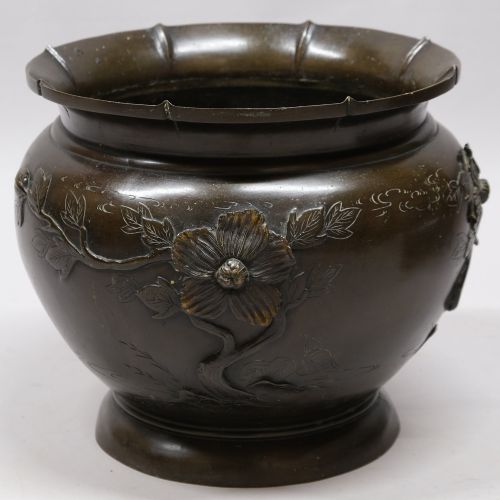
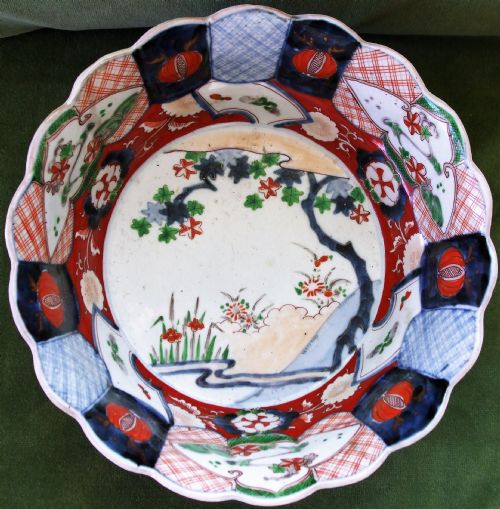
The most common versions met on this page are imari porcelain bowls featuring scallop edges, alongside bronze jardinieres and cloisonne enamel vessels. Makers utilised various forms ranging from small sugar bowls to monumental garden temple vases and large planter dishes.
How they were made
Potters and artisans shaped these vessels using earthenware and porcelain, applying detailed glazes, hand-painted motifs, and gold leaf alongside cloisonne enamel techniques. Bronze, brass, and copper formed the basis for cast metal jardinieres and archaic bowls.
Production methods included throwing clay on a wheel or casting metal, followed by intricate hand-painting, carving, and the application of enamel wires. Workshops incorporated specific signatures, crests, and marks such as the Shimazu crest or maker chops.
Listings feature items spanning the 17th century through to the 1930s, incorporating Imari porcelain, bronze, cloisonne enamel, and Satsuma earthenware.
What varies in quality
The standard of a piece depends heavily on the precision of the hand-painted detail, the complexity of the glaze or enamel work, and the crispness of casting in bronze vessels. Finer examples display meticulous control over pictorial scenes like samurai battles, floral millefleur patterns, and bird decorations.
Signatures by recognised studio masters or kilns elevate certain works above standard decorative items, reflecting greater artistic ambition and technical difficulty in firing or metalworking.
Fukagawa Mark·Kōko·Ryuzan·Nikko·Kinkozan Kyoto·Shozan
The Antique Japanese Basin Glossary
- Imari
- A style of Japanese porcelain decorated in underglaze blue and overglaze red, gold, and green. It originated in the Hizen province and was exported extensively through the port of Imari.
- Jardiniere
- A large ornamental pot or container used for holding flowers or plants. They appear in ceramic, bronze, and cloisonne forms across these listings.
- Meiji Period
- The era of Japanese history running from 1868 to 1912, characterised by industrialisation and a surge in decorative arts created for international export.
- Satsuma
- A type of earthenware pottery from the Satsuma province featuring a crackle-glaze finish and ornate polychrome enamels and gilding.
- Cloisonne
- A decorative metalwork technique where enamel is applied to compartments separated by strips of metal welded to the vessel body.
Antique Japanese Basin: Frequently Asked Questions
What is a jardiniere?
A jardiniere is a large decorative pot designed to hold potted plants or floral displays.
In these listings, they appear in materials such as bronze, earthenware, and porcelain, often placed on hardwood stands.
How do I identify Satsuma ware?
Satsuma ware is characterised by its distinctive ivory-coloured earthenware body and a fine network of crackled glaze.
Pieces are typically decorated with detailed polychrome enamel scenes and heavy gold leaf.
What is the Meiji period?
The Meiji period spans the reign of the Emperor Meiji from 1868 to 1912.
It marks a prolific era of Japanese decorative arts created for both domestic use and the Western export market.
Can these planters hold live plants?
Many of these metal and ceramic vessels were originally designed as jardinieres or planters for botanical displays.
Owners often utilise inner plastic liners to protect antique ceramic and bronze surfaces from moisture.