
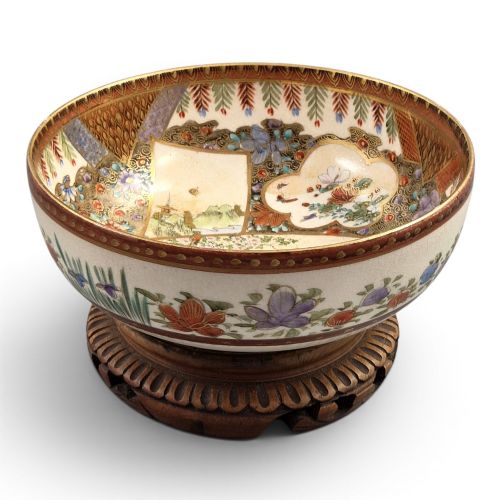


Decorative Ceramic Fruit Bowl
A decorative ceramic fruit bowl brings colour and craftsmanship to a table, spanning Victorian majolica and Japanese Imari porcelain.
Decorative Ceramic Fruit Bowl
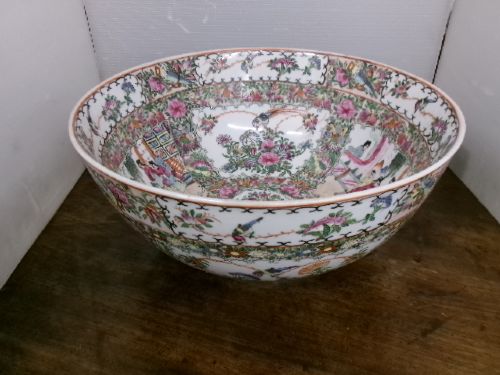
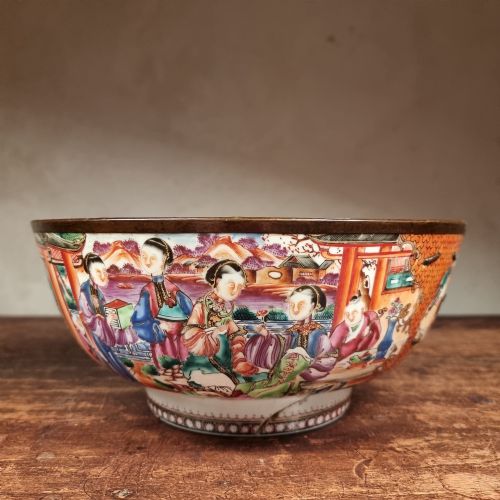
A decorative ceramic fruit bowl brings together centuries of global artistry, designed originally to hold fruit or serve as a centrepiece on a table or cabinet. When searching for a decorative ceramic fruit bowl, a buyer encounters a vast array of forms, ranging from footed pottery bowls and majolica comports to large Chinese export vessels and Japanese Imari pieces. The selection spans the nineteenth century through the Edwardian era and into the nineteen-thirties, reflecting diverse international tastes and domestic dining traditions.
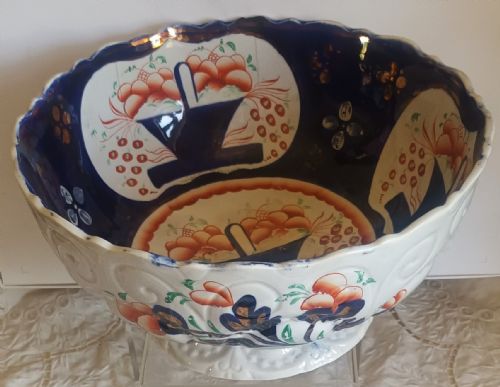
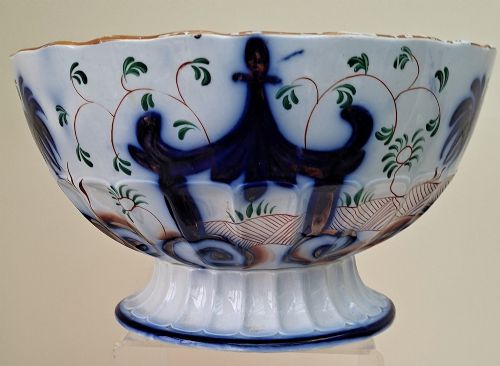
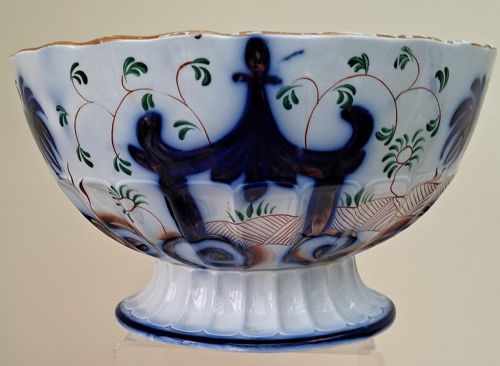
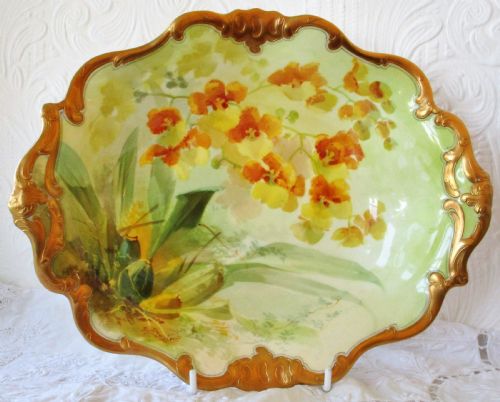
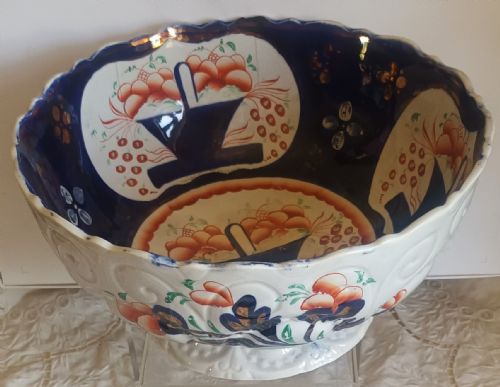
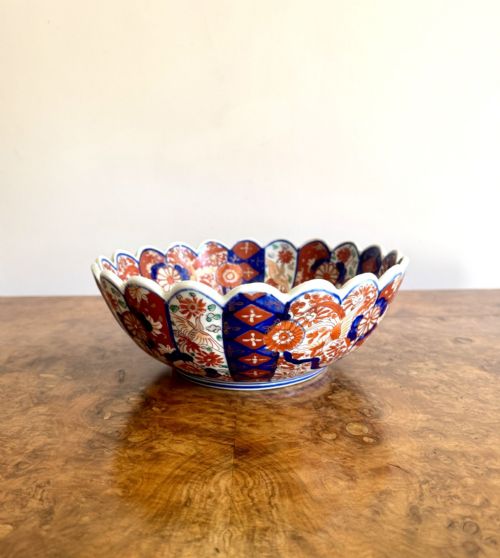
The most common versions met on this page include nineteenth-century Japanese Imari porcelain bowls with scalloped edges, English earthenware pieces with Gaudy Welsh patterns, and hand-painted porcelain works by factories such as Royal Worcester and Royal Doulton. Buyers also find Wedgwood lustre bowls designed by Daisy Makeig-Jones alongside large Chinese Canton and Famille Rose bowls. These objects function equally well as structural centrepieces or as cabinet dishes displayed on stands.
How They Were Made
Potters shaped these vessels from ceramic, earthenware, ironstone, and porcelain bodies, often employing moulds for comports and footed bowls or throwing them by hand. Glaze was applied to seal the clay before artisans added detailed hand-painted motifs, sometimes incorporating gold leaf, gilding, and enamel work.
Firing techniques varied from traditional kiln processes in Chinese and Japanese kilns to industrial earthenware production in English potteries like Doulton Burslem and Wedgwood. Specific decorative effects, such as the vibrant orange and mottled lustre glazes or cobalt blue motifs, relied on precise chemical control during the firing stages.
The listings on this site encompass periods from the nineteenth century through the nineteen-forties, featuring materials such as earthenware, porcelain, and gold leaf.
What Varies In Quality
The standard of painting distinguishes ordinary output from exceptional pieces, particularly in hand-painted botanical or figural scenes where brushwork control and artistic expression dictate value. Fineness of porcelain body, crispness of moulded details such as leaves or cherubs, and the preservation of gilding and enamel colours also separate superior examples from standard wares.
Signatures by renowned artists or specific factory stamps add authority and provenance, showing the hand of a master decorator rather than a production line worker. Furthermore, the integrity of the glaze and the structural stability of scalloped or fluted edges indicate how well a piece survived its operational history.
Royal Doulton·Doulton Burslem·Royal Worcester·Wedgwood·Moorcroft·Samson
The Decorative Ceramic Fruit Bowl Glossary
- Imari
- Japanese porcelain decorated in underglaze blue and overglaze red, gold, and other colours, traditionally produced for export from the port of Imari. These pieces are recognised by their dense, brocade-like patterns.
- Comport
- A raised serving dish or bowl on a foot or pedestal, frequently used for fruit or desserts on nineteenth-century tables. They elevate the presentation of food above the main table surface.
- Lustre
- A type of pottery or porcelain glaze containing metallic oxides that produce an iridescent, shimmering surface effect. Wedgwood pieces by designers like Daisy Makeig-Jones utilised this technique extensively.
- Majolica
- A Victorian earthenware pottery type characterised by colourful, lead-glazed opaque enamel, often moulded in naturalistic plant and animal forms such as begonia leaves. It provides a heavy, tactile surface.
- Famille Rose
- A Chinese porcelain palette introduced in the eighteenth century, distinguished by pink enamel colours derived from colloidal gold. The style continued to influence export porcelain into later decades.
Decorative Ceramic Fruit Bowl: Frequently Asked Questions
How do I date an Imari bowl?
Dating an Imari bowl involves examining the weight of the porcelain body, the depth of the underglaze blue, and the vibrancy of the iron-red and gilt overglazes. Nineteenth-century examples often display denser, hand-drawn motifs compared to later twentieth-century iterations.
Changes in the clay base and kiln marks also help narrow down the period, distinguishing Meiji period production from later nineteenth-century wares.
What is a comport used for?
A comport served as an elevated dish for presenting fruit, sweets, or small desserts during formal nineteenth-century dining. Their raised pedestals created visual hierarchy on a crowded table.
Today, these footed bowls function primarily as decorative centrepieces or serving vessels for display.
Are lustre bowls safe for food?
Lustre bowls feature metallic oxide glazes applied during historical manufacturing processes that do not meet modern food safety standards for daily dining. These pieces are best reserved for decorative display or holding dry items.
Historic glazes can degrade when exposed to acidic foods or moisture over extended periods.
How should I clean a painted ceramic bowl?
Cleaning historic painted ceramics requires gentle dusting with a soft brush or wiping with a dry microfiber cloth to protect delicate overglaze enamels and gilding. Water and chemical cleaners can lift fragile pigments, especially on antique pieces.
Immersion in water should be avoided entirely if the piece has exposed earthenware bodies or repairs.