


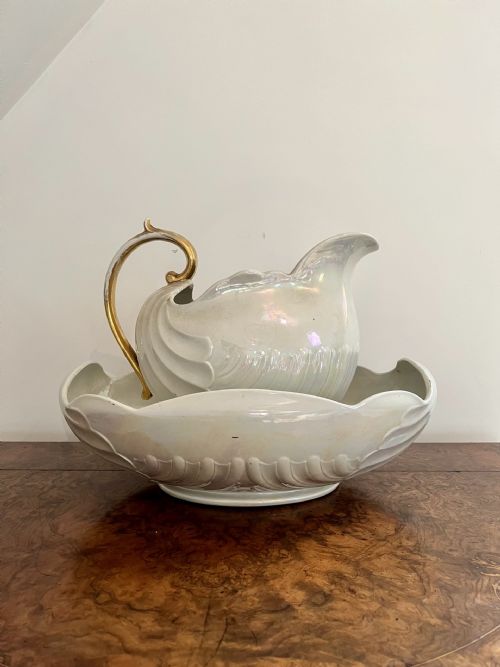
Art Nouveau Lustre Pottery
Art nouveau lustre pottery brings iridescent metallic sheens and organic contours into a room, catching the light in ways ordinary ceramics simply cannot manage.
Art Nouveau Lustre Pottery
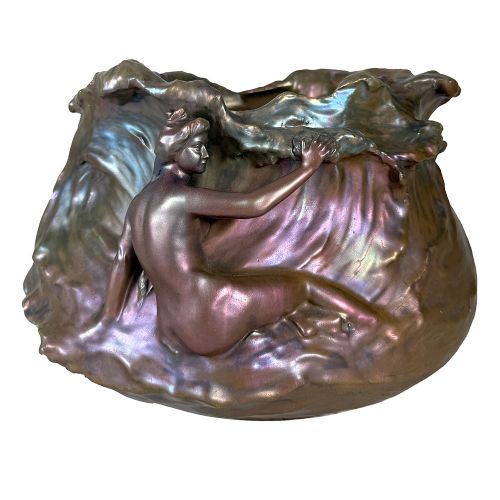
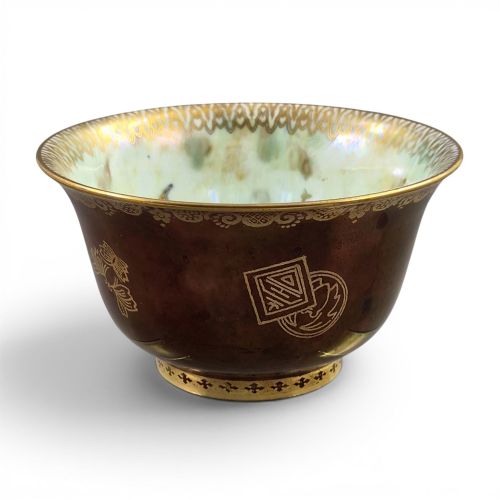
Art nouveau lustre pottery comprises bowls, vases, and jardiniere sets produced across the Edwardian era and into the 1920s. These pieces display distinct metallic glaze effects derived from metallic oxides fired in reduced oxygen atmospheres.
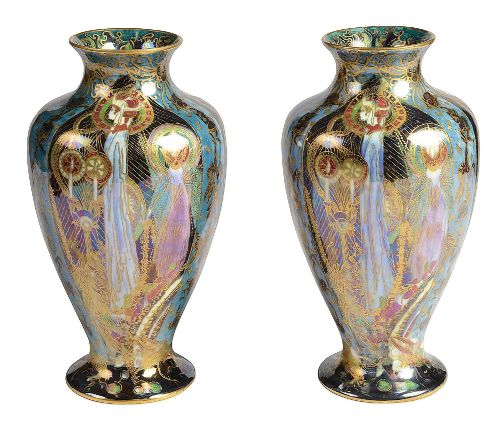
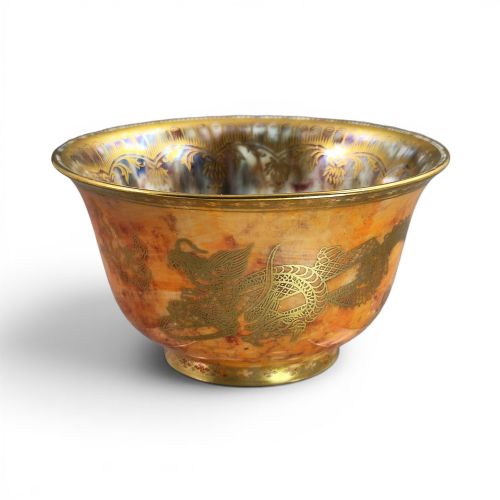
Buyers encountering this selection will frequently find earthenware and bone china vessels decorated with elaborate fantasy scenes, dragons, and butterfly motifs. The predominant forms range from small bud vases to large baluster vases and expansive bowls.
Originating from British potteries and continental workshops active around 1900 to 1920, these ceramics combine flowing Art Nouveau lines with rich iridescent surfaces. Each object demonstrates the distinct aesthetic priorities of its period of manufacture.
Materials and Technique
Potters built these vessels using earthenware, porcelain, or bone china as a solid structural base before applying initial colour glazes. Gold leaf and enamel details frequently enhanced the primary surface decoration.
The characteristic metallic sheen resulted from applying specific lustre glazes containing metallic salts. Firing these pieces in kilns with reduced oxygen content caused the metallic film to precipitate onto the surface, creating an iridescent finish.
Listings feature items spanning the Edwardian period through to 1920, utilising bone china, earthenware, and porcelain bases.
Judgements of Quality
Quality in these ceramics rests upon the depth and control of the iridescent glaze effects across the surface. Pots showing rich, varied play of light demonstrate superior kiln management during the reduction firing.
The complexity and precision of the painted design also determine the standing of a piece. Delicate hand-painted motifs, such as detailed dragon or fairy patterns, indicate a higher grade of artistic execution.
Daisy Makeig Jones·Clement Massier·James Hodgkiss
The Art Nouveau Lustre Pottery Glossary
- Lustre Glaze
- A ceramic finish containing metallic elements that produce an iridescent, reflective surface upon reduction firing. This technique creates the signature rainbow effect seen on the pottery.
- Earthenware
- Porous ceramic pottery fired at relatively low temperatures. It served as the sturdy body for many continental jardiniere sets and decorative vessels.
- Bone China
- A type of soft-paste porcelain incorporating animal bone ash, providing high strength and whiteness. British potteries utilised this material for delicate lustre bowls and vases.
- Baluster Vase
- A tall vase form characterised by a rounded body that tapers toward the neck and stands on a narrow base. This shape appears frequently among the larger decorative pieces.
Art Nouveau Lustre Pottery: Frequently Asked Questions
How do I clean lustre pottery safely?
Dust these ceramic pieces gently with a dry, soft cloth to prevent scratching the delicate metallic glaze. Avoid using water, chemical cleaners, or abrasive materials that might damage the iridescent surface.
Keep the items away from direct, prolonged sunlight to preserve the richness of the enamel and gold leaf details over time.
Where were these pottery pieces made?
The pieces originate from various European and British workshops active during the late Victorian, Edwardian, and post-First World War periods. Major English potteries and continental makers produced these distinctive iridescent wares.
Production methods varied between the sturdy earthenware creations of continental workshops and the refined bone china vessels of British factories.
What defines the Art Nouveau style here?
The style relies on sinuous, organic lines and motifs inspired by natural forms such as butterflies, dragons, and flowing plant tendrils. These design elements wrap fluidly around the curves of bowls and vases.
Such aesthetics contrast sharply with the rigid geometric patterns of later decades, prioritising movement and asymmetry in the vessel shapes.
Can I use these bowls for daily dining?
These decorative items function primarily as display pieces rather than practical tableware for everyday use. The metallic lustre glazes and enamel decorations are sensitive to wear from cutlery and frequent washing.
Displaying them on mantels or in cabinets protects the fragile glaze layers from accidental damage and preserves their condition.