
Blue Glazed Pottery Vase
A blue glazed pottery vase brings rich cobalt depth and tactile warmth to a room, drawing the eye instantly.
Blue Glazed Pottery Vase
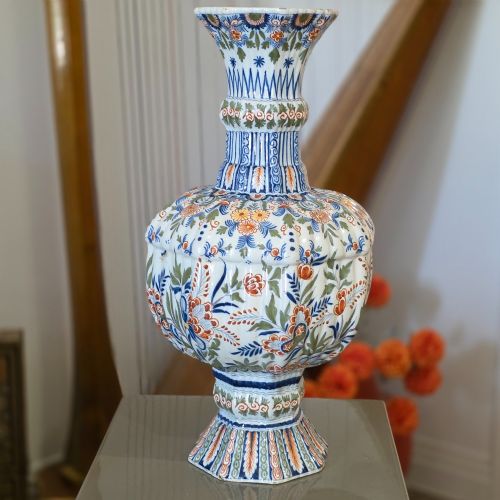
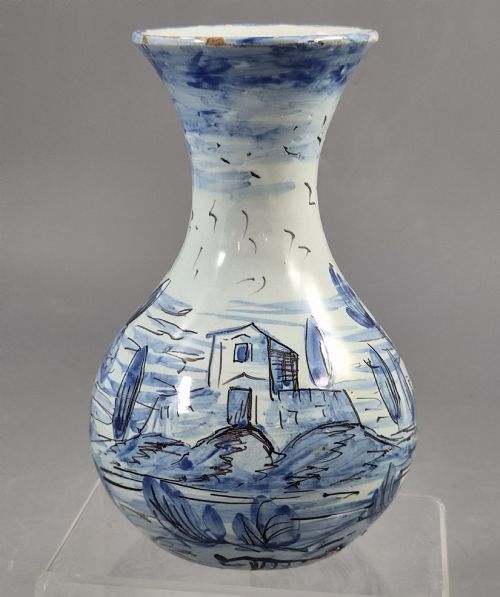
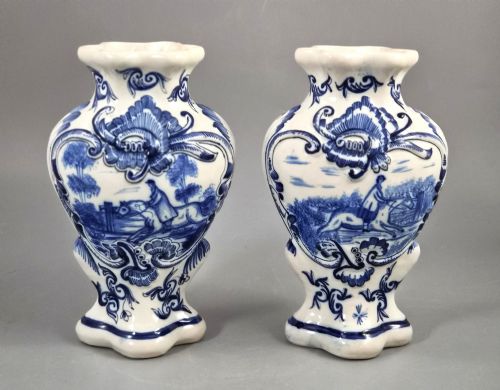
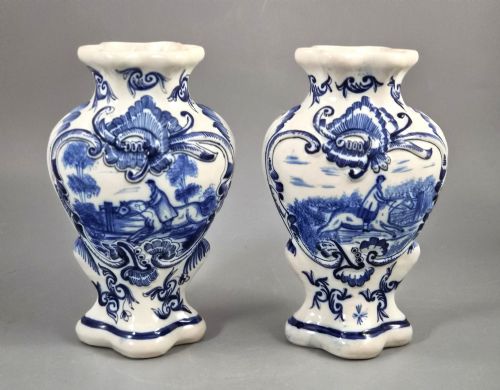
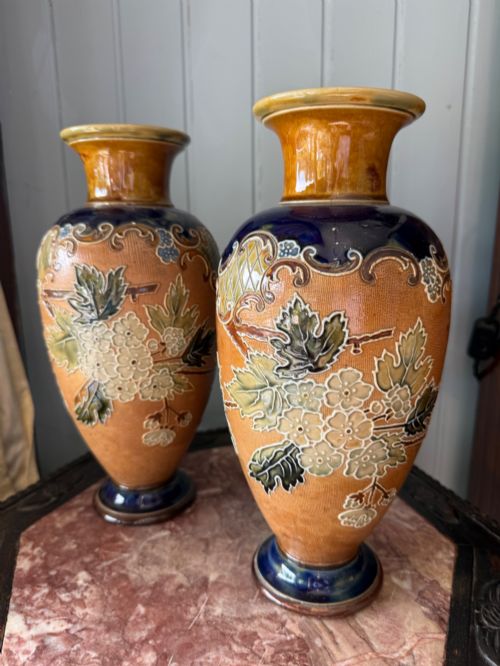
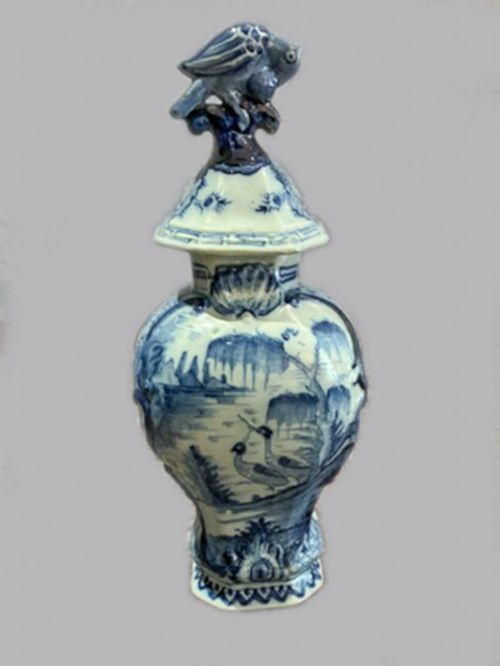
A blue glazed pottery vase is a vessel formed from ceramic, earthenware, or stoneware, finished with a blue glaze that defines its character. When searching for a blue glazed pottery vase, buyers encounter everything from 18th-century Dutch Delftware and English stoneware to French faience and Japanese art pottery.
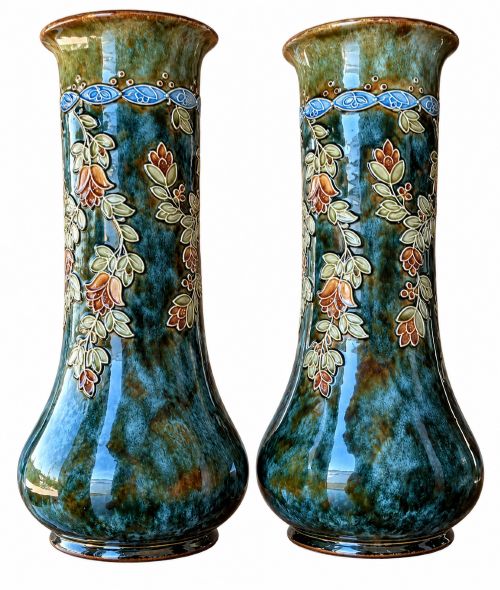
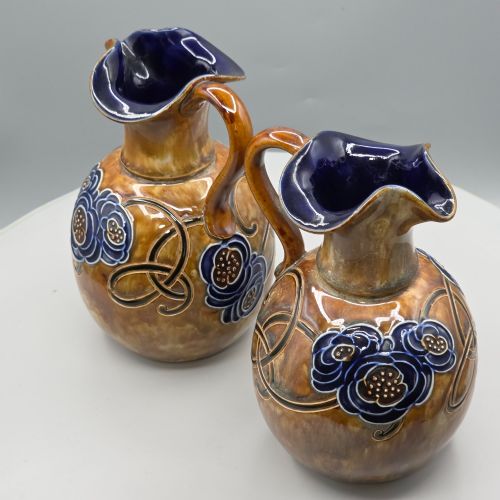
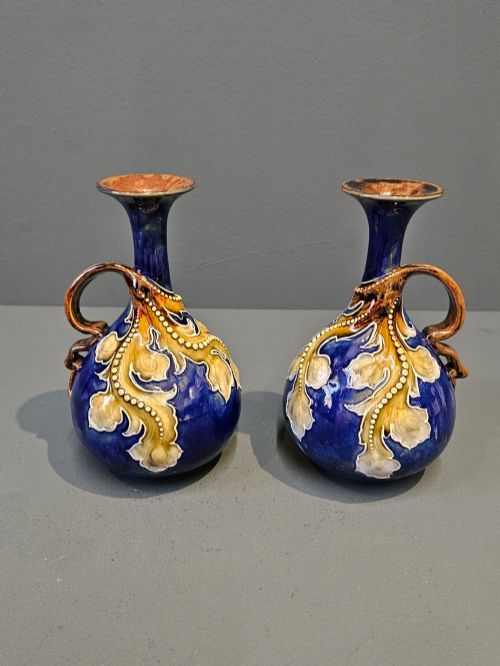
The selection ranges widely across periods, including Victorian productions, Arts and Crafts pieces, and Art Nouveau designs. Forms vary from simple bottle vases and lidded jars to elaborate ewers, cabinet pieces, and monumental baluster vessels.
Materials and technique
Potters shaped these vessels from local clay, earthenware, or denser stoneware bodies, often throwing them on a wheel or moulding them by hand. Craftsmen then applied tin glaze, enamel, or salt glaze over the ceramic body before firing in kilns to fix the blue colour and surface finish.
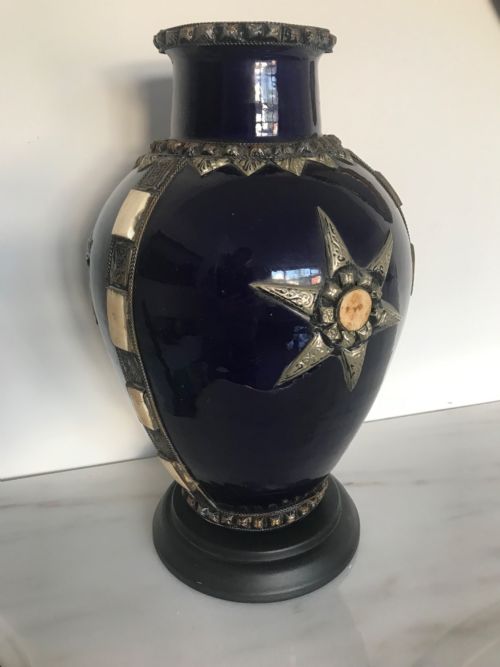
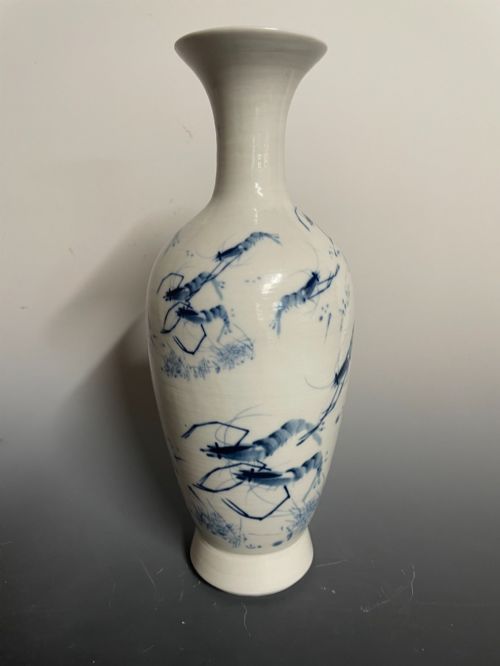
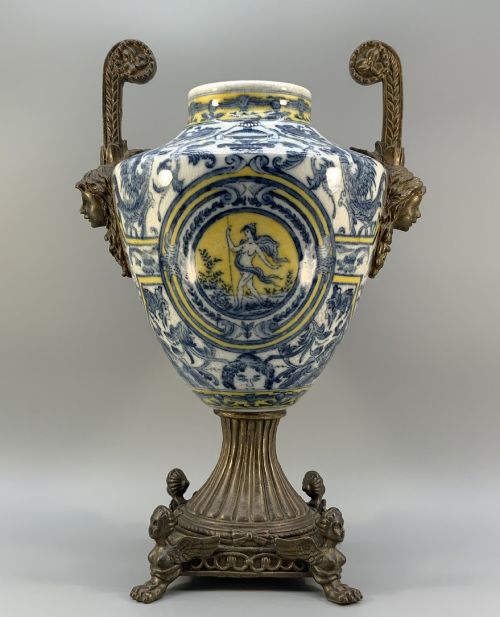
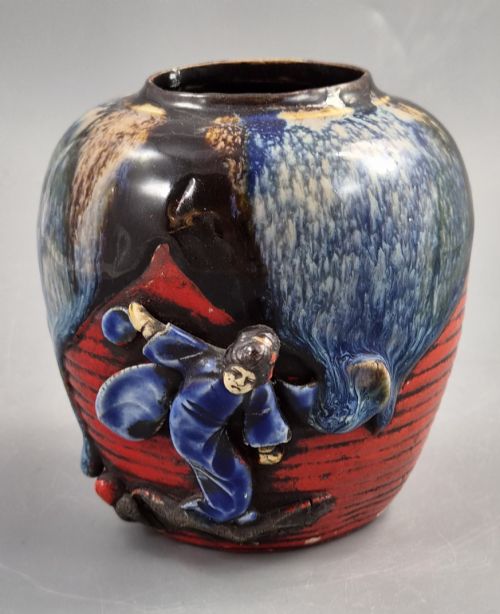
Decoration techniques combined underglaze blue painting, incised patterns, and applied slip. Some workshops added metal mounts in bronze or silver, while others integrated sculptural figures directly into the wet clay before glazing.
Several vessels feature cheeky climbing figures and portrait decorations peering out from beneath the cobalt glaze.
Judging quality in ceramic vessels
Quality rests on the crispness of the modelling and the depth of the glaze coverage across the ceramic body. Superior examples show careful control in the kiln, where the blue glaze pools evenly without muddying the underlying form or decorative detail.
Hand-painted precision distinguishes workshop pieces from simpler mass-produced output. The sharpness of incised patterns in stoneware and the harmonious integration of applied handles or mounts further separate standard vessels from exceptional ones.
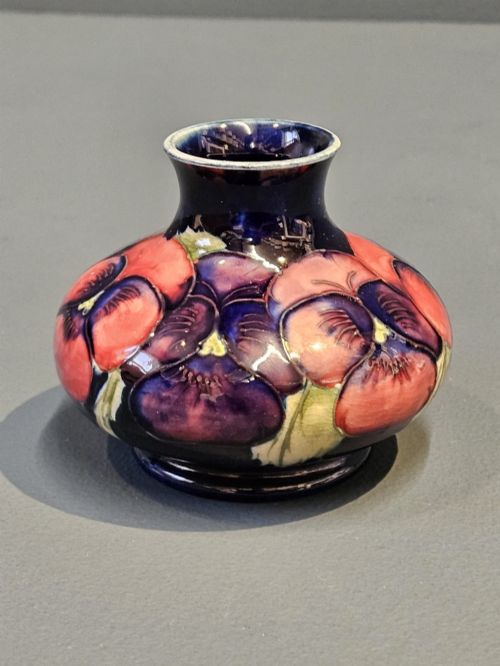
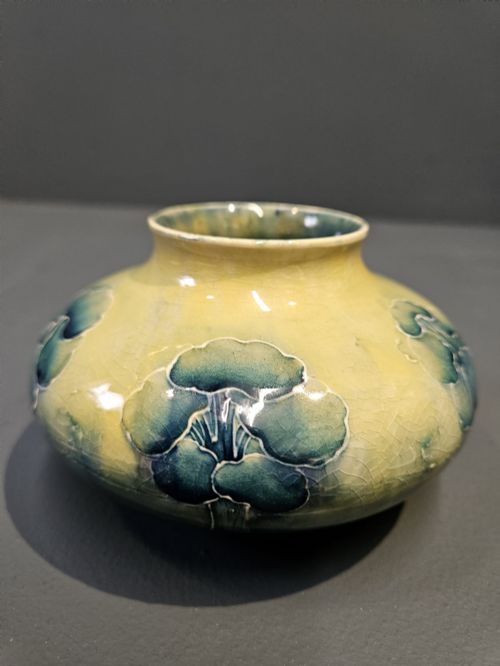
Royal Doulton·Moorcroft·Cantagalli·Fourmaintraux Courquin·Lauder Pottery·Minton
The Blue Glazed Pottery Vase Glossary
- Baluster
- A vertical architectural form resembling a pillar, swelling towards the lower part and tapering at the neck. Many large floor and shelf vessels adopt this characteristic profile.
- Tin-Glaze
- An opaque white glaze containing tin oxide, providing a smooth surface for painting in cobalt blue. This technique defines traditional Delftware and European faience.
- Stoneware
- A robust, vitrified ceramic fired at high temperatures until impervious to liquid. It accepts dense salt glazes and deep blue coloration characteristic of late Victorian manufactories.
- Ewers
- A large jug with a wide spout and arched handle, designed for pouring liquids. In decorative ceramics, these serve primarily as ornamental display pieces.
- Slip
- Liquid clay mixed with water and colouring agents, applied to the surface of pottery before firing to create raised patterns or background colour.
Blue Glazed Pottery Vase: Frequently Asked Questions
Are these vases watertight for fresh flowers?
Many stoneware and glazed ceramic vessels remain fully watertight and suitable for daily floral arrangements. Older earthenware and tin-glazed pieces, however, can develop micro-fissures in the glaze over centuries.
Protect delicate interiors by placing a small glass or plastic insert inside the vessel rather than pouring water directly into the antique ceramic body. This preserves the internal glaze and prevents moisture seepage.
How can I tell the difference between Delftware and faience?
Delftware specifically designates tin-glazed earthenware produced in the Netherlands, particularly around Delft, featuring distinctive blue and white motifs. Faience is the broader continental term for tin-glazed pottery made across France, Italy, and other European regions.
Examination of the base, paste colour, and brushwork style often reveals the regional workshop origin. Italian majolica and French faience frequently incorporate polychrome palettes alongside cobalt blue.
What causes crazing in the blue glaze?
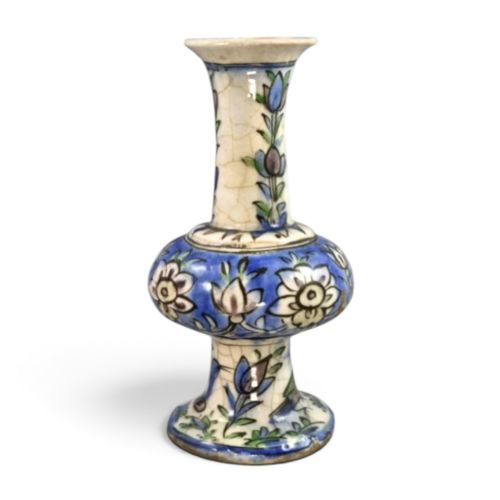
Crazing appears as a fine network of microscopic cracks across the glazed surface, caused by the glaze shrinking at a different rate than the underlying ceramic body during cooling. This natural ageing process occurs frequently in older earthenware and art pottery.
While crazing marks the passage of time and genuine antiquity, it requires careful handling to prevent staining from moisture or dirt entering the tiny fissures.