
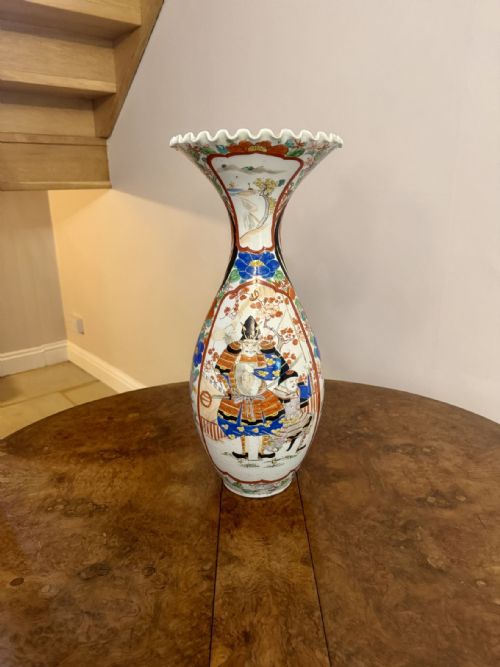
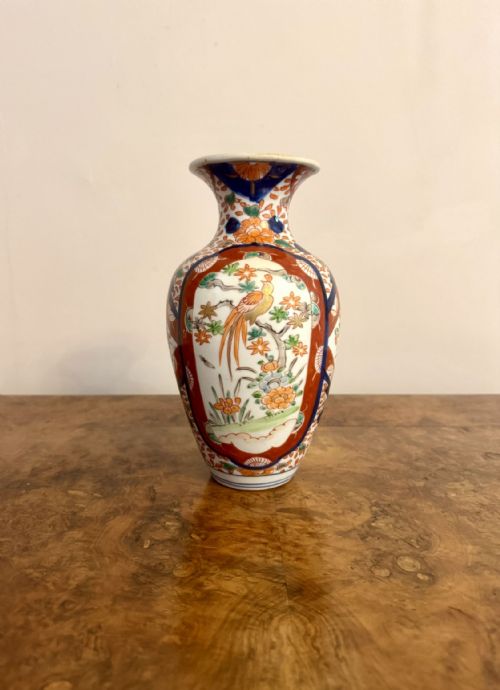


Blue and Orange Vase
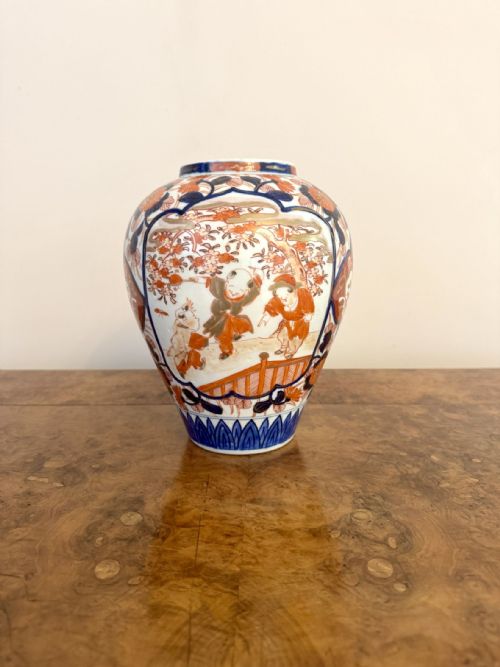
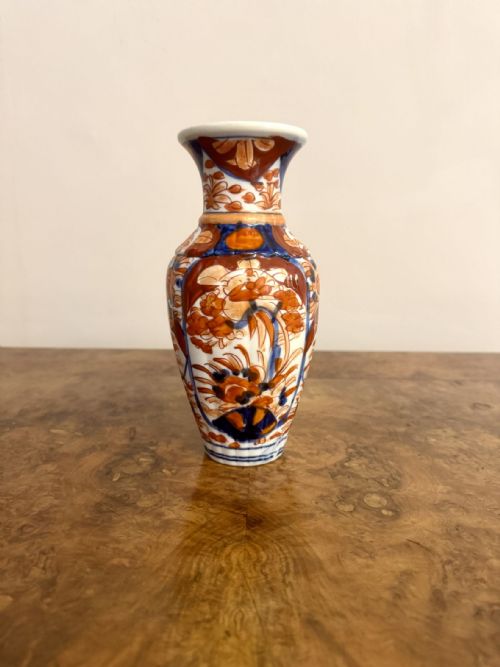
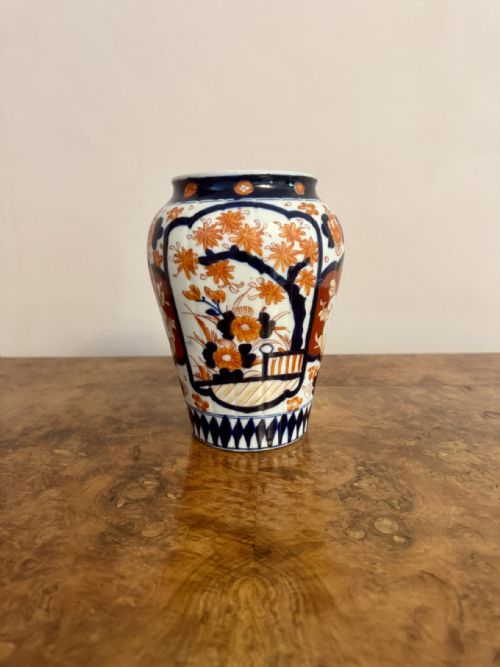
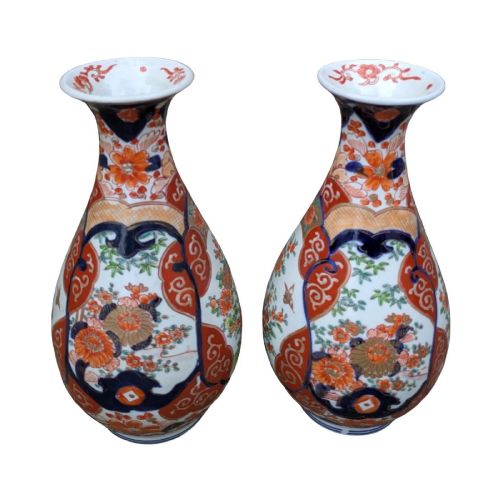
A blue and orange vase brings warmth and rich pattern to a room, drawing the eye instantly through bold cobalt and iron-red tones.
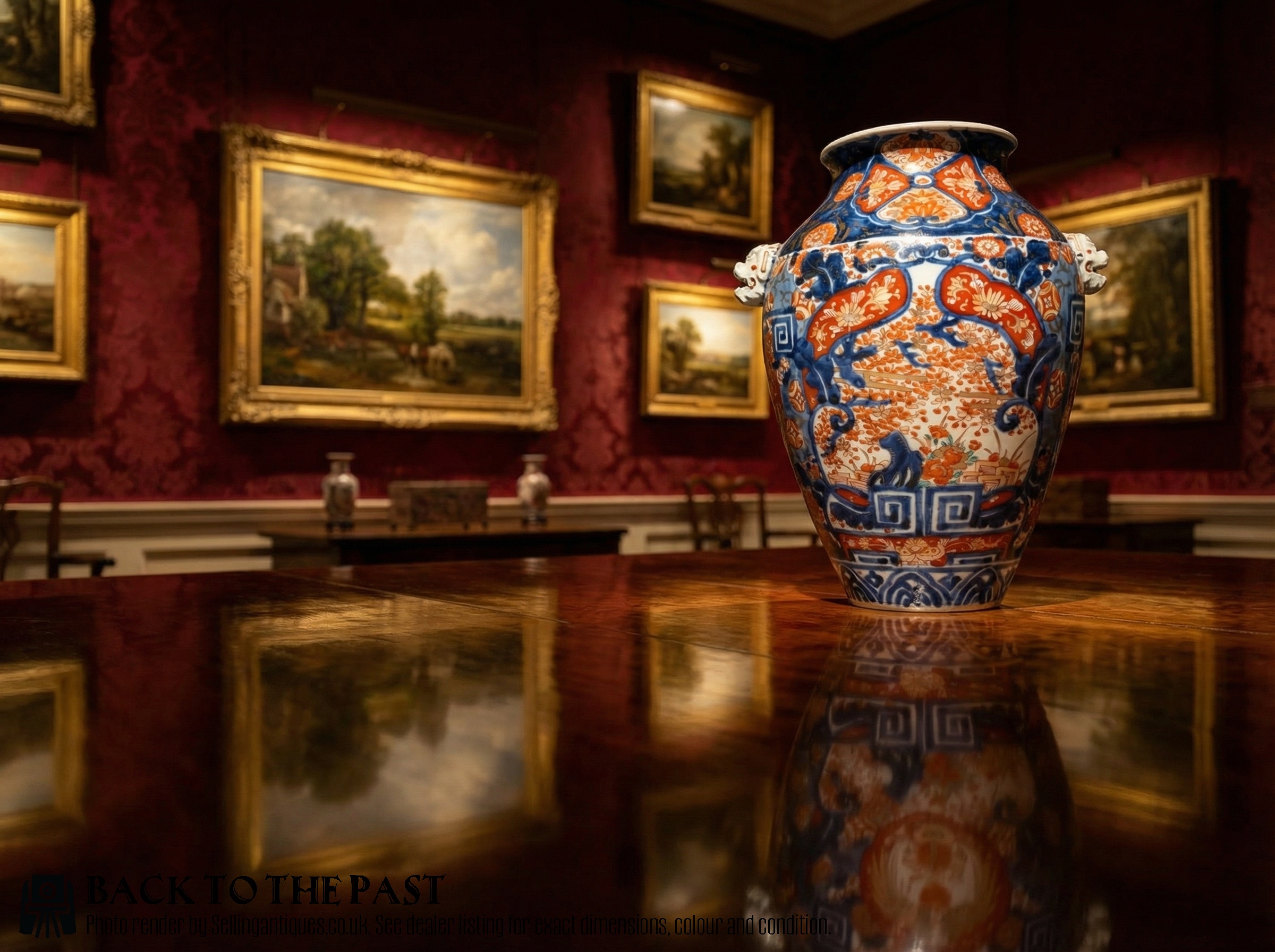
Blue and Orange Vase
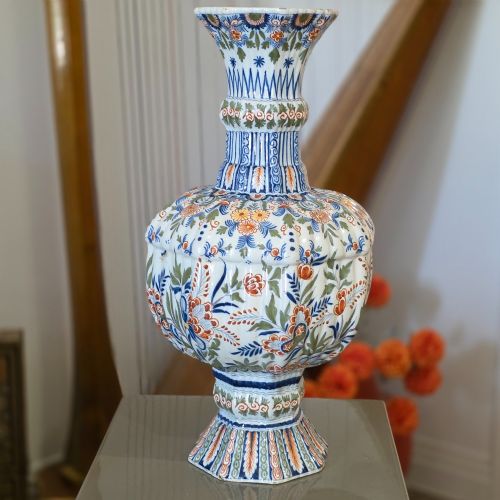
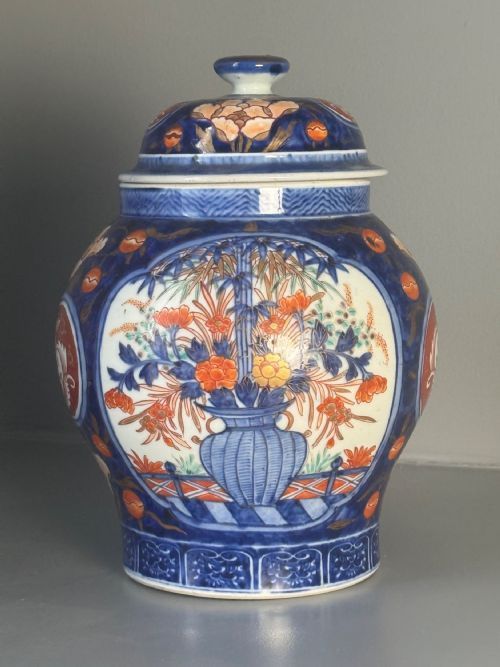
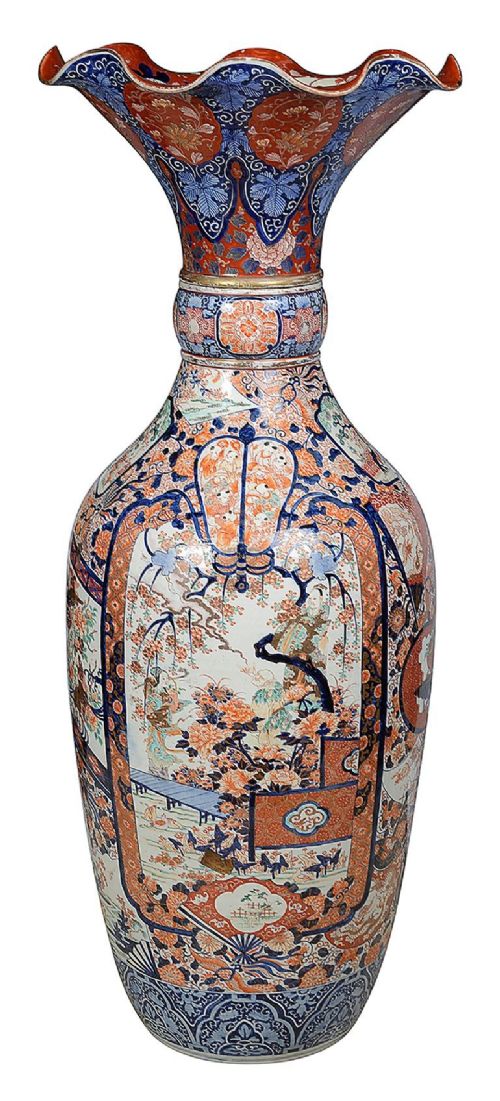
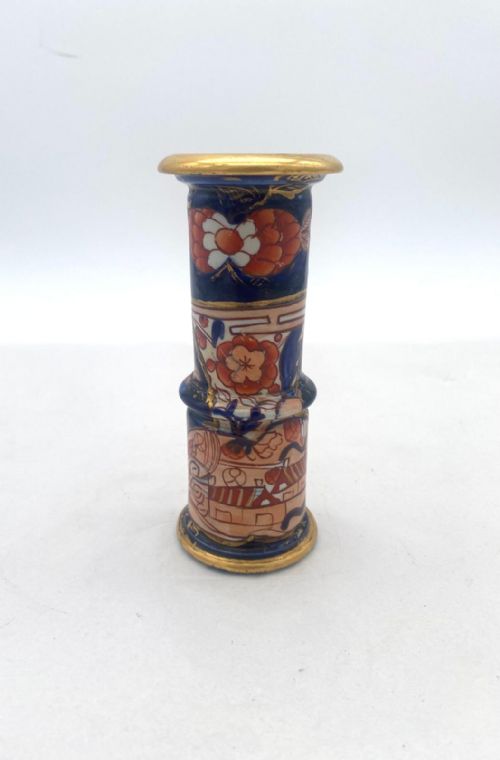
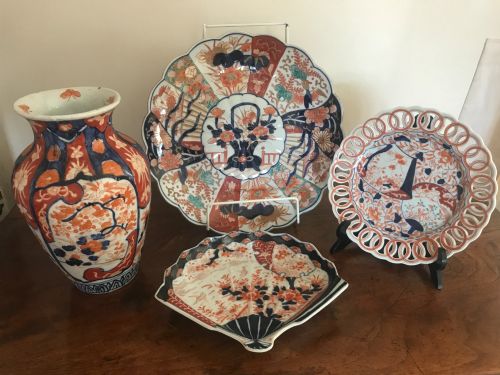
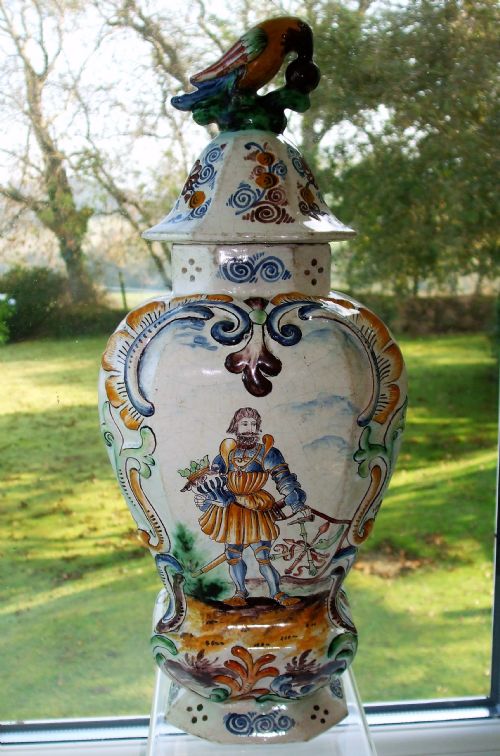
A blue and orange vase typically manifests as a striking Japanese Imari porcelain piece or a Dutch Delftware vessel from past centuries. These ceramics range from small cabinet pieces and double gourd shapes to massive floor standing vases and lidded ginger jars.
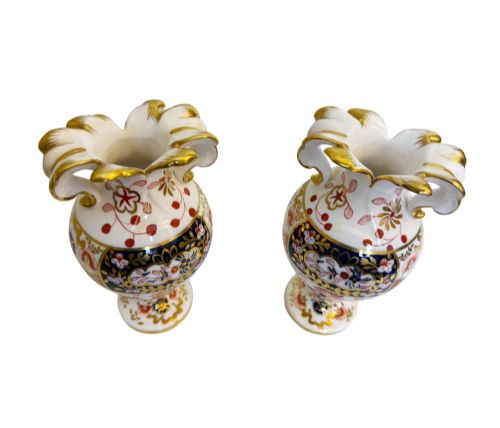
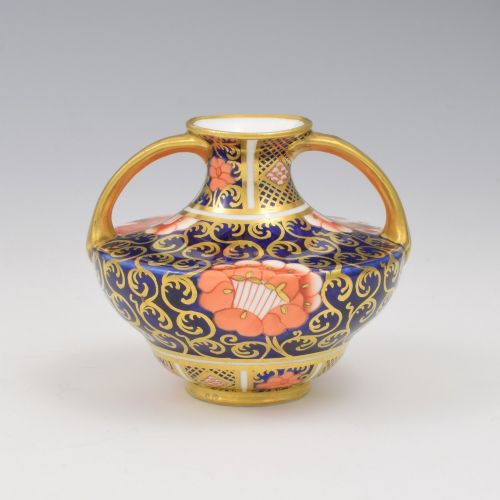
The dominant style on this page is Japanese Imari from the Meiji period and surrounding decades, alongside 18th and 19th-century European delftware and porcelain. Buyers encounter everything from miniature twin-handled vessels to garnitures of three.
Makers such as Royal Crown Derby and Spode also appear, producing English interpretations of the classic Imari palette. Forms vary from simple bottle shapes to octagonal baluster vases and pieces adapted into table lamps.
How they were made
Potters shaped ceramic bodies by hand or on the wheel before applying underglaze cobalt blue and rich iron-orange enamel pigments. Many examples incorporate additional gilding or gold leaf highlights over the glaze to catch the light.
Firing took place in kilns at high temperatures to vitrify the porcelain or earthenware, often followed by subsequent lower-temperature firings for overglaze enamels. Artisans in centres from Arita to Delft utilised traditional mineral pigments to achieve their distinctive colour saturation.
Object forms range from traditional ginger jars and bottle-shaped vessels to converted table lamps and floor standing urns.
What varies in quality
The distinction between ordinary and exceptional lies in the crispness of the hand-painted brushwork and the vibrancy of the glaze. Top-tier pieces display precise detailing in the cobalt blue and iron orange, with harmonious integration of gilt accents.
Form and scale also dictate worth, as large floor standing vases, matching pairs, and complete garnitures require immense skill to fire without distortion. Potteries known for superior paste and controlled kiln atmospheres produced pieces that retain their brilliance over centuries.
Royal Crown Derby·Spode
The Blue and Orange Vase Glossary
- Imari
- A style of Japanese export porcelain decorated in underglaze blue, iron red, and gilt. Named after the port from which these ceramics were shipped to Europe.
- Delftware
- Tin-glazed earthenware produced in the Netherlands, particularly in the city of Delft. It often mimics Asian blue and white or polychrome palettes.
- Garniture
- A set of three or more matching vases designed to be displayed together on a mantelpiece or cabinet top.
- Baluster
- A vase form with a rounded body that tapers towards the neck and stands on a wider base. This classic silhouette provides stability for tall ceramic vessels.
- Overglaze
- Enamel decoration applied on top of the fired glaze and fixed in a second, lower-temperature muffle kiln. This technique allows for vibrant oranges, reds, and golds.
Blue and Orange Vase: Frequently Asked Questions
How do I style a blue and orange vase at home?
These vibrant vessels demand a position where natural light can catch the cobalt blue and iron-orange pigments. Place them on dark wooden sideboards or mantelpieces to let the contrasting palette stand out against neutral walls.
Avoid crowding them with other ornaments so the hand-painted patterns remain the focal point. Large floor standing versions work well in empty corners, while smaller ginger jars suit tabletops and shelves.
Are these vases safe to hold water for fresh flowers?
Many antique ceramic vases were created primarily for display or as part of garniture sets rather than for daily floral use. Porous earthenware bodies or older glazes can be sensitive to moisture over extended periods.
It is safest to use a discreet glass insert if you wish to display fresh stems inside a delicate antique vessel. Alternatively, enjoy them dry or with dried botanicals to preserve the interior fabric.
How do I tell Japanese Imari from European copies?
Examine the body paste, weight, and the characteristic pigment saturation beneath the glaze. Japanese porcelain from the Meiji period typically exhibits a finer, harder white paste and tighter potting than contemporaneous European earthenware.
European factories like Spode and Royal Crown Derby developed their own distinct interpretations of the Imari palette. Makers' marks on the base often clarify the English origin, whereas Japanese pieces frequently bear painted square Fuku marks or stylized script.
What does a lidded ginger jar signify?
Ginger jars were originally manufactured in China to store and transport spices, salt, and oils. By the time Japanese and European potteries adopted the form, they functioned mainly as decorative storage vessels.
Finding a jar with its original matching lid intact significantly enhances the completeness of the piece. Collectors prize these lidded forms for their symmetrical silhouette and the continuity of the pattern across the cover.