

Black Wall Mirror
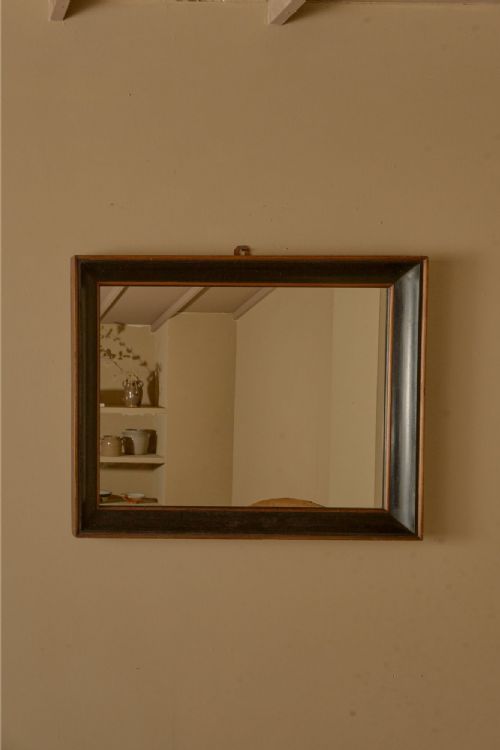
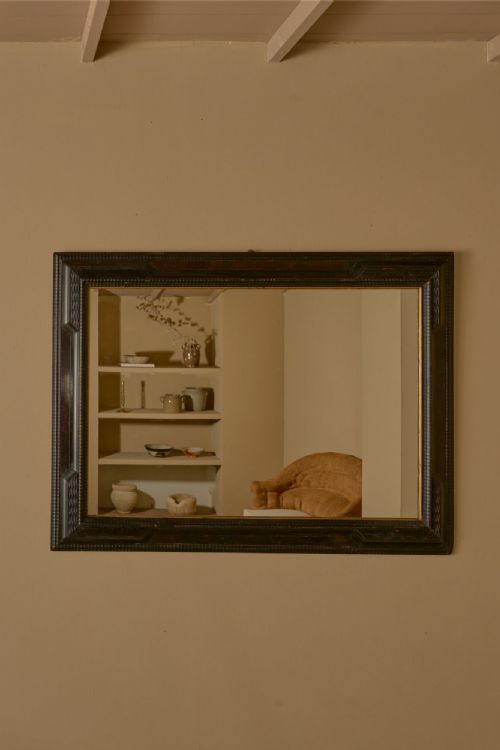
A black wall mirror brings dark contrast and architectural depth to a room, ranging from austere ebonised wood to gilded Victorian grandeur.
Black Wall Mirror
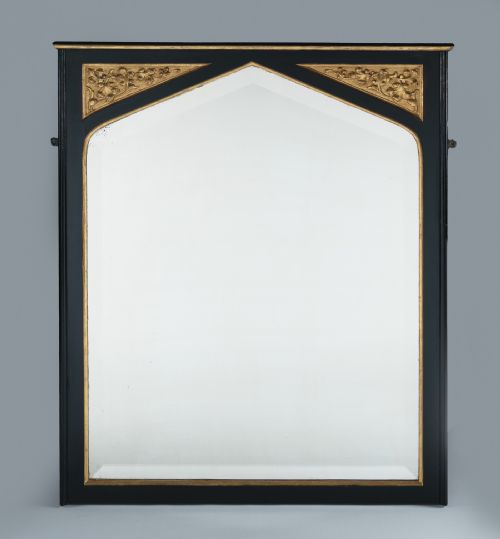
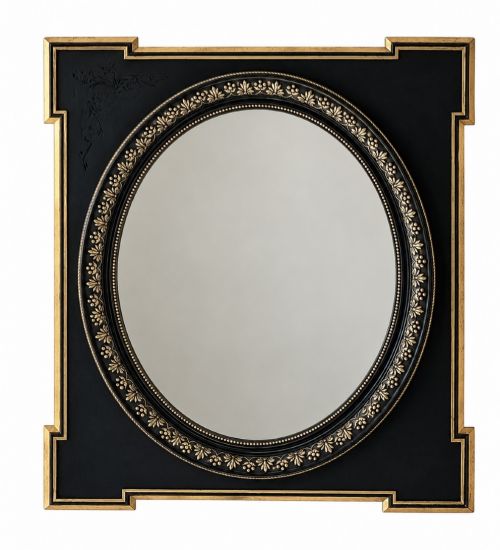
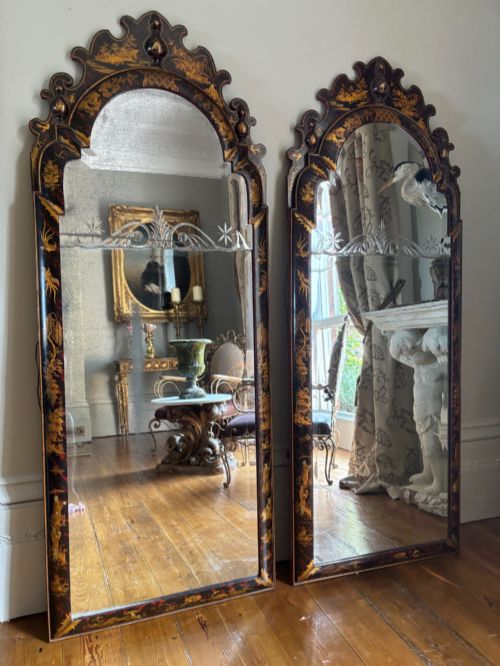
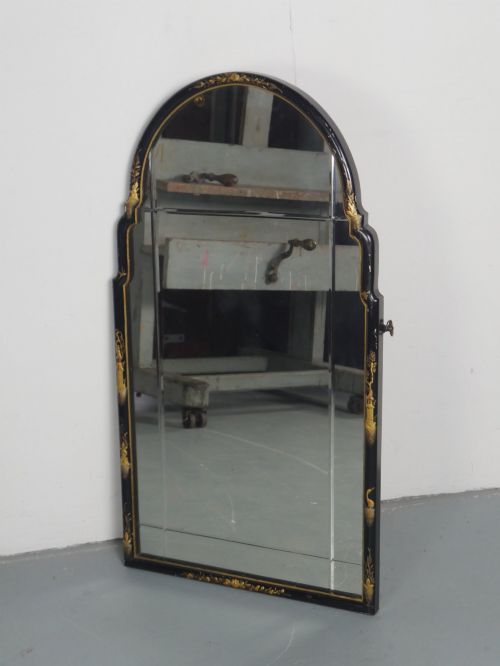
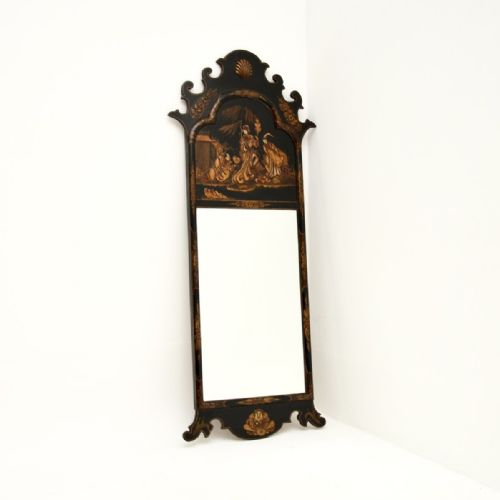
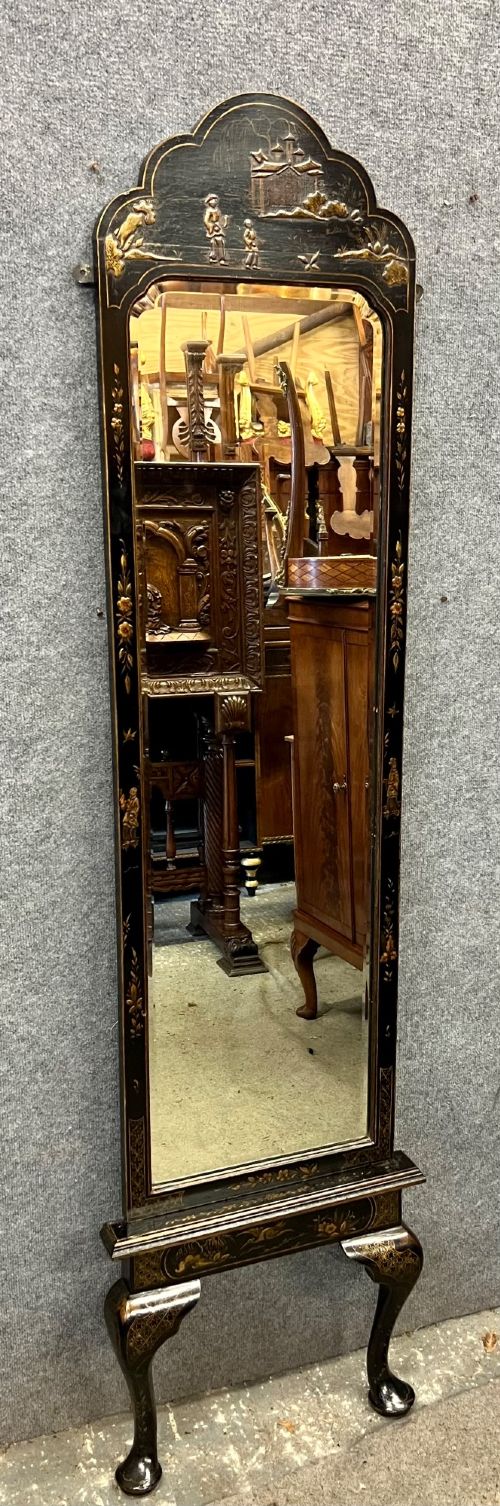
A black wall mirror unites several decorative traditions, most commonly appearing as Victorian ebonised and parcel-gilt frames, Chinoiserie lacquerwork, and deep-carved Black Forest wood.
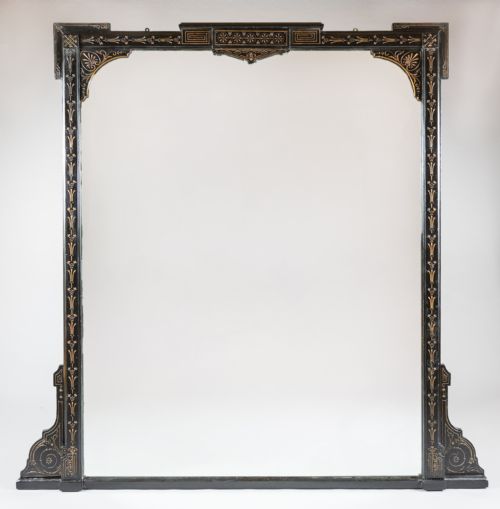
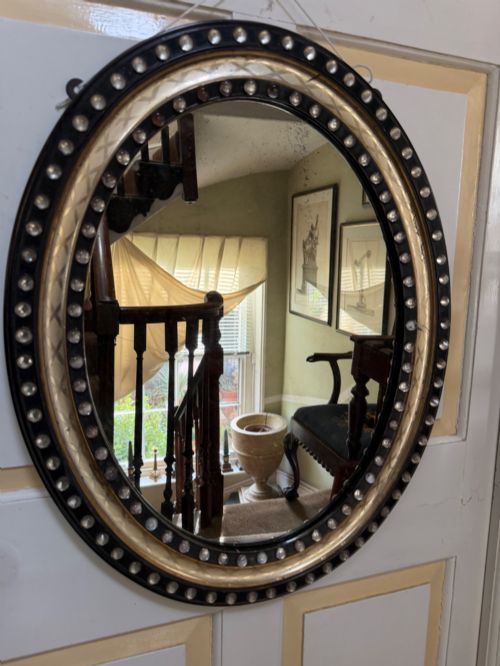
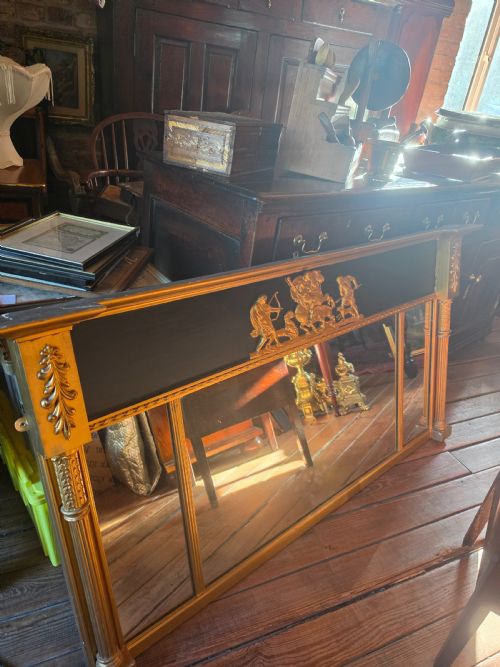
The selection ranges from large architectural overmantles designed for drawing rooms to smaller oval and rectangular wall mirrors, alongside occasional decorative pieces such as fairground distortion glass and girandoles.
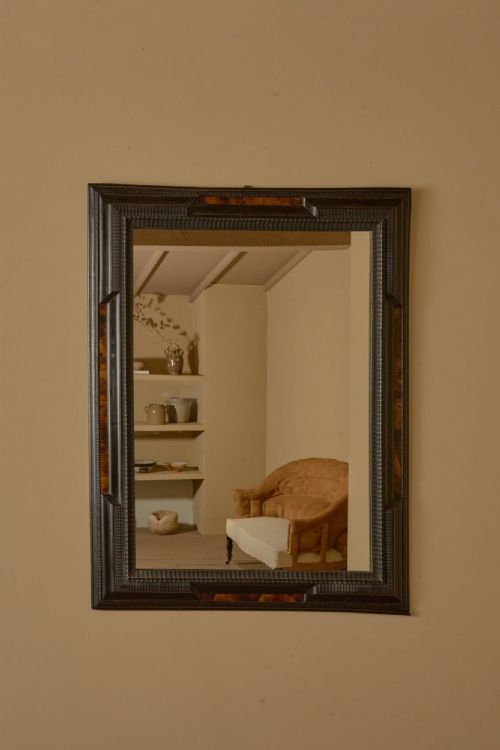
Buyers seeking this phrase encounter pieces spanning the nineteenth century through the early twentieth century, with distinct regional interpretations including French Empire, Italian faux tortoiseshell, and English japanned finishes.
How They Were Made
Makers utilised wood such as oak, linden, and walnut as structural foundations, shaping them through carving, fret-cutting, and turning.
Surfaces received dark treatments including ebonisation, black paint, and lacquer, frequently highlighted with gold leaf, parcel-gilt details, or brass mounts.
Reflective surfaces combine traditional mirror glass, bevelled plates, and reverse-painted panels set securely within rebated wooden frames.
Black Wall Mirror Retail Price Guide 2026
Typical asking prices for black wall mirror among the pieces listed under this phrase on Sellingantiques today, from the lower quarter to the upper quarter. They describe what is for sale here now, not the wider market.
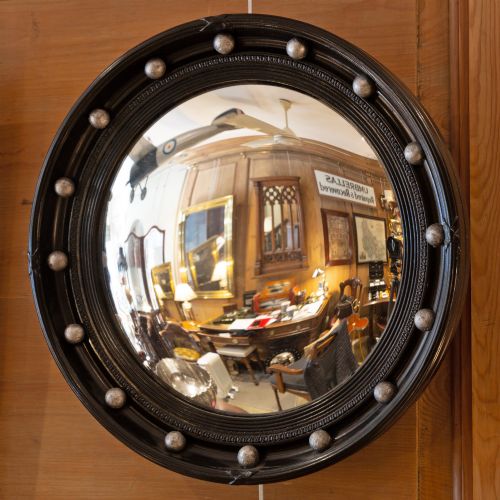
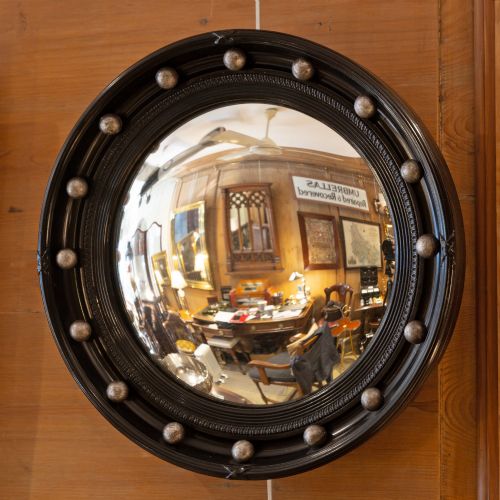
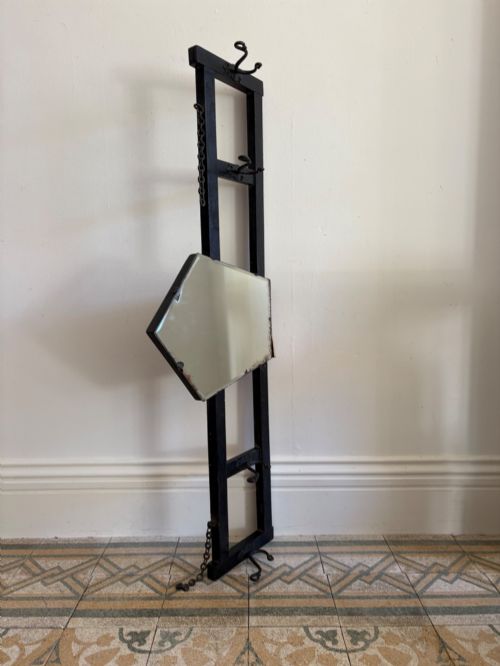
Among the serious antiques hide eccentric fairground fun house mirrors designed to warp reflections entirely.
What Varies in Quality
Quality rests in the depth and execution of the surface finish, distinguishing hand-applied japanning, genuine ebonisation, and delicate parcel-gilding from simpler painted treatments.
Carved elements demonstrate differing levels of crispness, where deep hand-chisseling on Black Forest walnut or oak shows superior artistry compared to soft moulding.
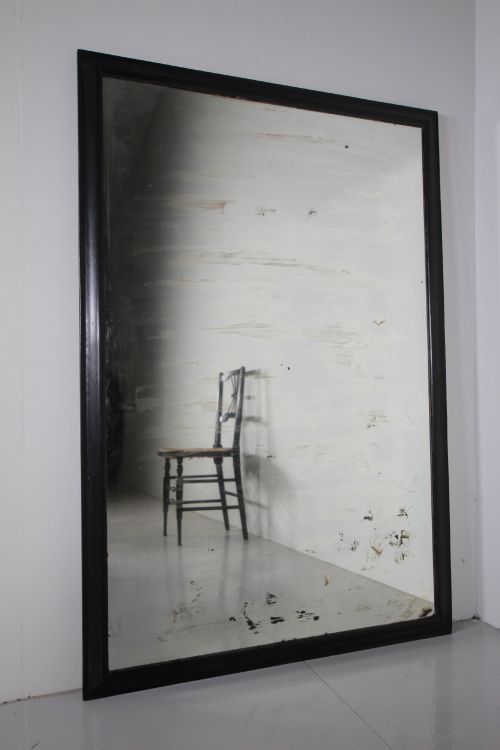
The integrity of the frame construction and the preservation of original mirror glass or silvering contribute significantly to the standing of each piece.
The Black Wall Mirror Glossary
- Ebonised
- Wood treated with chemical stains or dark pigments to imitate expensive ebony. This finish gained immense popularity during the Victorian period.
- Parcel-Gilt
- A decorative technique where specific raised portions of a frame are selectively gilded with gold leaf, contrasting against a dark ebonised background.
- Chinoiserie
- European interpretations of Chinese artistic motifs, frequently rendered in black lacquer with raised gold figures, pagodas, and landscapes.
- Overmantle
- A large mirror specifically proportioned to hang on the wall directly above a fireplace mantelpiece.
- Girandole
- A decorative wall mirror featuring attached candle sconces that reflect and amplify the candlelight.
Black Wall Mirror: Frequently Asked Questions
Where should I hang a black wall mirror?
These pieces suit positions above fireplaces, console tables, or as focal points in hallways where dark frames anchor neutral wall colours.
Larger overmantle versions work effectively to bounce light around reception rooms while adding period presence.
How do I identify a Victorian ebonised mirror?
Victorian examples typically feature heavy wooden frames finished with a dense black surface, often accented with gold leaf or incised detailing.
Construction details such as older backboards and heavy glass plates help confirm nineteenth-century origins.
What is Chinoiserie lacquer?
Chinoiserie lacquer involves layered dark varnishes decorated with hand-painted or gilt oriental scenes depicting figures, birds, and flora.
This technique was widely utilised during the Georgian and Edwardian eras on decorative wall mirrors.
How do I care for antique mirror glass?
Maintain the frame and glass using a dry microfiber cloth, avoiding harsh chemical cleaners that can damage aged finishes or silvering.
Protect the wood from direct sunlight and excessive moisture to preserve the ebonised or lacquered surfaces.