





Black Framed Glass Picture
A black framed glass picture brings together delicate reverse-painted details and silhouettes housed in dark wood or ebonised surrounds.
Black Framed Glass Picture
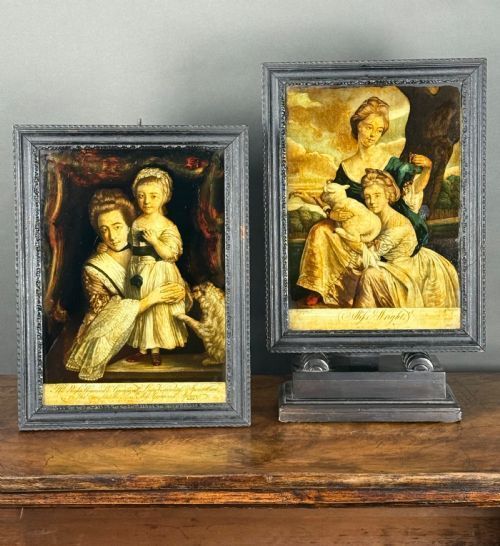
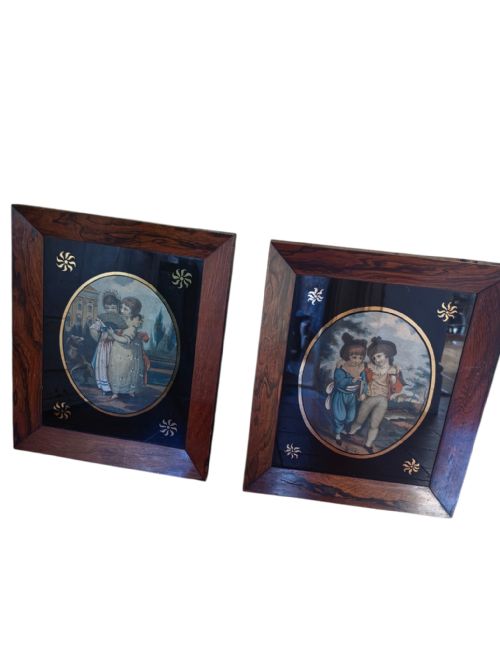
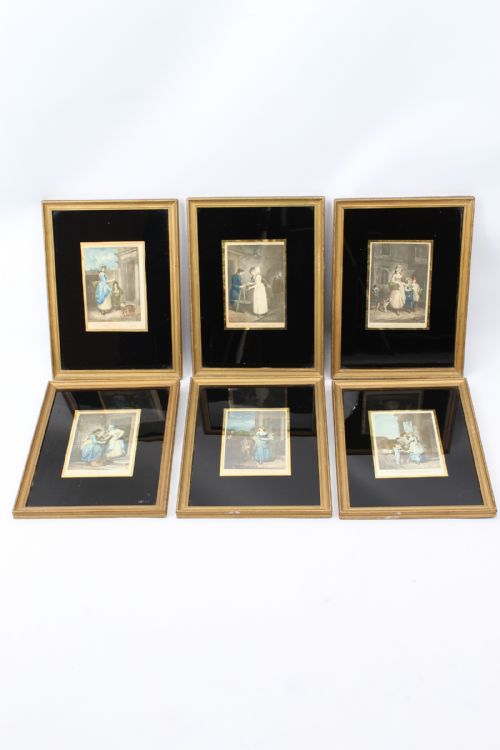
A black framed glass picture typically takes the form of an 18th century or 19th century reverse glass painting, mezzotint, or silhouette portrait. These works apply pigment, gold leaf, or print layers directly to the reverse of the glass panel, creating a glossy surface reflection.
The dark surrounds vary from ebonised wood to rosewood and original giltwood accents. You will frequently encounter Georgian and Regency examples depicting classical portraits, equestrian scenes, or allegorical figures.
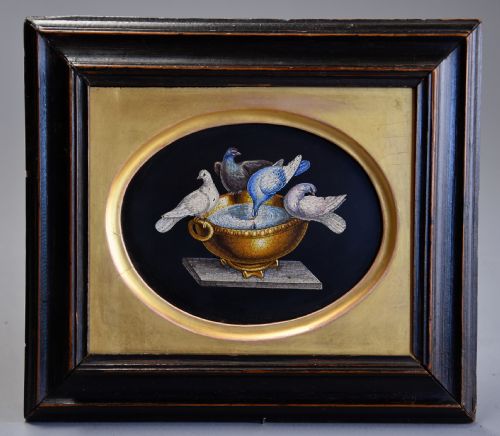
Makers often utilised silkwork embroidery or micromosaic plaques alongside the glass medium, mounted within narrow moulded frames. The combination of black framing and reflective glass gives these historical wall art pieces a distinct visual depth.
Factors determining the quality of execution
Quality rests upon the preservation of the pigment and the clarity of the reverse glass medium. Fading, flaking paint, or moisture trapped behind the glass lower the visual impact of the work.
The integrity of the frame matters significantly, particularly where original ebonised wood or giltwood mouldings remain intact. Pieces featuring finely detailed silhouette painting or delicate hand-colouring demonstrate superior craftsmanship.
Current listings span the 17th, 18th, and 19th centuries, incorporating glass, paper, wood, giltwood, pigment, gold leaf, ebonised wood, and paint.
Sebastiaan Vrancx·Fletcher·Robert Sayer·John Miers·Abraham Cooper·Henry Corbould
The Black Framed Glass Picture Glossary
- Reverse glass painting
- A technique where the artist paints directly onto the back of a glass sheet so the final image is viewed through the front. This method protects the pigment from dust and environmental wear.
- Mezzotint
- A printmaking process of the intaglio family where tones are created by roughening the copper plate with a rocker. It allows for rich dark areas and subtle gradations well suited to portraits.
- Ebonised wood
- Timber treated with chemical stains or dark finishes to imitate costly ebony. It provides the deep black border seen on many 19th century frames.
- Silhouettes
- Solid dark profile portraits cut from paper or painted onto glass or card. They gained popularity during the Georgian and Regency periods for recording likenesses efficiently.
Black Framed Glass Picture: Frequently Asked Questions
How do I clean a reverse glass picture?
Dust the exterior frame gently with a dry, soft cloth without applying pressure to the glass surface. Avoid spraying liquids directly onto the frame because moisture can seep behind the glass and damage the pigment.
Keep the piece away from direct sunlight to prevent the underlying pigments, paper, and silkwork elements from fading over time.
Are these frames original to the pieces?
Many examples retain their period ebonised wood, rosewood, or giltwood frames, which show appropriate wear consistent with age. Inspect the joins and backing boards to understand the history of the assembly.
Replacement frames occasionally occur due to centuries of handling, so checking the fit between the glass and the rebate helps confirm authenticity.
What subjects appear most frequently?
Portraits of historical figures, gentlemen hunters, and children dominate the selection alongside classical equestrian scenes and allegorical representations of the seasons.
Topographical views and domestic employment themes also feature among the 18th century and 19th century prints housed behind glass.
How can I tell a print from a painting on glass?
A reverse glass painting displays visible brushstrokes and direct pigment application under magnification. Mezzotints and prints show stippled ink patterns or fine engraved lines transferred to the glass surface.
Examining the edges of the design reveals whether ink was mechanically applied or laid down by hand with a brush.