


Regency Reverse Glass
Regency reverse glass pieces bring together delicate hand-painting, etching, and mirrors that capture Georgian and nineteenth-century portraiture and naval history.
Regency Reverse Glass
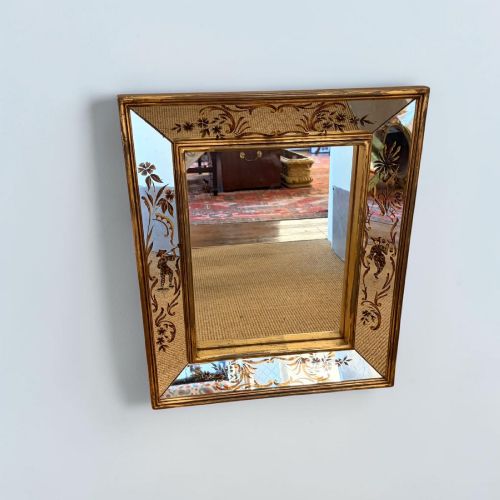
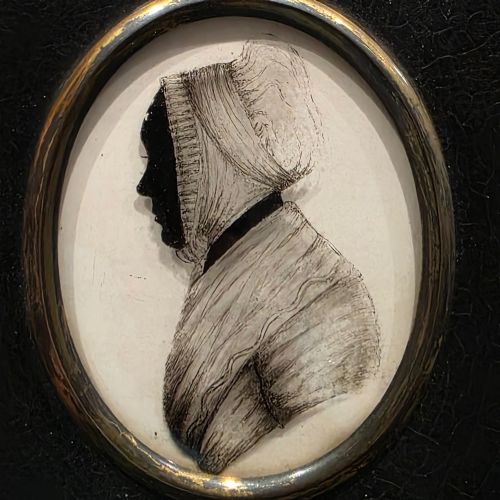
When you search for regency reverse glass, you encounter a distinct group of decorative objects made during the Georgian and Regency periods. The selection includes wall mirrors featuring verre eglomisé panels, portrait miniatures, silhouettes painted on glass, and printed or engraved scenes.
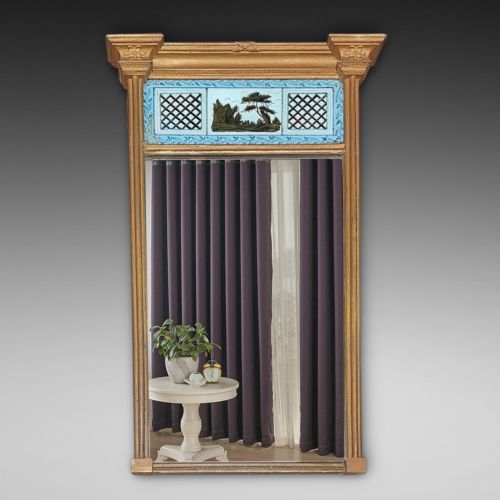
Most pieces date from the early nineteenth century and reflect the tastes of the Regency era. You are likely to meet pier mirrors with glass panels set above the main glass, alongside framed prints depicting naval engagements, royal figures, and allegorical subjects.
How they were made
Maker applied paint, ink, or gold leaf directly to the reverse side of a glass sheet, working in reverse so the final image appeared correctly when viewed from the front. Frames were constructed from wood, maple, tortoiseshell, or carved giltwood, often housing mirror glass or paper elements beneath the decorated surface.
Techniques varied between freehand silhouette painting, reverse engraving, and applied lithograph prints. Giltwood pier mirrors frequently incorporated verre eglomisé panels at the top section, while miniature portraits utilised fine detail and colour behind flat glass.
Queen Caroline appears multiple times in the records, capturing a very specific moment of Regency royal gossip on glass.
What varies in quality
The standard of a regency reverse glass piece rests on the precision of the reverse painting or engraving and the preservation of the delicate pigment behind the pane. Finer examples display meticulous brushwork in portraits like Mrs Grace Williams or intricate detail in naval battle scenes.
Frame construction and material selection also define the grade of the work. Pier mirrors with carved giltwood and maple frames represent higher levels of craftsmanship, whereas simpler mounted prints or standard boxes show more modest execution.
The Regency Reverse Glass Glossary
- Verre eglomise
- A process of cold gilding and painting on the reverse side of glass to create a metallic, reflective panel. This technique frequently appears on the upper sections of Regency pier mirrors.
- Trumeau
- A wall mirror paired with a painted or decorated panel above the glass. In Regency pieces, this upper panel often contains a reverse glass print or eglomisé decoration.
- Silhouette
- A solid profile portrait filled in with dark pigment or cut from paper. The evidence includes examples painted directly onto glass with added colour.
- Chrystoleum
- A method of applying a hand-coloured print to the inside of a convex glass and rubbing away the paper backing to leave transparent pigments. This technique appears in nineteenth-century court scenes.
- Pier mirror
- A tall wall glass designed to hang on the pier wall between windows. These mirrors often incorporate divided sections with reverse glass prints or paintings at the top.
Regency Reverse Glass: Frequently Asked Questions
What is a reverse glass print?
A reverse glass print is an image transferred or painted onto the back of a glass sheet so the viewer sees the correct orientation from the front. Artisans applied inks, paints, or metallic leaf directly to the rear surface during the Georgian and Regency periods.
This method protected the delicate pigments from dust and fading while producing a glossy, luminous finish. Subjects ranged from royal portraits to naval battles and allegorical scenes.
How do you date regency glass pieces?
Dating relies on the frame style, subject matter, and the specific materials used in construction. Pieces from the Regency era often feature carved giltwood frames, maple wood, or specific historical figures like Queen Caroline and Napoleon.
Inscribed dates on items such as silhouette miniatures or painted pictures provide direct confirmation of their period. Comparing the framing technique with nineteenth-century mirror styles also helps determine the age.
Where were these mirrors hung?
Pier mirrors were designed to hang on the narrow wall space between two windows in a formal room. The glass panels helped reflect natural light back into the interior during daylight hours.
The upper section often held a reverse glass painting or print, drawing the eye upward while the lower mirror served a practical reflective purpose.
How do I clean a reverse glass painting?
Cleaning requires extreme caution because the paint or print sits unprotected on the rear of the glass panel. Moisture or harsh cleaning agents can easily seep behind the glass and damage the fragile pigments.
Use a dry, soft cloth for the front glass surface only and avoid touching the edges where the sealed backing meets the frame.