

Asian Antiques Cloisonne
When you search for asian antiques cloisonne, you enter a world of metal vessels and chargers defined by wire cells and coloured enamel.
Asian Antiques Cloisonne
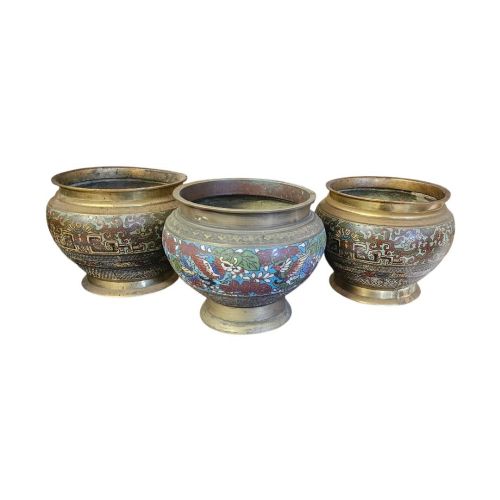
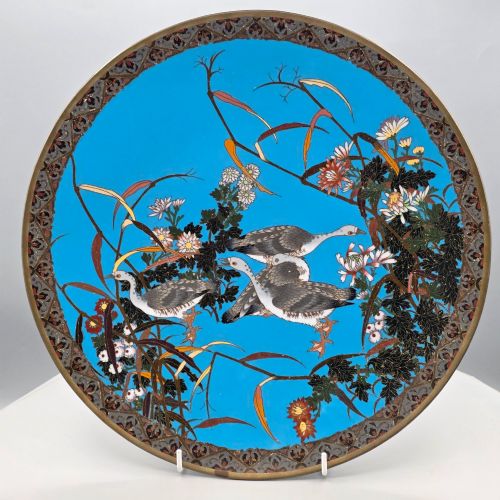
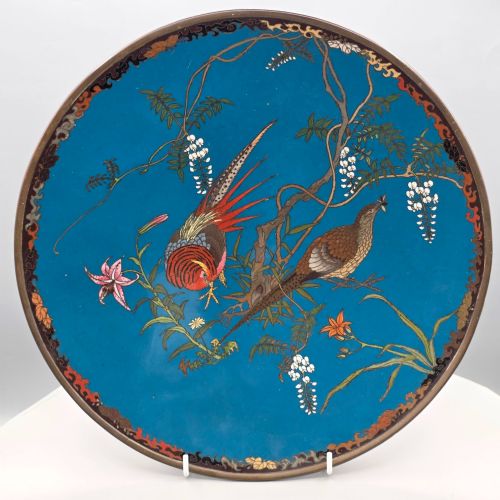
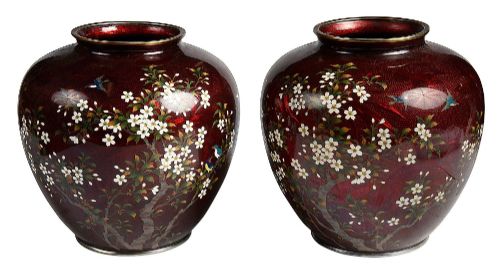
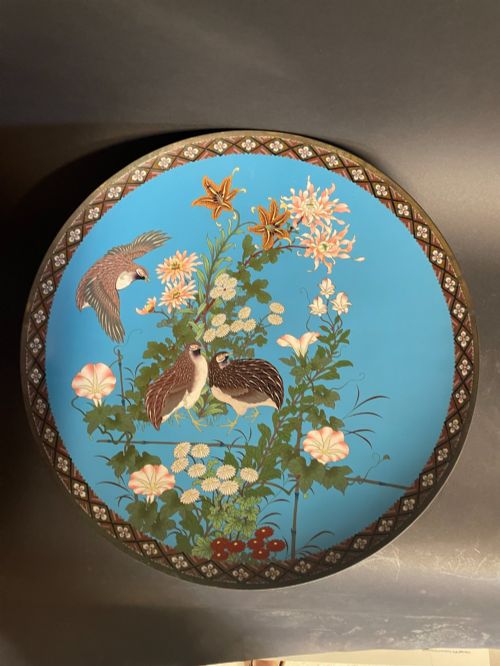
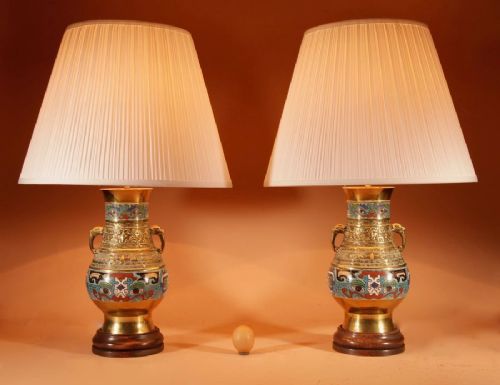
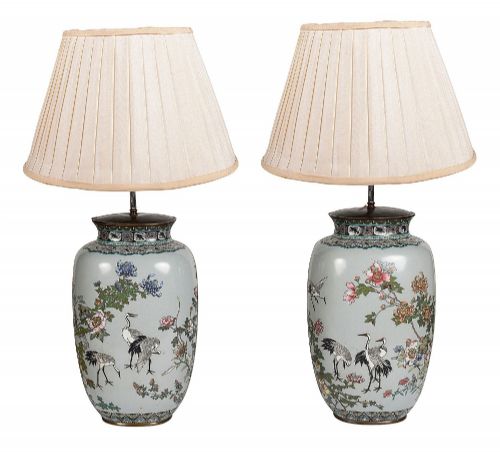
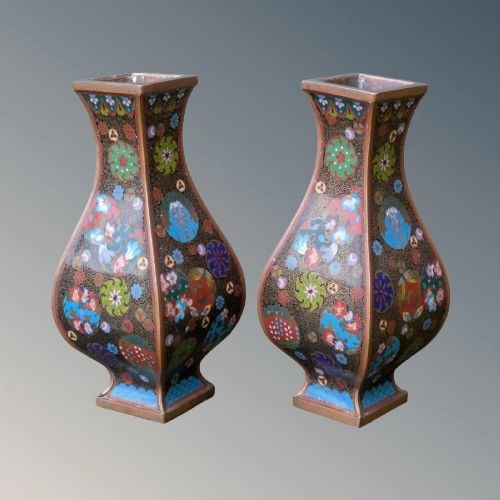
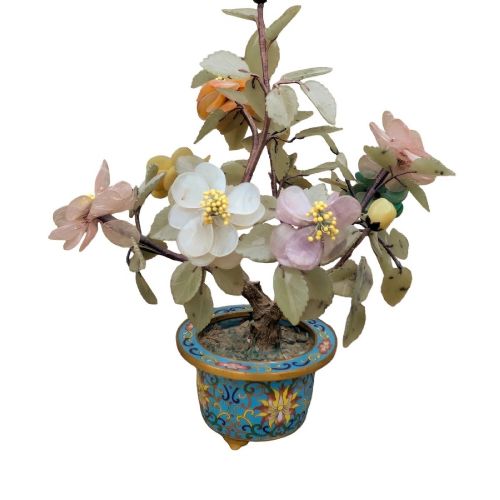
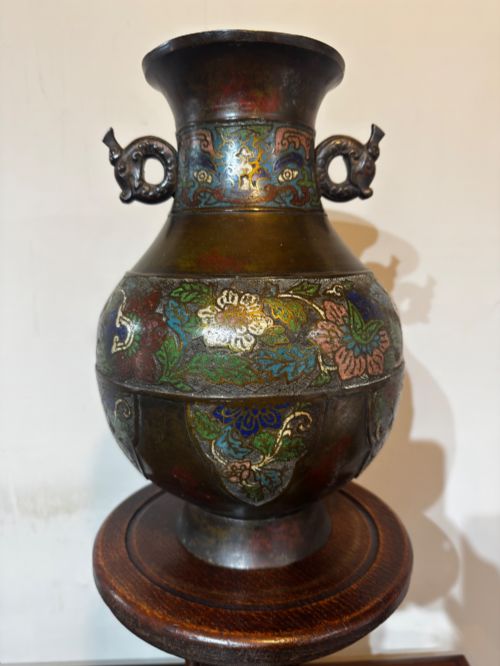
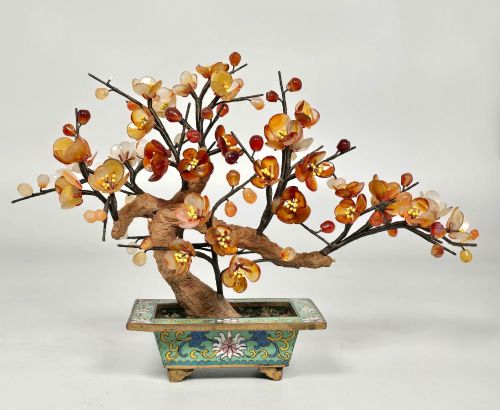
Asian antiques cloisonne encompass vessels, chargers, and plates created in China and Japan during the nineteenth and early twentieth centuries. The selection here leans heavily towards Japanese chargers and pairs of vases originating from the Meiji period.
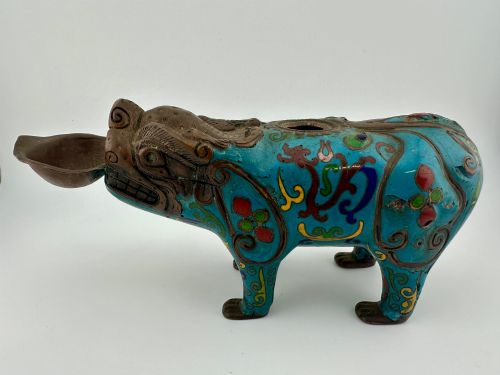
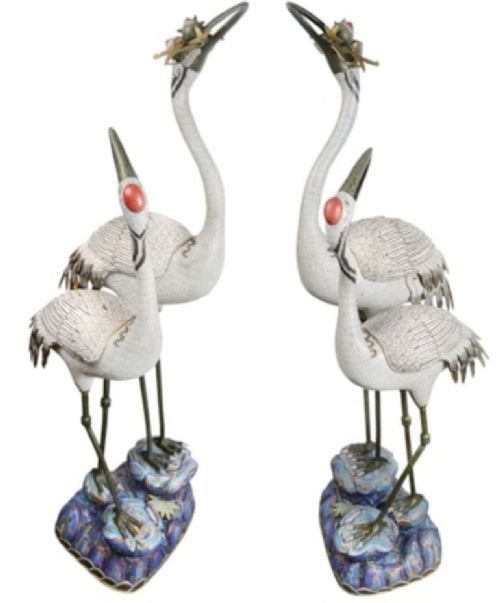
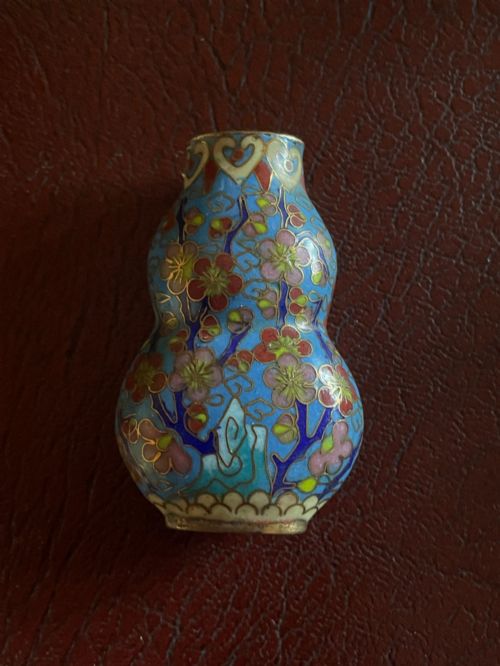
Buyers encounter items ranging from miniature vases and lidded gourd pots to large decorative plates depicting birds, dragons, and figures. These objects serve primarily as decorative works of art rather than utilitarian household items.
Materials and construction
Artisans built these pieces using a foundation of bronze, copper, or brass, shaping them into vases, censers, and shallow dishes. They soldered fine metal wire onto the metal base to create raised compartments known as cloisons.
Workers then filled these individual cells with vitreous enamel paste before firing the metal body in a kiln. Once cooled, the surface was ground down and polished until the metal wire framing and the coloured enamel sat on a smooth plane.
Materials recorded across the inventory include enamel, copper, brass, bronze, fabric, wood, and brass wire.
Judging the quality of cloisonne
Quality rests upon the fineness of the wirework and the discipline of the enamel filling. Finer, thinner wires demand greater skill from the artisan and allow for more intricate pictorial designs.
The density and purity of the coloured enamel fields also distinguish standard production from exceptional output. Pieces with uniform polishing and minimal pitting across the metal and enamel surface represent the upper tier of the craft.
Kinkozan
The Asian Antiques Cloisonne Glossary
- Cloisonne
- Enamelwork in which coloured pastes are separated by thin metal wires soldered to a metal base. This technique creates complex patterns bounded by delicate metal outlines.
- Champleve
- An enamelling technique where troughs or cells are hollowed out of the thick metal base rather than built up with soldered wires. The recessed areas are then filled with enamel before firing.
- Charger
- A large decorative plate or dish intended for display on a wall or stand rather than for serving food. These items often feature elaborate pictorial scenes across the wide centre.
- Meiji Period
- A Japanese historical era lasting from 1868 to 1912, noted for a massive expansion of decorative arts exported to Western markets. Pieces from this time frequently display exceptional technical refinement.
- Censer
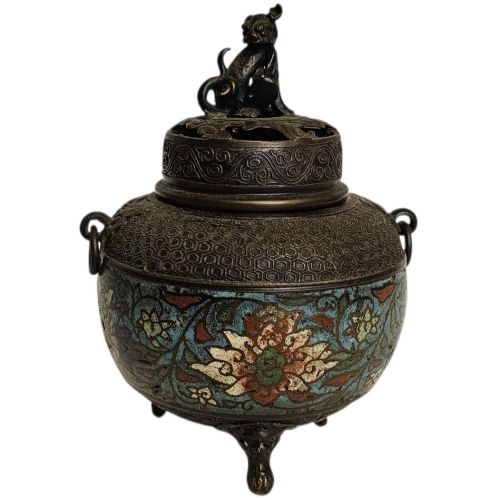
- A vessel designed for burning incense, typically featuring a tripod base and a pierced lid. In bronze and cloisonne, these often take the form of mythical beasts or lions.
Asian Antiques Cloisonne: Frequently Asked Questions
How do I display a large charger safely?
Large chargers require sturdy wall mountings designed specifically for heavy plates, or deep display stands that support the curved rim securely.
Keep them away from direct sunlight to protect the coloured enamels from fading over long periods.
Are these vases suitable for holding water?
Most antique cloisonne vases are intended purely for display and may have delicate interior seams or porous bases that do not retain water safely.
Use them dry for display or insert a separate small glass tube inside if you wish to hold fresh stems.
How should I clean antique cloisonne?
Dust the surface gently with a soft, dry brush or microfiber cloth to prevent dirt from settling into the fine wire boundaries.
Avoid liquid cleaners, chemical polishes, or soaking, as moisture can damage the aged metal and enamel matrix.
What is the difference between Chinese and Japanese pieces?
Chinese cloisonne often utilises heavier bronze or brass bases with deep, rich colour palettes and formal archaic motifs.
Japanese Meiji examples frequently showcase exceptionally fine wirework depicting naturalistic subjects like birds, flowers, and landscapes with photographic realism.