


Japanese Metalwork Plate
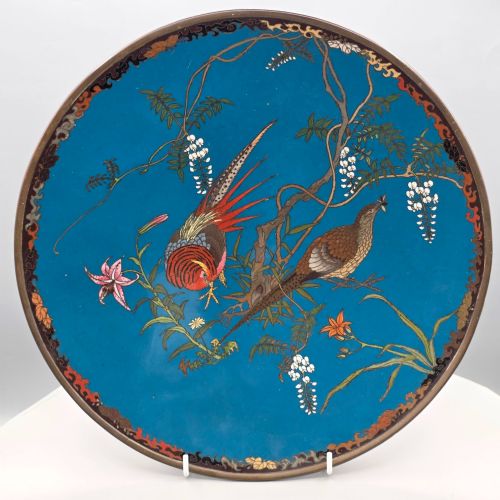
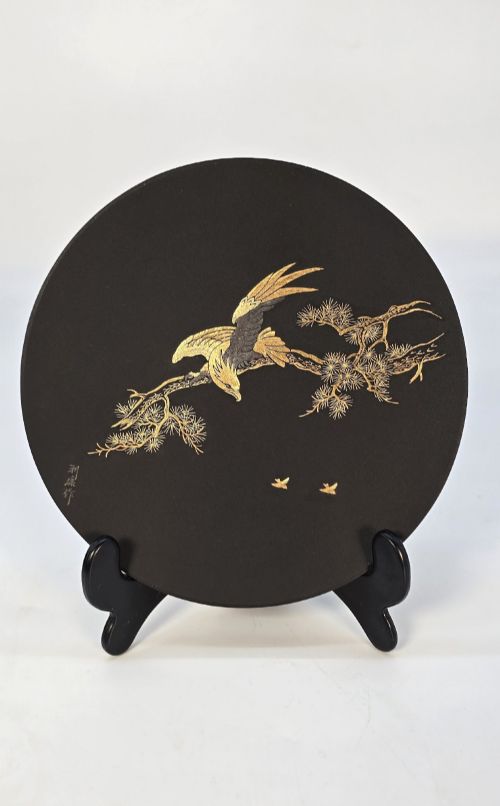
A Japanese metalwork plate delivers masterwork enamel and mixed-metal inlay from the Meiji period.
Japanese Metalwork Plate
A Japanese metalwork plate encompasses decorative chargers, plaques, and trays created across the late Edo, Meiji, and Taisho periods. Collectors encounter large chargers and dishes dominated by imagery of dragons, phoenixes, birds, and auspicious symbols.
The objects stem predominantly from the nineteenth century, with many examples bearing the distinctive aesthetic of the Meiji era. These pieces function primarily as decorative wall plaques or centrepieces rather than tableware.
How they were made
Artisans built these works upon rigid foundations of copper, iron, or brass, shaping them into wide plates and deep chargers. Iron plaques received intricate hammering and patination before receiving fine inlays of gold and silver.
Cloisonne examples utilise delicate brass wire soldered to the metal base to form intricate cells, which were then filled with coloured enamel pastes. Firing and polishing these glass pastes produced smooth, gleaming decorative surfaces depicting complex natural scenes.
Owls peer out from metalwork plates alongside majestic Mount Fuji, proving that Victorian artisans appreciated feathered night-watchmen as much as mythic dragons.
What varies in quality
The refinement of the wirework and the control of the enamel distinguish standard output from masterwork pieces. Superior chargers display microscopic cell work and flawless colour gradients that create convincing feathers, scales, and atmospheric backgrounds like Mount Fuji.
Mixed-metal examples rely on the precision of the inlay and the depth of the iron patination to establish artistic merit. Signed works often demonstrate superior execution, showing deliberate compositional balance across larger surfaces.
Kinkozan
The Japanese Metalwork Plate Glossary
- Charger
- A large ornamental plate designed for display rather than dining use. These substantial pieces provide a wide canvas for complex pictorial scenes.
- Cloisonne Enamel
- A decorative metalwork technique where thin wire partitions form cells to hold vitreous enamel pastes. This method allows artisans to delineate crisp outlines in multi-coloured designs.
- Meiji Period
- The historical Japanese era spanning from 1868 to 1912, known for intense artistic production and international export. Metalwork from this time achieved remarkable technical complexity.
- Komai Style
- A distinctive method of iron inlay originating from Kyoto, utilising fine gold and silver threads hammered into cross-hatched surfaces. Pieces in this manner show dark patinated iron contrasting with precious metals.
- Ho-o Bird
- The mythical East Asian phoenix frequently depicted in Japanese decorative arts. It symbolises virtue, grace, and imperial authority.
Japanese Metalwork Plate: Frequently Asked Questions
How do I display a large Japanese metalwork plate?
Heavy chargers and decorative plaques require sturdy wall brackets or specialised plate stands designed to support substantial weight safely. Placing them away from direct sunlight protects the delicate enamel colours from fading over time.
Secure mounting is essential because many nineteenth-century chargers possess considerable heft due to their thick copper bases and dense enamel layers.
What subjects appear on these metalwork plates?
Common motifs include ascending dragons, ho-o birds, phoenixes, leaping koi, and natural landscapes featuring Mount Fuji. Artisans also incorporated auspicious symbols, Buddhist figures, and specific birds such as owls, ibises, and herons.
These subjects draw heavily from traditional Japanese mythology and the observation of the natural world during the Meiji and late Edo periods.
How do I clean an antique cloisonne plate?
Dusting gently with a soft, dry microfibre cloth suffices for routine maintenance of enamel and metal surfaces. Liquid cleaners and harsh chemical agents must be avoided entirely, as moisture can infiltrate hairline fractures or corrode exposed base metals.
Professional conservation advice should be sought if an object requires deeper intervention or shows structural instability in the wire cells.
Are these metalwork pieces signed by the makers?
Selected high-quality chargers and trays feature artist signatures or workshop marks embedded directly into the base or enamel ground. These signatures often appear on pieces originating from prominent manufacturing centres during the Meiji period.
Unsigned examples remain common and frequently match signed works in technical execution and artistic merit.