
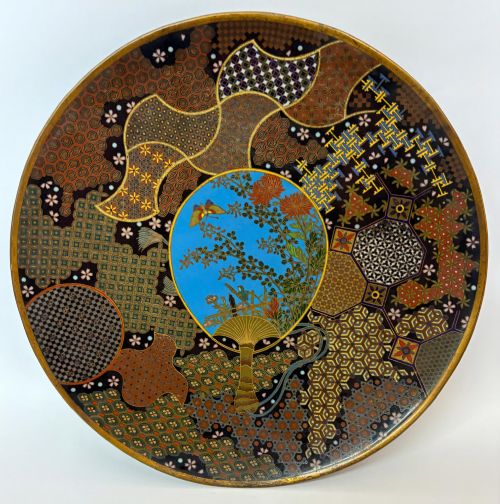


Cloisonne Decorative Dish
When you select a cloisonne decorative dish, you acquire a finely wired metallic vessel displaying intricate glass enamel motifs from the nineteenth century.
Cloisonne Decorative Dish
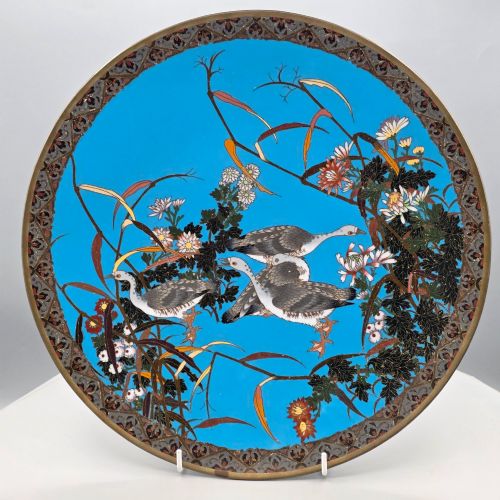
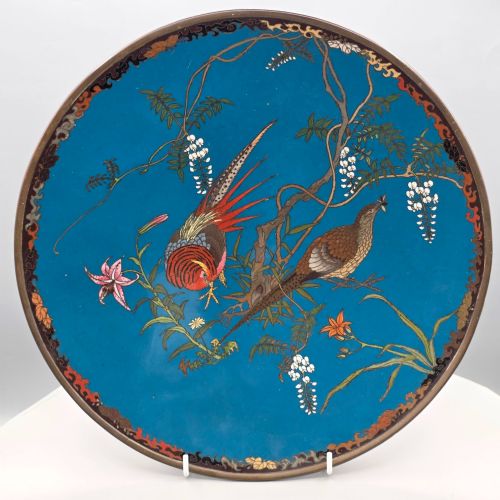
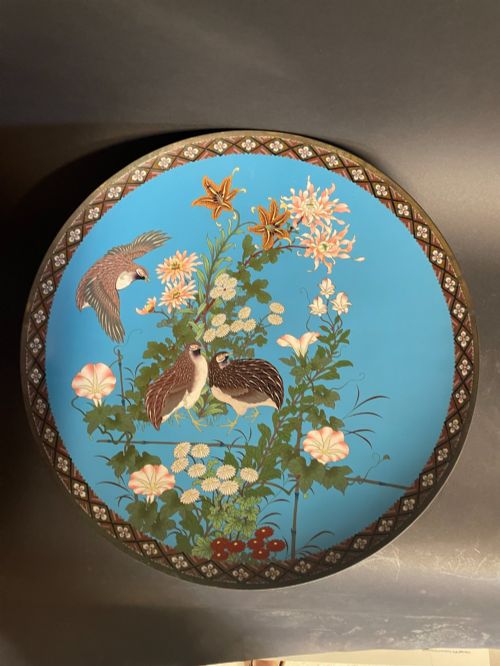
A cloisonne decorative dish typically takes the form of a large charger, shallow plate, or wide tray created during the nineteenth century. Japanese Meiji and Edo periods dominate the selection alongside Qing Dynasty Chinese examples.
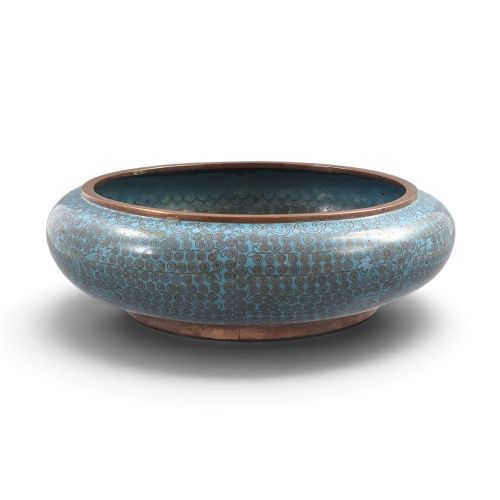
Makers shaped these items as deep bowls, square trays, and expansive wall plates decorated with natural subjects and mythological creatures. Geese, dragons, phoenixes, and blooming flowers frequently cover the surfaces.
The objects serve as striking display pieces that highlight historic metalwork and vitreous enamelling techniques. Collectors encounter various formats ranging from modest dishes to massive chargers spanning fifty centimetres.
What Varies in Quality
The precision and fineness of the wirework dictate the visual sophistication of a cloisonne decorative dish. Tightly arranged, intricate wires demand greater skill than sparse designs and allow for more detailed pictorial representation.
The clarity and depth of the enamel fields distinguish standard production from exceptional examples. Skilled enamellers achieved subtle colour gradients and unblemished surfaces across complex motifs like leaping koi and sprawling dragons.
The inventory spans eighteenth-century Qing Dynasty plaques to late Meiji Japanese chargers and trays.
Kinkozan
The Cloisonne Decorative Dish Glossary
- Cloisonne Enamel
- A decorative metalwork technique utilising soldered wire partitions filled with coloured glass paste. The wires create individual cells that keep different enamel colours separated during the high-temperature firing process.
- Charger
- A large ornamental plate or shallow dish intended for display rather than dining. These substantial pieces frequently measure over thirty centimetres across and showcase ambitious pictorial designs.
- Totai Shippo
- Japanese porcelain ware decorated using cloisonne enamel techniques over a ceramic body. This specialised method combines traditional pottery shapes with wired enamel decoration, often mimicking textured tree bark.
- Meiji Period
- The era of Japanese history spanning from eighteen sixty-eight to nineteen twelve, noted for exceptional craftsmanship in metalwork. Enamelling reached new technical heights during this time with the creation of highly detailed chargers and trays.
- Ho-o Bird
- A mythological phoenix symbolising virtue, grace, and imperial authority in East Asian art. Artisans frequently depicted these legendary creatures with ornate tail feathers on nineteenth-century chargers.
Cloisonne Decorative Dish: Frequently Asked Questions
What is a cloisonne decorative dish?
A cloisonne decorative dish is a metal plate, bowl, or tray decorated with soldered wires and coloured glass enamels. These items were produced primarily in Japan and China during the nineteenth century.
Artisans created intricate pictorial designs featuring birds, dragons, and flowers. Each piece functions as an ornamental display item rather than practical tableware.
How do I date a cloisonne dish?
Dating relies on stylistic clues, materials, and historical production periods visible in the object. Nineteenth-century examples often feature specific Japanese Meiji or Edo characteristics alongside distinct wire patterns.
Changes in colour palettes and manufacturing techniques across the decades help collectors narrow down the origin. Marked pieces or particular workshop signatures provide further historical context.
Where were these dishes made?
These decorative vessels originate predominantly from Japanese workshops active during the Meiji and late Edo periods. Chinese manufacturing centres such as Beijing also produced notable pieces like scholar brush washers during the nineteenth century.
Export markets drove the widespread creation of large chargers and trays for international buyers. Regional techniques varied between Japanese provinces like Nagoya and major production hubs in China.
How should I display my dish?
Displaying a charger or plate safely requires a sturdy stand designed to support the weight of metal and enamel objects. Placing items away from direct sunlight protects the vibrant glass colours from fading over time.
Wall mounting is another option for larger chargers provided the hanging hardware secures the rim properly. Gentle dusting maintains the polished finish without scratching the delicate wire grid.