

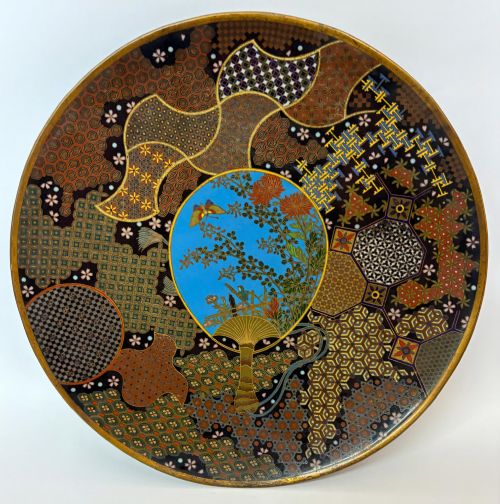


Meiji Cloisonne Enamel
Meiji cloisonne enamel represents a pinnacle of decorative metalwork, bringing intricate avian and floral motifs into fine nineteenth-century interiors.
Meiji Cloisonne Enamel
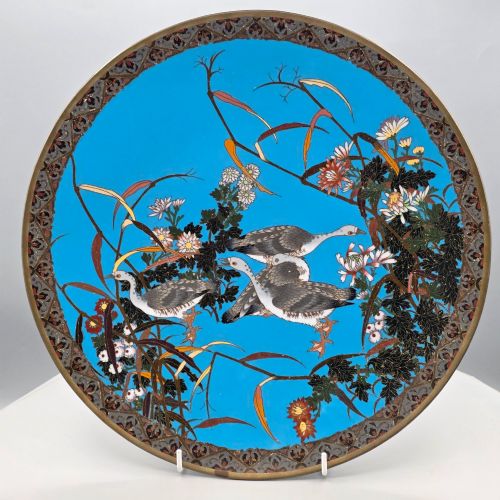
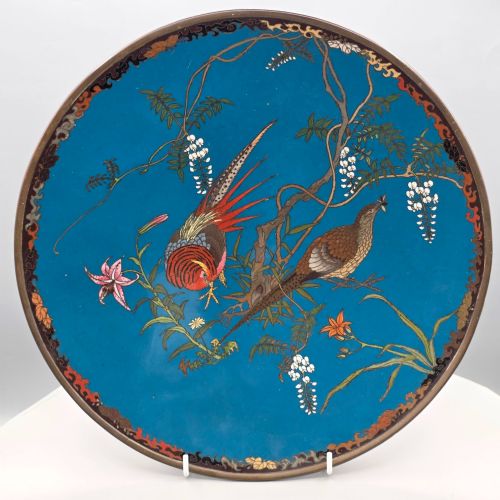
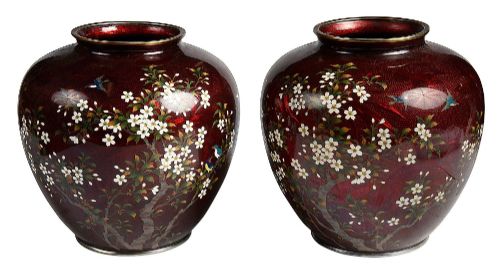
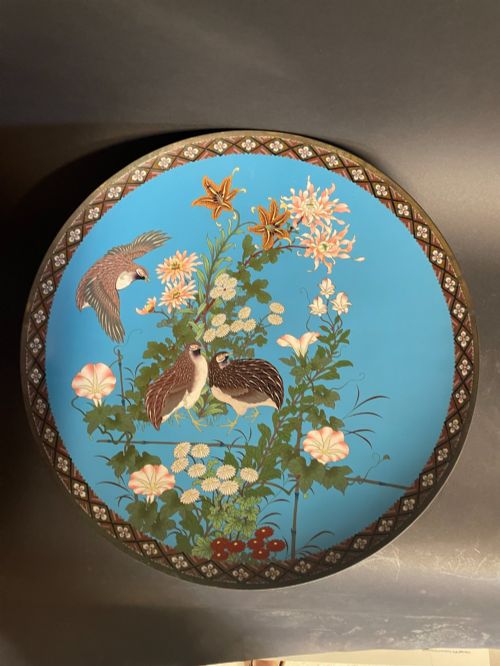
Meiji cloisonne enamel comprises decorative chargers, vases, and dishes produced during the Japanese Meiji period and subsequent Taisho eras. These items display vibrant depictions of nature, including geese, chrysanthemums, dragons, and Mount Fuji, rendered through meticulous wirework. A buyer typically encounters chargers, plates, and lidded jars spanning the late nineteenth and early twentieth centuries.
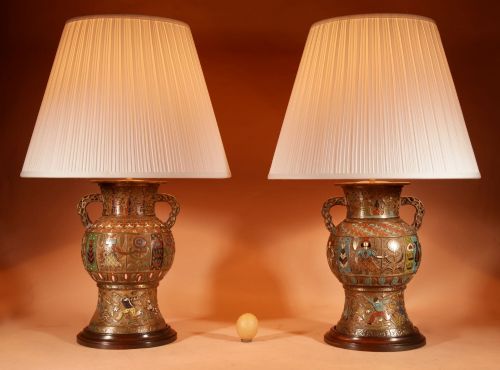
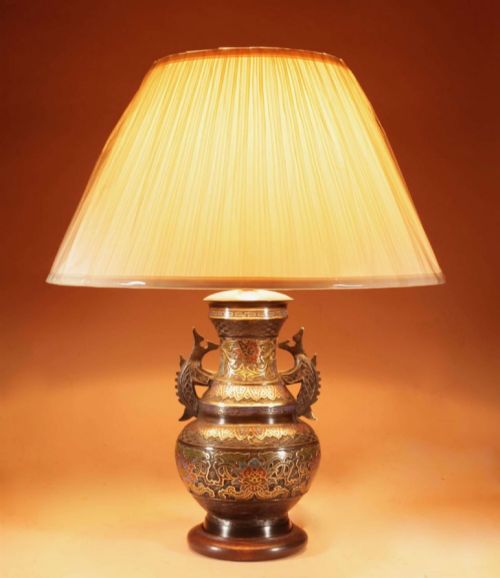
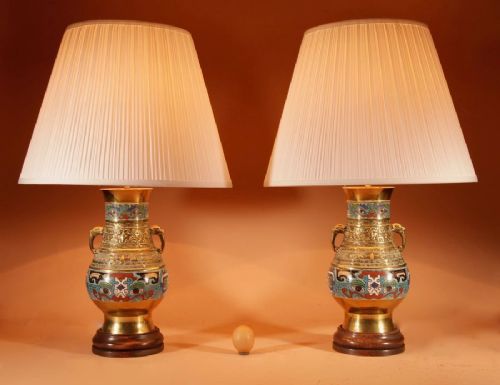
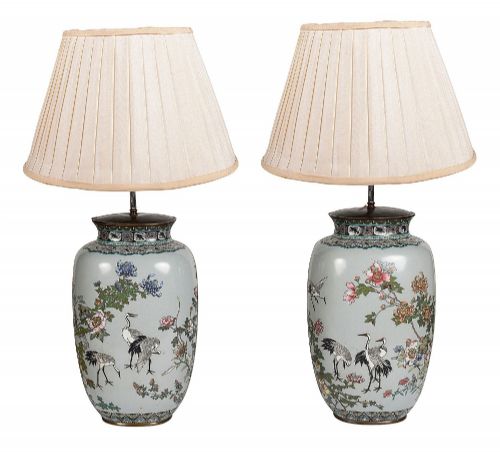
Vessels and wall pieces often take specific forms such as octagonal trays, square trays, and hanging boat koro, alongside converted table lamps. Porcelain bodies covered in cloisonne tree bark, known as Totai Shippo, also appear among the selections. The predominant aesthetic draws from traditional Japanese iconography, merging natural subjects with complex geometric or floral borders.
Materials and construction
Artisans constructed these pieces using copper, brass, or bronze as a foundation, shaping them into vases, chargers, and boxes before applying the surface design. Fine metal wires, including silver wire in specific examples, were soldered onto the base to form individual compartments or cells known as cloisons.
Coloured enamel pastes filled these tiny wire cells before the objects underwent high-temperature firing and intensive polishing. Specialised techniques such as ginbari and basse-taille introduced textured foils beneath translucent enamel layers, creating depth and luminosity within the finished panels.
Listings feature items spanning the decades from eighteen seventy to nineteen thirty, incorporating copper, brass, bronze, and porcelain.
Assessing quality and execution
Quality rests upon the fineness of the wirework and the discipline of the cell division, where narrower wires and tighter patterns denote superior craftsmanship. The complexity of the subject matter, from standard floral arrangements to elaborate multi-figure samurai scenes or leaping koi, dictates the level of artisan skill involved.
Surface finish and colour transition further distinguish standard production from masterworks. Flawless polishing, absence of pitting in the vitreous enamel, and the presence of artist signatures or factory marks indicate higher tiers of period production.
Ando Jubei
The Meiji Cloisonne Enamel Glossary
- Cloisonne
- A decorative metalwork technique where fine wires form cells to hold coloured enamel pastes. This method allows for precise pictorial designs across vases and chargers.
- Shippo
- The Japanese term for cloisonne enamel, literally translating to seven treasures. It encompasses traditional enamelware traditions across various metal and porcelain foundations.
- Totai Shippo
- Enamel applied over a porcelain body rather than traditional metal bases. This technique often mimics organic textures such as tree bark.
- Ginbari
- A Japanese foiling technique used beneath translucent enamel. It adds reflective depth and patterned texture to the coloured ground.
- Koro
- A traditional Japanese incense burner. These vessels often feature pierced lids and decorative handles.
Meiji Cloisonne Enamel: Frequently Asked Questions
How do I clean meiji cloisonne enamel?
Dust these surfaces gently using a soft, dry cloth to protect the delicate wire boundaries and polished enamel glaze.
Avoid liquid cleaners, chemical polishes, and immersion in water, as moisture can infiltrate any exposed metal or older joints.
Can I use these chargers on walls?
Many larger chargers and plates were manufactured with display in mind, though appropriate hanging hardware must be selected with care.
Ensure any wall mount distributes the weight evenly across the rim without exerting pressure on the enamel body.
What is the difference between meiji and taisho pieces?
Meiji period items date from eighteen sixty-eight to nineteen twelve, typically showing traditional motifs and rigorous wire execution.
Taisho period works follow immediately after, carrying forward similar techniques into the early twentieth century with subtle shifts in palette and form.
How do I identify silver wire cloisonne?
Silver wire work reveals itself through fine, bright silver outlines that separate the enamel fields rather than standard brass or copper strips.
This refined wiring often accompanies advanced techniques like ginbari, producing a distinct shimmer beneath translucent red or coloured enamels.