




Art Deco Tea Table
When you search for an art deco tea table, you seek practical surface space paired with the geometric lines and rich timber grains of the period.
What an art deco tea table is
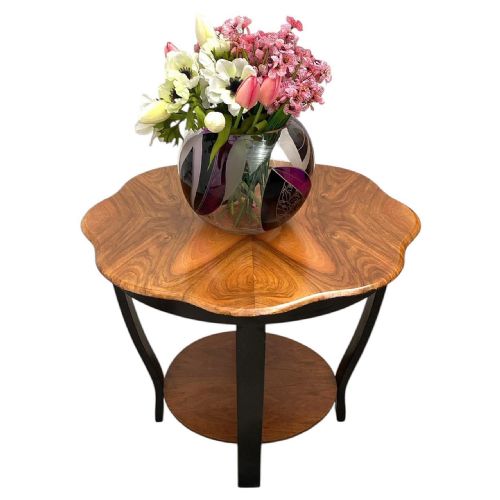
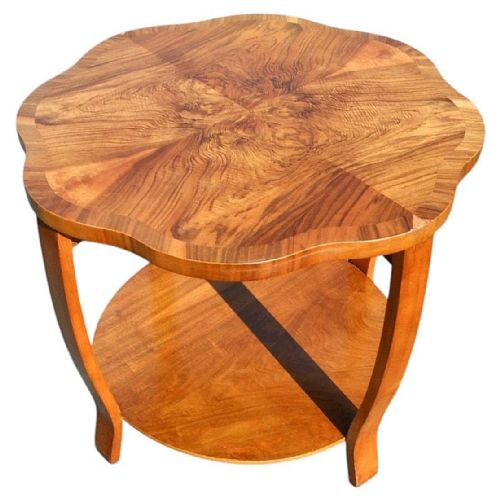
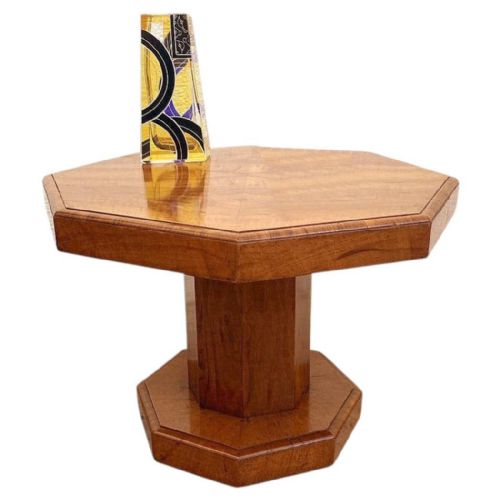
An art deco tea table is typically encountered as a coffee table or a low serving surface dating from the nineteen twenties and nineteen thirties. These pieces provide low proportions designed for reception and lounge spaces, often adopting circular or rectangular forms.
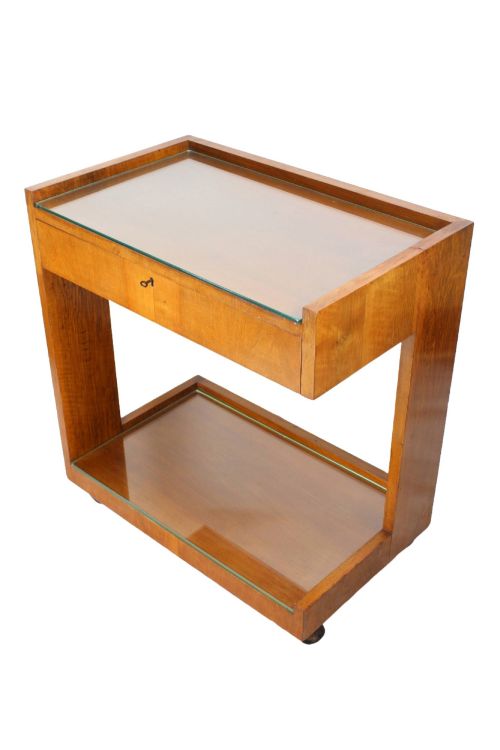
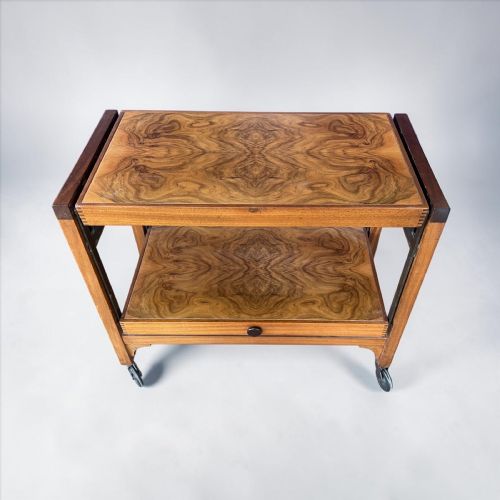
The selections span English examples alongside colonial productions and folding tray variants. You will frequently find two tier configurations that provide an additional lower shelf for magazines or cups.
How they were made
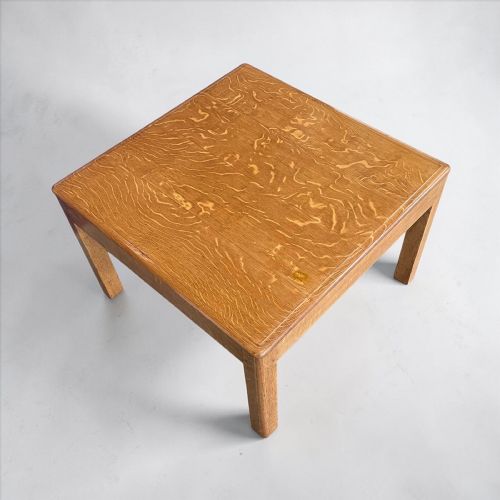
Construction relies heavily on timbers such as walnut, burr walnut veneer, figured walnut, oak, mahogany, and teak. Wood veneers are applied to create striking symmetrical grain patterns across the tops.
Some examples incorporate glass panels or marble tops alongside carved wooden elements and folding mechanisms. The joinery supports both fixed low tables and mobile trolley or nest formats.
Retail Price Guide 2026
Typical UK retail prices for art deco tea table, calculated from the Sellingantiques database of over a million retail prices indexed since 2003. This retail price guide relies exclusively on Sellingantiques data; no external sources or auction records are used, so the figures do not describe the wider market.
Listings feature walnut, burr walnut veneer, figured walnut, oak, mahogany, teak, burr maple, and glass across the nineteen twenty and nineteen thirty periods.
What varies in quality
The standard of an art deco tea table rests largely on the choice and placement of wood veneers, particularly burr and figured walnut. Symmetrical grain alignment elevates the visual impact of the surface.
Fyne Ladye
The Art Deco Tea Table Glossary
- Veneer
- A thin slice of decorative wood applied over a core timber surface. This technique allows craftsmen to utilise highly figured grains like burr walnut without wasting precious material.
- Two Tier
- A furniture design featuring a primary upper surface and a secondary lower shelf. This provides additional storage or display space while maintaining a compact footprint.
- Colonial
- A term associated with furniture produced in British overseas territories during the period. These pieces often utilise regional timbers like teak.
- Coffee Table
- A low table designed to sit in front of a sofa or lounge seating. The form became popular during the interwar years for informal entertaining.
Frequently Asked Questions
What is an art deco tea table?
An art deco tea table is a low occasional table produced during the interwar period, typically dating from the nineteen twenties and nineteen thirties. These pieces are designed for serving refreshments or holding items in a lounge setting.
They appear in various forms, including two tier coffee tables, folding tray tables, and mobile tea trolleys. Walnut and teak are the primary woods utilised in their construction.
How do I date an art deco tea table?
Dating relies on examining the construction methods, materials, and stylistic markers characteristic of the period. Most pieces date specifically from nineteen twenty to nineteen thirty.
The presence of characteristic veneers, such as burr walnut, alongside geometric forms helps assign them to this era. Archive records show similar low occasional and colonial tables originating from these exact years.
What materials are used in art deco tea tables?
The listings show a strong preference for walnut, including figured walnut and burr walnut veneer, as well as oak and teak. Some variants incorporate glass or marble inserts into the top surface.
Craftsmen also utilised mahogany and maple, occasionally combining carved wooden elements with folding tray mechanisms. The grain patterns of the wood veneer serve as the primary decorative feature.
Where were these tables made?
Many examples originate from English workshops, while others reflect colonial production methods from the same era. The trade routes of the time facilitated the use of imported timbers like teak for overseas tables.
Domestic production leaned towards native oaks and imported walnut veneers styled to modern interwar tastes. Both British and colonial pieces share the characteristic low proportions of the period.