
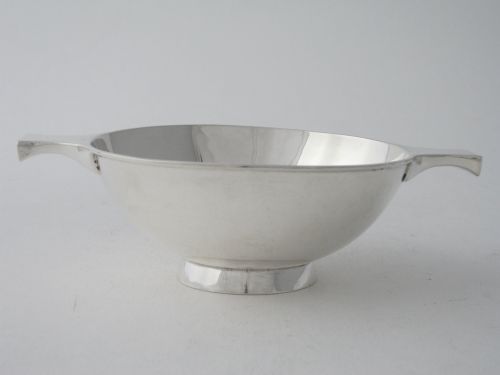
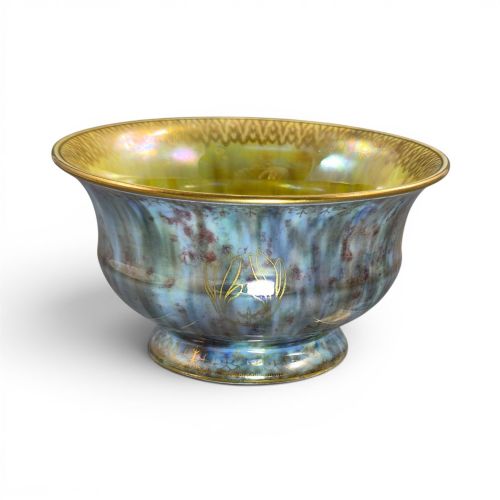
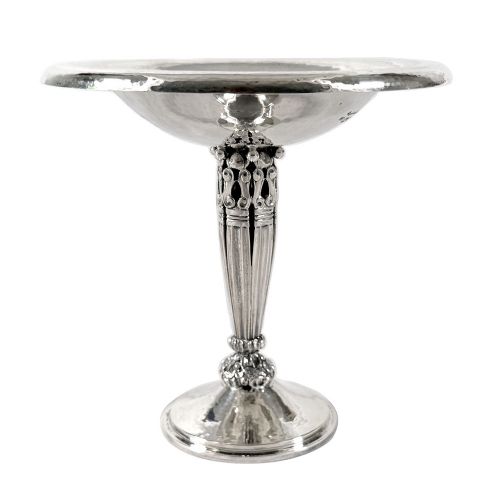
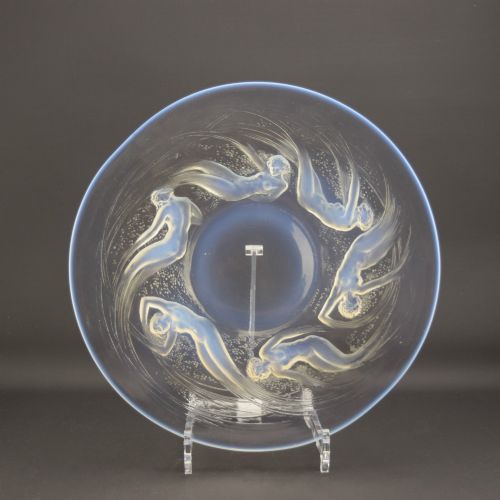

Art Deco Dish
An art deco dish brings geometric discipline and material elegance to a table, spanning opalescent glass, sterling silver, and glazed earthenware from the early twentieth century.
Art Deco Dish
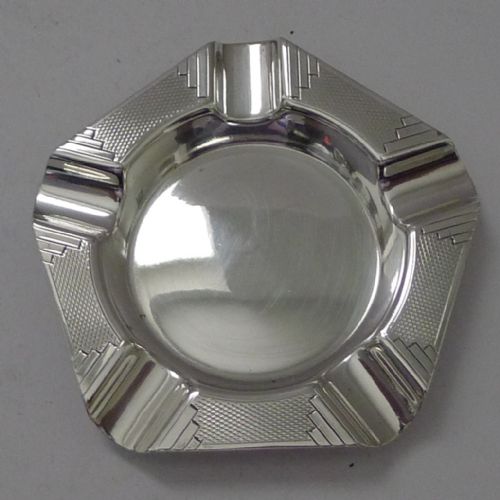
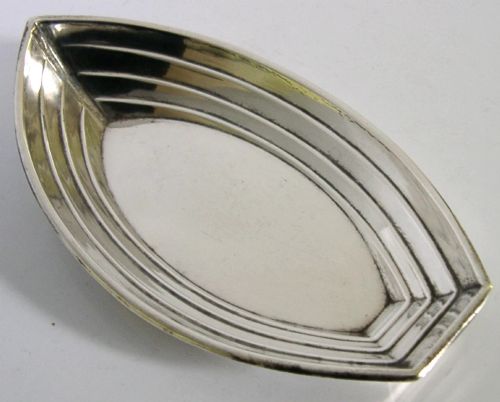
When searching for an art deco dish, collectors encounter decorative bowls, trinket boxes, ashtrays, and serving trays originating primarily from the 1920s and 1930s. The selection ranges from substantial glass chargers and coupe vases to sterling silver bon bon baskets and porcelain powder jars produced during the height of the modernist movement.
Makers and designers from Britain, France, America, and Sweden shape the inventory, combining George V silversmithing with continental moulded glass techniques. Pieces extend from Edwardian precursors through to the defined geometry of the interwar period, offering utilitarian vessels and ornamental dishes alike.
Materials and Working Methods
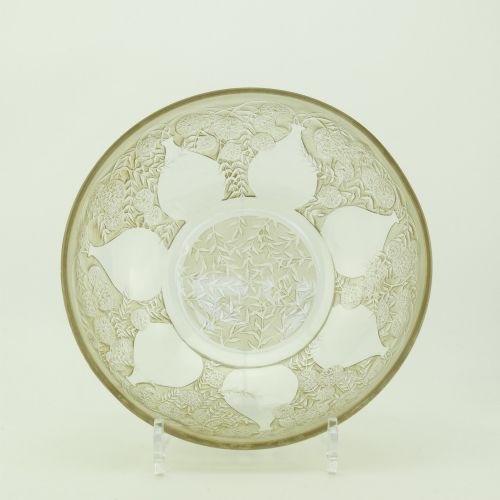
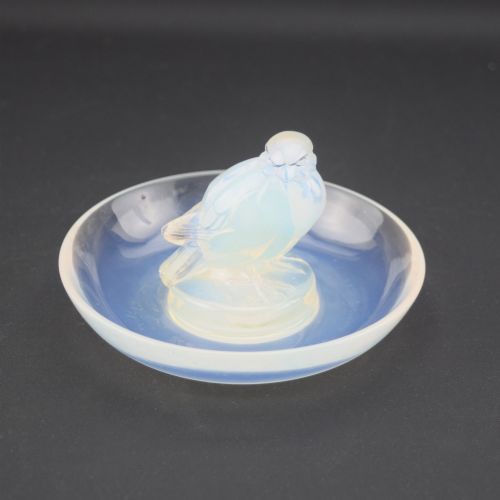
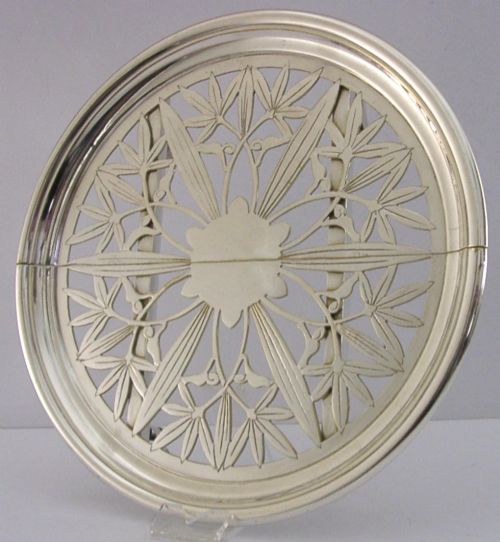
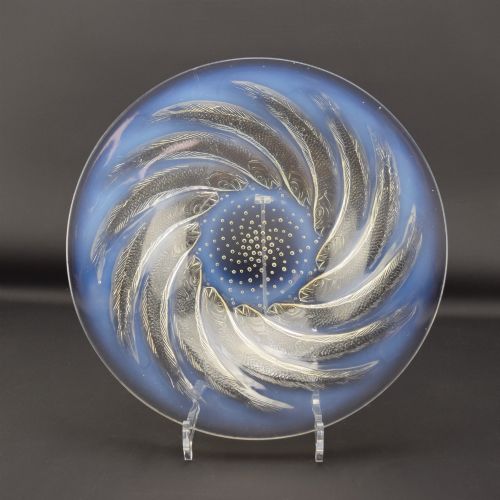
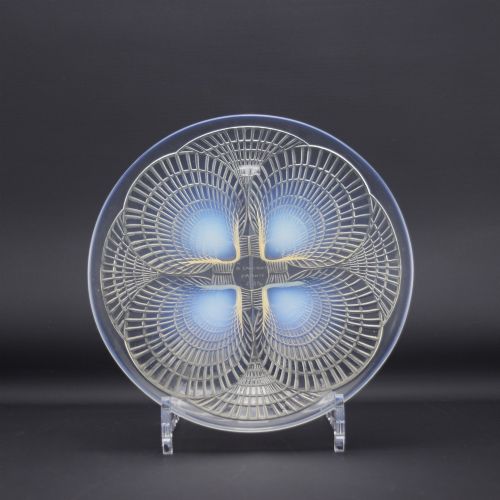
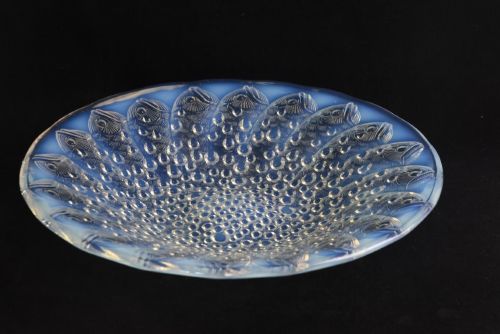
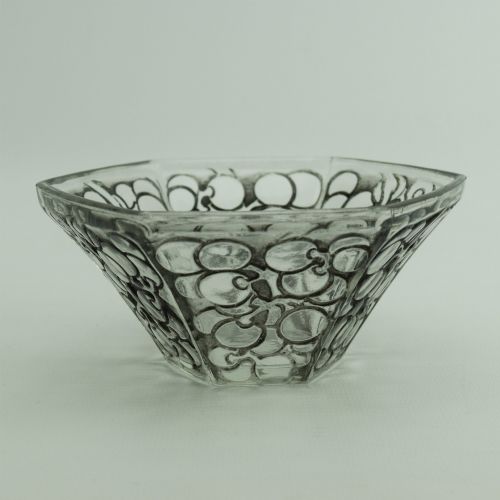
Moulded opalescent and translucent glass defines much of the glassware, often achieved through specialised cooling and staining techniques that highlight relief motifs such as fish, leaves, and abstract patterns. Silver items utilise sterling or silver plate, shaped through piercing, hammering, and engraving, frequently paired with contrasting glass liners in cobalt or clear crystal.
Ceramic pieces employ earthenware and porcelain bodies decorated with lustres, glazes, and tubelined enamels to secure vibrant surface patterns. Metalwork incorporates applied brass, copper, and mother of pearl inlays, linking the manufacturing traditions of silversmiths and potteries.
Listings feature sterling silver, opalescent glass, and glazed earthenware spanning the Edwardian period through the nineteen thirties.
Distinctions in Standard and Execution
The standard of an art deco dish rests upon the crispness of the moulding in glass and the precision of the metalwork or tubelined ceramics. Pieces bearing clear signatures, proper hallmarking, or attribution to notable designers demonstrate superior workshop origin.
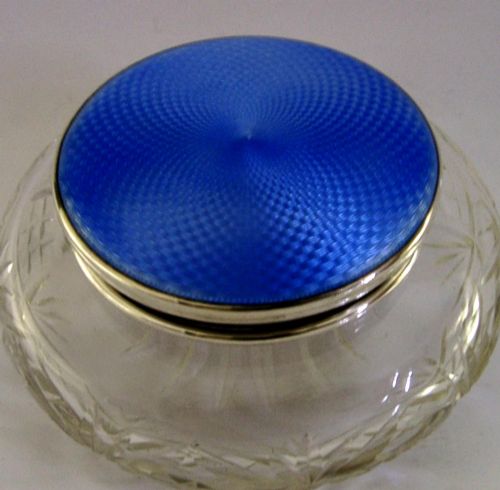
Design complexity and the preservation of delicate enamel, original glass liners, or surface patination determine the distinction between standard commercial output and exceptional studio pieces. The integration of mixed materials, such as silver combined with guilloche enamel, marks higher tiers of production.
Rene Lalique·Walker & Hall·Wedgwood·Charles Boyton·Val St Lambert·Maling·Crown Ducal·John Grinsell & Sons·Mappin & Webb·Elkington & Co·G Vallon
The Art Deco Dish Glossary
- Opalescent glass
- Glass that diffuses light and displays milky or iridescent colour variations, commonly utilised in interwar French bowls and plates.
- Tubelined
- A ceramic decoration technique where lines of clay are squeezed onto a body to form compartments for coloured glazes, prevalent in charger production.
- Tazza
- A small decorative bowl or plate raised on a pillar and foot, utilised for serving sweets or small items.
- Quaich
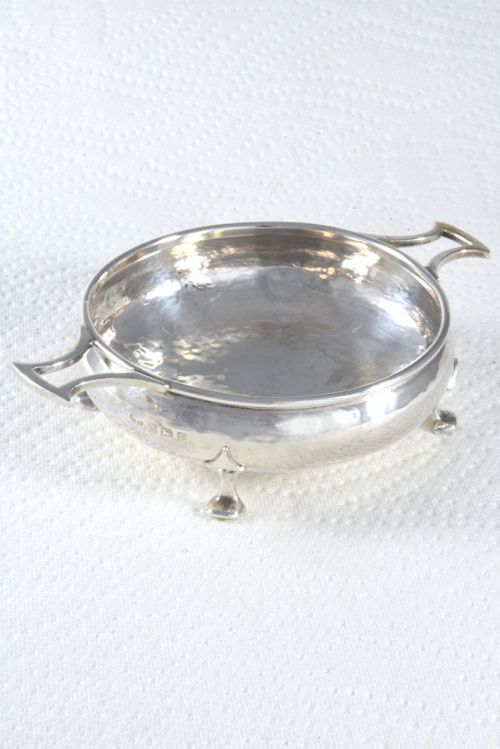
- A traditional shallow two-handled drinking vessel or dish, occasionally rendered in sterling silver during the George V period.
- Hallmark
- An official stamp applied to precious metals indicating the standard of purity, assay office, and year of manufacture.
Art Deco Dish: Frequently Asked Questions
How do I identify genuine opalescent glass?
Genuine opalescent pieces display shifting translucent tones when turned in the light, often bearing moulded signatures or factory ciphers from the interwar period.
Inspect the weight and surface texture closely, as period manufacturing leaves distinct cooling marks and tactile relief details absent in modern reproductions.
Were these silver dishes meant for daily use?
Many silver and silver-plated vessels served functional roles on dining tables as butter dishes, bon bon baskets, or serving trays for formal hospitality.
Over time, their usage shifted toward ornamental display or desktop organisation for trinkets and calling cards.
How do I care for enamelled silver items?
Enamelled silver requires gentle cleaning with a soft cloth and warm water, avoiding harsh metal polishes that can scratch or dissolve delicate coloured glass surfaces.
Store pieces away from direct sunlight to prevent fading in the coloured enamels and protective glazes.
What distinguishes Edwardian items from art deco pieces?
Edwardian items typically feature flowing floral motifs derived from art nouveau styles, whereas art deco pieces favour strict symmetry, stylised fauna, and geometric abstraction.
Examining the transition in hallmarks and decorative lines reveals the shift from Edwardian curves to the sharp angles of the 1920s.