
Art Deco Accessories
Art deco accessories bring the sharp geometry and utilitarian elegance of the interwar years directly into daily use.
Art Deco Accessories
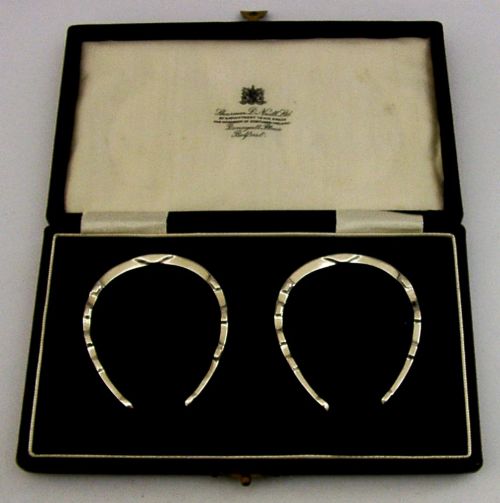
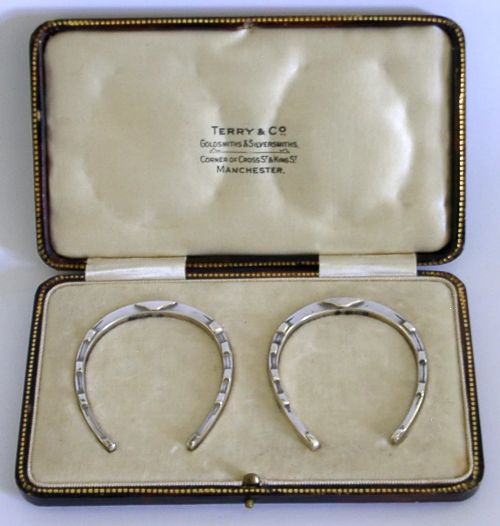
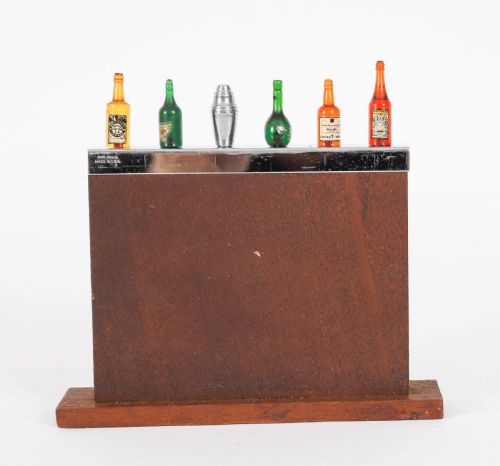
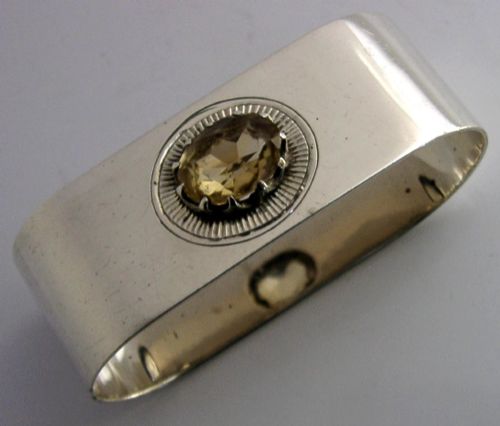
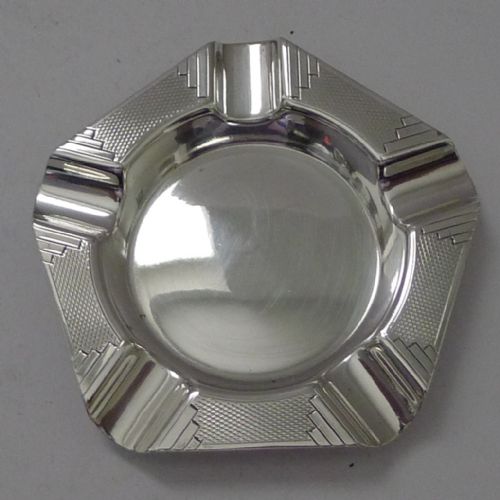
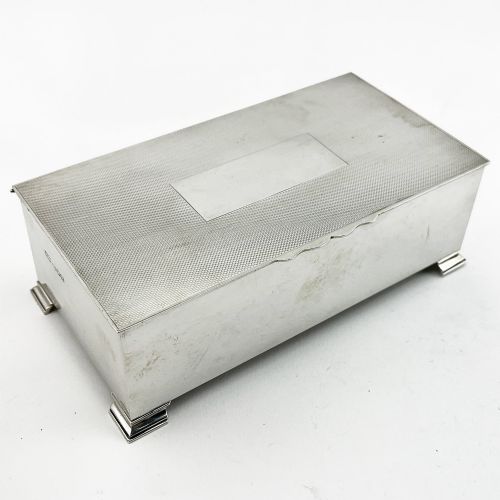
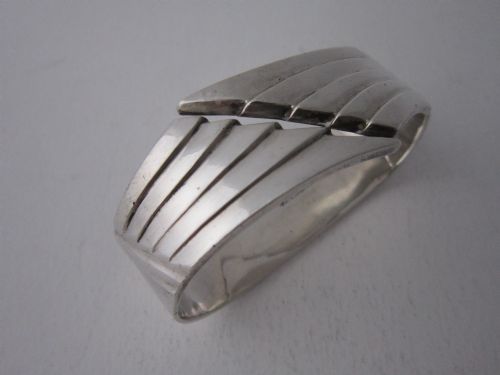
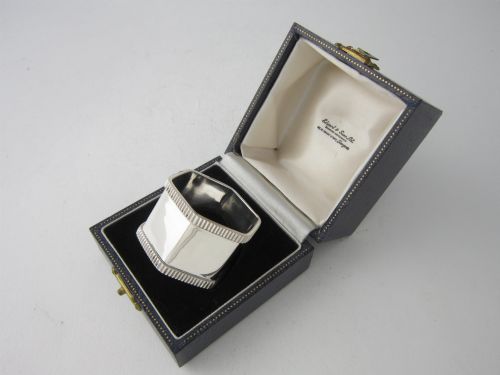
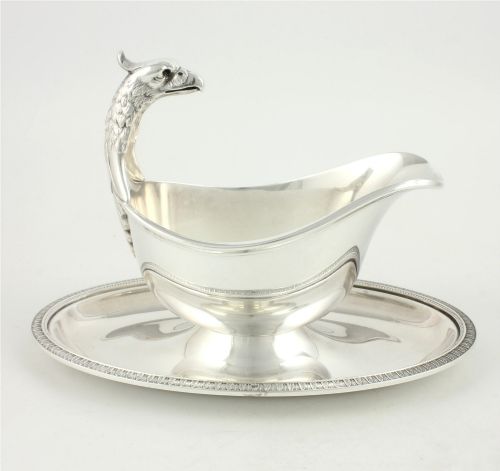
Art deco accessories comprise a diverse selection of small functional objects designed to outfit the desk, bar, and dressing table during the early decades of the twentieth century. These items include napkin rings, cigarette cases, cocktail sticks, desk tidies, and inkwells originating predominantly from the 1920s and 1930s. The version most commonly encountered on this page is the sterling silver or silver-plated tabletop piece bearing geometric motifs or stylised animal forms characteristic of the period.
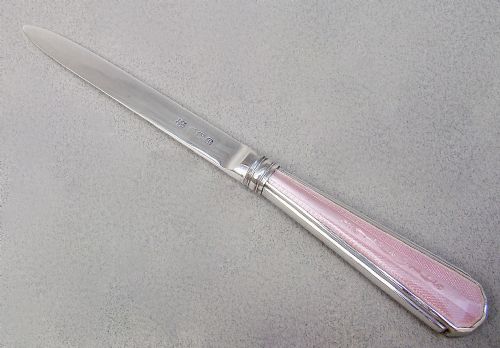
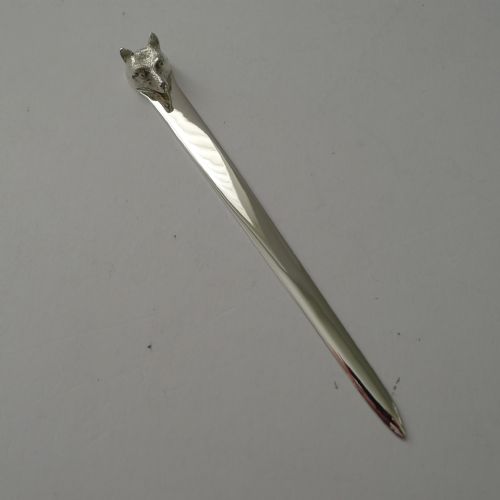
Makers utilised durable substances and contrasting textures to define these functional pieces, combining metals with glass, marble, and onyx. Desk calendars, letter openers, and bookends reflect a distinct shift towards stylised industrial efficiency combined with decorative luxury. Domestic items such as toast racks and cocktail shakers bridge the gap between practical utility and mantelpiece display.
How they were made
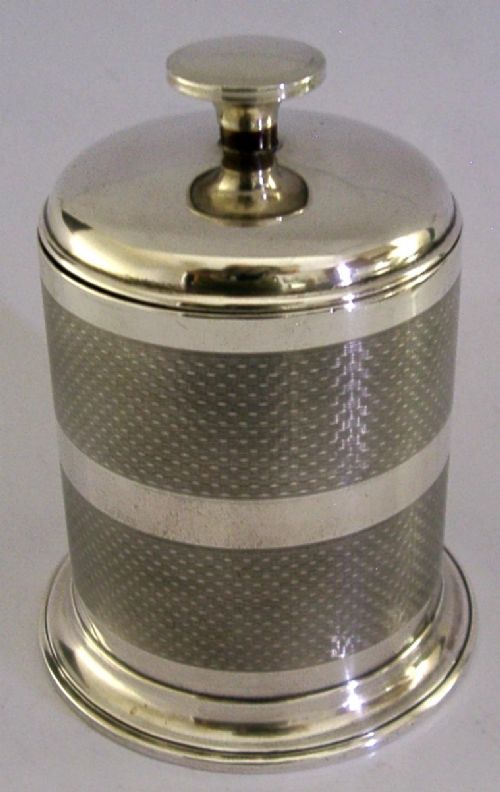
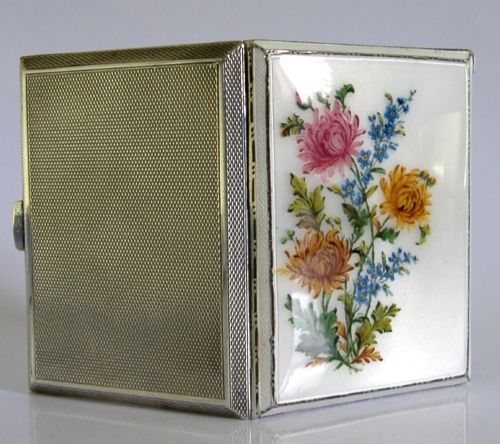
Makers fashioned these objects from sterling silver, silver plate, and chrome, frequently incorporating hand-painted enamel and guilloche work for added colour. Cast metal and bronze formed the structural elements for novelty bookends and table lighters, while carved green onyx and black marble provided weighted bases for desk tidies and calendars.
Glass production relied on cut crystal and moulded techniques, exemplified by perfume bottles and paperweights from this era. Artisans also turned to early plastics such as Bakelite and Catalin alongside amber tones to achieve the vibrant colour blocks essential to the interwar aesthetic.
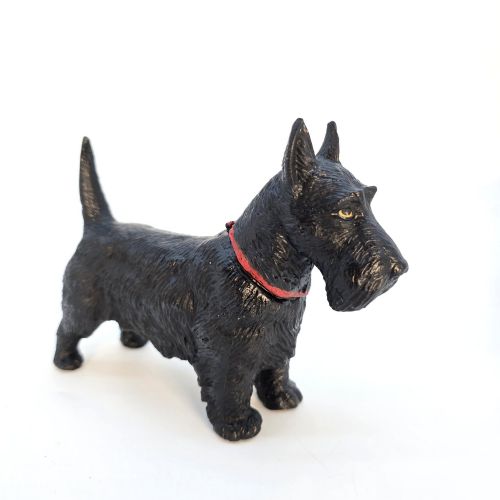
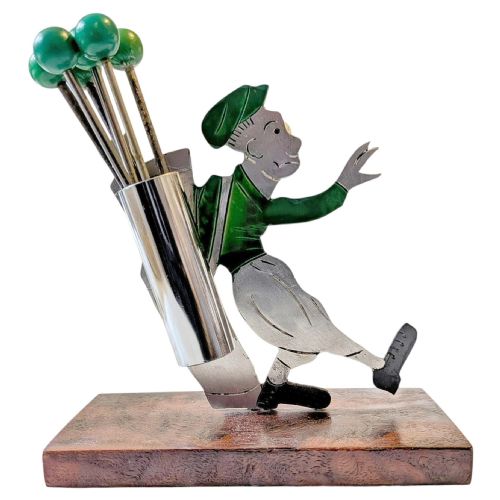
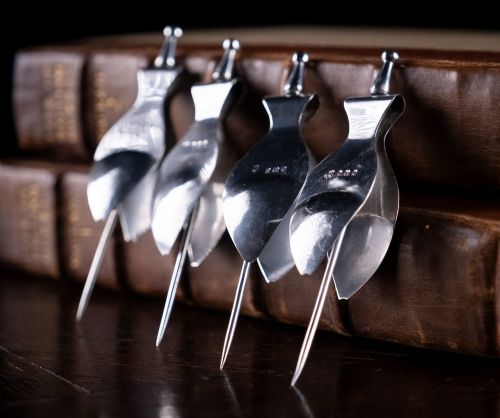
Scottie dogs and comical golfers frequently supervise the drinks cabinet as cast metal table lighters and cocktail picks.
What varies in quality
Quality rests upon the crispness of the casting and the precision of applied decoration, such as engine-turned guilloche enamel or hand-painted details on novelties. Pieces bearing clear hallmarks from established makers demonstrate superior metalworking standards compared to unmarked equivalents.
The choice of secondary materials dictates overall refinement, where natural hardstones like green onyx and genuine marble elevate a desk accessory above standard plated wares. Finer execution in novelty items, such as articulated cocktail stick sets or figural bookends, separates mass production from skilled artisan output.
Walker & Hall·The Barker Brothers·Mappin and Webb·Richard Comyns·Asprey·Karl Palda·Robert Pringle
The Art Deco Accessories Glossary
- Guilloche
- A decorative mechanical technique where a precise repeating pattern is engraved into metal beneath a translucent layer of enamel. This method creates a shimmering background effect frequently seen on cigarette cases and letter openers.
- Bakelite
- An early form of synthetic phenol formaldehyde resin developed in the early twentieth century. It was widely utilised for vibrantly coloured handles, bases, and desk objects during the interwar period.
- Hallmark
- An official stamp applied to precious metals indicating purity, origin city, and the specific year of assay. These marks provide definitive historical context for silver tableware and smoking accessories.
- Vesta case
- A small portable box designed to hold matches and keep them dry. They often feature spring-loaded lids and engraved exterior decoration.
- Desk tidy
- A compartmentalised desk accessory intended to organise writing implements, stamps, and small stationery items. They frequently incorporate heavy stone bases paired with metal or glass inkwells.
Art Deco Accessories: Frequently Asked Questions
How do I date an art deco accessory?
Dating relies primarily upon official hallmarks stamped into silver and metal components, which indicate the exact year of assay. Stylistic cues such as streamlined geometric forms and materials like Bakelite or chrome further narrow the production window to the interwar decades.
Secondary evidence includes registration numbers and maker marks attributed to known firms of the 1920s and 1930s. Comparing the object to documented pieces in the archive helps confirm its specific period.
What were novelty cocktail sticks used for?
Hostesses utilised novelty cocktail sticks to spear olives, cherries, and lemon wedges during home entertaining and cocktail parties. These sets typically included a themed stand and multiple small picks featuring figurative designs such as golfers or animals.
They functioned both as practical barware accessories and as whimsical conversation pieces for guests. The popularity of the home bar during the interwar years drove demand for these decorative serving items.
Are silver plated items less desirable than solid silver?
Solid sterling silver pieces command higher interest due to their intrinsic metal value and durability. However, silver-plated items often exhibit more adventurous modernist designs and complex manufacturing techniques that were unfeasible in solid silver.
Makers frequently used plating on large decorative pieces like cocktail shakers, trays, and ice buckets to keep items practical and accessible. Quality in plated wares depends entirely on the thickness of the silver layer and the integrity of the underlying base metal.
How should I clean antique enamel accessories?
Cleaning requires a soft damp cloth to remove surface dust without abrasive pressure. Enamel is essentially glass fused to metal and can easily scratch or crack if exposed to harsh chemical polishes or immersion in hot water.
Silver cleaning products must be kept entirely away from painted or enamelled sections to prevent chemical staining. Gentle care preserves the delicate hand-painted details found on cigarette cases and compacts.
Where did desk calendars and inkwells sit in a home?
Desk calendars and inkwells occupied a central position on writing desks in studies and libraries. They provided the necessary infrastructure for correspondence and record-keeping before the widespread adoption of ballpoint pens.
These accessories matched the heavy green onyx, marble, or bronze decor of the executive office during the 1930s. Today they serve as decorative tabletop accents for modern home offices.