
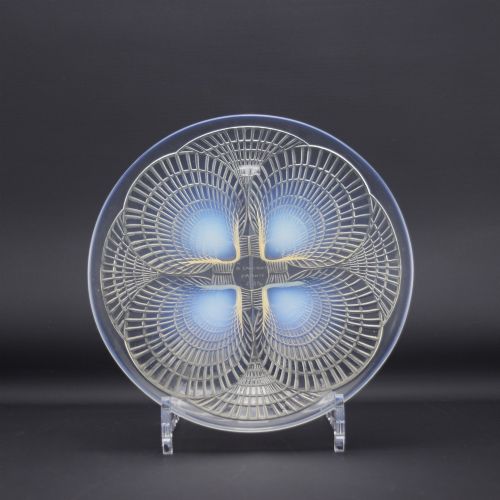


1920s Glass Plate
These pieces for 1920s glass plate bring distinctive period form and tactile glass to your table or display.
1920s Glass Plate
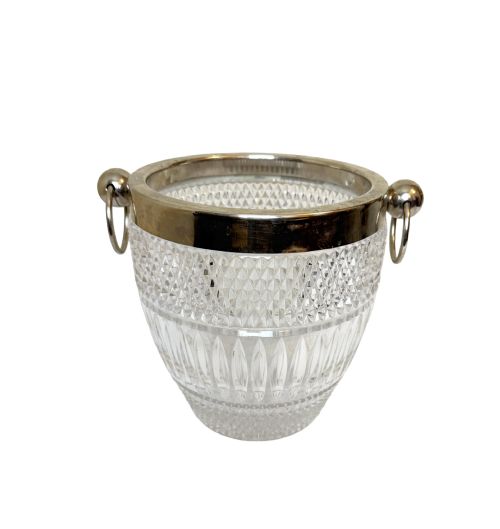
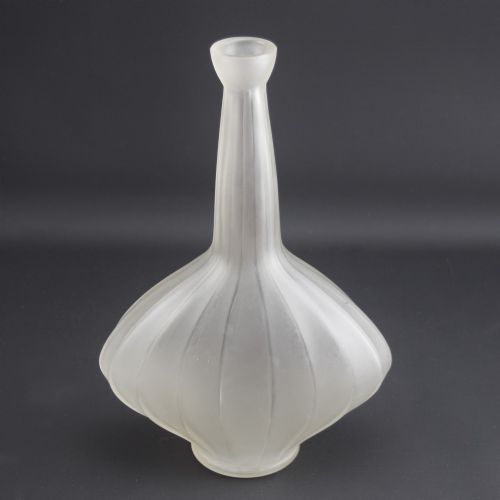
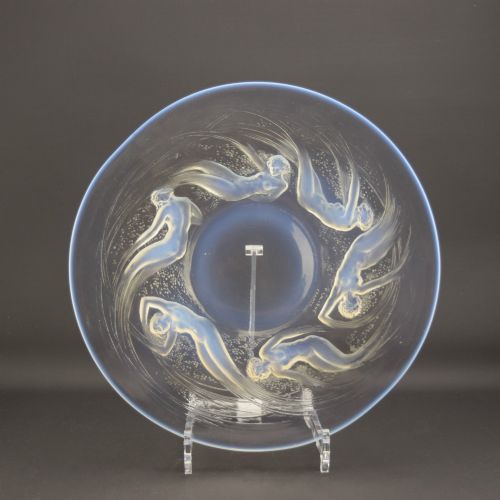
You are most likely to meet moulded opalescent glass vessels alongside heavy cut crystal mounted in silver-plate. French origins feature strongly, particularly through specialised works in opalescent and frosted finishes.
The objects serve varied domestic functions, ranging from flat serving platters to lidded dishes, honey jars, and dedicated barware. Each piece reflects the material tastes of the early twentieth century through disciplined design.
Materials and technique
Makers utilised clear cut glass and heavy crystal, often pairing moulded or frosted sections with polished silver-plate mountings. Opalescent glass required precise thermal control during casting to achieve its characteristic milky, light-catching sheen.
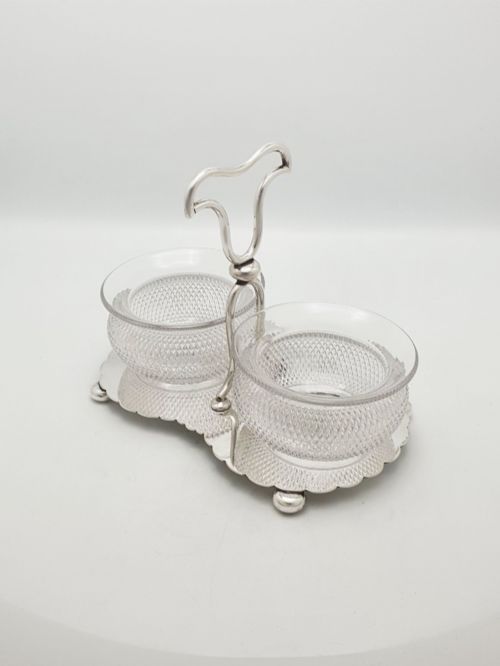
Silver-plate provided the structural frames, handles, and rims that supported fragile glass bowls and liners. Engraved or cut facets on the crystal required skilled hand-wheel work to refract light sharply.
Materials range from plain frosted glass and ebony to heavy cut crystal and silver-plated copper alloy.
Judging quality in early glass and metal
The standard of a piece rests upon the crispness of the glass moulding and the depth of the hand-cut facets. Sharp relief in opalescent motifs distinguishes superior work from softer, secondary pressings.
Metal mounts require firm attachment and even silver-plating that covers the underlying base metal cleanly. Weight distribution also matters, as heavy crystal liners must fit snugly within their silver-plated stands.
Rene Lalique·P H Vogel And Co·Elkington·W M F
The 1920s Glass Plate Glossary
- Opalescent glass
- Glass containing agents that cause it to milky-blue or fire when lit from certain angles. This effect creates depth in relief patterns.
- Silver-plate
- A base metal coated with a thin layer of silver through electroplating. It offered the appearance of solid silver at a lower cost.
- Taza
- A pedestal dish or shallow bowl used for serving fruit or sweets. It typically stands upon a single central foot.
- Cut crystal
- High-clarity glass shaped by grinding and polishing geometric or floral patterns into the surface. The process produces sharp edges that scatter light.
1920s Glass Plate: Frequently Asked Questions
How do I clean silver-plate mounts?
Use a soft cloth and a gentle, non-abrasive silver polish formulated to protect plated surfaces from excessive wear.
Keep polishes away from the glass components to avoid staining or dulling the clear and frosted surfaces.
Are these plates suitable for daily dining?
Most antique decorative plates and stands serve better for display or light service due to their delicate materials and silver-plate mounts.
Hand washing in warm soapy water preserves both the glass finish and the underlying metallic plating.
What defines Art Deco glass plates?
Art Deco pieces rely on symmetrical patterns, stylised figures, and strong moulded reliefs rather than organic curves.
Opacity and frosted textures often replace simple transparent clarity to emphasise sculptural form.
How do I identify a Lalique plate?
Look for deep moulded relief work, often featuring figures, fish, or botanical motifs rendered in opalescent or frosted glass.
Signatures or moulded marks frequently appear on the underside of the glass body.