



Art Deco Animal Sculpture
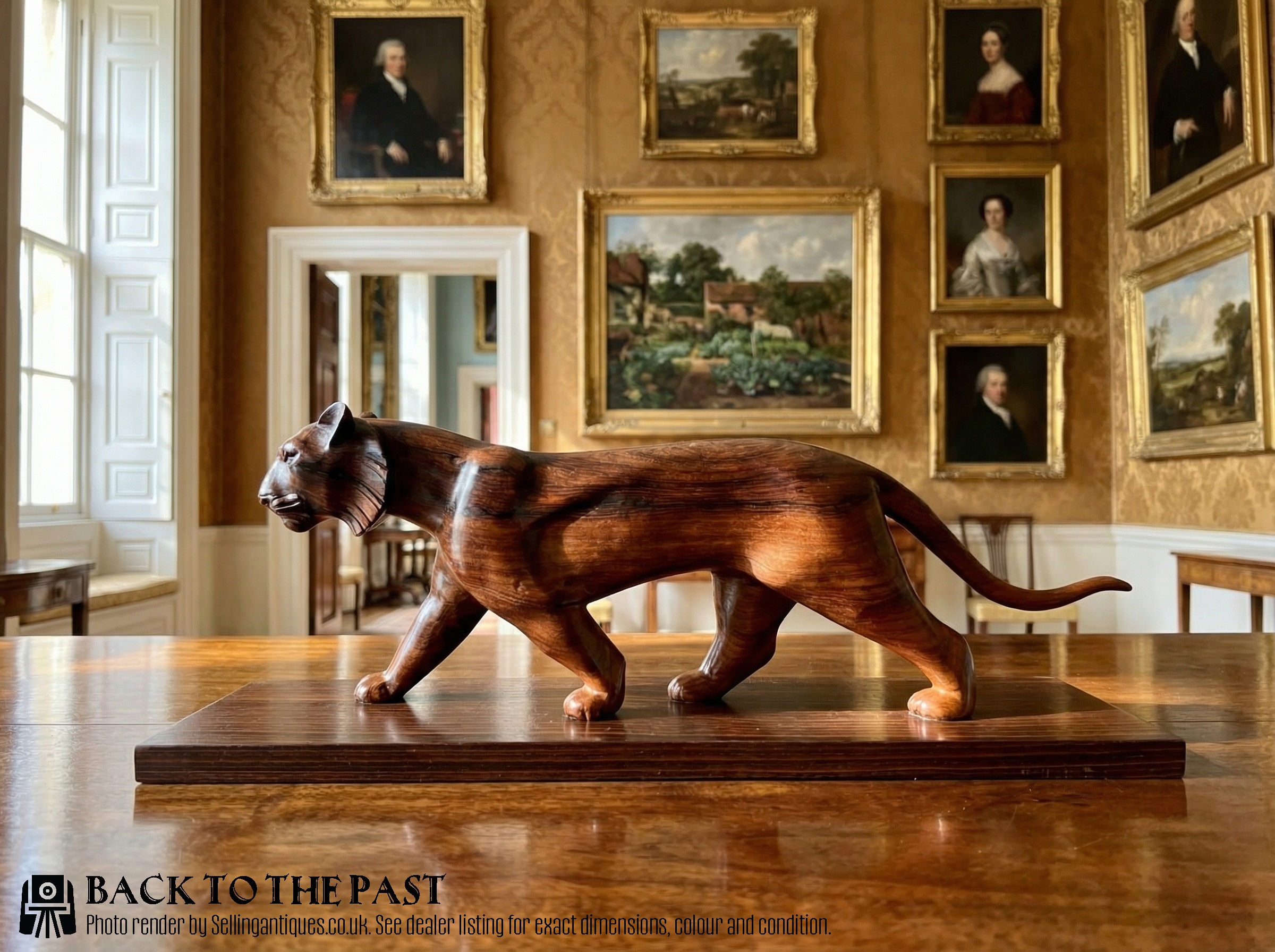
An art deco animal sculpture captures the sleek lines and dynamic energy of the interwar years, offering a striking focal point for any interior.
Art Deco Animal Sculpture
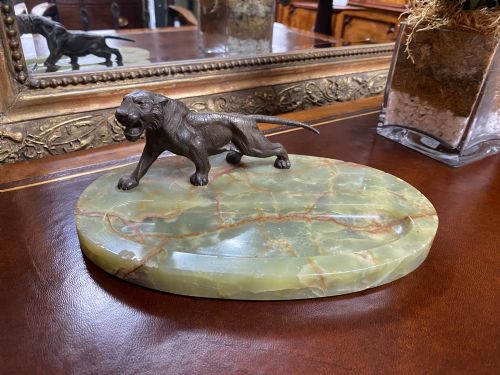
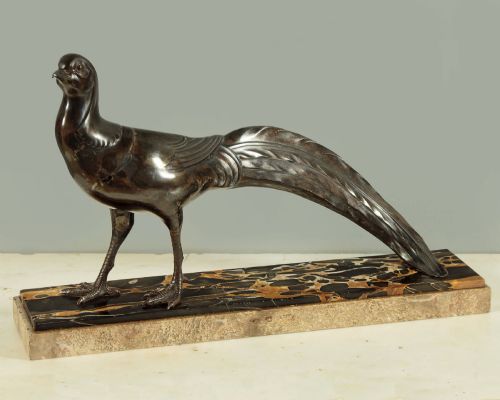
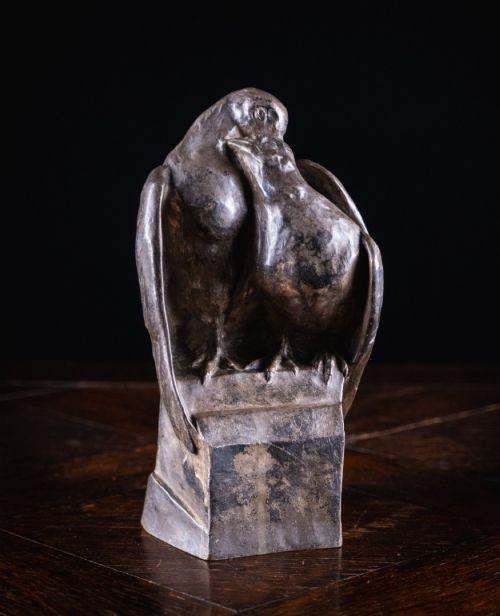
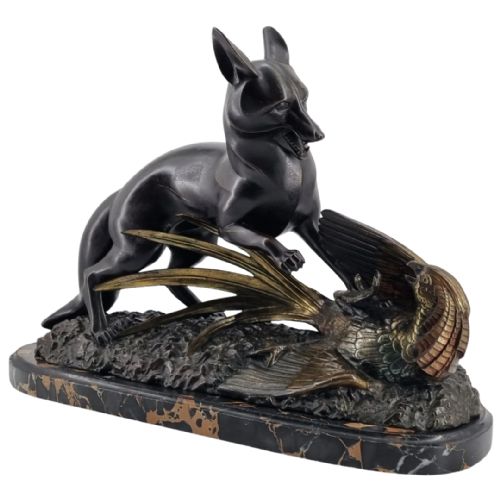
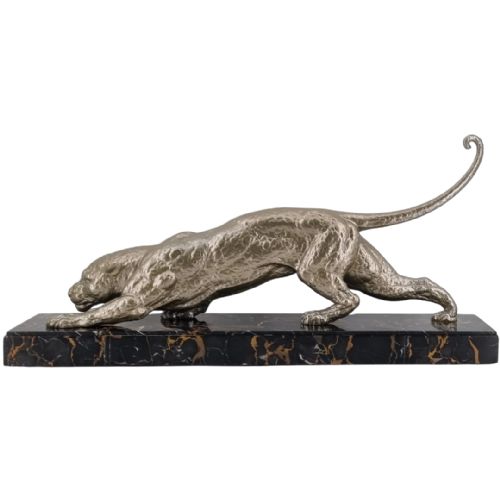
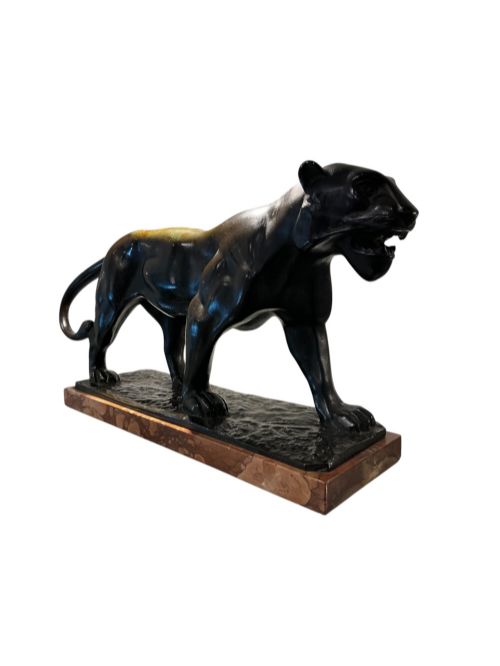
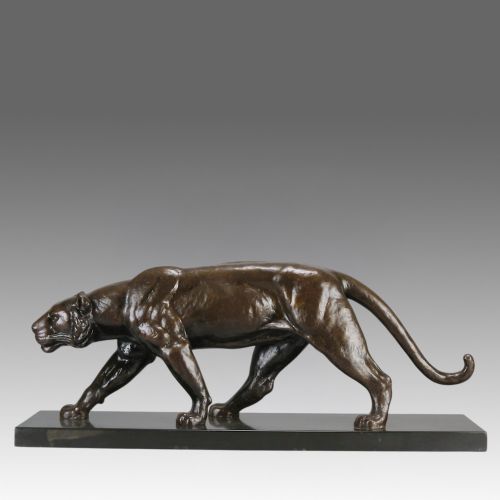
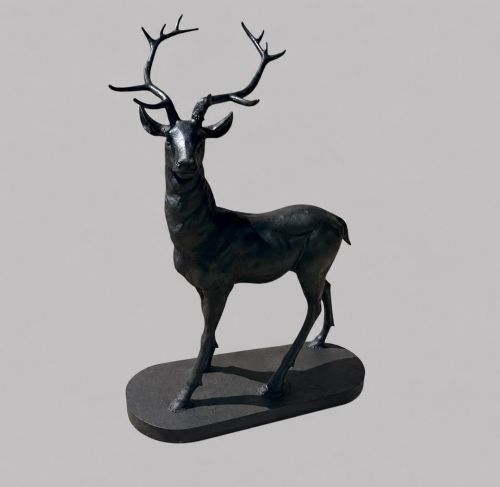
Art deco animal sculpture encompasses a diverse array of forms, from large feline figures to functional bookends and desk accessories. Buyers examine depictions of panthers, stags, birds, and sea creatures that reflect the stylistic preferences of the early decades of the twentieth century. These objects served both decorative and practical purposes in homes of the period.
The objects frequently appear mounted on contrasting plinths or bases made of marble, onyx, or wood. Forms range from freestanding figures to pairs of bookends and table lamps, spanning the 1920s, 1930s, and 1940s alongside occasional nineteenth-century and later pieces. Felines, particularly panthers, dominate the subjects recorded in the evidence.
Makers and foundries across Europe produced these works in varied mediums, ensuring a wide selection for collectors. Pieces align with the broader 20th Century Animalier tradition while retaining the distinct geometry and stylisation associated with the interwar period.
Materials and construction
Foundries cast metal sculptures in bronze, spelter, and nickel bronze, often applying patinated or silvered finishes to accentuate the musculature and form. Metal figures frequently utilise heavy stone bases, including marble and onyx, to provide stability and visual contrast.
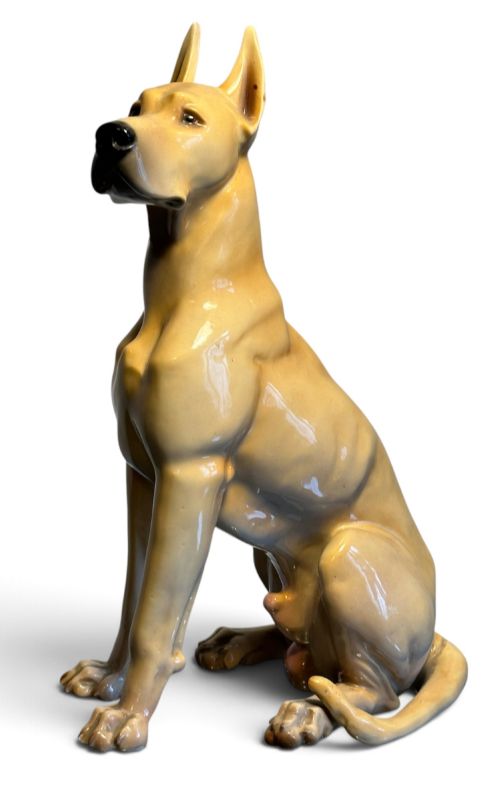
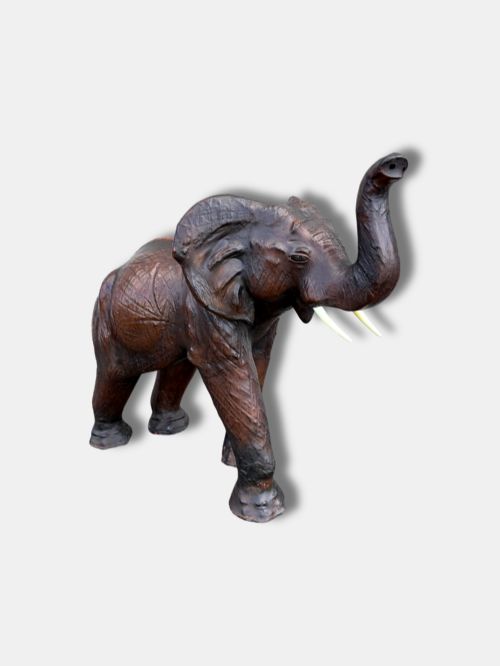
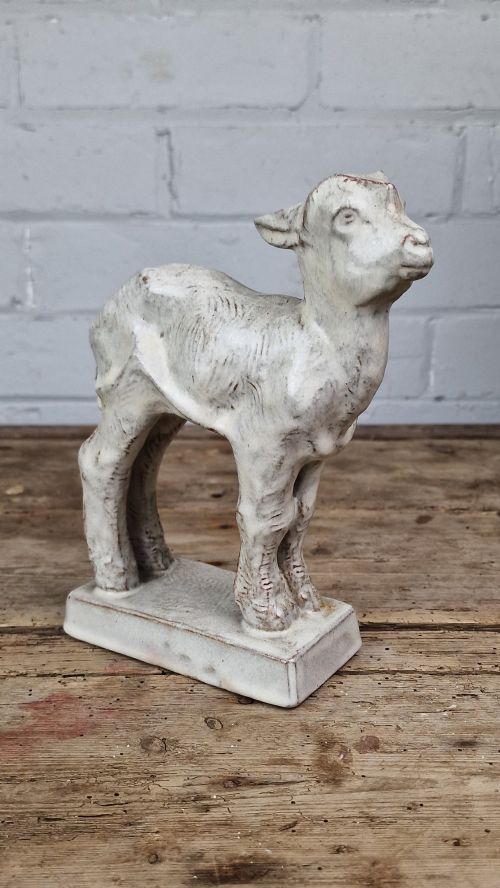
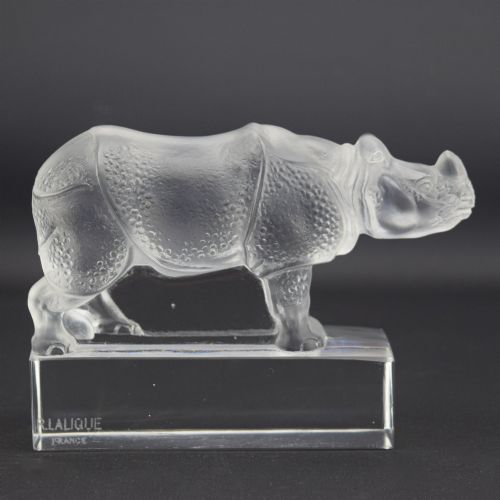
Artisans also worked in carved wood, ceramic, terracotta, and porcelain, sometimes adding glaze or gilded highlights. Glassmakers utilised lampwork techniques or moulded heavy glass for paperweights, figures, and iridescent animal models.
Art Deco Animal Sculpture Retail Price Guide 2026
Typical asking prices for art deco animal sculpture among the pieces listed under this phrase on Sellingantiques today, from the lower quarter to the upper quarter. They describe what is for sale here now, not the wider market.
Cats with glass eyes stare back from the 1930s.
Evaluating the range
The integration of the figure with its mounting base indicates the level of care taken during fabrication. Signatures, foundry marks, or attribution to known sculptors elevate an item's standing among collectors.
Frederique Cederlund-Ozanne·Alexandre Ouline·Franz Gruber·Napoleone Martinuzzi·Eugene Emile Borga·Laszlo Hoenig·Albert Hussmann·Michel Decoux
The Art Deco Animal Sculpture Glossary
- Spelter
- A zinc alloy frequently used as a cost-effective alternative to bronze in decorative figures and bookends. It accepts patination well but is softer than bronze.
- Patinated
- Treated with chemicals or heat to produce a coloured surface finish on metal. This technique enhances the depth and texture of the sculpture.
- Animalier
- A term describing artists who specialised in realistic or stylised representations of animals. The tradition continued strongly into the twentieth century.
- Lampwork
- A glassworking technique where a torch melts glass rods to shape miniature figures or complex forms. It allows for intricate detail in delicate subjects.
- Onyx
- A banded variety of chalcedony used frequently for bases and desk tidies. Its distinct natural banding provides a polished backdrop for metal sculptures.
Art Deco Animal Sculpture: Frequently Asked Questions
What animals were most commonly depicted?
Felines such as panthers and lions appear frequently, alongside dogs, birds, deer, and marine life like sea lions.
Artists favoured subjects that allowed for dynamic postures and stylised muscular forms.
How are bronze and spelter told apart?
Bronze is heavier, harder, and resists corrosion, whereas spelter is softer and more brittle under pressure.
Looking beneath the base often reveals the lighter, greyish metal colour of spelter beneath the patination.
Were these sculptures made as functional items?
Many pieces served practical roles in domestic interiors as bookends, desk tidies, pen trays, and lamp bases.
Purely decorative figurines and paperweights were also widely produced for display on tabletops and desks.
How should these sculptures be cleaned?
Dusting gently with a soft, dry cloth preserves the original patina on metal and wooden surfaces.
Harsh chemical polishes should be avoided as they can strip patination and damage delicate finishes.