



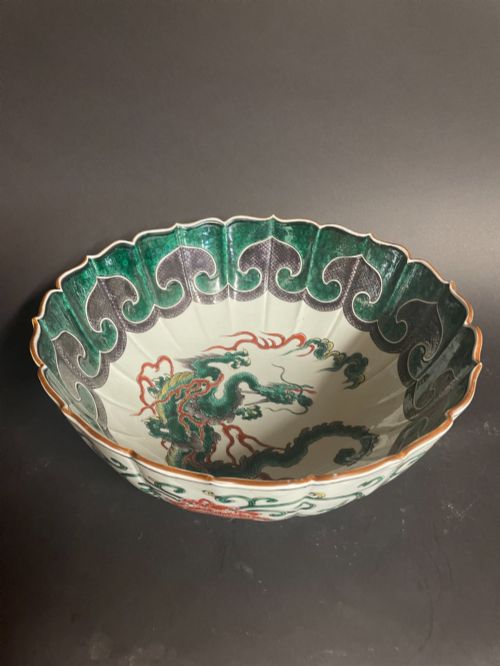
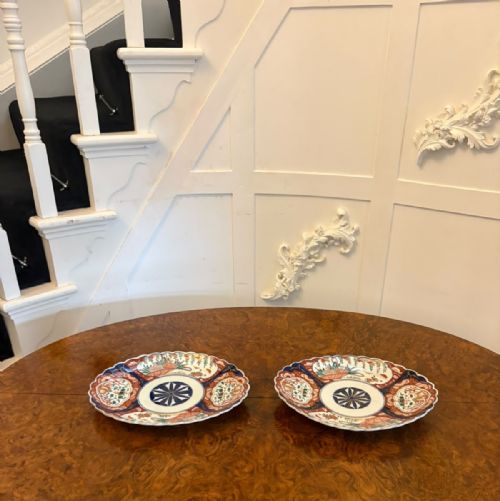


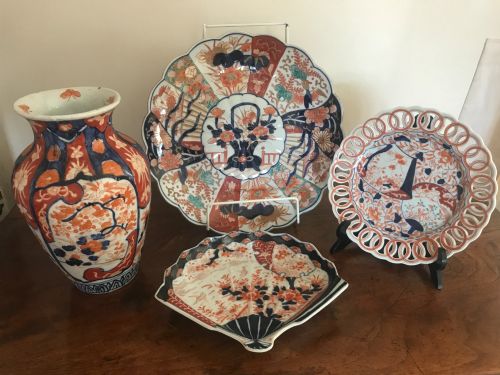
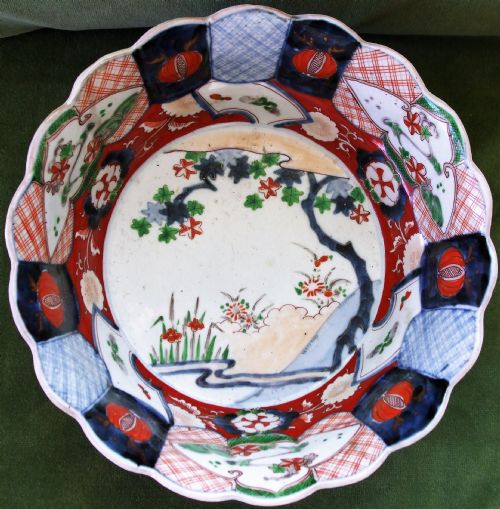
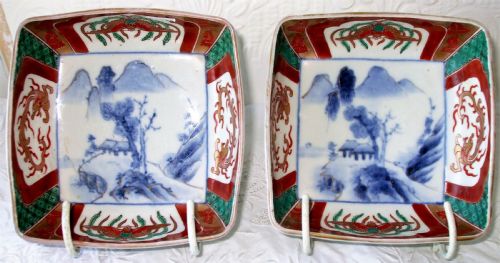
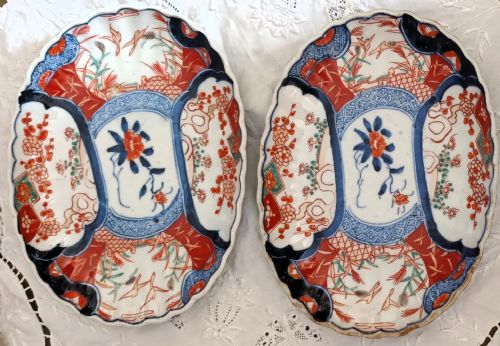
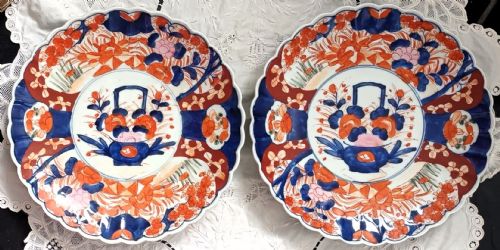
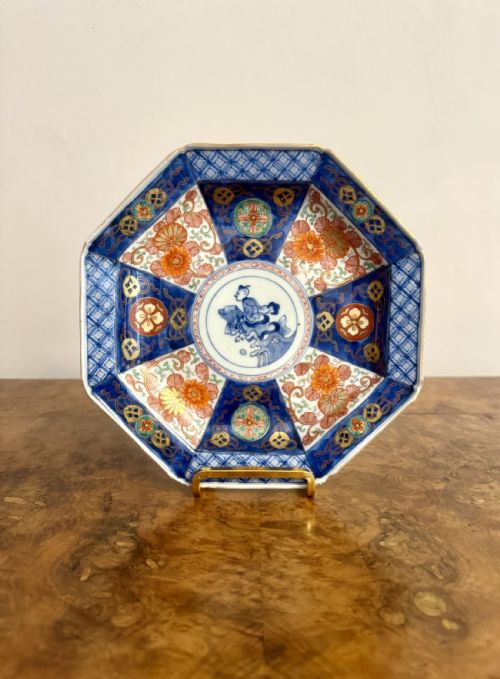
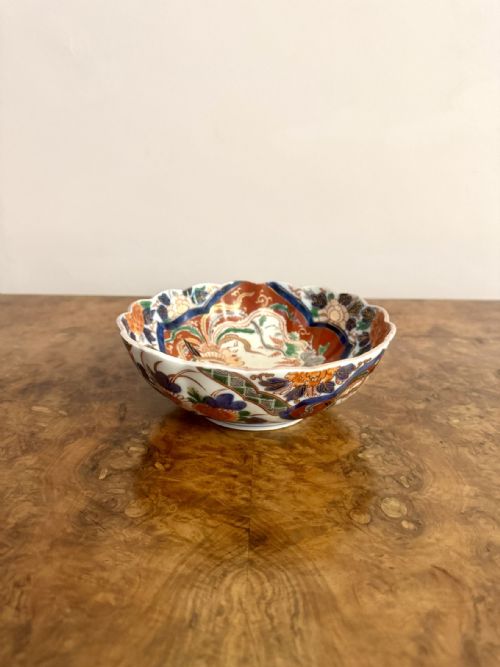
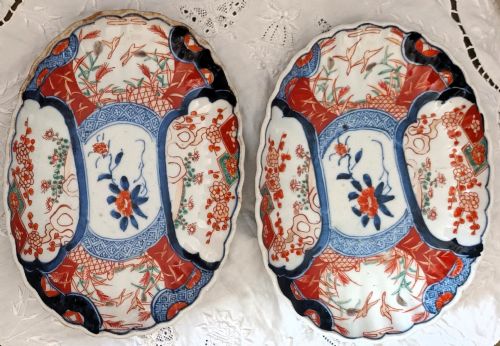
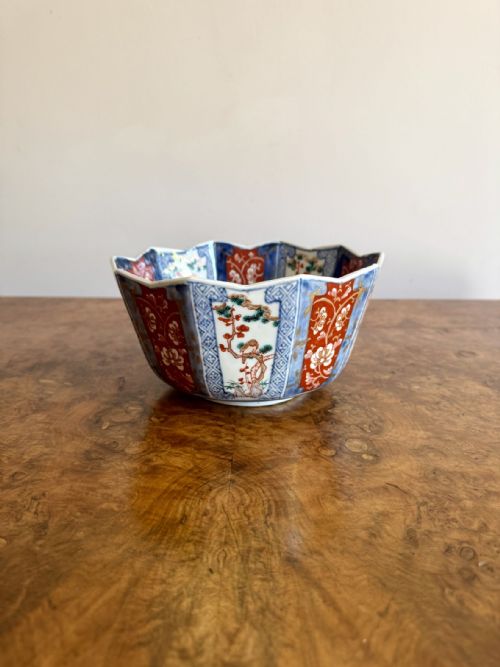
Arita Porcelain Dish
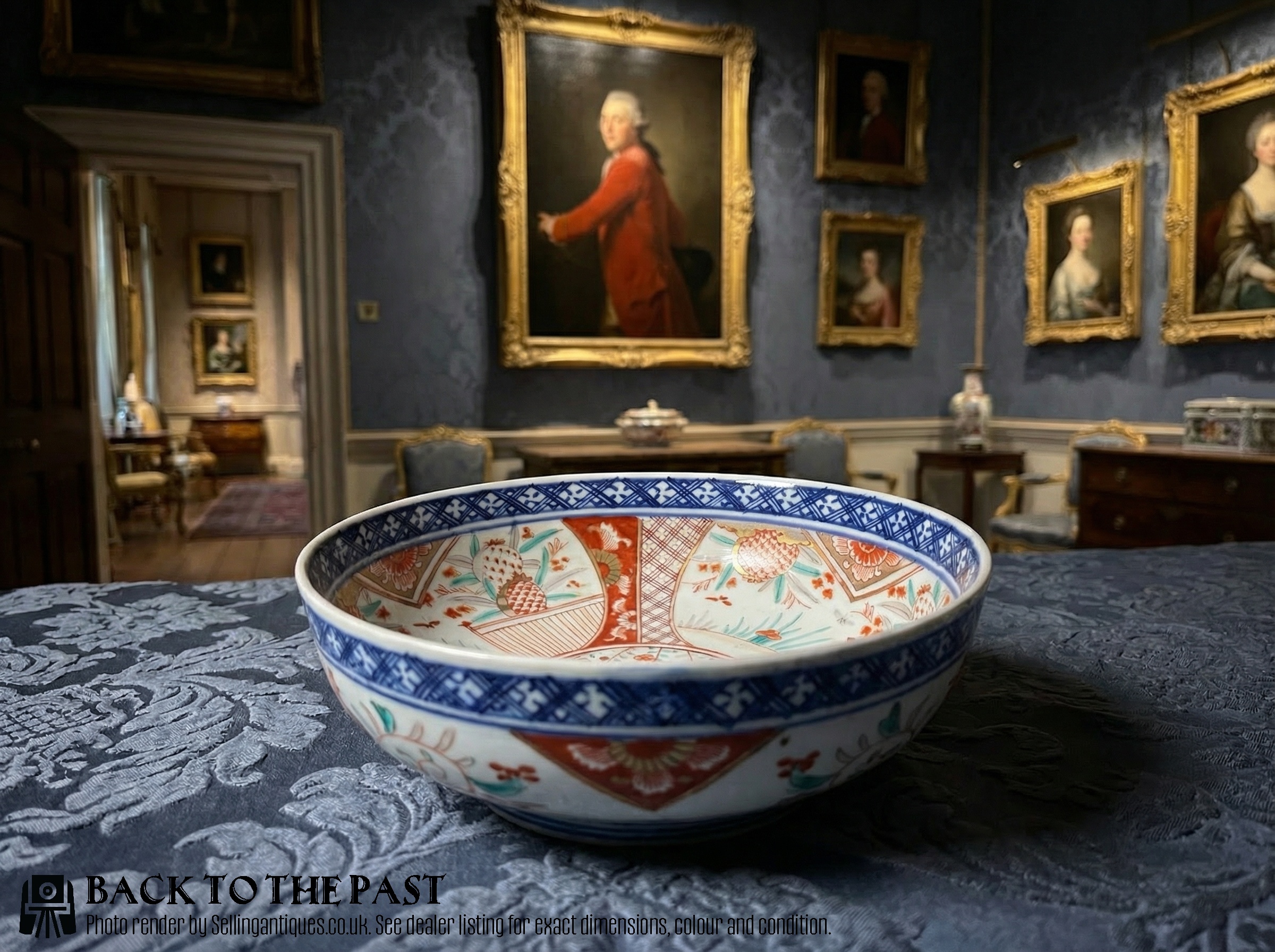
An arita porcelain dish brings centuries of Japanese kiln tradition to a room through vivid cobalt underglaze, enamel paint, and gold details.

Arita Porcelain Dish
An arita porcelain dish represents the long ceramic heritage of the town of Arita in Japan, spanning centuries of production from the Edo period onwards. Collectors encounter forms ranging from shallow blue and white vessels to large chargers and decorative bowls shaped in hexagonal, scalloped, or clam shell outlines.
The pieces appearing on this page stretch across various eras including the Meiji period, the Victorian era, and earlier centuries. Buyers often meet Japanese Imari styles featuring rich floral, bird, and crane motifs rendered in traditional palettes.
The selection includes individual plates, paired dishes, and substantial chargers intended for display. Each object reflects the specific decorative preferences of its period of manufacture, whether crisp blue and white underglaze or complex polychrome designs.
Judging quality and execution
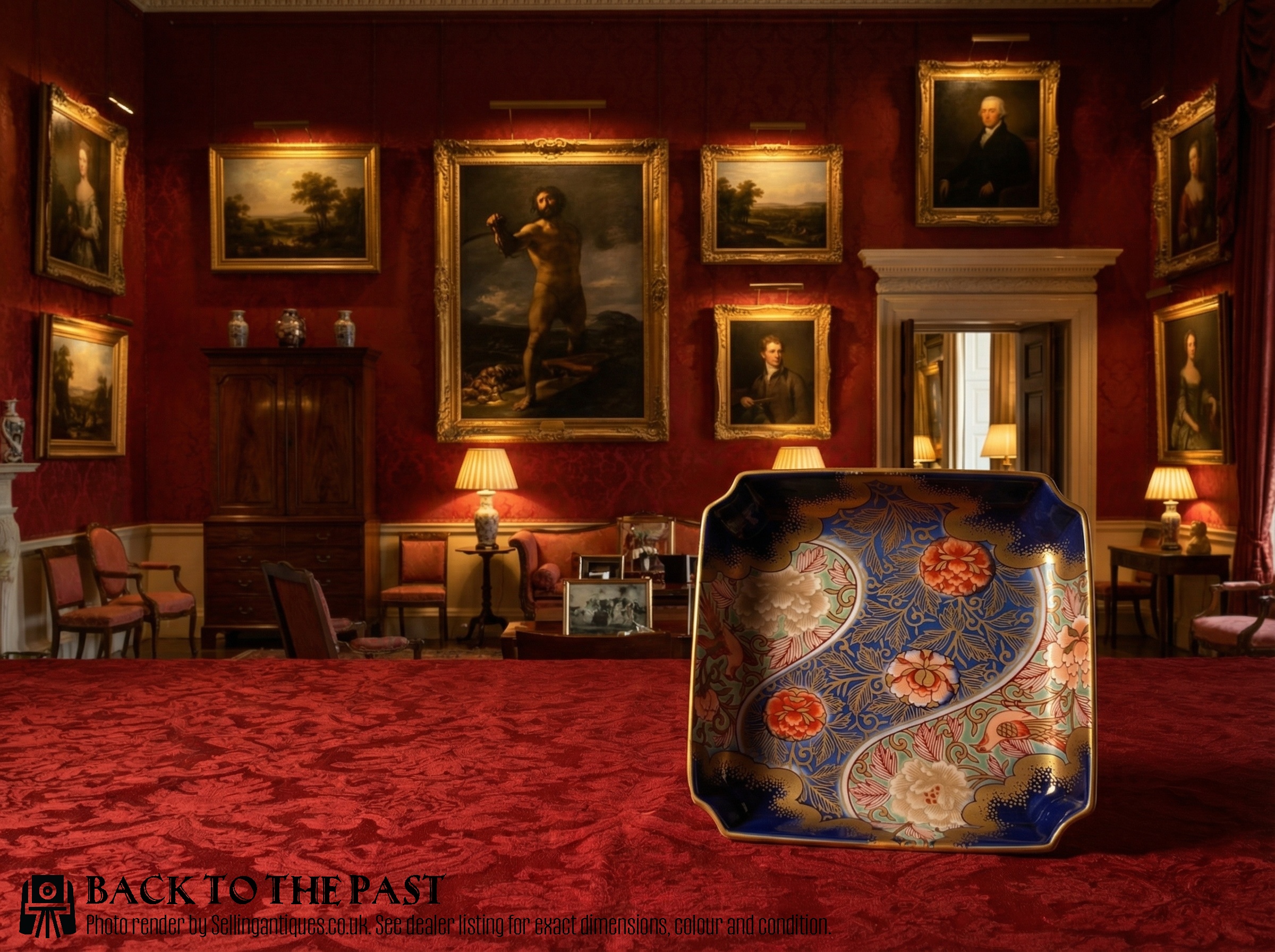
The distinction between standard items and exceptional pieces lies in the precision of the hand painting and the complexity of the design. Superior examples display crisp cobalt brushwork, cleanly registered enamel colours, and well-preserved gilding without smudging or distortion.
Form also dictates distinction, with unusual shapes like hexagonal rims or moulded clam shell contours demanding greater skill from the potter. The clarity of the porcelain body and the depth of the glaze contribute to the overall visual impact of the dish.
Arita Porcelain Dish Retail Price Guide 2026
Typical asking prices for arita porcelain dish among the pieces listed under this phrase on Sellingantiques today, from the lower quarter to the upper quarter. They describe what is for sale here now, not the wider market.
Materials recorded across the inventory include porcelain, ceramic, enamel, glaze, cobalt underglaze, gold leaf, and gilding.
Hichozan Shinpo
The Arita Porcelain Dish Glossary
- Arita porcelain
- Ceramic ware produced in and around the town of Arita in Hizen province, Japan, known for pioneering Japanese porcelain production from the seventeenth century onward.
- Imari
- A style of Japanese export porcelain decorated in underglaze blue, iron red, and gold, named after the port from which the wares were shipped.
- Cobalt underglaze
- A blue pigment applied directly to the unglazed ceramic body before the application of a clear glaze and high-temperature firing.
- Meiji Period
- The era in Japanese history spanning from eighteen sixty-eight to nineteen twelve, characterised by extensive export of decorative arts to Western markets.
- Charger
- A large decorative plate intended primarily for display on a wall or sideboard rather than for practical dining use.
Arita Porcelain Dish: Frequently Asked Questions
How do I date an arita porcelain dish?
Dating relies on examining the painting style, the composition of the ceramic body, and the characteristics of the glaze. Earlier pieces from the seventeenth and eighteenth centuries often feature simpler blue and white designs or early export palettes, while Meiji period items typically show denser polychrome enamel and gold leaf.
Reference points such as reign periods and documented kiln practices help narrow the decade of manufacture. Comparing the foot ring and weight of the dish with known examples provides further clues to its age.
Were these dishes made for use or display?
Many larger chargers and decorated plates were produced specifically for export and display in European and domestic interiors. Smaller dishes and bowls saw practical service, but intricate examples with heavy gilding were prized as ornamental items from the outset.
Wall plates and chargers often feature pierced feet or heavy rims designed for hanging or standing on display cabinets. Examining the surface wear helps determine whether a piece spent its life on a wall or a table.
How should I clean and care for antique porcelain?
Antique porcelain requires gentle handling and cleaning with lukewarm water and mild soap when necessary. Avoid harsh scrubbers or soaking pieces with delicate overglaze enamels and gold leaf, as these surface decorations can wear away over time.
Display the dishes securely on stable stands or wall mounts designed for heavy ceramics. Keep them away from direct sunlight and areas subject to sudden temperature shifts to protect the glaze and body.
What is the difference between blue and white and Imari pieces?
Blue and white arita porcelain relies solely on cobalt pigment under the glaze, creating a two-tone scheme of deep blue against a white ceramic ground. This style reflects earlier Chinese influences and seventeenth-century Japanese aesthetic preferences.
Imari porcelain introduces a broader palette incorporating iron red enamel, green, and gold gilding over the glaze. This colourful combination was developed for export markets and creates a much busier, more decorative surface appearance.