
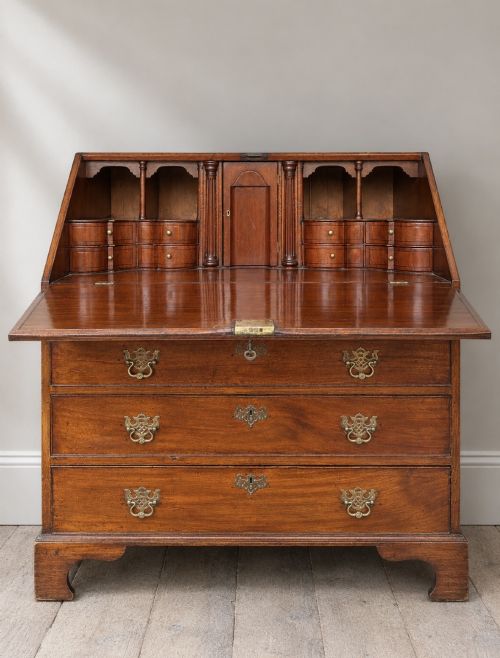
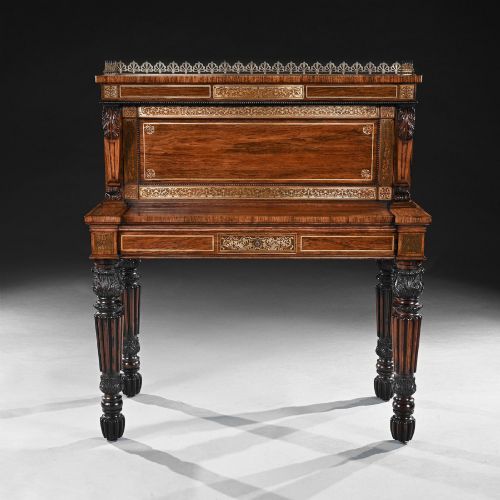
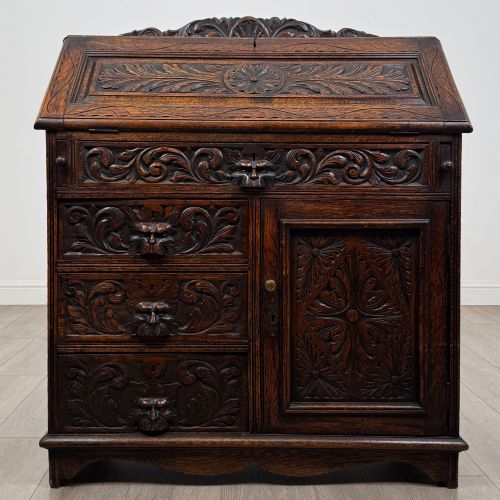
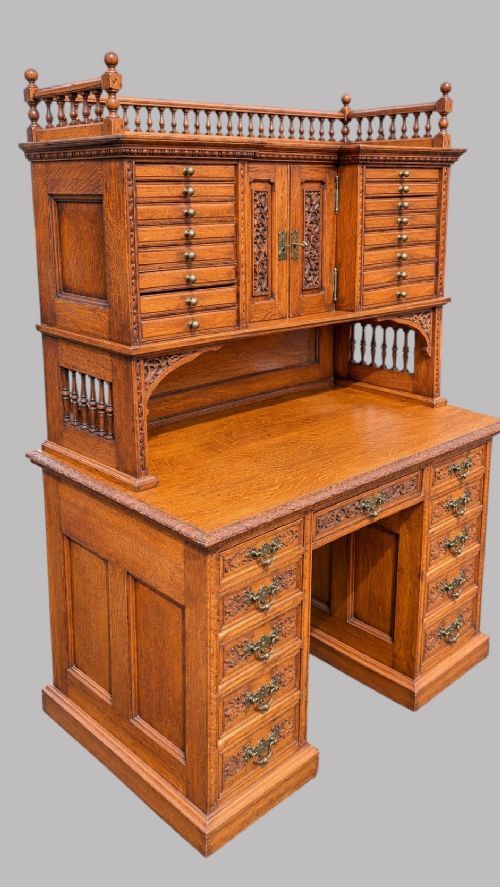
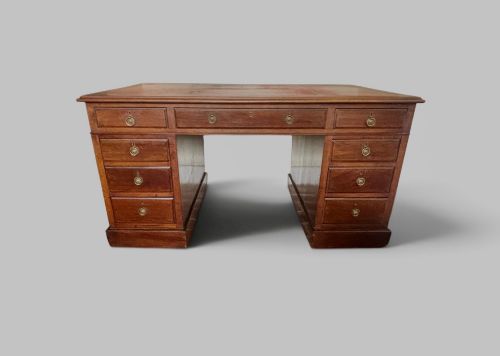


Antique Writing Furniture
Antique writing furniture brings together centuries of craftsmanship, offering practical desks, bureaux and writing tables crafted from rich timbers like mahogany and walnut.
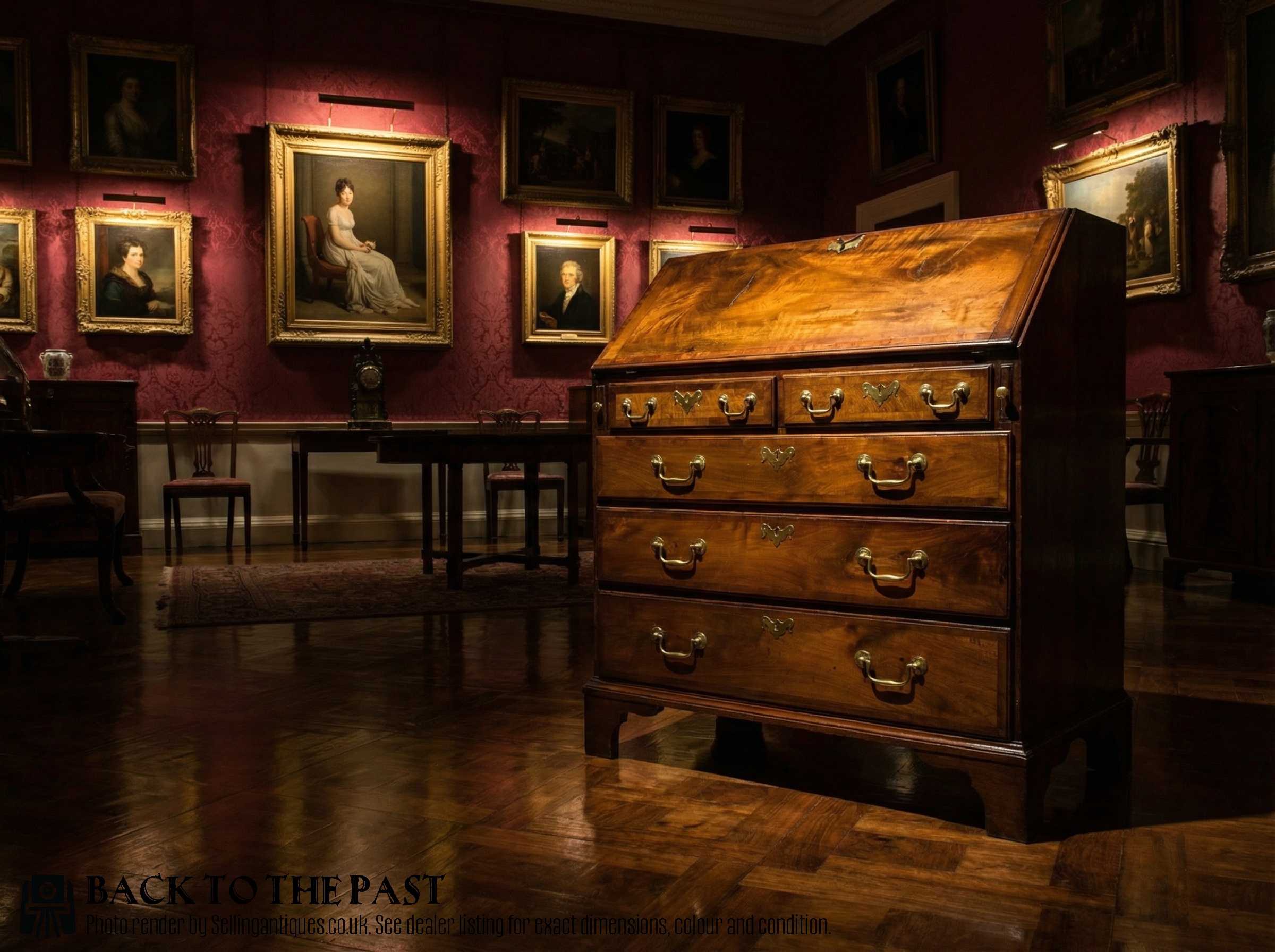
Antique Writing Furniture
Antique writing furniture comprises desks, bureaux, writing tables, secretaire bookcases and campaign chests designed for correspondence and administration. These objects span from the Georgian and Regency eras through the Victorian period into the Art Deco and Edwardian years.
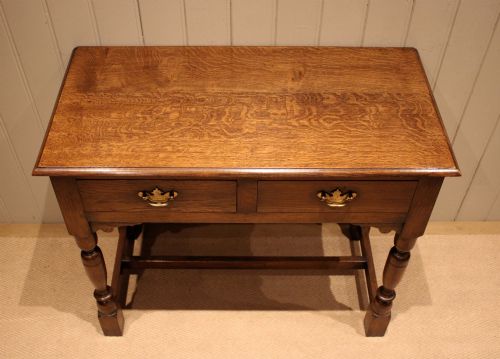
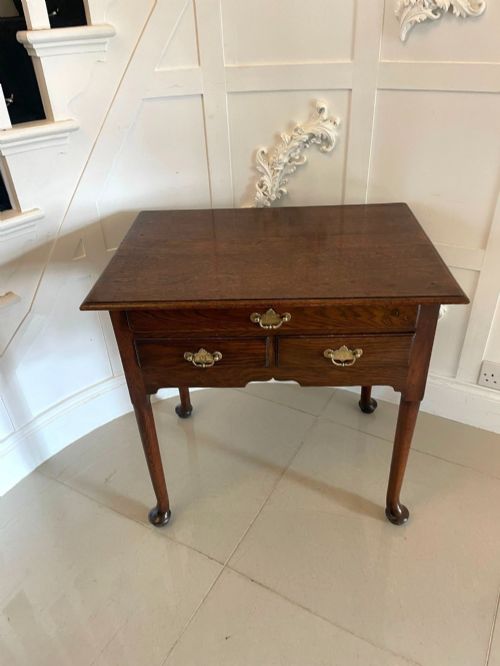
The most common forms on this page are mahogany pedestal desks, oak bureaux and inlaid writing tables. Pieces range from compact Davenport desks to large partners desks and bureau bookcases.
Origins include English workshops, French cabinetry and Dutch marquetry traditions, utilising timbers suited to each period's prevailing style.
How they were made
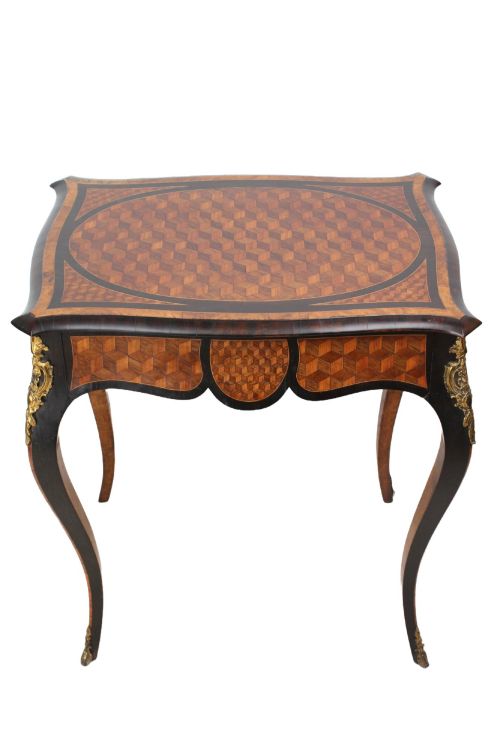
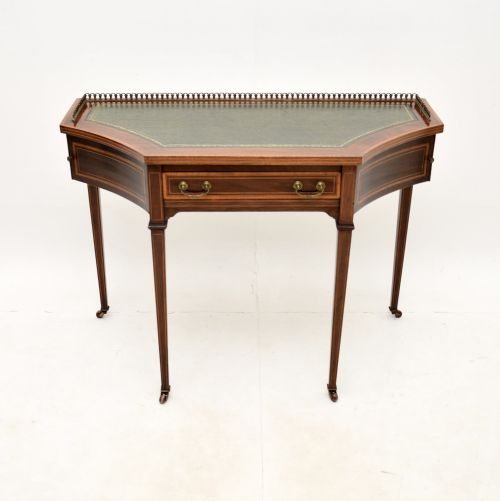
Makers utilised solid timbers and veneers of mahogany, oak, walnut, rosewood and satinwood, often applying brass inlay, ormolu mounts, or parquetry. Writing surfaces frequently incorporated fitted leather inserts.
Construction methods relied on traditional joinery, dovetailed drawer construction and turned or bracket feet, alongside specialised mechanisms for tambour shutters and folding writing flaps.
Antique Writing Furniture Retail Price Guide 2026
Typical asking prices for writing furniture among the pieces listed under this phrase on Sellingantiques today, from the lower quarter to the upper quarter. They describe what is for sale here now, not the wider market.
Listings feature woods including mahogany, oak, walnut, rosewood, and camphor wood across periods from the eighteenth century to the Art Deco era.
What varies in quality
Quality rests upon the selection of timber figures, such as flame mahogany or burr walnut, and the precision of marquetry, parquetry and brass inlay. Finer examples display meticulous interior arrangements with secret drawers and fitted compartments.
Construction integrity, original hardware, and the reputation of recorded makers or workshops distinguish standard utilitarian pieces from exceptional cabinet work.
Gillows Oxford Street Workshop·JAS Shoolbred·Trollope And Sons·James Mein Of Kelso
The Antique Writing Furniture Glossary
- Bureau
- A writing cabinet with a sloping lid that folds down to reveal a fitted interior of small drawers and pigeonholes. It often sits upon bracket feet or a chest of drawers.
- Pedestal desk
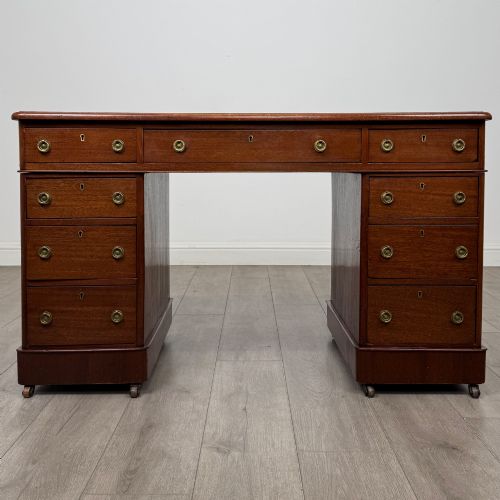
- A freestanding desk with two supporting banks of drawers beneath the work surface, providing storage on both sides in partners variants.
- Davenport
- A compact small writing desk featuring a sloping top and side drawers, originating in the Regency period.
- Secretaire
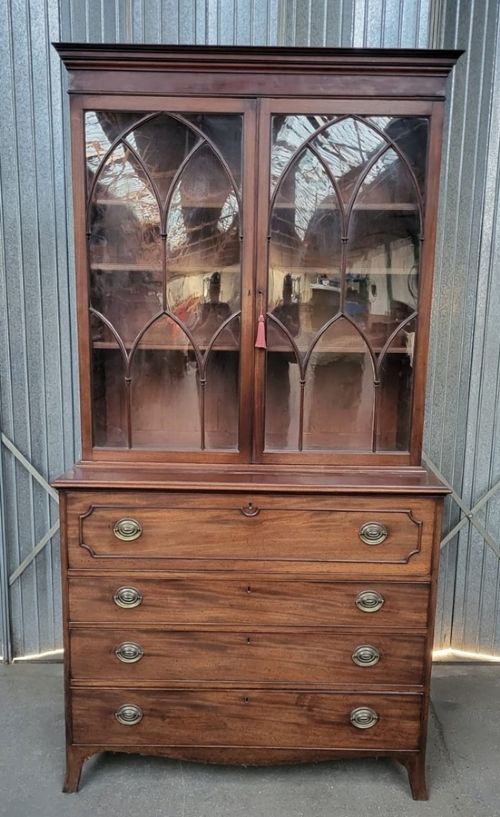
- A piece of furniture containing a pull-down writing drawer or flap disguised as standard drawer fronts or cabinet doors.
- Parquetry
- Geometric patterns formed by small pieces of contrasting wood veneer fitted together on a surface.
- Tambour
- A sliding shutter made of narrow vertical strips of wood glued to canvas, concealing compartments in desks.
Antique Writing Furniture: Frequently Asked Questions
What is a partners desk?
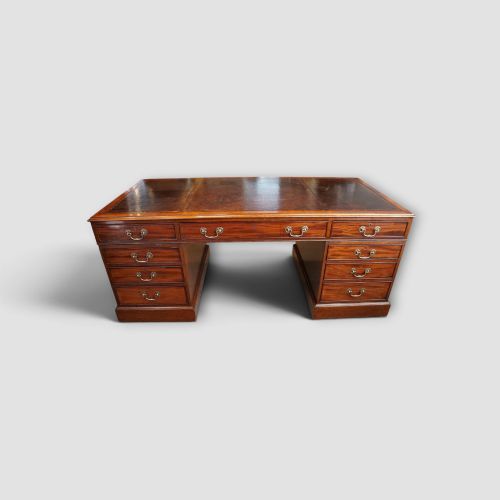
A partners desk is a large pedestal table designed with drawers and cupboards on both sides, allowing two people to work opposite one another.
These pieces typically date from the Victorian period and were built for shared studies, libraries or institutional offices.
Where were campaign writing slopes used?
Campaign writing slopes were portable desks used by military officers and travellers during the nineteenth century. They fold in half to form a compact box for transport.
These slope boxes often feature brass binding and flush handles to withstand rough travel conditions.
What is an Art Deco desk like?
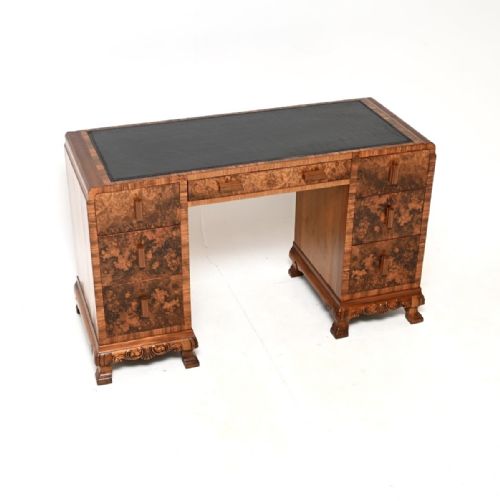
Art Deco desks from the early twentieth century utilise burr walnut, rosewood, and modernist geometric lines. They reflect a shift toward streamlined styling.
These pieces often pair contrasting wood veneers with leather writing inserts and clean architectural forms.