


Small Writing Bureau
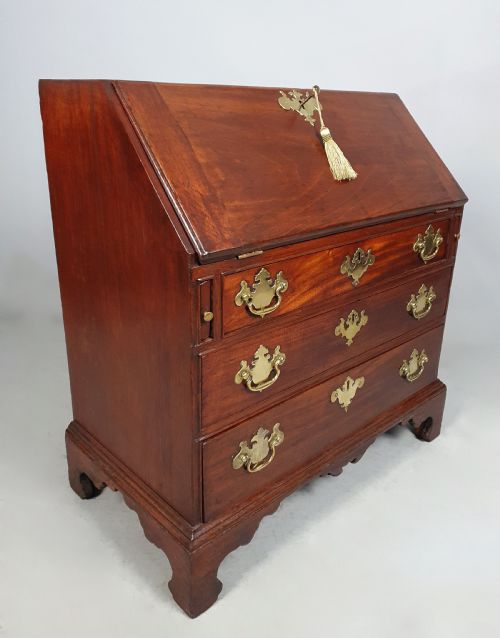
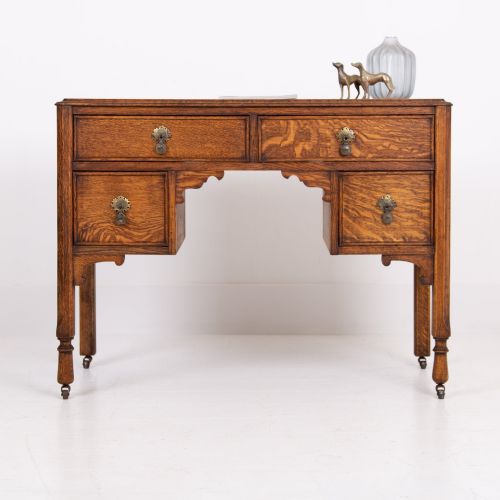
A small writing bureau offers a compact workspace with clever fitted compartments, bringing historic domestic craftsmanship directly into modern rooms.
Small Writing Bureau Forms and Origins
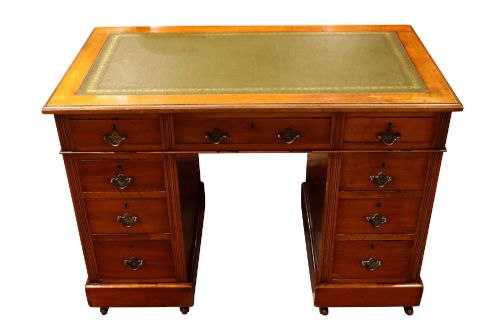
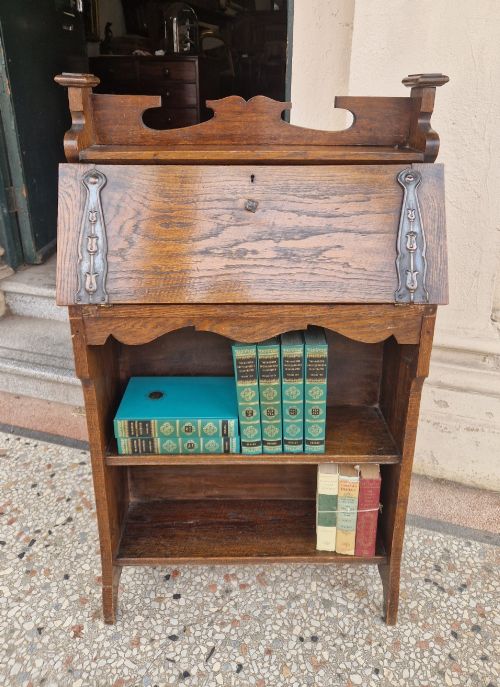
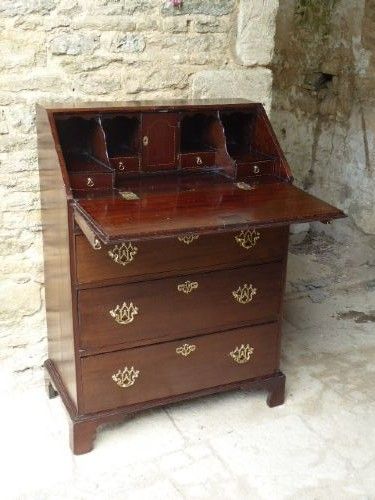
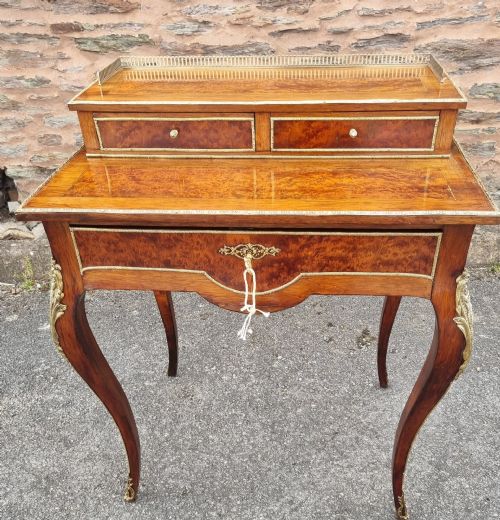
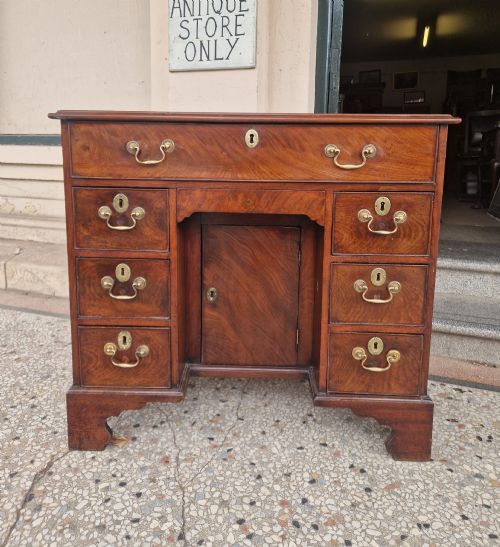
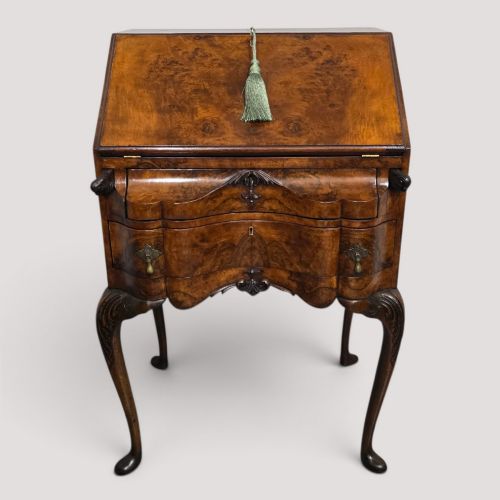
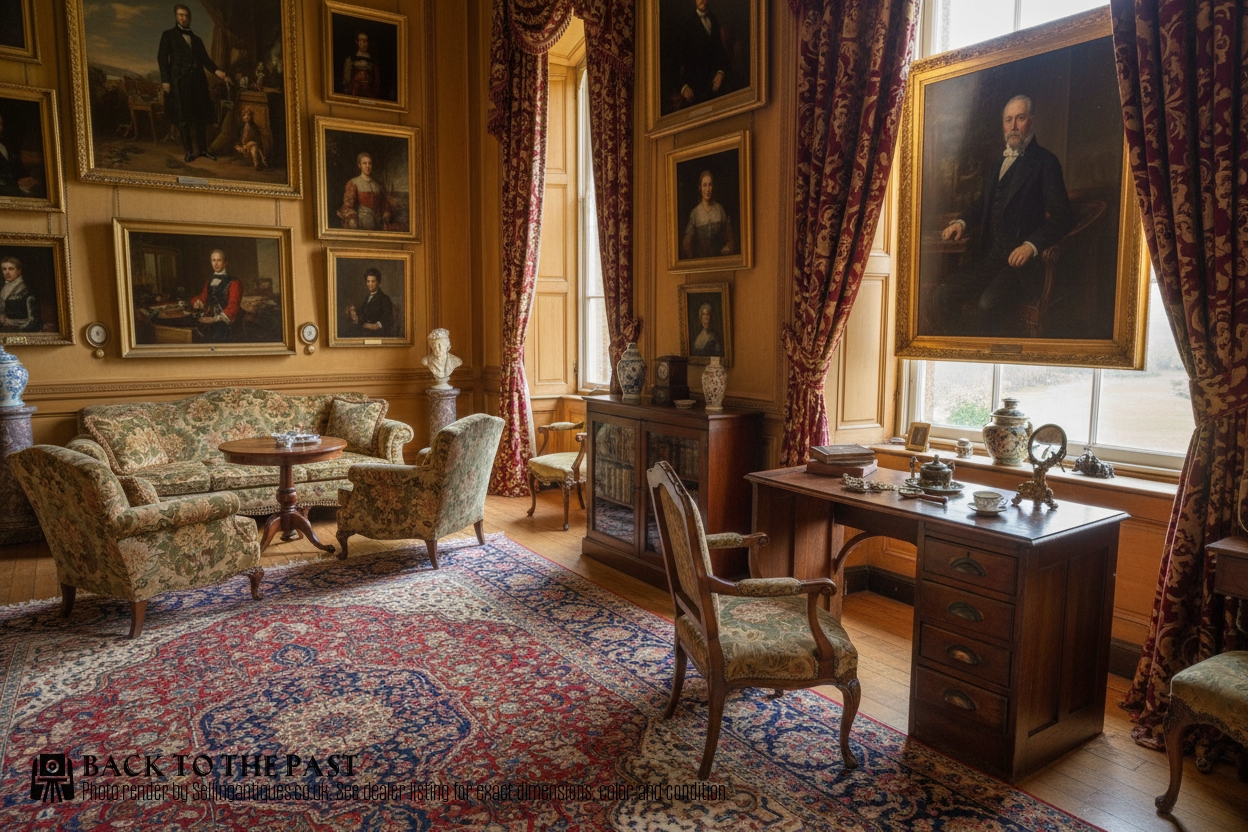
When someone searches for a small writing bureau, they encounter compact timber furniture designed for correspondence and storage from various historic periods. The pieces appearing here span Georgian, Victorian, and Edwardian eras, alongside later revival styles.
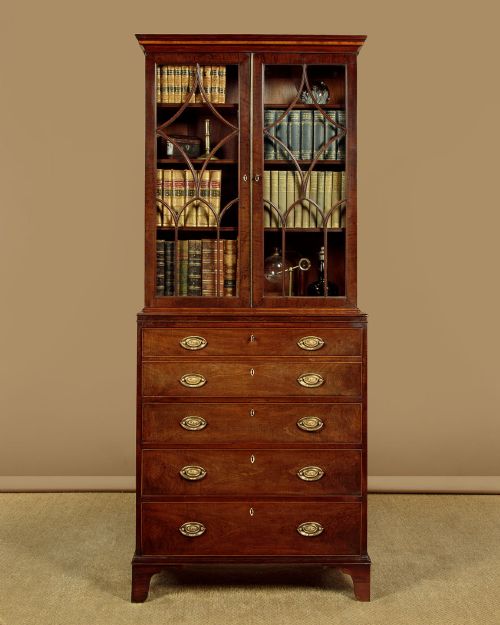
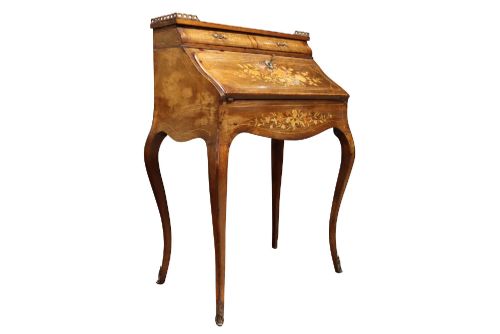
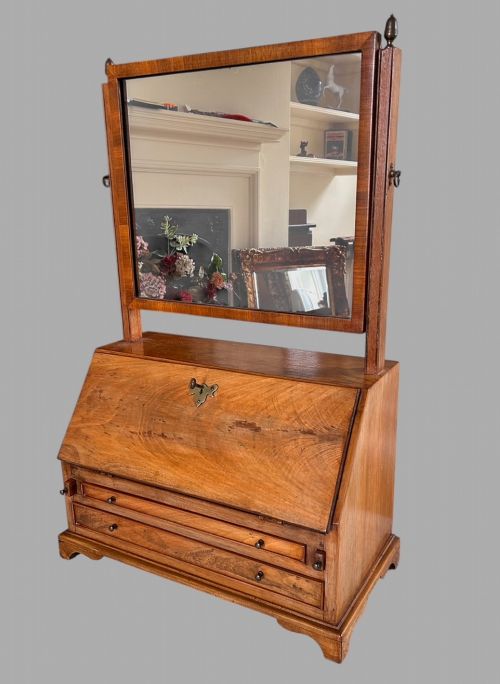
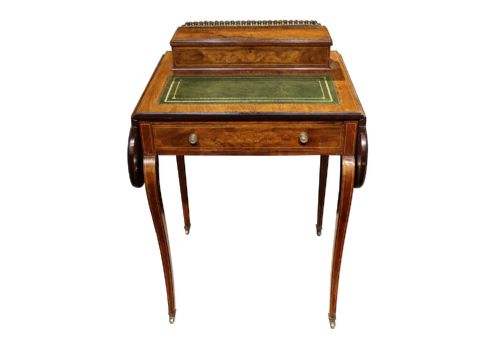
Forms range from traditional fall-front sloping desks that conceal pigeonholes and small drawers to specialised writing tables, davenports, and bonheur-du-jour designs. Mahogany, oak, and walnut feature prominently in these compact domestic items.
Origin points include English provincial workshops, Scottish makers, and French ateliers. Buyers frequently select these items to fit intimate rooms while retaining period character.
Materials and Technique
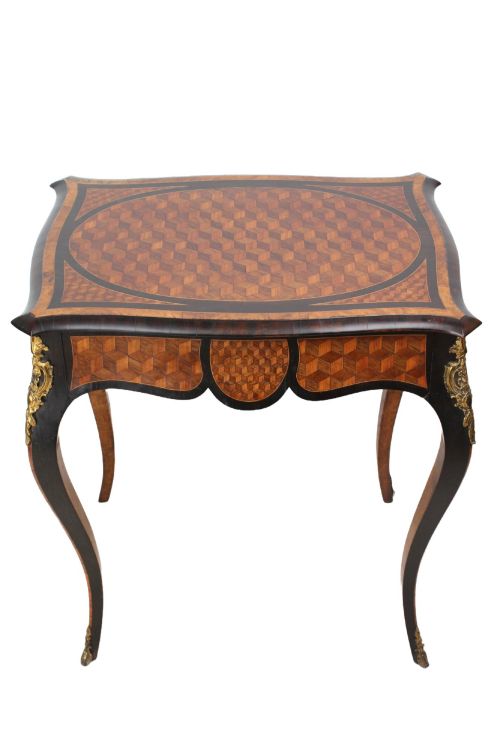
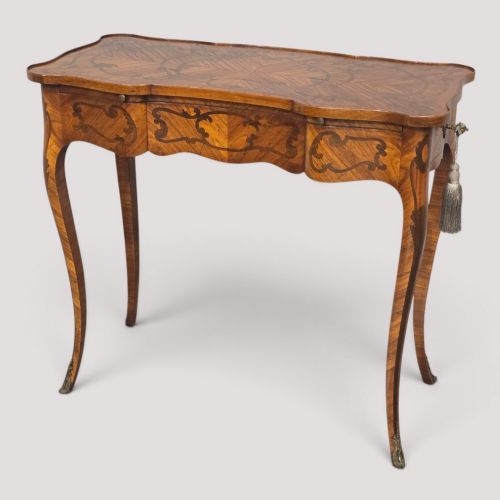
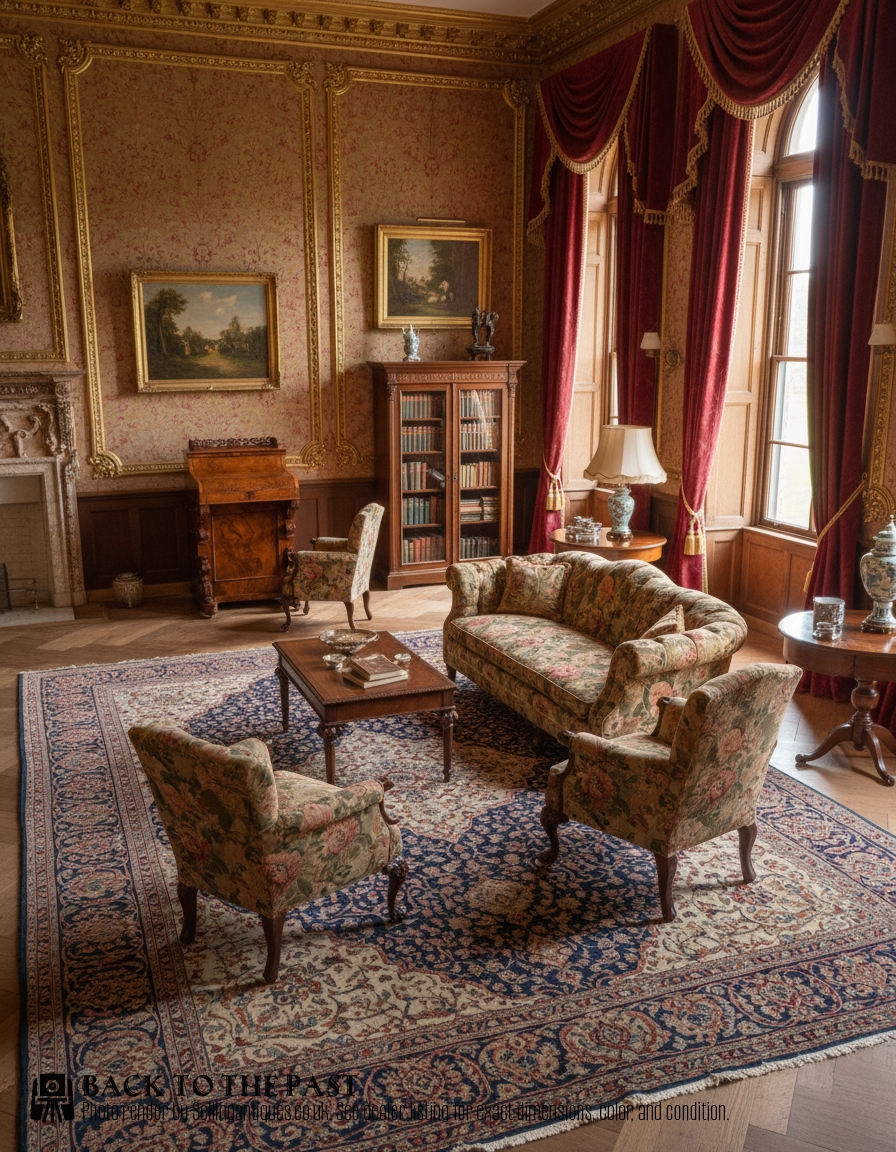
Cabinet makers constructed these items primarily in mahogany, oak, and walnut, frequently utilising burr veneers to create rich surface patterns. Marquetry inlay, satinwood stringing, and brass hardware appear across the examples.
Internal components incorporate secondary timbers such as oak for linings, alongside dovetailed drawer construction. Iron fittings and leather writing surfaces also support the structural integrity of the desks.
Retail Price Guide 2026
Typical UK retail prices for small writing bureau, calculated from the Sellingantiques database of over a million retail prices indexed since 2003. This retail price guide relies exclusively on Sellingantiques data; no external sources or auction records are used, so the figures do not describe the wider market.
Apprentice pieces allowed young woodworkers to demonstrate their mastery by producing fully functional miniature bureaus before graduating to full scale.
Factors of Quality
Superior examples distinguish themselves through the precision of their timber selection, such as matched burr walnut or figured mahogany veneers. The crispness of marquetry inlay and the careful alignment of internal pigeonholes reflect higher workshop standards.
Construction details like hand-cut dovetails, original brass handles, and secondary woods of good weight mark out the better pieces in this range. The integration of fitted drawers and smooth-operating fall-front mechanisms also separates standard production from finer work.
Jenners·Gillows
The Small Writing Bureau Glossary
- Bureau
- A desk with a sloping hinged lid that covers a compartment of pigeonholes and small drawers. This form allows a writer to conceal correspondence when not in use.
- Fall-front
- The hinged sloping board on a bureau that drops down to form a writing surface. It rests upon pull-out lopers for support during use.
- Davenport
- A small compact desk featuring a sloped writing surface above a pedestal of drawers. Originating in the nineteenth century, these pieces often incorporate side drawers and burr veneers.
- Marquetry
- Decorative patterns formed by fitting together thin slices of various coloured woods onto a structural surface. This technique creates elaborate floral or geometric designs on tabletops and bureau flaps.
- Secretaire
- A piece of furniture containing a drawer or compartment configured for writing. These often disguise a fitted desk within the appearance of a standard chest of drawers.
Frequently Asked Questions
What is a small writing bureau?
A small writing bureau is a compact desk featuring a sloping hinged lid that opens to reveal internal drawers and pigeonholes. These pieces provide a dedicated writing surface while occupying minimal floor space in a room.
Historically used for managing personal correspondence and household accounts, they combine enclosed storage with a fold-down desk area.
How do I date a bureau?
Dating relies on examining the timber species, construction methods, and stylistic details present in the piece. Georgian examples often show solid mahogany or oak with hand-cut dovetails, while Edwardian versions frequently display lighter inlaid decoration.
Secondary woods inside drawers and the style of brass hardware also offer clues to the specific manufacturing period.
Where were these desks placed?
These compact desks suited private sitting rooms, bedrooms, and drawing rooms where full-sized library tables proved too large. Their modest proportions allowed them to sit comfortably against walls or in corners.
They served individuals who required a private space for letter writing and document storage without dominating the domestic interior.
How should I care for timber surfaces?
Maintaining these pieces involves protecting the antique wood from direct sunlight and extreme temperature fluctuations. Regular dusting with a soft cloth preserves the polish on walnut, mahogany, and oak.
Applying appropriate wax polish occasionally helps nourish the timber and maintains the finish without building up heavy residues.