
Edwardian Study Table
An edwardian study table brings together practical workspace and refined period timber, offering a dependable surface for daily reading or correspondence.
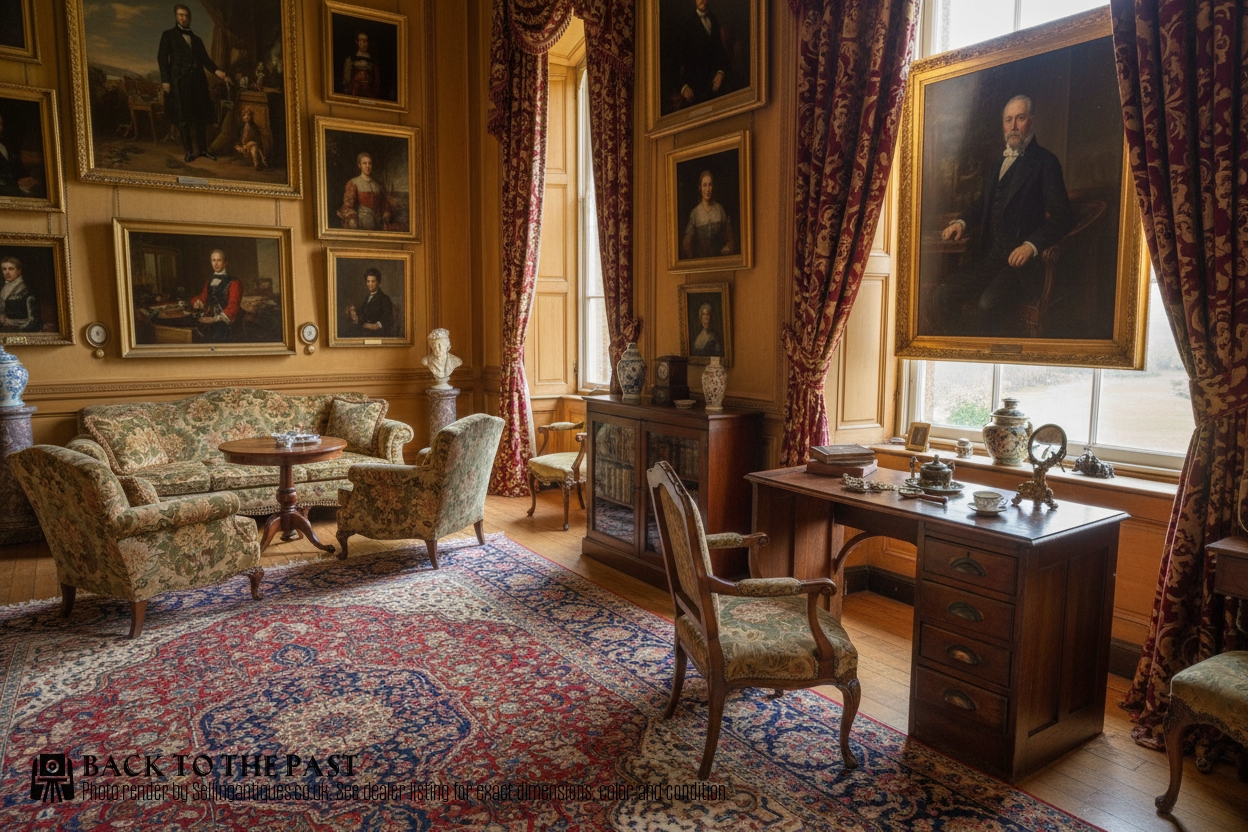
Edwardian Study Table
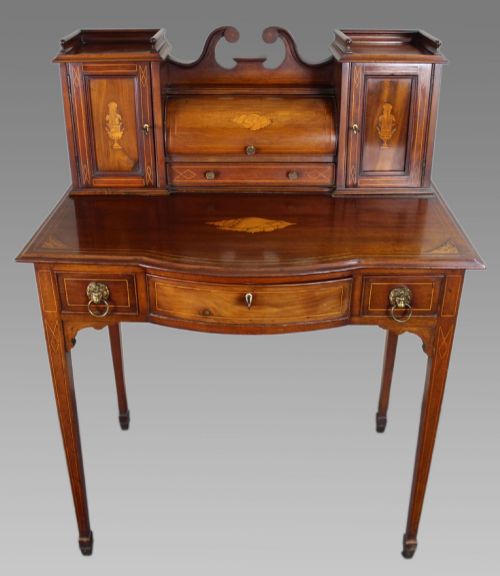
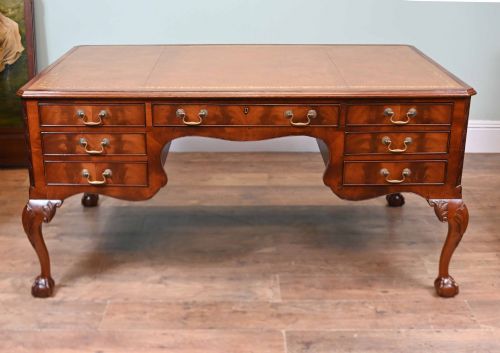
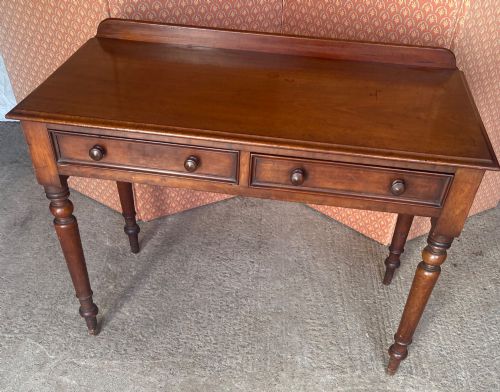
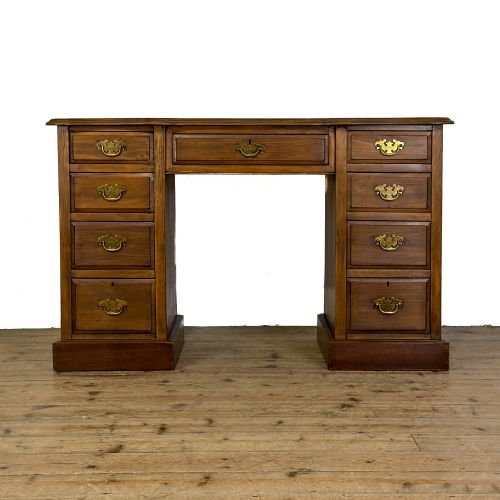
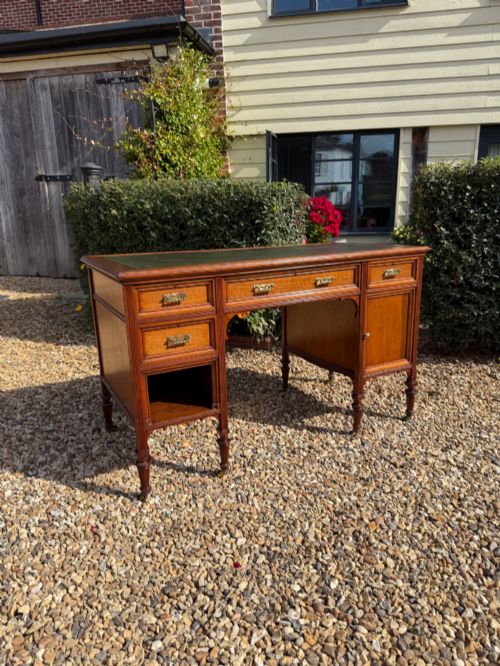
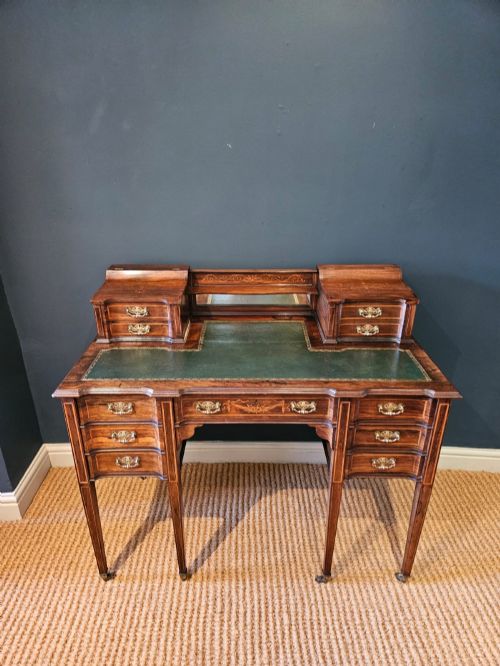
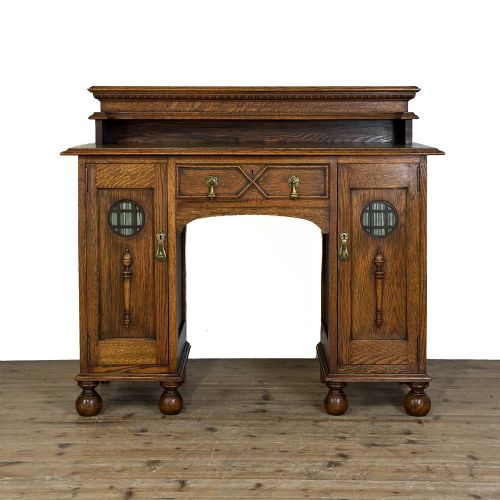
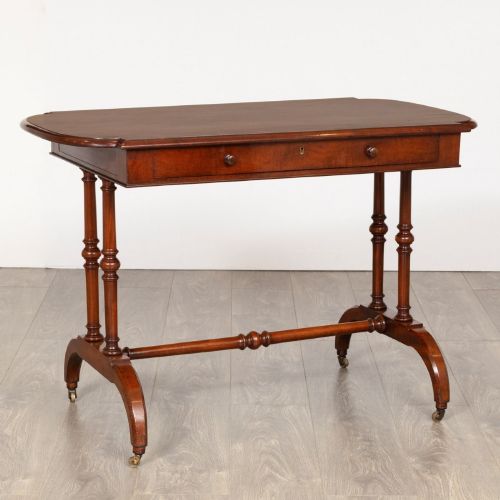
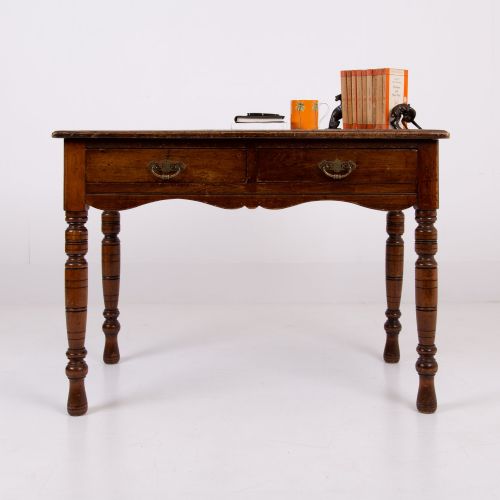
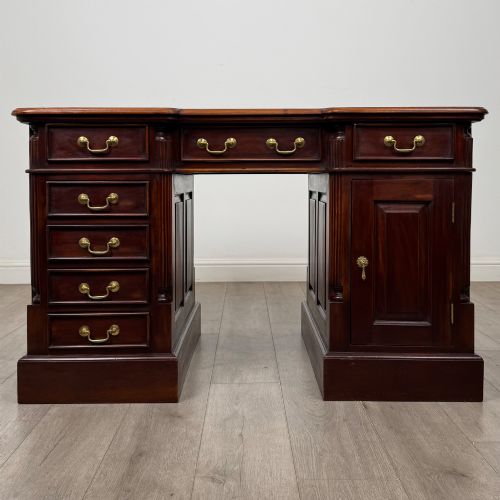
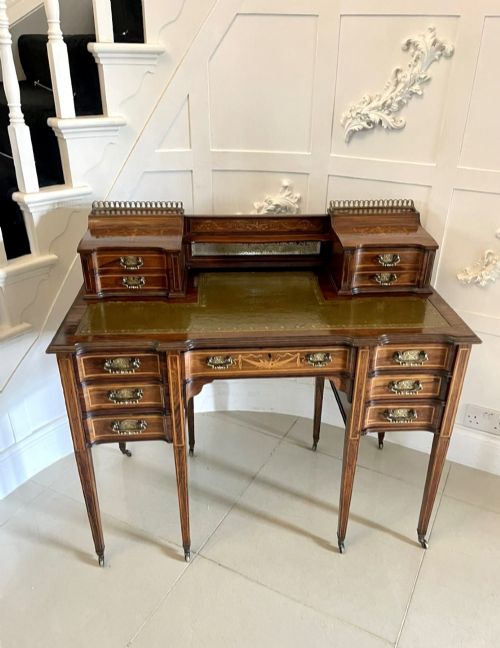
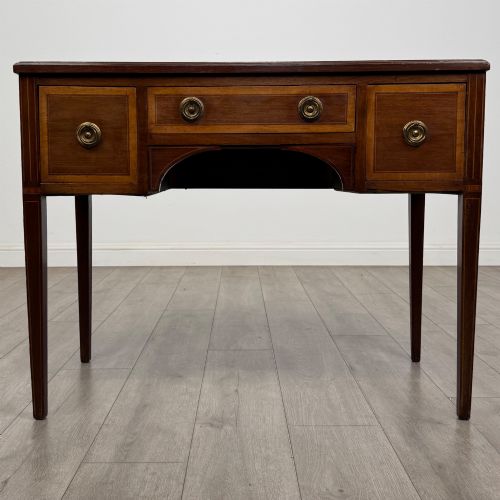
An edwardian study table serves as a dedicated writing surface, often taking the form of a freestanding writing table, a compact kneehole desk, or a twin pedestal model. These pieces emerge predominantly from the Edwardian period and the surrounding decades, reflecting a shift towards lighter domestic workspaces.
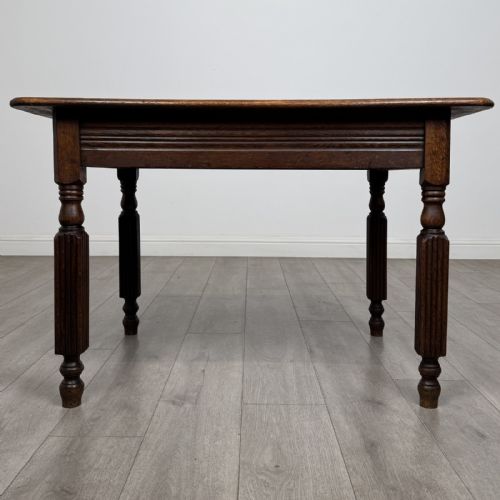
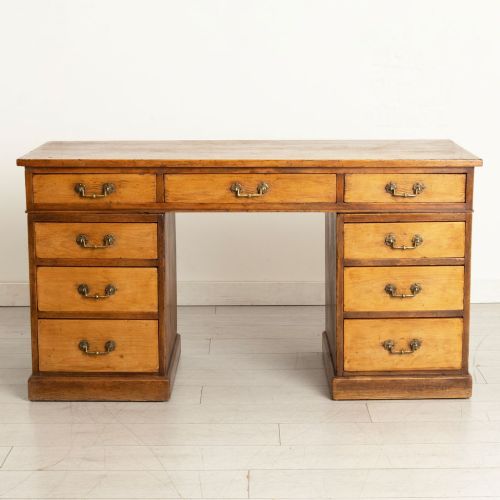
The version most frequently encountered on this page is constructed from mahogany, sometimes accented with satinwood inlay, or built in solid oak following Arts and Crafts or revival ideals. Such tables prioritize functional drawers, clear writing surfaces, and balanced proportions suitable for home libraries or studies.
Makers and workshops of the era also produced partner desks and library tables designed to sit centrally in a room, finished with polished timber on all sides. Buyers seeking this phrase typically select between pedestal variants with multiple drawers and simpler writing tables with single or triple drawer configurations.
How they were made
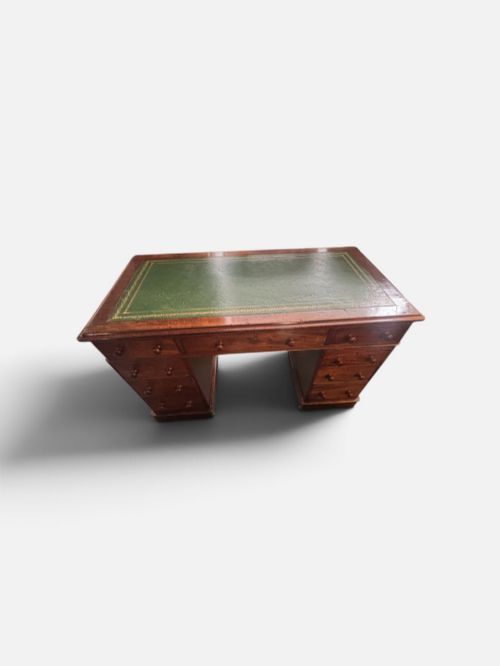
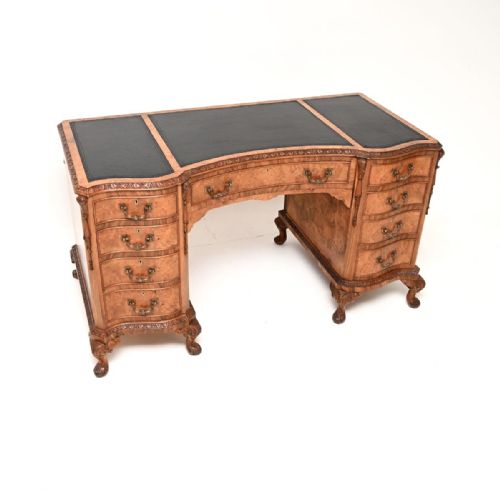
Cabinet makers constructed these tables primarily using solid and veneered timbers such as mahogany, walnut, burr walnut, and oak, often mounting leather writing surfaces into the top boards. Brass hardware, including original handles and key escutcheons, provides functional and decorative accents across pedestal and writing table formats.
Joinery techniques relied on traditional dovetail joints for drawer construction and sturdy mortise and tenon frames to support daily use. Surfaces received polished finishes that highlighted the natural grain patterns of flame mahogany, satinwood stringing, or figured walnut.
Several desks retain their original brass handles and drop-side flaps for impromptu paperwork expansions.
What varies in quality
The standard of a piece rests on the selection of timber figures, such as matched flame mahogany or rich burr walnut, and the precision of inlaid details like satinwood banding. Superior examples maintain original leather inserts, matching brass handles, and tightly fitted drawers that run smoothly on solid timber guides.
Construction depth separates ordinary production from finer workshop output, evident in secondary framing timbers, hand-cut dovetailing, and fully finished backs for freestanding placement. The integrity of the polish and the crispness of revival carving further distinguish the hierarchy among surviving tables.
Maple and Co·Heal and Son·Trollope and Sons·Edwards and Roberts
The Edwardian Study Table Glossary
- Pedestal desk
- A heavy desk comprising two supporting columns of drawers with a central writing insert. It provides substantial storage beneath the top surface.
- Kneehole table
- A compact writing desk featuring a central recess for the user's legs, flanked by single or multiple drawer stacks.
- Satinwood
- A lustrous, pale yellow timber native to India and Ceylon, frequently utilised for delicate stringing and marquetry inlay on mahogany furniture.
- Partners desk
- A large double-sided desk built so two people can work opposite each other simultaneously, equipped with drawers on both faces.
- Marquetry
- The art of forming decorative patterns by fitting together thin veneers of different coloured woods.
- Inlay
- A technique where pieces of contrasting timber or metal are inserted into recessed cavities on a solid wooden surface to create ornamental designs.
Edwardian Study Table: Frequently Asked Questions
What is an edwardian study table?
An edwardian study table is a wooden writing desk or library table produced around the early twentieth century, designed for correspondence and reading.
These pieces range from simple single-drawer writing tables to large twin pedestal desks equipped with leather tops.
How do I identify an edwardian study table?
Identification relies on observing characteristic timber choices like mahogany and oak, alongside stylistic elements from the Edwardian era and revival movements.
Examination of the drawer construction, hardware style, and secondary woods helps confirm the period of manufacture.
Where should I place a study table?
These tables suit home offices, studies, or living rooms, functioning well against a wall or freestanding in the middle of a room.
Freestanding pedestal and partner models work particularly well when exposed on all four sides.
How do I care for the leather top?
Leather writing surfaces require gentle cleaning with a damp cloth and occasional treatment with appropriate leather dressings to prevent drying.
Avoiding direct sunlight and excessive moisture helps preserve the colour and supple texture of the hide.