
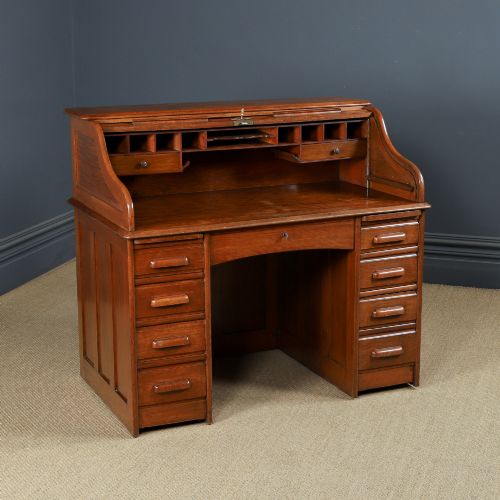
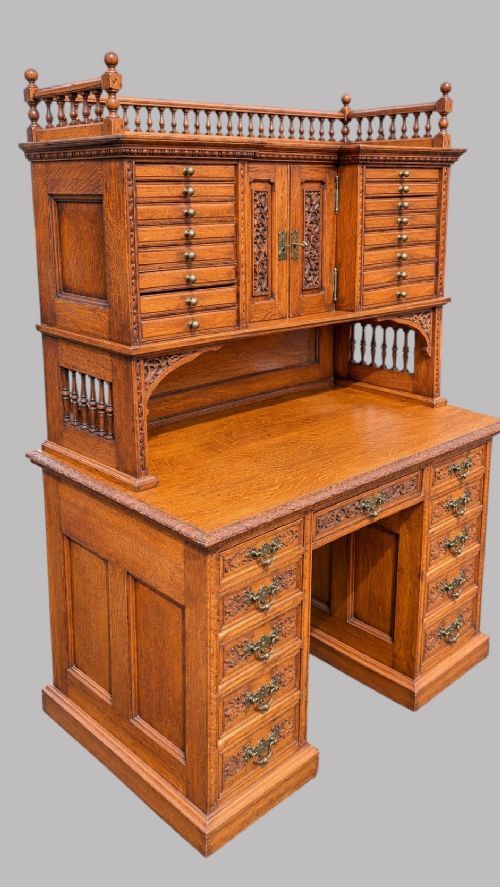
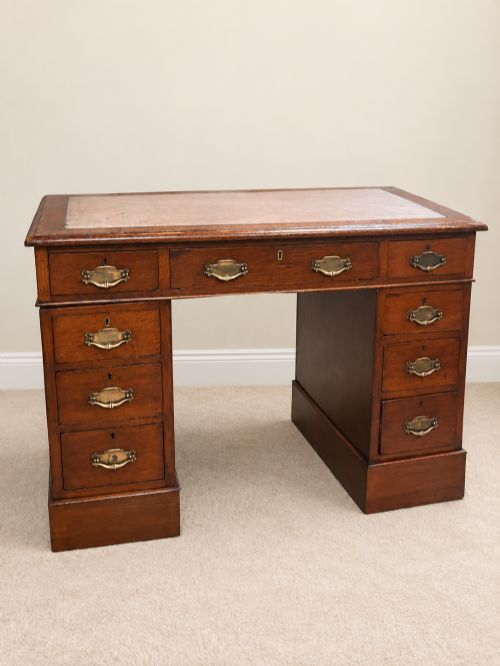
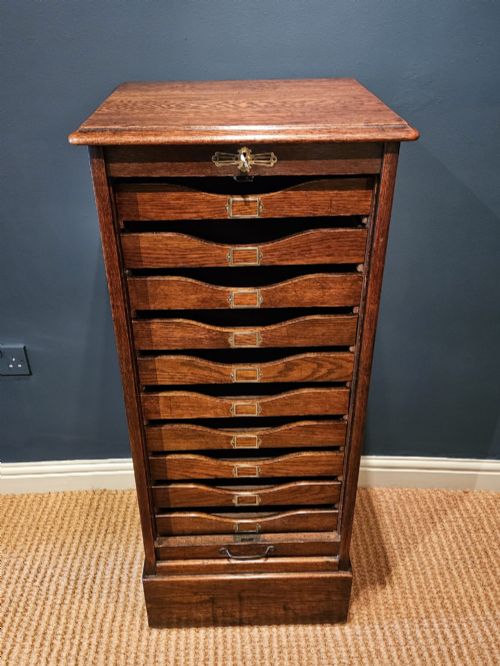
Oak Office Desk
An oak office desk brings solid timber construction and practical workspace into a study, drawing on Edwardian, Victorian, and later periods.
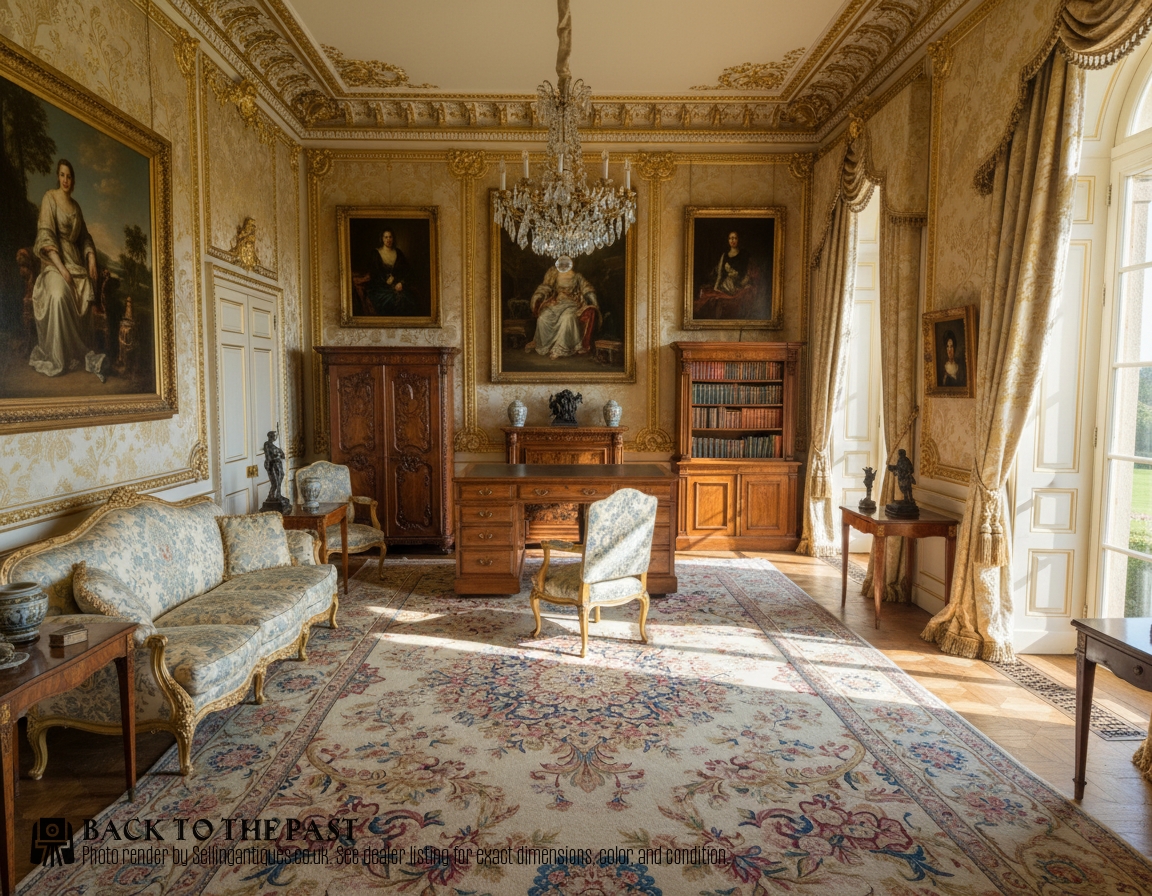
What an oak office desk is
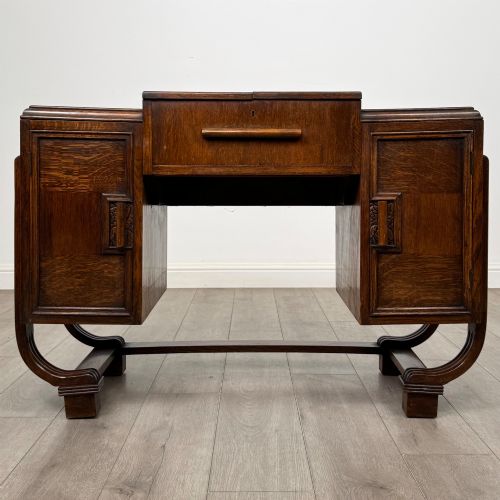
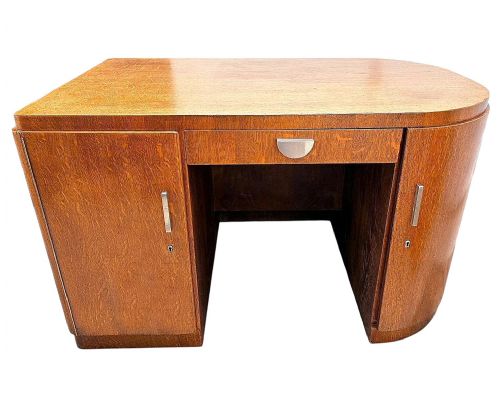
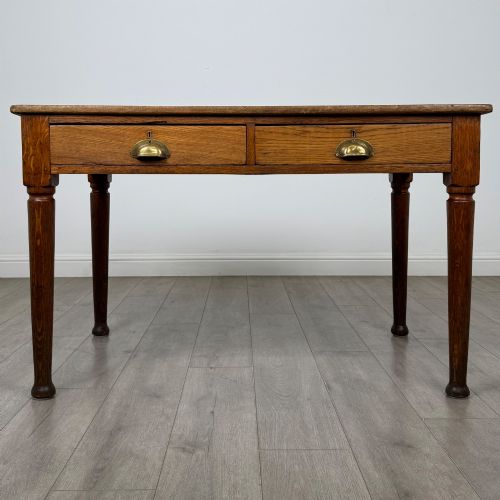
An oak office desk represents a sturdy and functional workspace built to last, appearing across styles from the Victorian era through the Edwardian period and into the 1930s. Buyers searching for an oak office desk will find substantial pedestal forms, partners desks, and library tables designed for professional or domestic use.
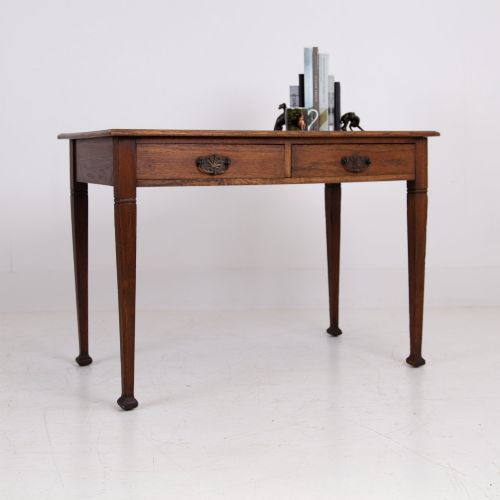
The pieces listed on this page span the 19th century and the early 20th century, including specific iterations like banker's desks and Arts & Crafts designs. These forms provide deep drawers, writing surfaces, and robust timber framing characteristic of period workspaces.
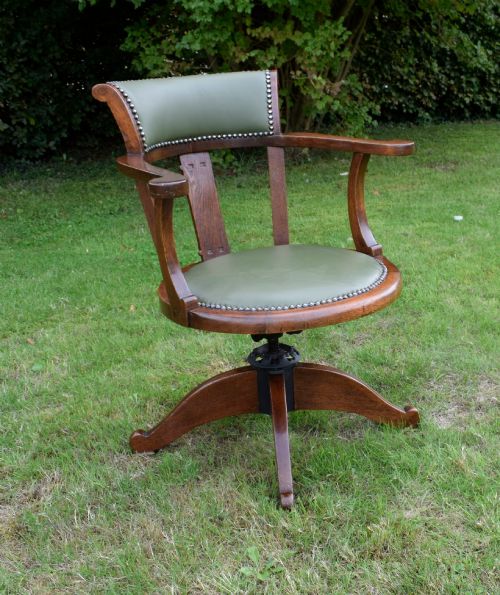
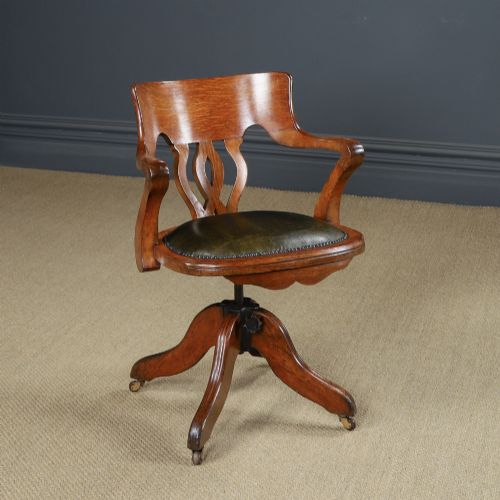
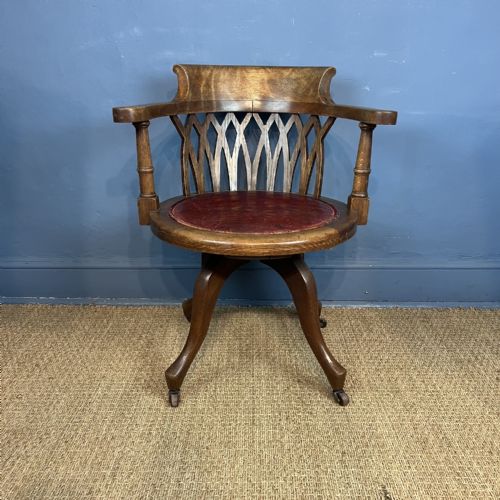
Alongside standalone writing tables, the broader lineage of these pieces encompasses associated seating such as revolving armchairs and swivel desk chairs upholstered in leather. Such items reflect the complete furnishing of historic studies and administrative rooms.
How they were made
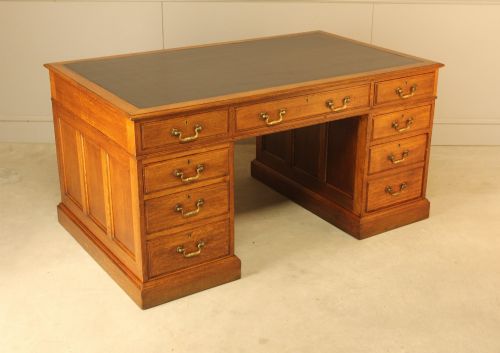
Makers constructed these pieces primarily from solid oak, utilising its natural strength to support heavy daily use in offices and libraries. Secondary materials such as brass fittings, iron hardware, and inset leather writing surfaces complement the timber structure.
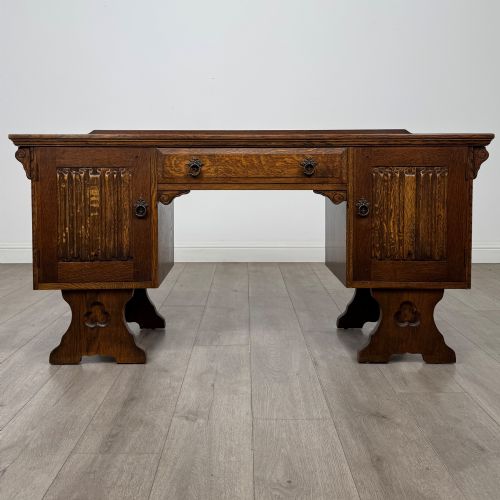
Joinery methods range from traditional panel work to carved decorative elements like linenfold motifs, particularly on pieces from the Edwardian period and the Arts & Crafts movement. Revolving mechanisms and adjustable height fittings on associated desk chairs incorporate iron and steel components for smooth mechanical movement.
Retail Price Guide 2026
Typical UK retail prices for oak office desk, calculated from the Sellingantiques database of over a million retail prices indexed since 2003. This retail price guide relies exclusively on Sellingantiques data; no external sources or auction records are used, so the figures do not describe the wider market.
Listings span the 19th century through the Edwardian period, 1920, and 1930, uniting oak, brass, leather, and iron.
What varies in quality
The standard of a piece rests upon the selection of the timber grain, the crispness of any carved detailing such as linenfold panels, and the integrity of the structural joinery. Finer examples display thoughtful proportion and balanced pedestal configurations rather than purely utilitarian assembly.
Hardware preservation also dictates distinction, noting whether original brass handles, locks, and leather inserts remain intact and undisturbed by modern replacements. The sophistication of movement in associated swivel chairs or the complexity of a partners desk configuration further separates standard commercial output from superior workshop production.
Bell Barn Furniture·William Birchcraft·Cooke’s of Finsbury London
The Oak Office Desk Glossary
- Pedestal desk
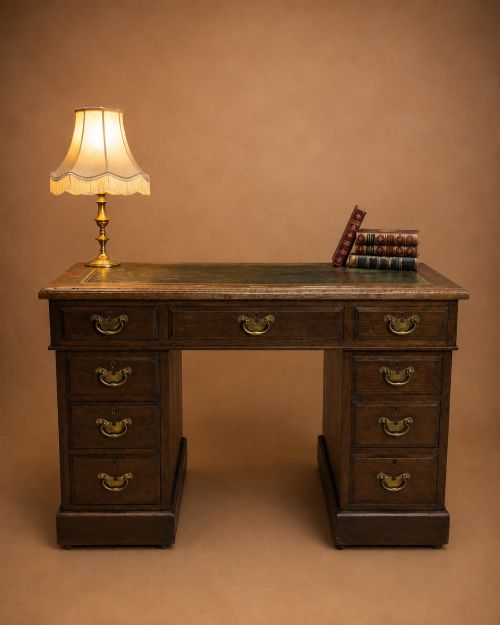
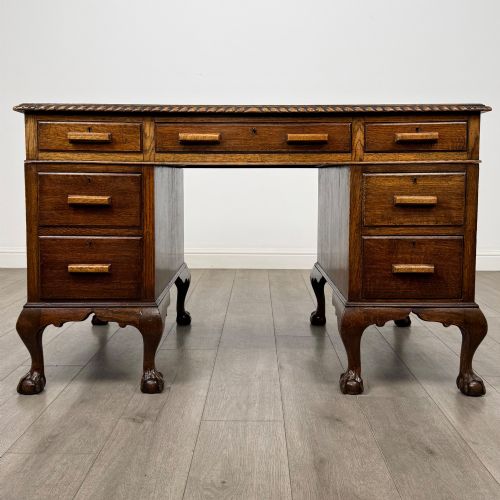
- A heavy writing table supported by two banks of drawers running down to the floor, providing ample storage beneath the main top. This form is common among Edwardian and Victorian office furniture.
- Partners desk
- A large double-sided desk designed for two people to work opposite one another, featuring drawers and cupboards on both faces. These pieces typically originate from the 19th century or early 20th century.
- Linenfold
- A style of carved wooden panelling that resembles folded vertical sheets of linen, frequently found on Edwardian oak furniture. This decorative technique adds texture to cabinet doors and drawer fronts.
- Arts and Crafts
- A design movement prioritising traditional craftsmanship, visible grain, and simple construction over mass-produced ornamentation. Pieces from this style often emphasise the natural qualities of solid oak.
- Revolving desk chair
- An adjustable swivel armchair with a timber frame and a leather-upholstered seat, designed for mobility behind a heavy office desk. These chairs frequently incorporate iron and steel spindles beneath the oak seat.
Frequently Asked Questions
What is a partners desk?
A partners desk is a large double-sided writing table designed with drawers and cupboards on both faces, allowing two people to sit and work opposite each other. These substantial pieces were traditionally used in offices, libraries, and boardrooms.
The layout offers generous surface area and symmetrical storage, making them a commanding focal point in a large study. Surviving examples often date from the 19th century and the early decades of the 20th century.
How do I identify an Edwardian oak desk?
Edwardian oak desks are typically characterised by solid timber construction, functional pedestal or writing table forms, and occasional decorative touches like Arts & Crafts carving or linenfold panels. They reflect the furniture styles popular between roughly 1901 and 1910.
Unlike heavier Victorian pieces, Edwardian examples often balance robust utility with slightly lighter proportions. Examining the interior drawer construction and hardware helps confirm the period.
What timber was used for these desks?
These pieces were built using solid oak as the primary structural and visible timber, valued for its durability and prominent grain pattern. Secondary woods were occasionally used for internal drawer linings.
In addition to the timber, makers incorporated materials such as brass for drawer pulls, iron for mechanical chair supports, and dyed leather for writing surfaces. This combination ensured the furniture could withstand daily professional use.
How do I care for a leather desk top?
Leather desk inserts require gentle cleaning with a soft, dry cloth to remove dust and debris without damaging the surface. Avoid harsh chemical cleaners or excessive moisture that can dry out or discolour the hide.
Applying a specialist leather conditioner periodically helps maintain suppleness and preserves the rich tone of the material. Keeping the desk away from direct sunlight prevents fading over time.