
Antique Wooden Tilt Table
An antique wooden tilt table folds flat for storage when not holding wine, books or breakfast.
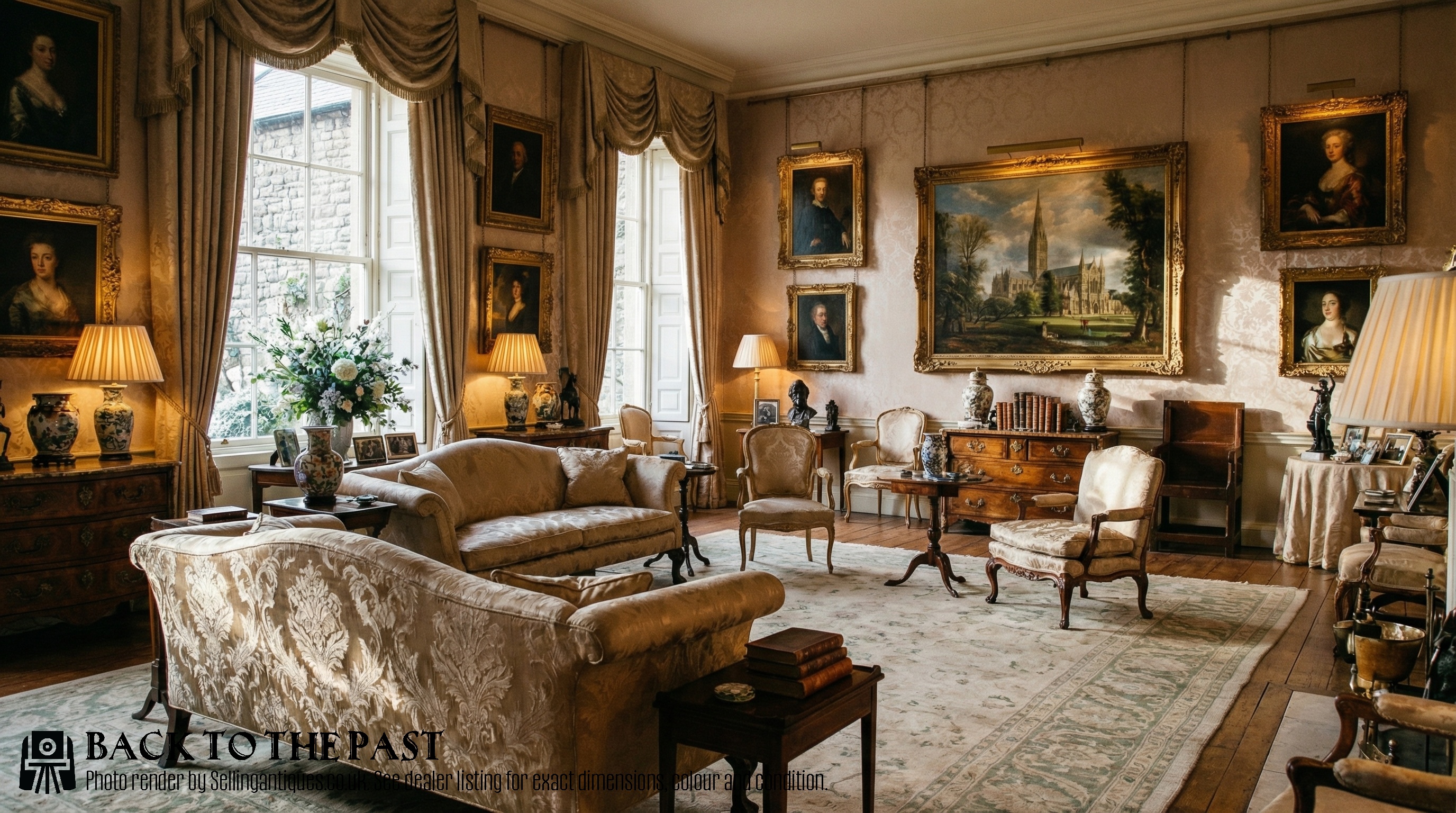
Antique Wooden Tilt Table
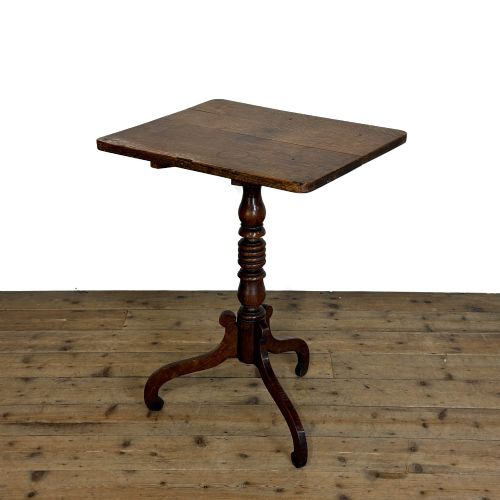
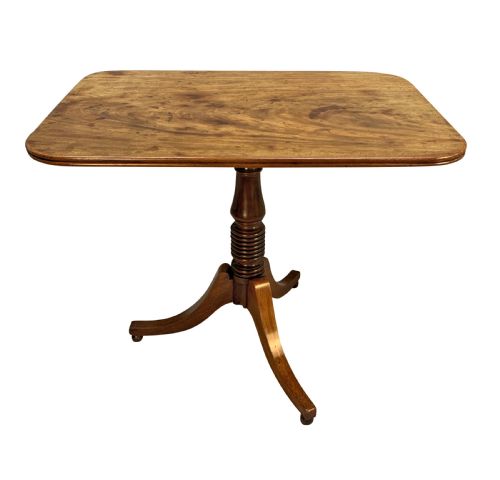
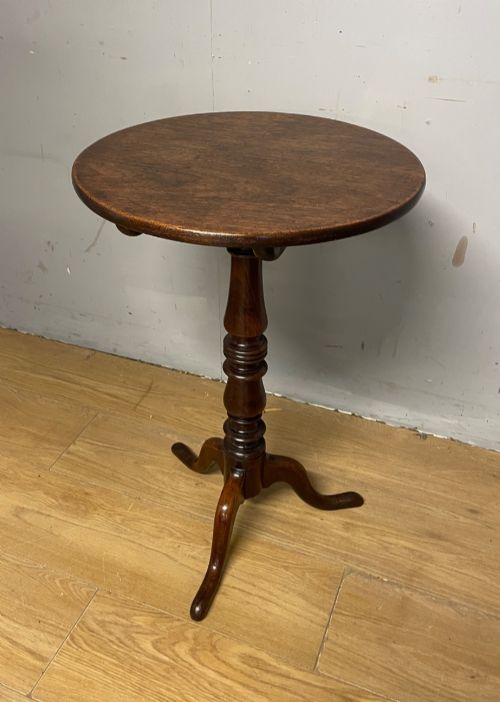
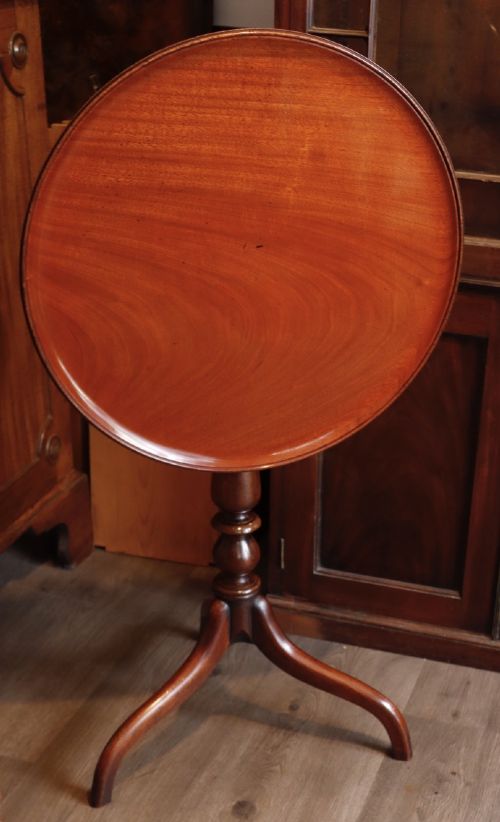
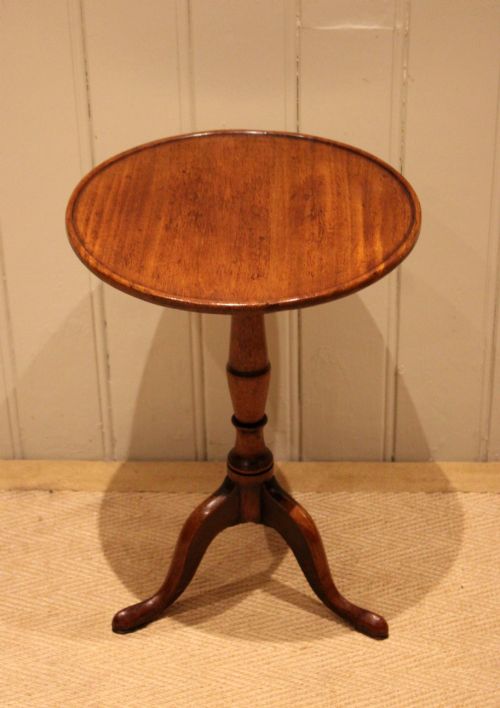
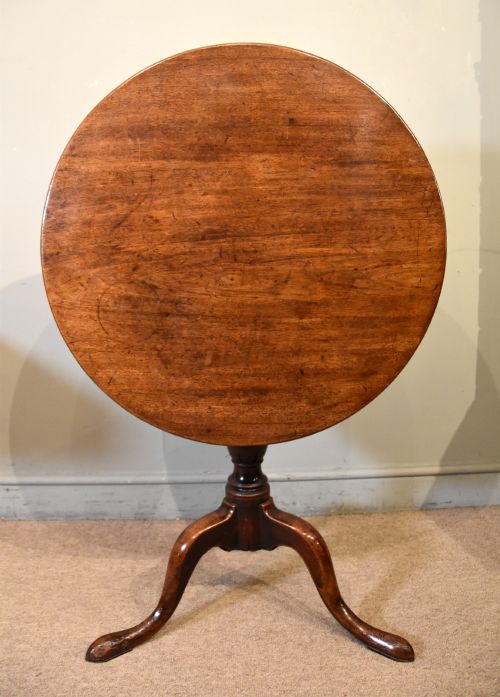
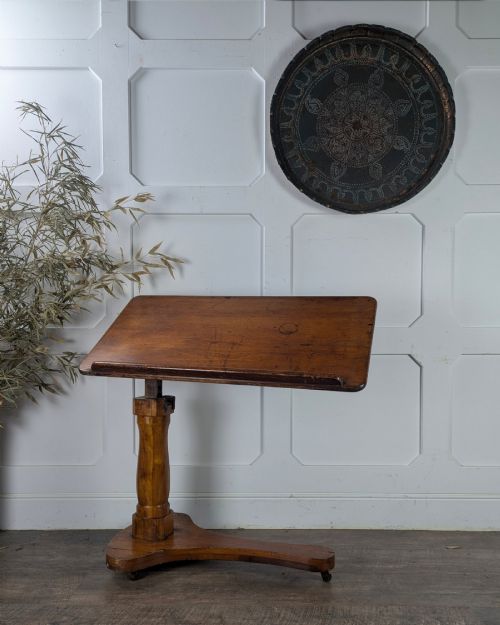
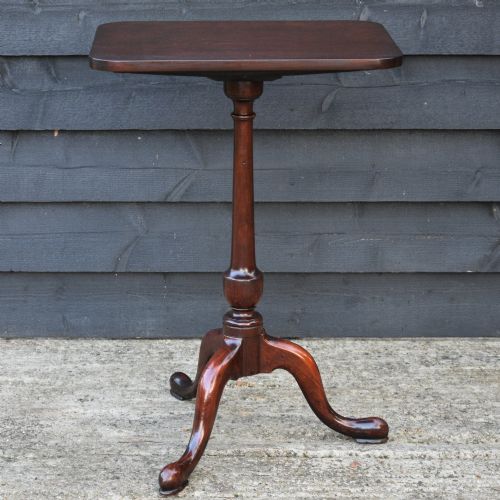
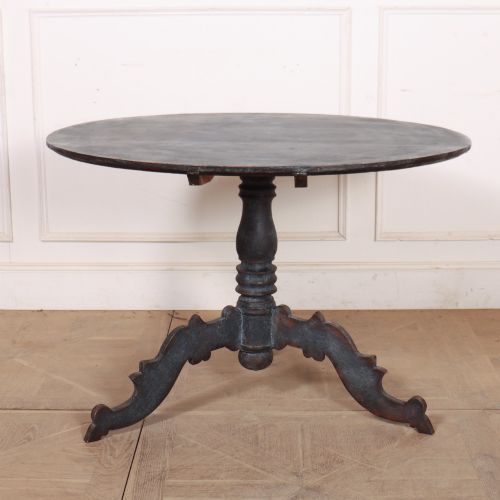
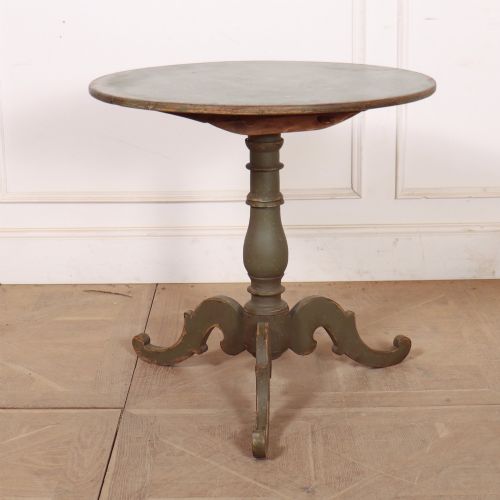
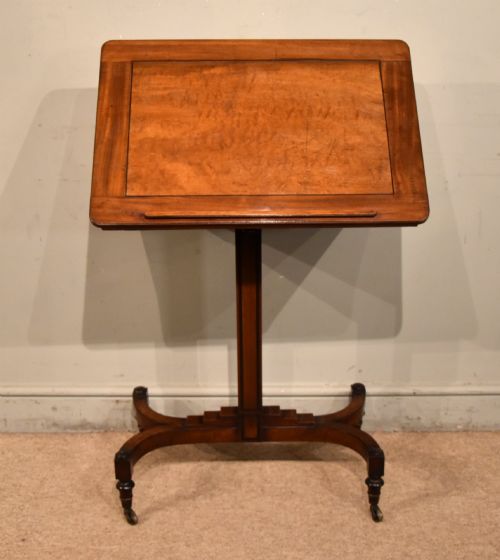
An antique wooden tilt table is a versatile surface designed with a mechanism that pivots the top vertically to save space against a wall. The pieces recorded here span the Georgian, Regency and Victorian periods, alongside Edwardian and later examples, taking forms such as wine tables, breakfast tables and occasional tables. Mahogany and oak dominate the selection, often resting on pillar and tripod bases.
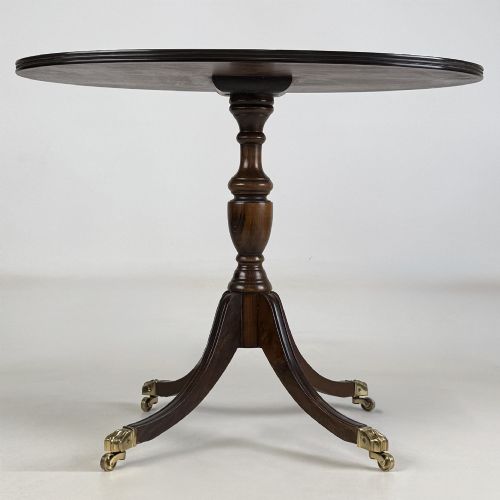
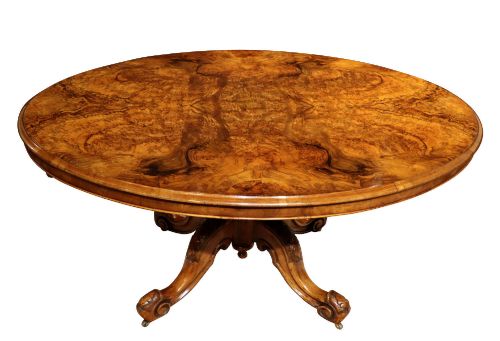
Buyers most frequently encounter smaller tripod wine tables and larger breakfast tables designed for domestic use. Many feature circular or rectangular tops supported by a single pedestal with three or four legs. Variations range from simple utility tables in pine and fruitwood to grander dining and centre tables in burr walnut, rosewood and pollard oak.
Materials and construction
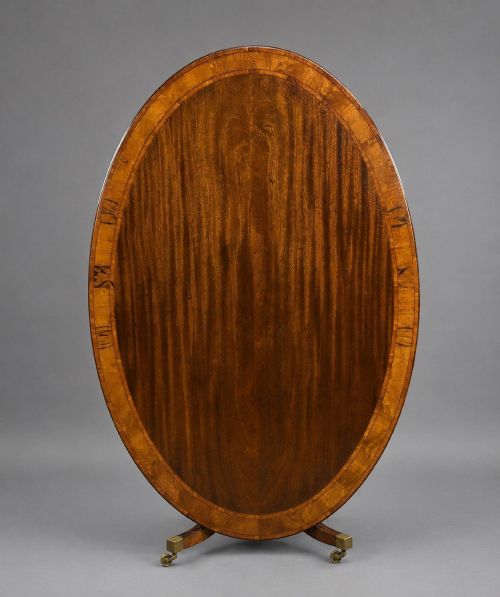
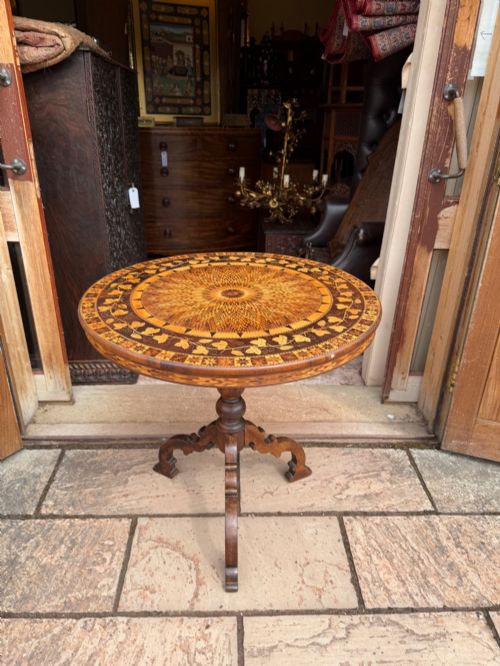
Cabinetmakers utilised dense native and imported timbers, primarily mahogany, oak and walnut, selected for their stability and grain. These woods were turned into central pillars and sawn into boards for the tops, sometimes enhanced with crossbanded borders or inlaid chess boards.
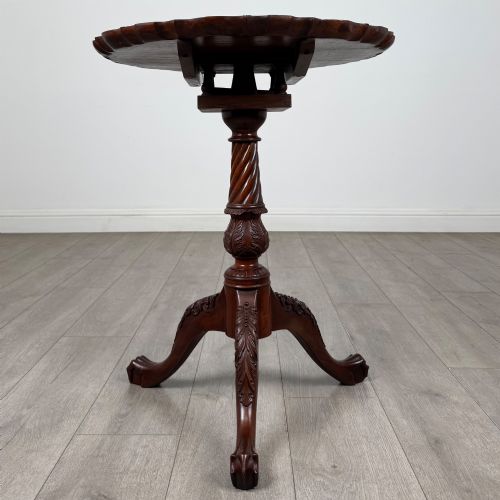
The pivoting mechanism relies on specialised joinery and hardware, occasionally incorporating a birdcage action that allows the top to both tilt and rotate. Tripod bases are fitted to the central column using dovetail joints or iron brackets to ensure rigidity when the table is horizontal.
Periods represented include 18th Century, Georgian, Regency, William IV, Victorian, Edwardian, 1930 and 1800.
Assessing quality
Quality rests upon the choice of timber and the crispness of the carving on the pillar and legs. Superior examples display figured veneers such as burr walnut or pollard oak, paired with finely turned pedestals and robust locking catches that hold the top firmly in place without wobble.
Finer pieces show careful attention to proportions and secondary woods, whereas simpler utilitarian versions rely on plain pine or fruitwood with minimal ornamentation. The integrity of the tilting mechanism and the smoothness of the hinge action also distinguish standard production from exceptional workshop output.
The Antique Wooden Tilt Table Glossary
- Tilt-top
- A tabletop hinged to the pedestal so it can be stored vertically. This design allowed furniture to be pushed against room perimeters when floor space was required.
- Birdcage
- A timber framework beneath the tabletop that permits the surface to revolve as well as tilt. This rotating element adds complexity to the mechanism.
- Tripod base
- A support structure comprising a central pillar and three legs. This arrangement prevents rocking on uneven historical floors.
- Crossbanding
- A border of veneer laid around the perimeter of a tabletop with the grain running perpendicular to the centre. It frames the primary wood visually.
- Quadrapod
- A pedestal base supported by four legs rather than three. It is typically found beneath larger breakfast and dining tables.
Antique Wooden Tilt Table: Frequently Asked Questions
What is a tilt-top table used for?
These tables served multiple domestic functions including holding tea, wine, books or breakfast. When the meal or reading session ended, the top tilted vertically so the piece occupied minimal space.
They moved easily from room to room as needed, functioning primarily as flexible occasional furniture rather than permanent static centerpieces.
How do I check the tilt mechanism?
Examine the pivot joint beneath the top where the pillar meets the catch. A well-made mechanism locks securely in the horizontal position without excessive play.
Inspect the block and pivot pins for original components or later repairs that might affect how smoothly the top moves.
Are these tables suitable for small rooms?
Their folding capability makes them practical for modern spaces requiring adaptable furniture layouts. A wine table tucks neatly into a corner when flat.
Larger breakfast versions provide generous surface area during use while retaining the option to stand flush against a wall.
How do I date an antique wooden tilt table?
Dating relies on timber selection, leg profile and the complexity of the pedestal turning. Georgian examples often feature slender tripod legs and mahogany construction.
Victorian pieces frequently display heavier proportions, carved quadrapod bases and burr walnut veneers, while Edwardian versions draw on earlier stylistic revivals.