
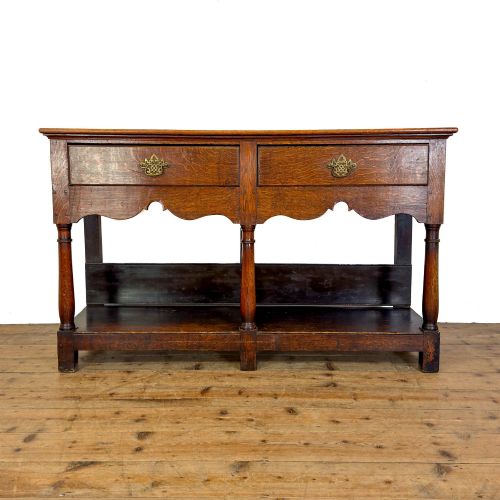


Welsh Country Oak Table
A welsh country oak table brings honest rural craftsmanship and sturdy timber into a room.
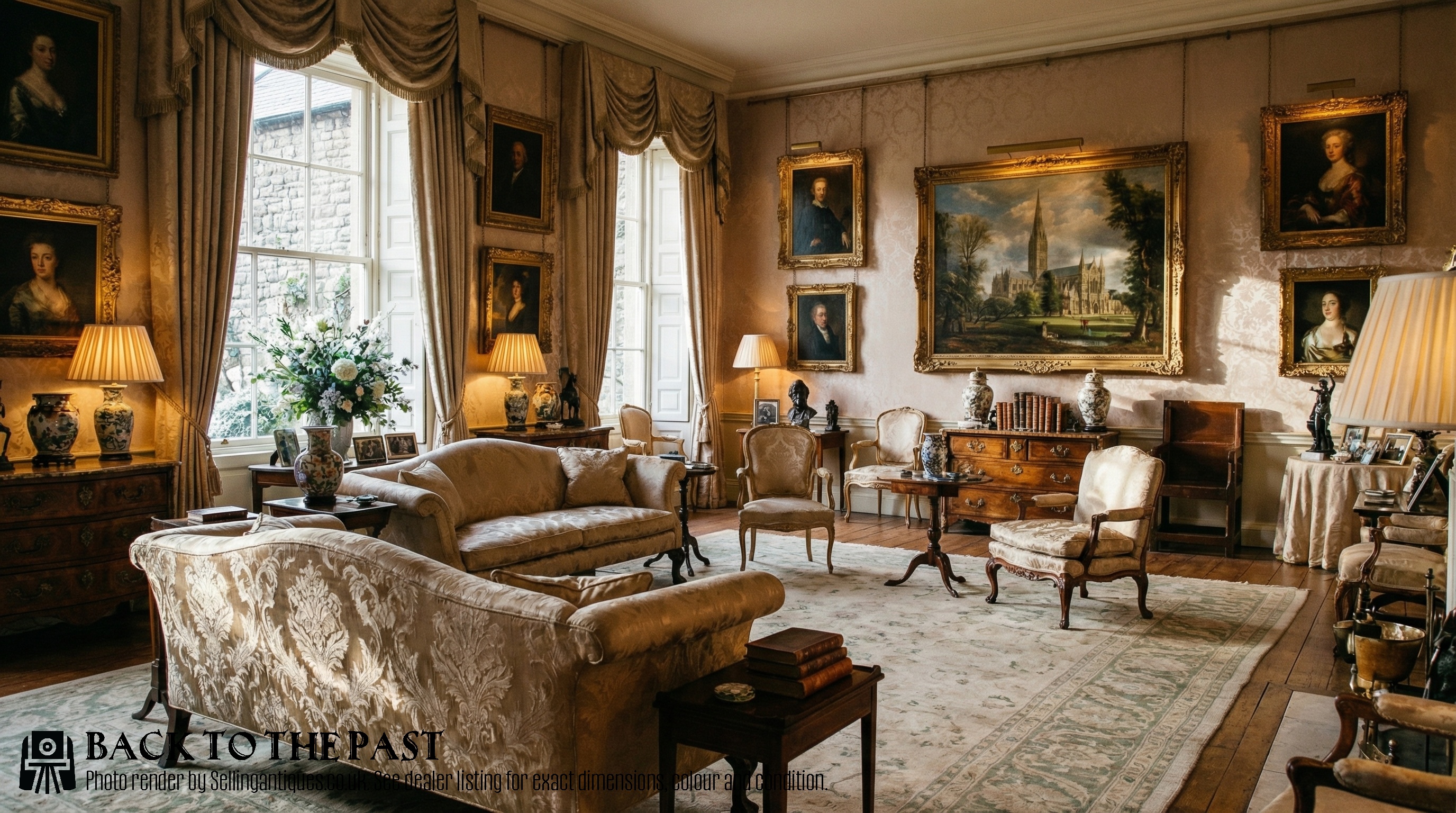
Welsh Country Oak Table
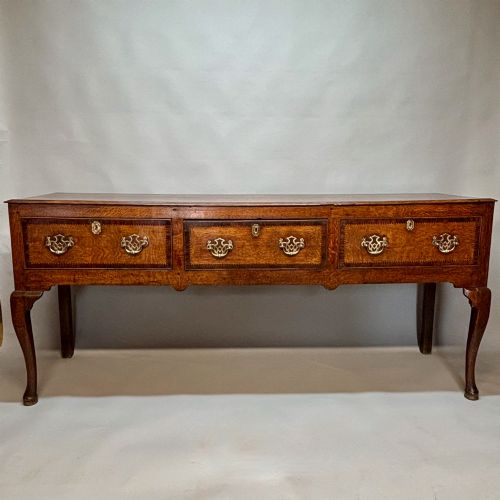
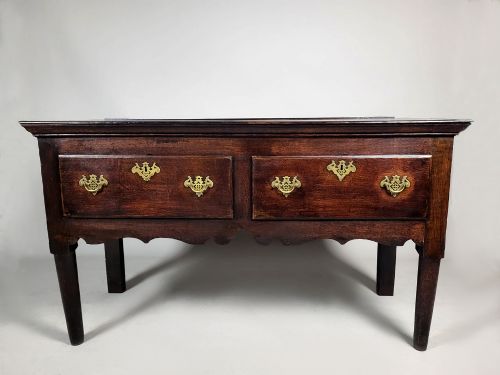
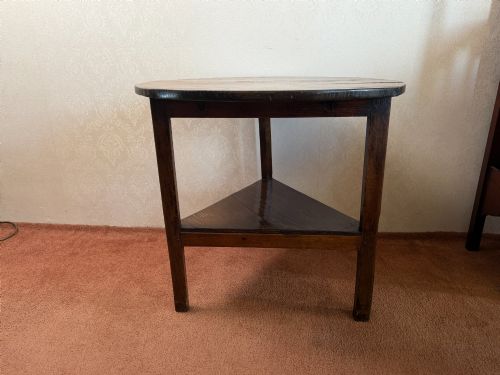
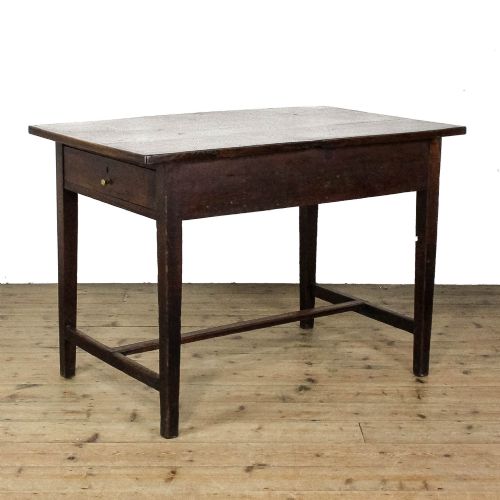
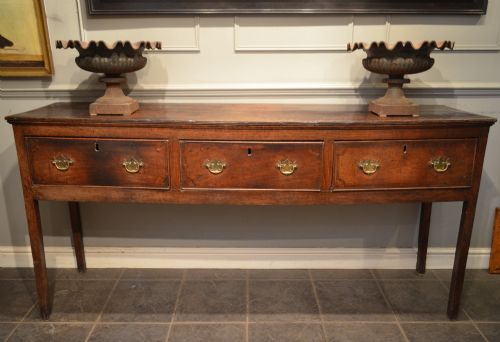
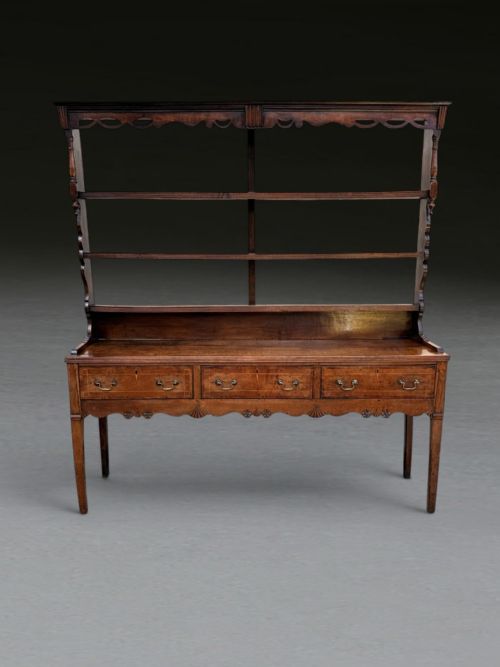
A welsh country oak table is a piece of vernacular furniture built for everyday use in rural homes and kitchens. The selection on this page centres heavily on dresser bases, side tables, kitchen tables, and cricket tables originating from the seventeenth, eighteenth, and nineteenth centuries.
Buyers will find substantial dining tables, long refectory forms, and smaller lowboys that reflect the practical needs of Welsh country life. Georgian and George III examples appear frequently alongside nineteenth-century interpretations built with the same regional focus on utility.
The forms range from tripod tables and tavern tables to potboard dresser bases fitted with drawers for household storage. Many examples show distinct vernacular traits tied to regions such as South Wales and Monmouthshire.
How they were made
Makers built a welsh country oak table using solid timber, frequently combining oak with secondary woods like elm, pine, and occasionally fruitwoods for internal or lesser components. Construction relied on traditional joinery methods such as mortise and tenon joints secured with wooden pegs.
Turned legs, cabriole legs, and trestle bases provide the structural support beneath thick timber tops that show the natural grain of the wood. Metal elements such as brass handles and iron fixings appear on drawer fronts and structural joints, while some examples retain historic painted surfaces.
The listings on this page span the seventeenth, eighteenth, nineteenth, and twentieth centuries, incorporating materials such as oak, elm, pine, brass, iron, and paint.
What varies in quality
Quality in a welsh country oak table rests upon the integrity of the timber, the proportion of the form, and the honesty of the construction. Superior pieces display well-figured grain, patination built up through centuries of use, and minimal intervention from later restorations.
The handling of regional details, such as the shaping of a potboard base or the turning of tavern table legs, distinguishes finer workshop output from simpler utilitarian items. Original brasses and untouched drawer linings elevate the standing of a dresser base or lowboy within its period.
The Welsh Country Oak Table Glossary
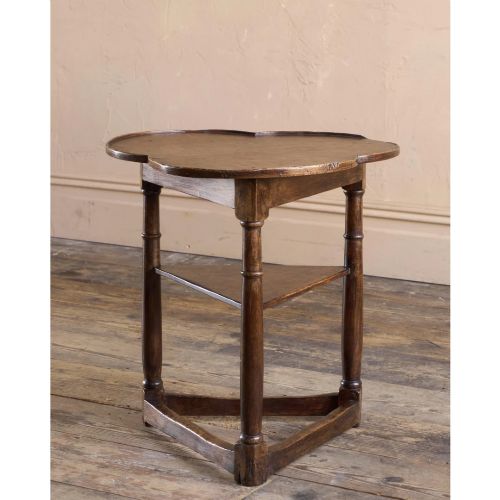
- Cricket table
- A small, lightweight table typically featuring three legs and a circular top. This form allowed the table to stand steady on uneven stone floors in rural cottages.
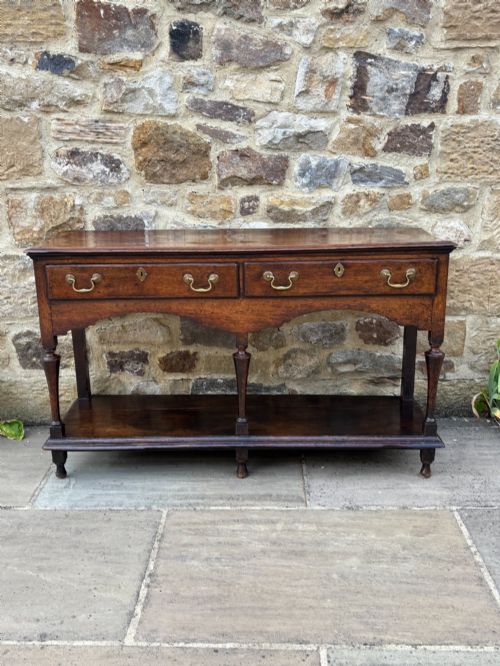
- Potboard dresser
- A dresser base featuring a lower open shelf or board situated just above the floor. This space was traditionally used for storing heavy pots and pans.
- Lowboy
- A small side table fitted with one or more rows of drawers beneath the top. These tables functioned as dressing tables or serving surfaces in domestic interiors.
- Vernacular furniture
- Domestic objects built by local craftsmen using regional traditions and readily available materials. These pieces prioritized practical function over high-style metropolitan fashion.
- Refectory table
- A long, narrow dining table designed for communal dining halls and large farmhouse kitchens. They often incorporate trestle supports or substantial turned legs linked by stretchers.
Welsh Country Oak Table: Frequently Asked Questions
What is a welsh country oak table?
A welsh country oak table is a durable piece of vernacular furniture constructed in Wales using native timber. These tables served practical roles in farmhouse kitchens, taverns, and rural homes.
They encompass various forms including cricket tables, kitchen tables, and dresser bases. Each piece reflects the regional joinery traditions of Welsh cabinet makers.
How were these tables used originally?
These tables functioned as the central work surfaces for food preparation, dining, and daily domestic labour in rural households. Kitchen and refectory tables accommodated large farming families and staff for communal meals.
Smaller forms like cricket tables and side tables moved easily around the home to hold lighting or utensils. Dresser bases provided both a top surface and deep drawers for storing household provisions.
How do I live with an antique oak table?
Living with a welsh country oak table requires accepting the marks, scars, and patination accumulated over centuries of service. Everyday use adds to the character of the timber rather than diminishing its appeal.
Keep the wood nourished with appropriate wax and protect the surface from excessive moisture and direct heat. Placed in a modern or traditional interior, these tables anchor a room with their earthy presence.
How can I tell the different periods apart?
Distinguishing periods involves examining construction techniques, leg styles, and hardware conventions. Seventeenth and early eighteenth-century pieces often display heavier framing, board tops, and simple turned stretchers.
Georgian and George III examples introduce refinements such as cabriole legs, slender proportions, and finer mouldings. Nineteenth-century pieces frequently emulate earlier vernacular designs while utilising machine-cut components or different secondary timbers.