


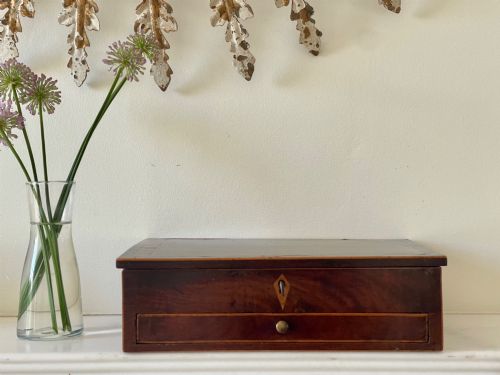
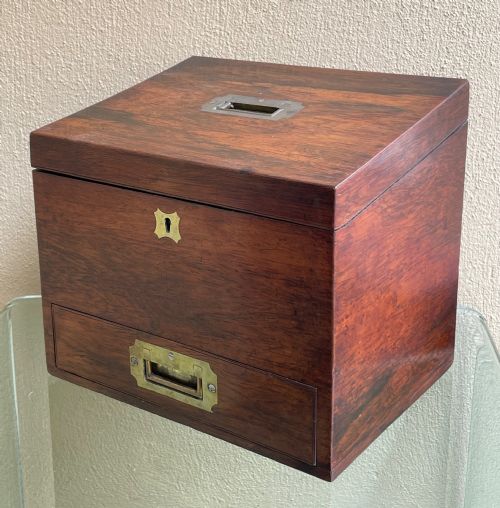
Antique Wooden Box Drawer
These antique wooden box drawer pieces combine functional storage with traditional cabinetmaking, offering secure compartments and fitted interiors that suit modern spaces.
Antique Wooden Box Drawer
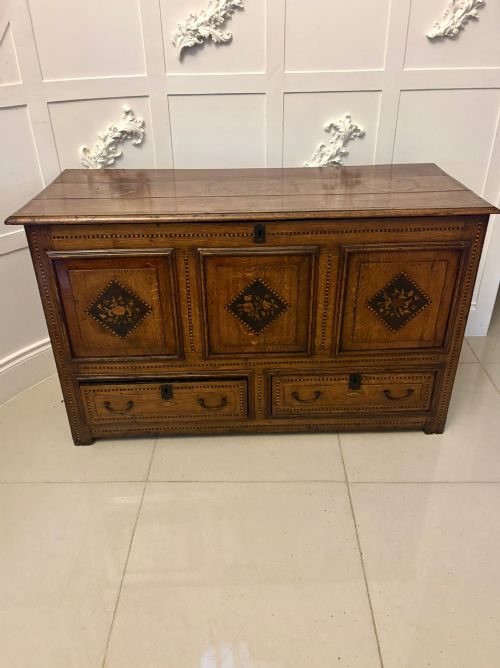
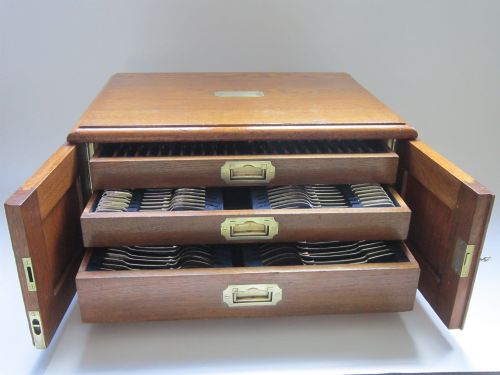
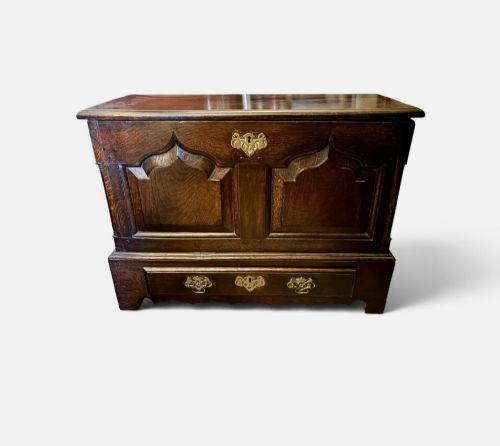
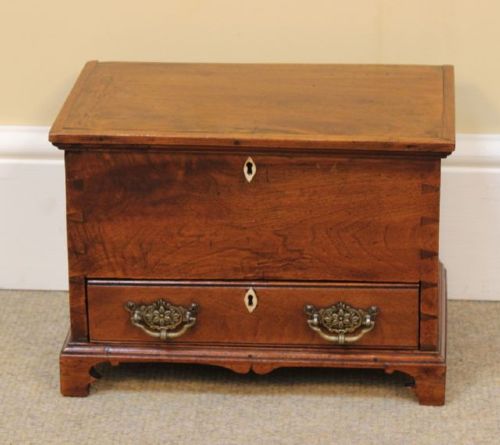
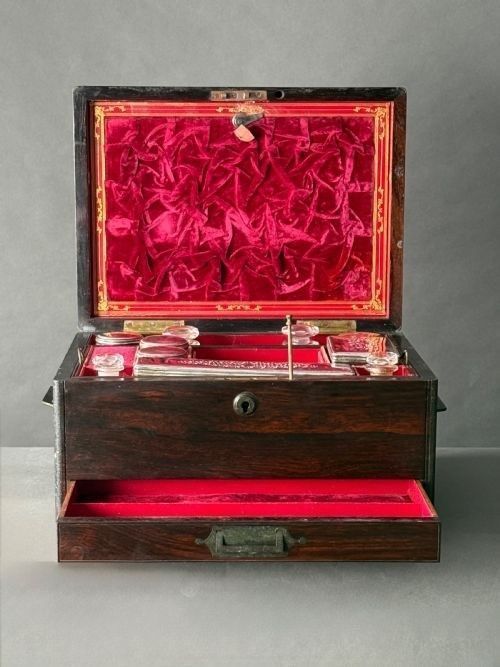
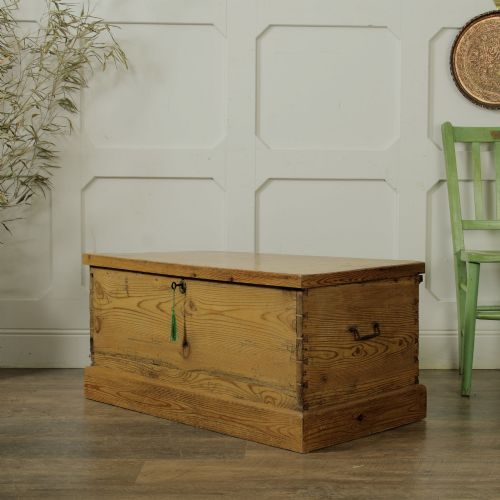
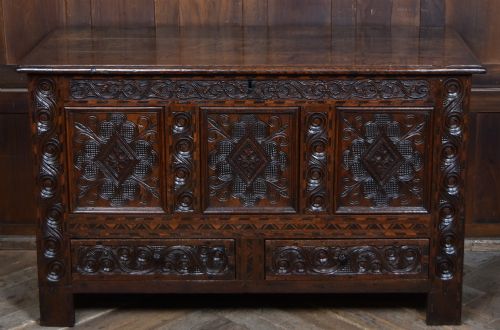
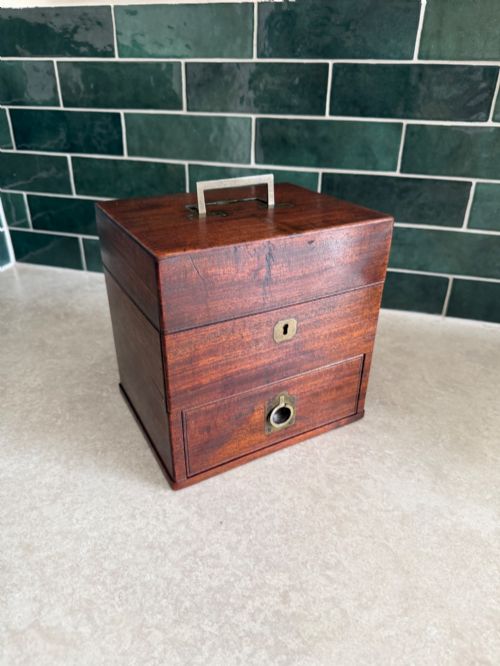
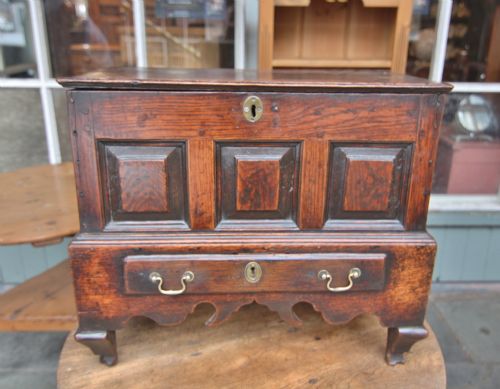
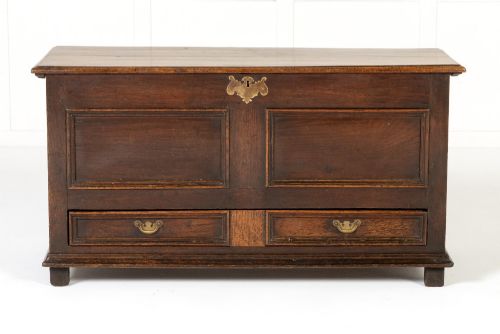
When you search for an antique wooden box drawer, you encounter a variety of forms including miniature chests, mule chests, tabletop cabinets, and fitted storage boxes. These pieces range from small apprentice pieces and jewellery boxes to larger oak coffers and campaign boxes featuring internal drawers.
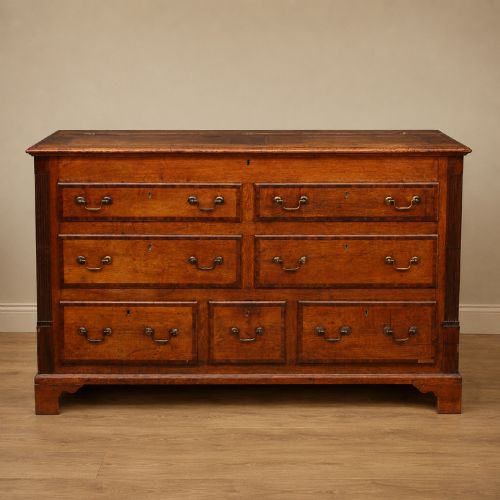
The items span multiple periods from the 17th century through to the Edwardian era and 1920, reflecting regional styles such as Welsh vernacular and English country cabinetmaking. Miniature furniture and tabletop chests dominate the smaller forms, while oak and pine mule chests represent the larger lidded storage items with lower drawers.
Materials and construction methods
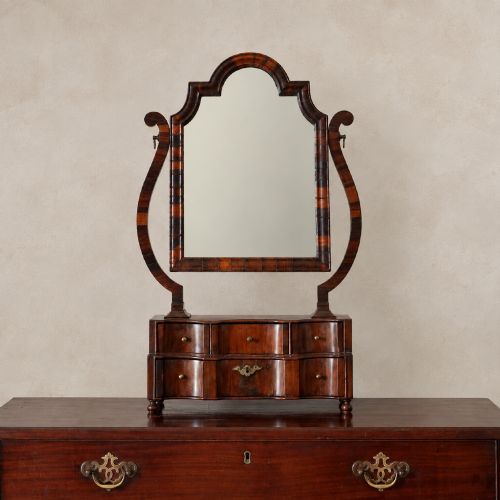
Cabinetmakers utilised hardwoods such as oak, mahogany, walnut, and rosewood alongside softer timbers like pine and fruitwood, often applying veneers and crossbanding in mahogany or burr walnut for decorative surface effects. Brass handles, escutcheons, and hinges provide functional hardware, while internal components occasionally incorporate bone or glass elements.
Joinery techniques include dovetailing for drawers and mortise and tenon construction for larger coffers and chests, supplemented by marquetry inlay, marquetry details, and tramp art carving on specific surfaces. Carpenters fitted these boxes with secret compartments, sliding lids, and internal banks of miniature drawers designed for specialised storage such as spice, correspondence, or jewellery.
Tramp art boxes made from discarded cigar box wood show that patience and a pocket knife can turn scrap cedar into treasure.
Factors of distinction
The refinement of the timber selection dictates much of the visual hierarchy, distinguishing plain utility pine from figured flame mahogany, burr walnut, and burr elm panels. Figured graining and careful crossbanding elevate standard boxes into pieces of superior visual balance.
The complexity of the interior architecture separates basic lidded chests from sophisticated work tables, apothecary cabinets, and apprentice pieces. Fitted boxes featuring multiple secret drawers, pigeonholes, and integrated writing slopes demand a higher degree of joinery skill from the maker.
The Antique Wooden Box Drawer Glossary
- Mule chest
- A traditional chest featuring one or more drawers beneath the main lidded storage compartment. These pieces bridge the gap between a blanket chest and a chest of drawers.
- Apprentice piece
- A small-scale item demonstrating the skill of a trainee cabinetmaker seeking master status. These frequently take the form of miniature chests of drawers or scaled-down mule chests.
- Crossbanding
- A decorative border technique where narrow strips of veneer are laid perpendicular to the grain of the primary surface. This frames panels on tabletops and drawer fronts.
- Campaign box
- Portable furniture designed for military officers on the move, featuring brass corners, recessed drop handles, and fitted writing slopes or internal compartments.
Antique Wooden Box Drawer: Frequently Asked Questions
How do I use a mule chest?
A mule chest provides versatile storage by combining a top-opening lidded compartment with one or more lower exterior drawers. The top space suits bulky blankets or linens, while the drawers hold smaller folded items or accessories.
In modern interiors, these chests function effectively as coffee tables, hallway storage benches, or bedroom blanket boxes. Their robust construction allows them to serve practical storage needs while displaying period timber grain.
What are secret drawers used for?
Secret drawers concealed within tea caddies, correspondence boxes, and cabinets provided secure storage for valuables, currency, and confidential letters. Makers hid these compartments behind sliding panels, dummy drawer fronts, or false bottoms.
Discovering these hidden spaces involves examining the internal geometry of the box for unexpected gaps or removable dividers. They reflect the ingenuity of period cabinetmakers meeting a demand for personal security.
How do I distinguish 18th century oak from Victorian pine?
Eighteenth-century oak pieces display a dense, heavy timber grain often enhanced by medullary rays, frequently constructed using hand-cut joinery and pegged joints. These items typically exhibit darker patination developed over centuries of handling.
Victorian pine and pitch pine pieces tend to have a lighter, straighter grain with softer surface characteristics and machine-sawn elements in later examples. Examining the interior secondary woods and backboards provides clear indicators of the manufacturing period.