
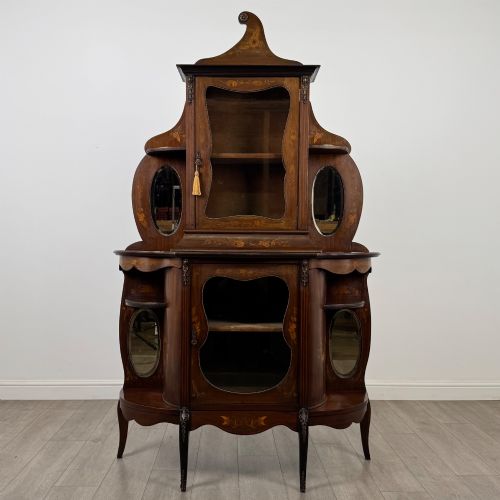
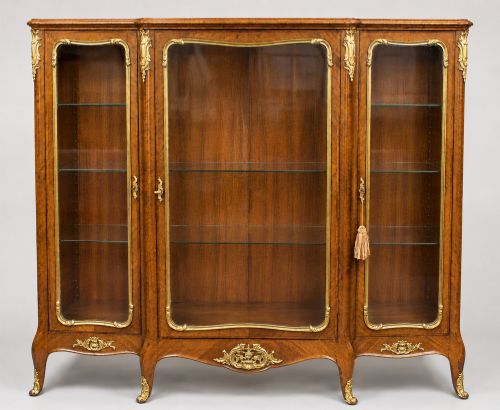

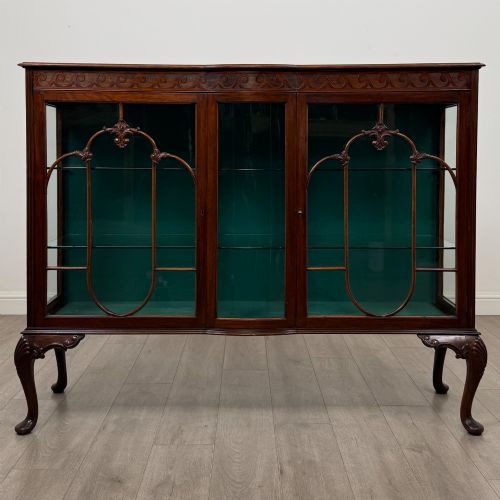
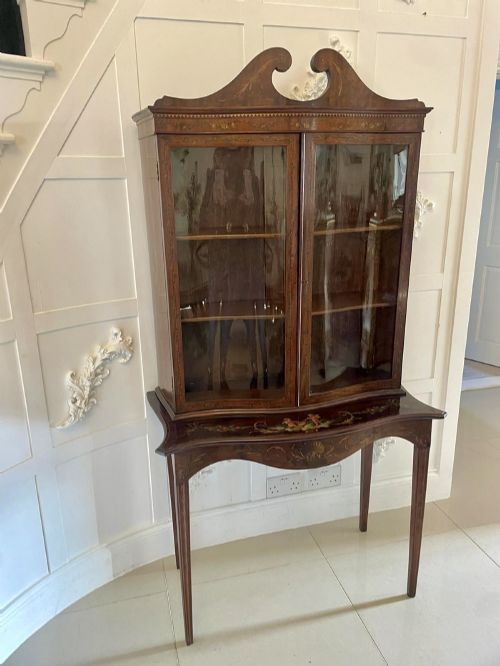
Antique Wood China Cabinet
An antique wood china cabinet holds fine porcelain behind glass, combining utility with formal display.
Antique Wood China Cabinet
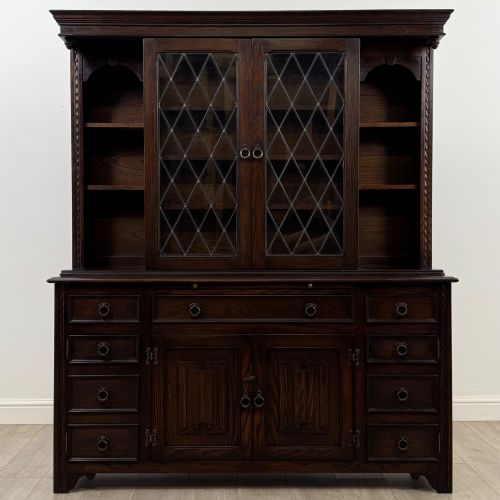
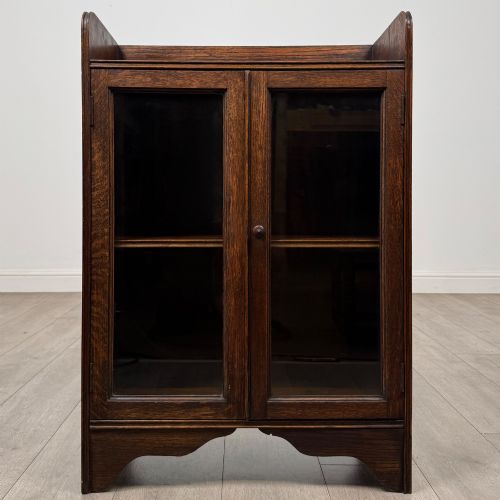
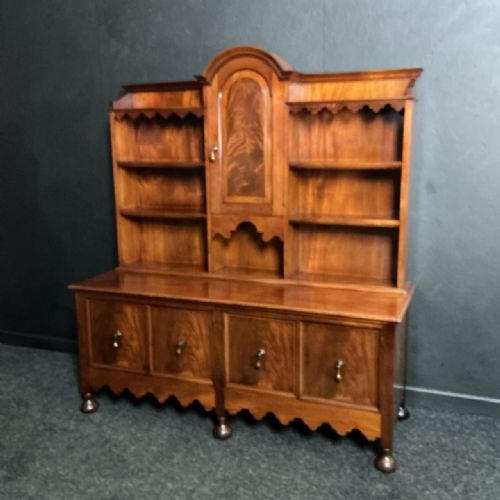
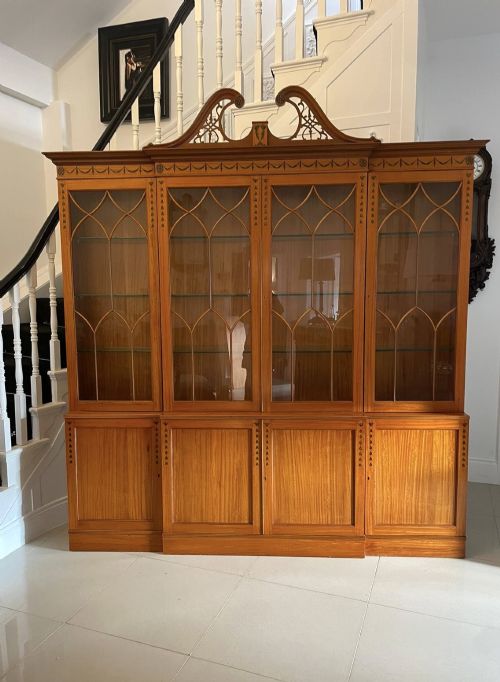
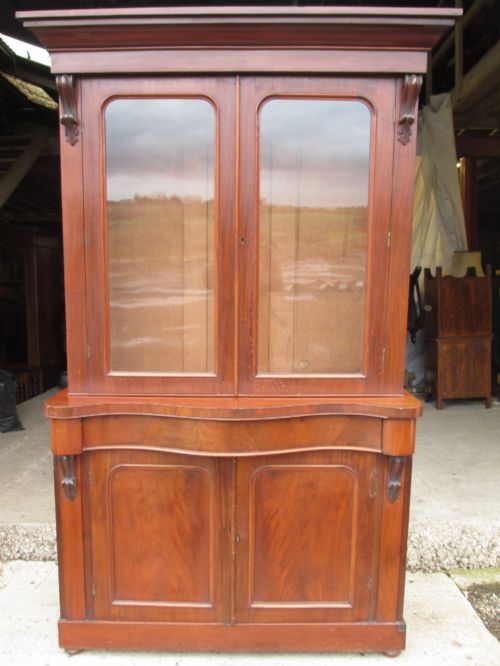
When you search for an antique wood china cabinet, you encounter glazed storage furniture built to display porcelain, glass, and decorative items. These pieces range from tall breakfront bookcases to corner cupboards and two-part dressers.
The versions you meet most often on this page date from the Victorian and Edwardian periods, constructed primarily in mahogany or oak. Formats extend from small floor-standing cabinets to large multi-door display cases.
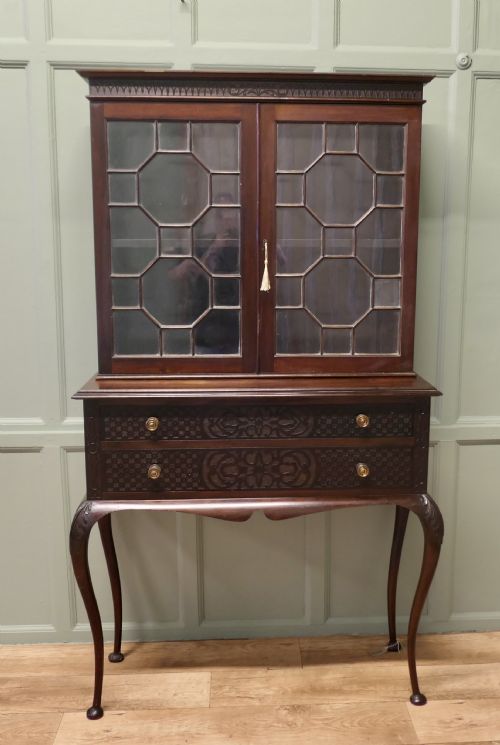
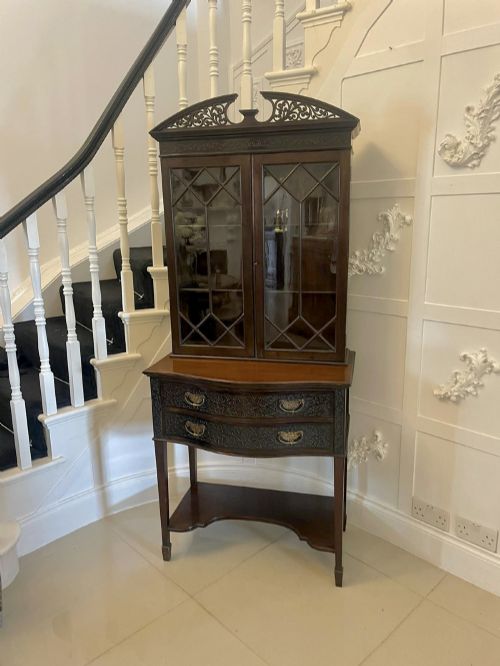
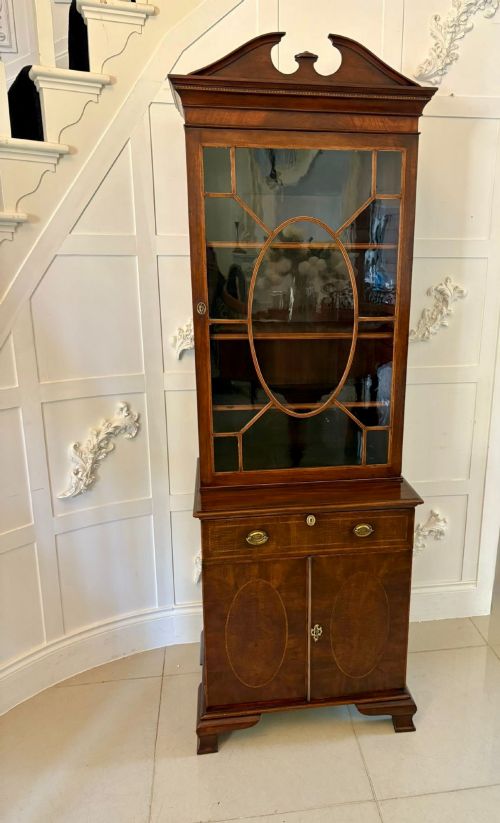
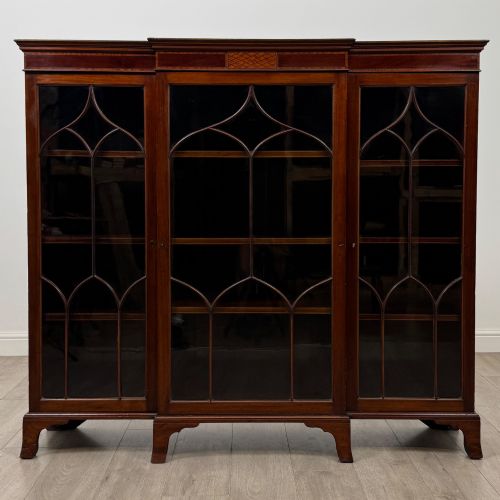
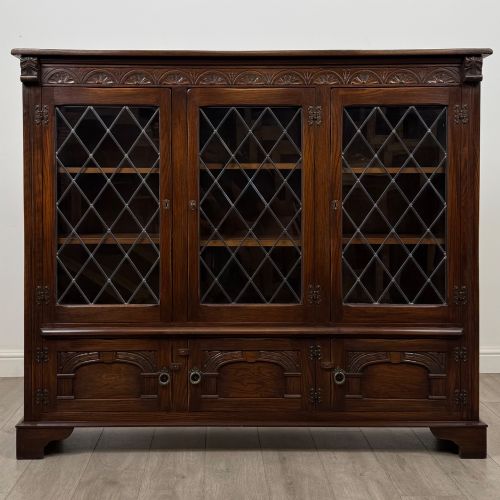
Makers and cabinetmakers utilised architectural glass glazing, such as astral bars or leaded panes, to frame the contents. Regional variations include Welsh oak dressers and French vitrines alongside standard British revival styles.
How they were made
Makers constructed these cabinets using solid timbers and veneers of mahogany, oak, satinwood, and rosewood, often enhanced with brass hardware and mirrored backs. Structural joints relied on traditional cabinetmaking techniques suited to heavy timber and glass doors.
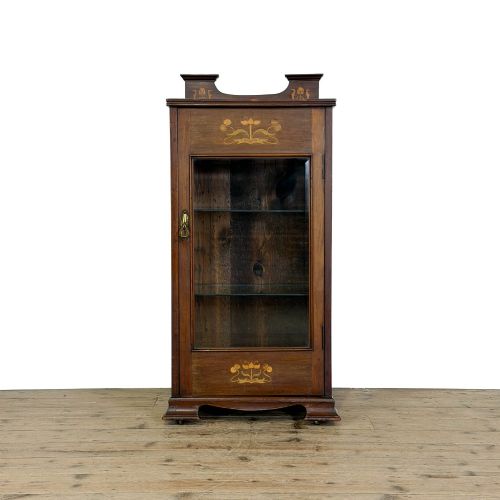
Glazing involved fitted glass panes secured by wooden or lead mounting, frequently arranged in geometric or astral patterns. Surface decoration incorporated hand-painted details, marquetry inlay, and carved woodwork.
Makers applied finishes such as French polish or wax to seal the timber and highlight the grain. Ormolu mounts and fine brass fittings appeared on high-status French and Victorian examples.
Some Edwardian cabinets hide secret painted panels behind their glass doors just waiting to catch the morning sun.
What varies in quality
The selection of timber grain and veneer figure determines the visual impact of a piece, with highly figured mahogany, satinwood, or figured walnut occupying the top tier. Plain pine and standard oak sit at the utilitarian end of the scale.
Execution of carved details, painted decoration, and marquetry inlay separates standard production furniture from exceptional workshop output. Crisply carved mouldings and intact original painted decoration distinguish superior examples.
The integration of original glass, brass hardware, and structural stability preserves the integrity of the piece. Cabinets retaining their original leaded or astral glazing and functioning locks demonstrate careful preservation.
Jas Shoolbred·Collinson & Lock
The Antique Wood China Cabinet Glossary
- Astral glazed
- Glass panes divided by slender wooden bars into geometric compartments. This technique lightens the visual weight of large cabinet doors.
- Breakfront
- A cabinet design where the central section projects forward from the flanking wings. This architectural form adds depth and shadow to large display pieces.
- Vitrine
- A glass-sided display cabinet designed to show decorative objects from multiple angles. These pieces frequently feature ormolu mounts and satinwood or kingwood veneers.
- Marquetry
- Decorative patterns formed by fitting together contrasting pieces of veneer. Makers applied this technique to cabinet doors and friezes.
- Biedermeier
- A Central European style emphasising clean lines and rich wood grains without excessive ornamentation. Cabinets from this tradition showcase rosewood and polished surfaces.
Antique Wood China Cabinet: Frequently Asked Questions
What is an antique wood china cabinet used for?
These cabinets serve to store and exhibit porcelain, glassware, and decorative collections behind protective glass doors. Their enclosed shelving keeps dust away while maintaining visibility in principal rooms.
Historically, households utilised them in dining rooms and parlours to showcase valuable dinner services. Today, collectors continue to use them for displaying ceramics and glassware securely.
How do I tell Victorian from Edwardian cabinets?
Victorian pieces generally feature darker timbers, heavier carving, and dense proportions. They often incorporate rich mahogany and elaborate ornamentation.
Edwardian examples lean towards lighter woods like satinwood and lighter construction, often featuring Sheraton or Art Nouveau influences. Their glazing bars tend to be finer and overall forms more restrained.
Are all these cabinets made of solid wood?
Construction methods combine solid structural framing with veneered panels over secondary timbers. This technique prevented warping on large surfaces like cabinet doors and sides.
High-grade pieces use expensive timbers as veneers over stable base woods, while simpler utility cupboards employ solid pine or oak throughout.
How do I care for an antique wood cabinet?
Maintain stable indoor humidity levels and keep wooden furniture away from direct sunlight and heat sources. This prevents timber from splitting and finishes from drying out.
Apply high-quality beeswax periodically to nourish polished surfaces. Avoid silicone-based sprays that can penetrate and damage historic wood finishes.