





Antique Uzbek Bedspread
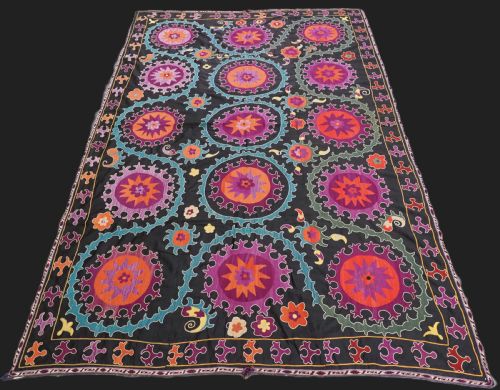
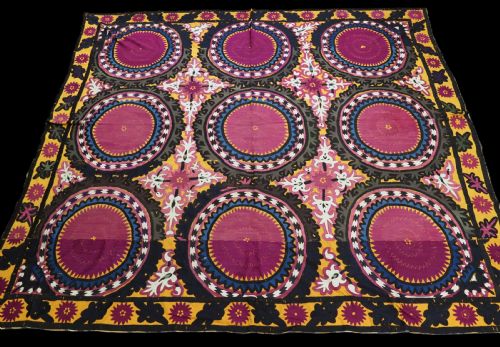
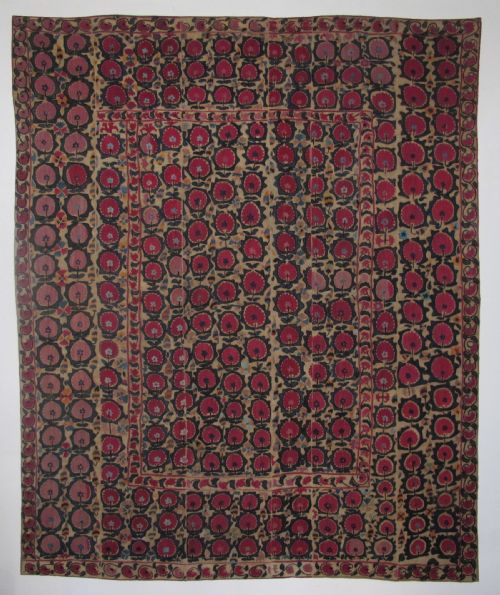
An antique uzbek bedspread brings tactile Central Asian folk art into a room through hand-stitched silk embroidery.
Antique Uzbek Bedspread
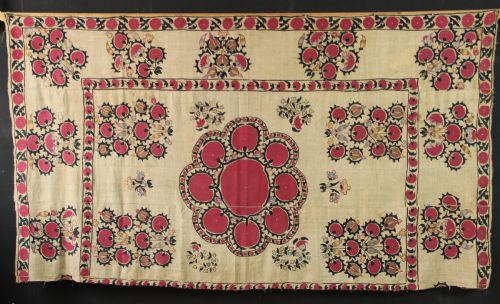
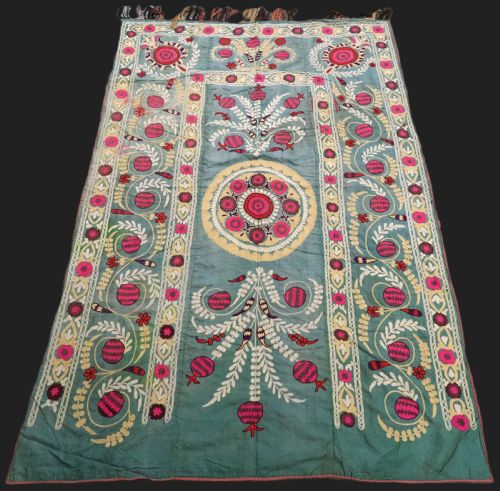
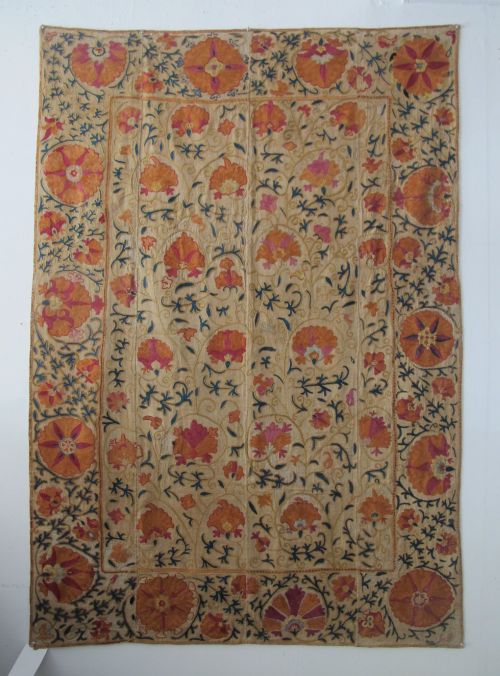
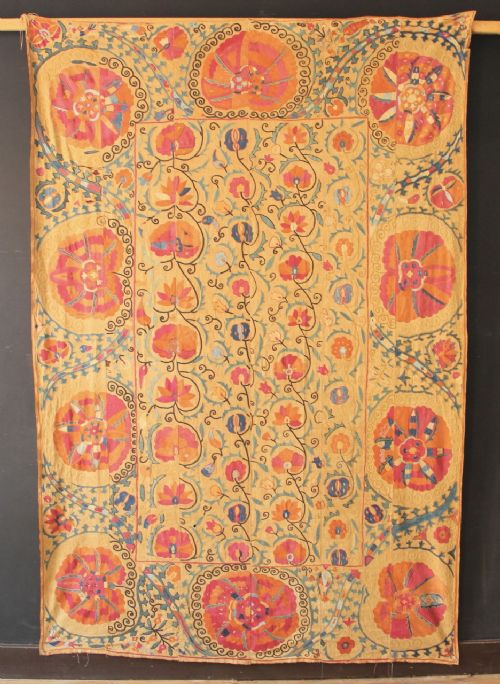
When searching for an antique uzbek bedspread, you encounter textiles originating from Uzbekistan, often created as embroidered covers and wall hangings. These pieces span periods from the nineteenth century into the early twentieth century, reflecting diverse regional traditions across Central Asia.
The selections you meet on this page include specific regional formats such as Ura Tube, Bukhara, Shahrisabz, Tashkent, and Samarkand suzanis. Many function as large decorative coverings, while others comprise specific layouts like the Ru-I-Jo bed cover or Nim suzani forms.
Makers worked within distinct tribal and city traditions, including pieces attributed to the Lakai tribe alongside urban workshops. Their output encompasses medallion variants and full work layouts that served domestic and ceremonial roles.
Factors of Distinction
Quality rests upon the density of the silk embroidery and the precision of the needlework across the ground fabric. Full work examples that cover the backing completely require significantly greater labour than lighter layouts.
The visual harmony of the natural dye palette and the crispness of regional design execution separate standard examples from masterworks. Ground fabric integrity and the complexity of the medallion or floral layout further determine the standing of each piece.
Every single stitch was hand-wrought by makers who occasionally hid tiny intentional irregularities in the patterns to outsmart the evil eye.
The Antique Uzbek Bedspread Glossary
- Suzani
- An embroidered hanging or bed cover originating from Central Asia, worked in silk on a cotton or silk ground. The term derives from the Persian word for needlework.
- Adras
- A traditional Central Asian fabric woven with a silk warp and a cotton weft, frequently employed as a ground for embroidery. It provides a distinct textural quality beneath the silk stitching.
- Nim Suzani
- A smaller or half-sized embroidered textile format used within Uzbek homes as a cover or wall hanging. These pieces offer a more compact scale than full-sized bedspreads.
- Ru-I-Jo
- A specific traditional Uzbek bed cover layout designed for ceremonial or domestic use. They demonstrate regional marriage and household textile traditions.
- Full Work
- A descriptive term for suzanis where the silk embroidery covers the underlying ground fabric almost entirely. This intensive technique represents the height of workshop effort.
Antique Uzbek Bedspread: Frequently Asked Questions
How were antique uzbek bedspreads used originally?
These textiles served primarily as ceremonial bed covers for weddings and domestic displays within the home. Families utilised them to mark significant life events and decorated interior living spaces.
Over time, many functioned as wall hangings or protective coverings, preserving the intricate silk embroidery from heavy daily wear.
How do I care for an antique silk suzani?
Protect the textile from direct sunlight to prevent fading of the natural silk embroidery threads. Keep the room environment stable and avoid hanging them in areas with high humidity.
Consult a textile conservator for cleaning rather than attempting traditional washing methods. Gentle dusting with a soft brush helps maintain the surface.
How can I tell different regional styles apart?
Regional styles reveal themselves through distinct colour palettes, ground fabrics, and motif arrangements. Tashkent pieces often show dense full work, while Shahrisabz and Samarkand examples utilise unique medallion geometries.
Working knowledge of tribal attributions, such as pieces linked to the Lakai, helps identify specific aesthetic signatures.
What is the difference between a suzani and a nim suzani?
A standard suzani spans a large format designed to cover a bed or a substantial wall space. These require extensive hours of needlework across the entire ground fabric.
A nim suzani represents a smaller scale version, offering the same artistic motifs and embroidery techniques in a more compact dimension.