
Vintage Embroidered Wall Hanging
A vintage embroidered wall hanging brings rich global textiles, tribal motifs and intricate needlework into modern interiors.
Vintage Embroidered Wall Hanging
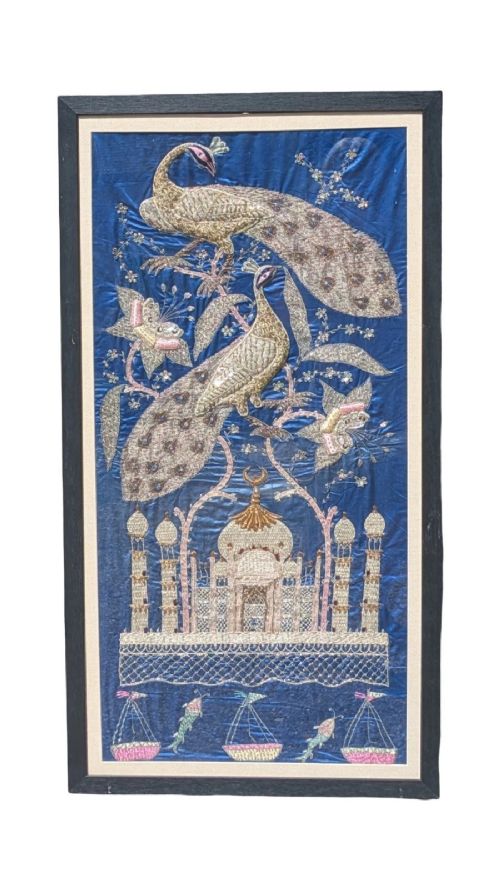
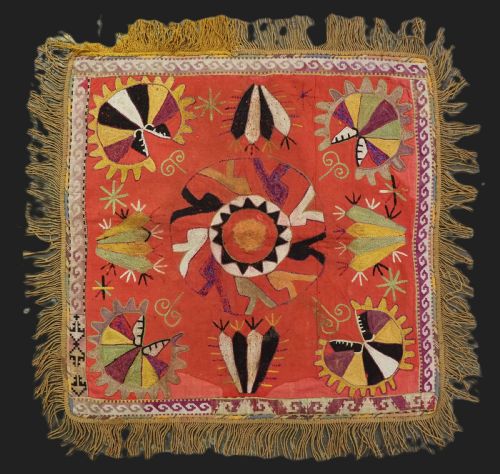
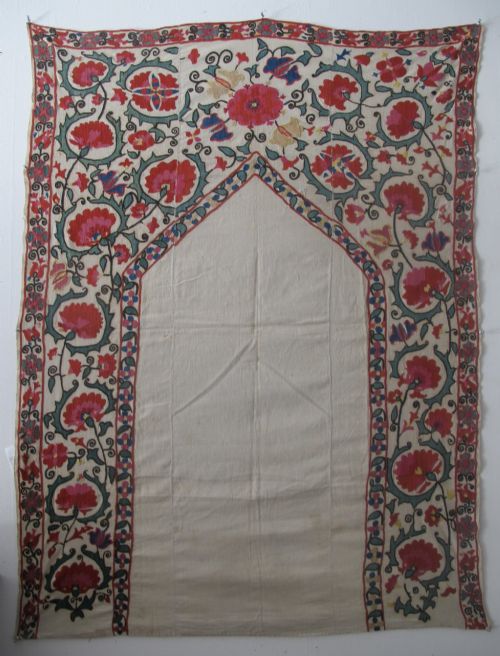
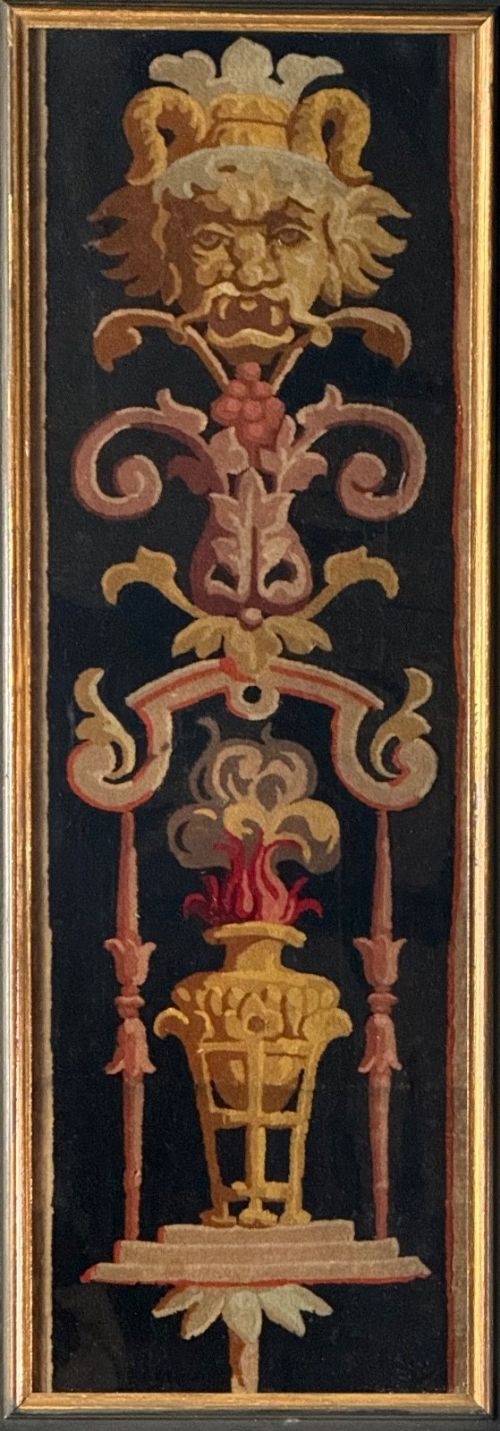
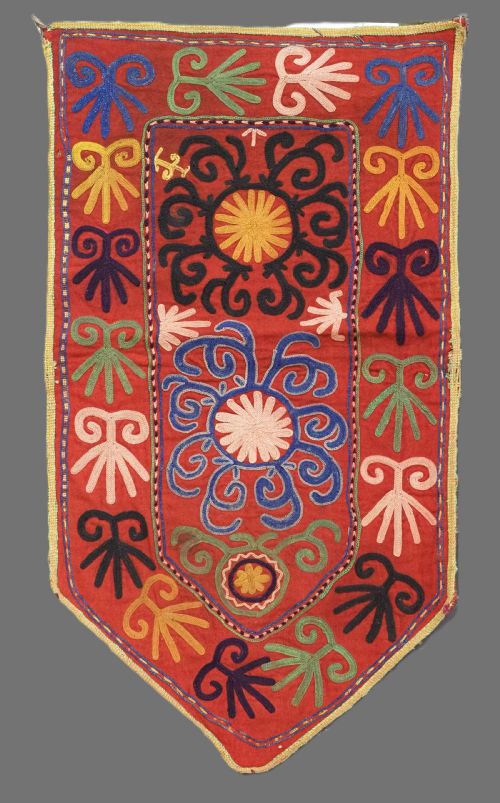
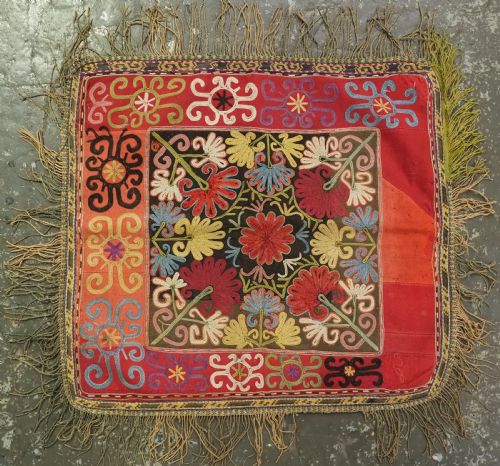
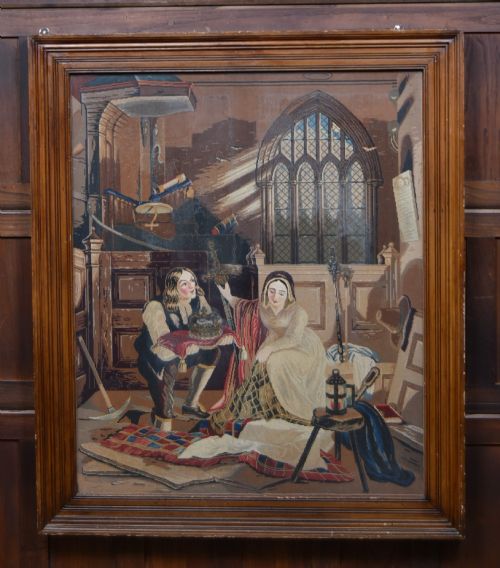
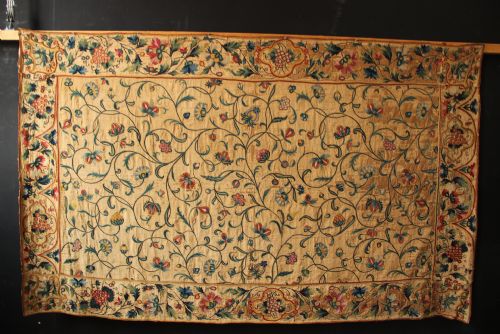
A vintage embroidered wall hanging encompasses a diverse range of historic textile forms, from Central Asian Suzanis and tribal dowry pieces to English crewelwork panels. When searching this phrase, buyers encounter intricate needlework originating from traditions spanning the nineteenth and twentieth centuries.
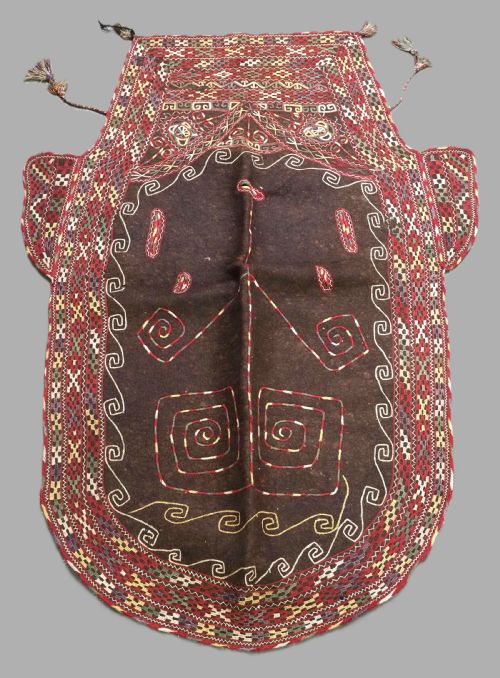
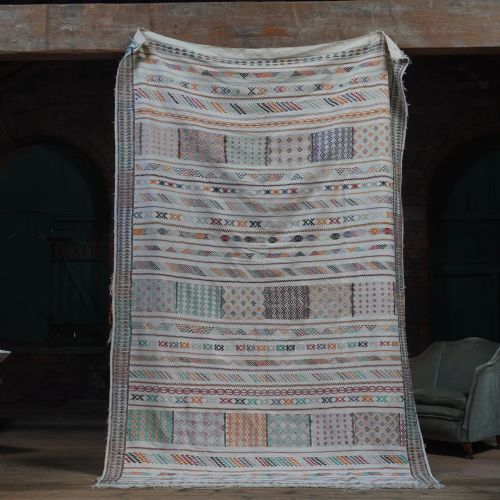
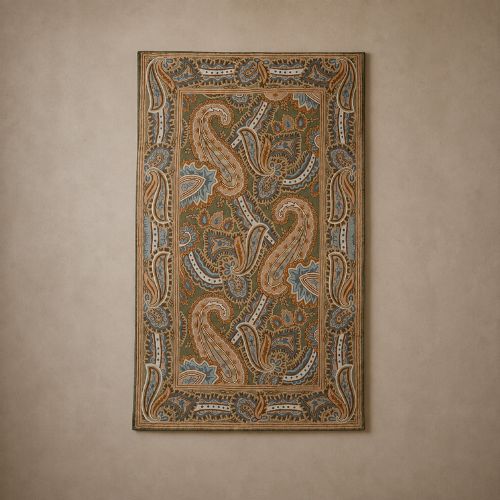
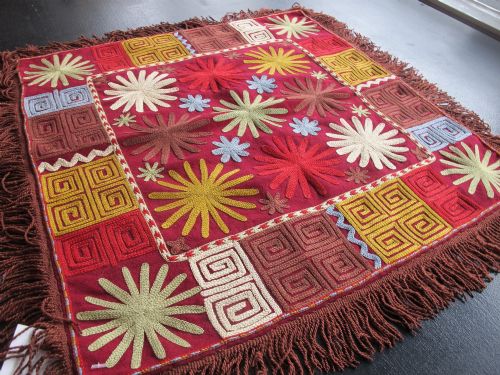
Forms vary from small square dowry embroideries to large room-scale wall art, rugs and ceremonial horse covers adapted for display. Each piece reflects the specific cultural heritage and domestic textile traditions of its maker.
What varies in quality
Quality rests upon the density of the stitchwork, the fineness of the silk or wool threads, and the precision of the execution. Pieces featuring exceptionally tight needlework and complex multi-layered patterns stand apart from simpler or coarser examples.
The sophistication of the design composition and the preservation of the ground materials also dictate the distinction of individual pieces. Vibrant, stable dyes and intact borders elevate the visual impact of surviving historical textiles.
Periods represented on this page range from seventeenth-century English crewelwork panels to early twentieth-century Central Asian Suzanis and tribal rugs.
The Vintage Embroidered Wall Hanging Glossary
- Suzani
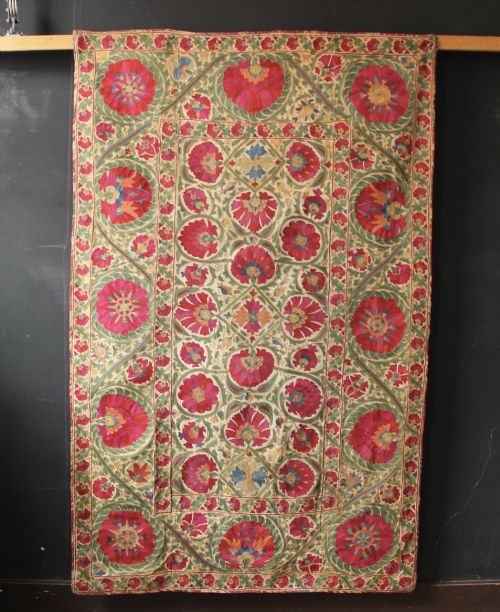
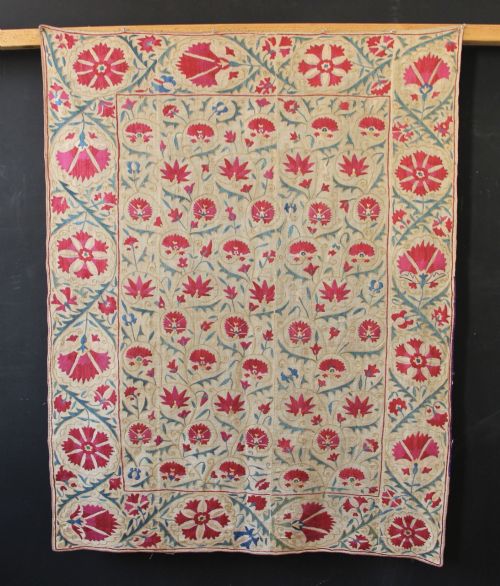
- An embroidered tribal textile from Uzbekistan and Central Asia, traditionally worked in silk on a cotton or silk ground with floral designs. These large decorative panels were often made as part of a bride's dowry.
- Ilgich
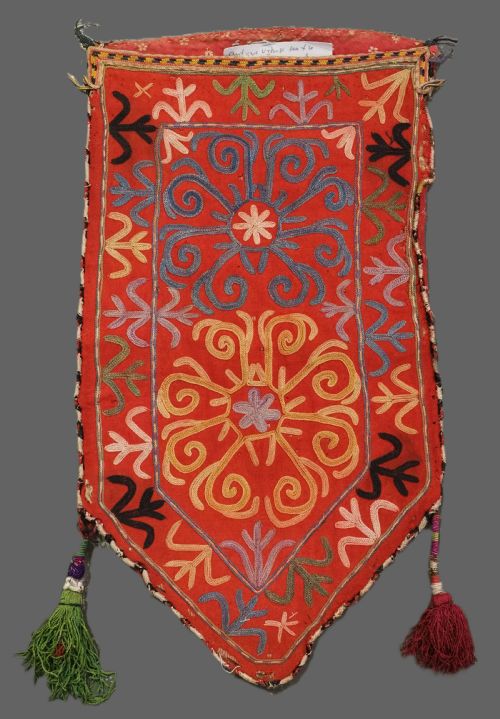
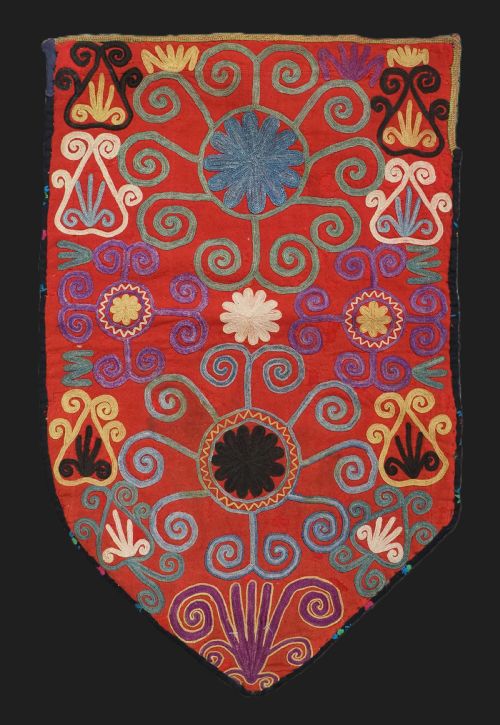
- A specific type of Central Asian hanging or dowry embroidery, frequently associated with Lakai tribal groups. They display energetic geometric forms and contrasting colours.
- Crewelwork
- A traditional form of embroidery utilising wool yarn on a heavy linen or cotton foundation, prominent in English textile history. It typically employs varied stitches to create winding floral and foliate motifs.
- Uut kap
- A type of storage bag or utilitarian hanging from Central Asian nomadic traditions, often adapted for display as a decorative wall piece.
- Applique
- A sewing technique where pieces of fabric, felt or velvet are sewn onto a contrasting background ground material to build up a design. Persian Rasht embroidery frequently employs this method alongside fine needlework.
Vintage Embroidered Wall Hanging: Frequently Asked Questions
How do I hang a vintage textile safely?
Mounting requires spreading the weight evenly across the entire textile rather than suspending it from a single point. A conservation framer can stitch the piece to a padded, fabric-covered backing board.
Alternatively, a professional can attach a cotton sleeve to the reverse and slide a thin wooden batten through it for wall mounting. Direct sunlight should be avoided to prevent the natural silk and wool threads from fading.
What is a Suzani used for?
Traditional Suzanis served multiple domestic functions within Central Asian households, acting as wall hangings, bed covers or ceremonial wraps. Families commissioned them as significant elements of a bride's dowry.
Today, collectors primarily utilise these large embroidered panels as decorative wall art to introduce texture and historic pattern into interior spaces.
How are Central Asian Suzanis dated?
Dating relies upon examining the types of threads, natural or synthetic dye palettes, and the characteristics of the woven foundation fabric. Earlier nineteenth-century examples often feature organic dyes and hand-spun silk grounds with distinctive regional motifs.
Stylistic shifts and structural analysis help distinguish mid-nineteenth-century pieces from later twentieth-century interpretations.