


Silk Embroidery Throw
These silk embroidery throw pieces bring rich Central Asian and South Asian textile tradition into modern spaces as decorative wall hangings and covers.
Silk Embroidery Throw
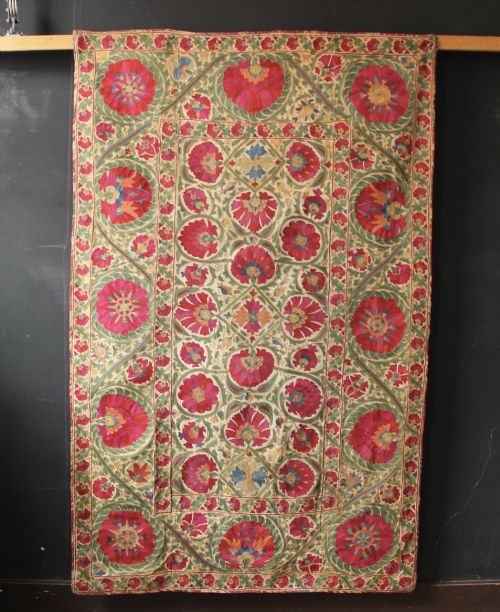
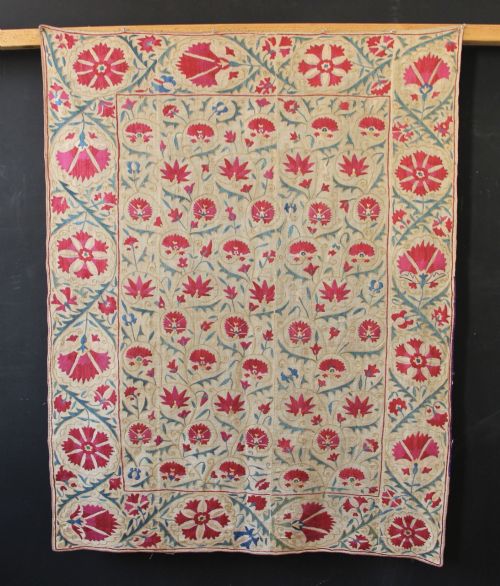
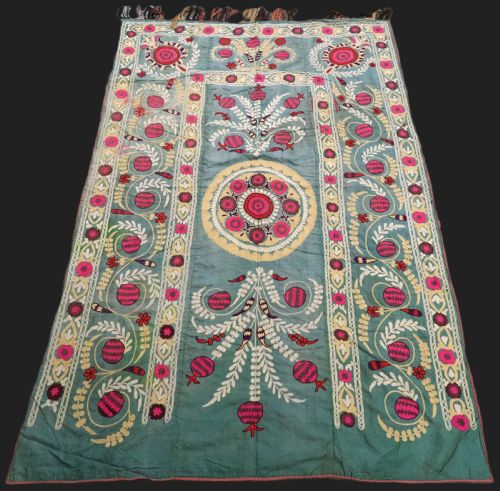
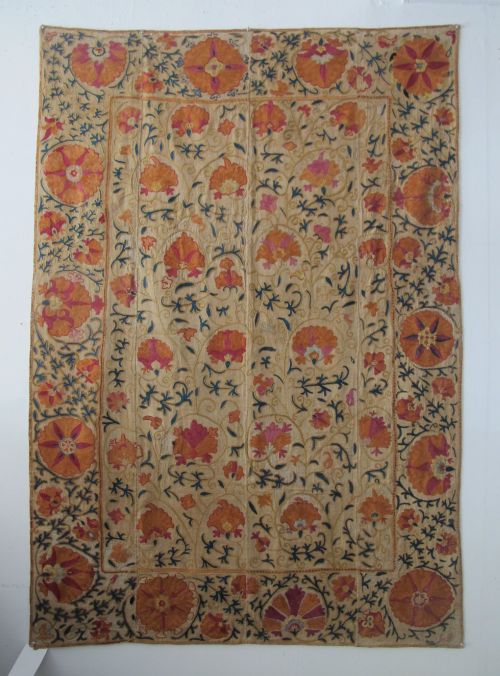
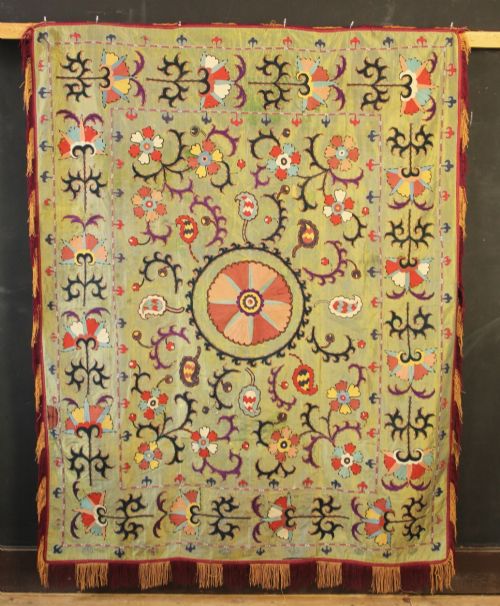
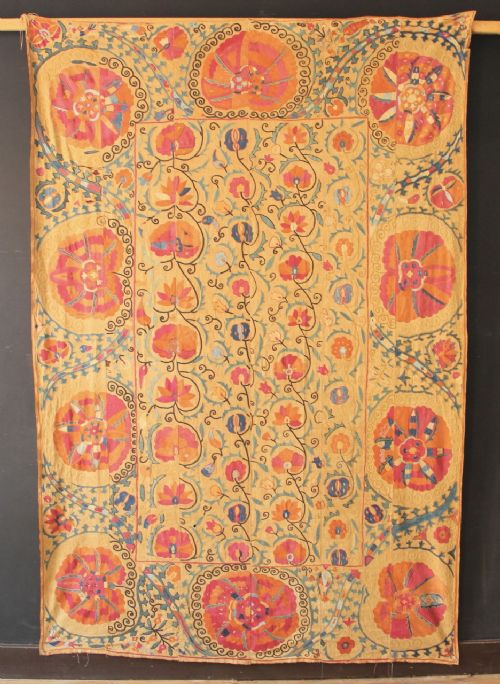
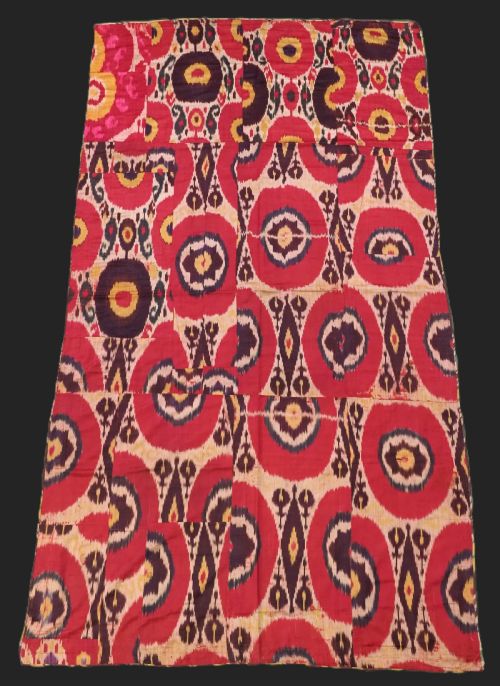
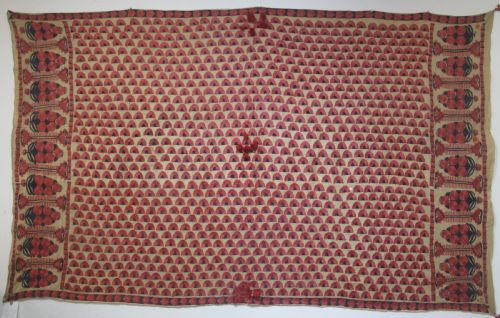
A silk embroidery throw encompasses antique textiles originating primarily from Central Asian regions such as Uzbekistan, including Bokhara, Tashkent, and Samarkand, alongside examples from South Asia. Buyers searching this phrase examine historical Suzanis, bed covers, and fabric panels created across the nineteenth and early twentieth centuries.
The pieces on this page appear in various forms, from large medallion variant Suzanis and full work Palak panels to smaller Nim Suzanis and shawl formats. These textiles function effectively as wall hangings, tapestries, or decorative covers within contemporary interiors.
How the materials and techniques unite
Artisans executed these works using fine silk thread applied to various foundational cloths, including cotton, wool, velvet, and adras mixes. Stitching methods create dense pictorial and floral surfaces across regional traditions like Lakai or Tashkent work.
Ground fabrics provide structural support for intricate embroidery, with red cotton or silk-cotton blends frequently carrying elaborate motifs. Natural dyes supply the depth of colour seen in these nineteenth and early twentieth-century textiles.
Listings span the nineteenth and early twentieth centuries, featuring cotton, velvet, wool, and adras grounds.
What separates the grades
Density of needlework distinguishes standard panels from full work pieces where the ground fabric disappears beneath the stitching. The precision of traditional design layout and the vibrancy of surviving silk threads govern overall visual impact.
Regional execution and complexity of composition, such as central medallion variants or palak star motifs, dictate the standing of individual textile panels within their specific stylistic group.
The Silk Embroidery Throw Glossary
- Suzani
- A traditional embroidered tribal textile from Central Asia, typically made with silk thread on a cotton or silk ground. These large decorative panels often display bold floral or medallion motifs.
- Nim Suzani
- A half-size or smaller version of a standard Suzani textile panel. These smaller formats were traditionally produced for specific domestic uses.
- Palak
- A fully embroidered Suzani variety dominated by large circular star or medallion patterns. The name derives from the Persian word for heaven or sky.
- Adras
- A traditional woven fabric made from a blend of silk and cotton yarns. It serves as a sturdy foundational ground for detailed embroidery.
- Lakai
- An Uzbek tribal group known for distinctive, energetic embroidery styles often characterised by dynamic geometric and small floral forms.
Silk Embroidery Throw: Frequently Asked Questions
What is a suzani textile?
A suzani is a traditional embroidered fabric panel originating from Central Asia, created by skilled artisans using vibrant silk threads.
These pieces were historically made as part of a bride's dowry and functioned as wall hangings, bed covers, or decorative domestic furnishings.
How do I hang a textile panel?
Large textile panels require careful weight distribution to prevent fabric distortion when displayed on walls. Conservation framing or mounting the textile onto a padded, fabric-covered batten safely supports the piece.
Avoid direct vertical suspension by a few points, as this places undue strain on the historic silk threads and ground cloth.
How do I date these embroideries?
Dating relies on examining the materials, dye types, and regional stylistic characteristics present in the embroidery and ground fabric. Nineteenth-century examples often display specific natural dye palettes and hand-spun cotton or adras foundations.
Later pieces from the early twentieth century show subtle shifts in colour range and cloth preparation.
Are these pieces suitable for daily use?
Historic silk embroideries function best as decorative wall hangings, tapestries, or light display covers rather than heavy everyday functional items. Protecting them from direct sunlight preserves the delicate silk threads and natural dyes.
Gentle placement away from high-traffic areas ensures these textiles remain stable over time.