



Silk Floral Embroidery
Silk floral embroidery brings together centuries of hand-stitched botanicals, from Central Asian suzanis to framed European needleworks.
Silk Floral Embroidery
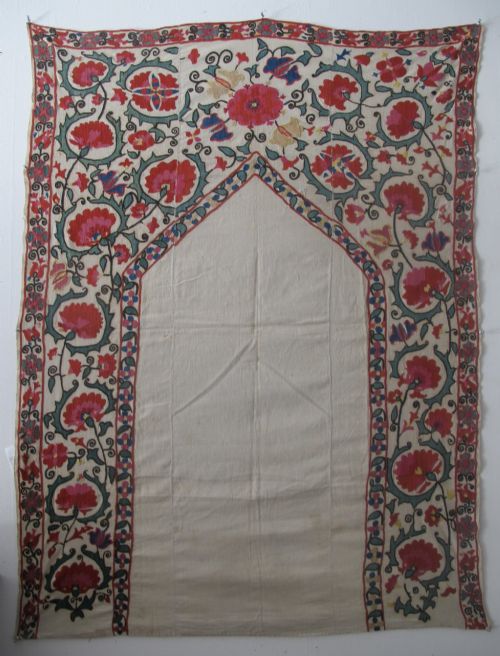
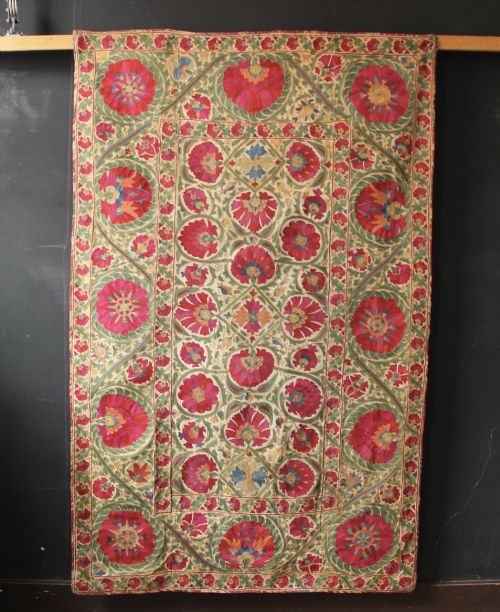
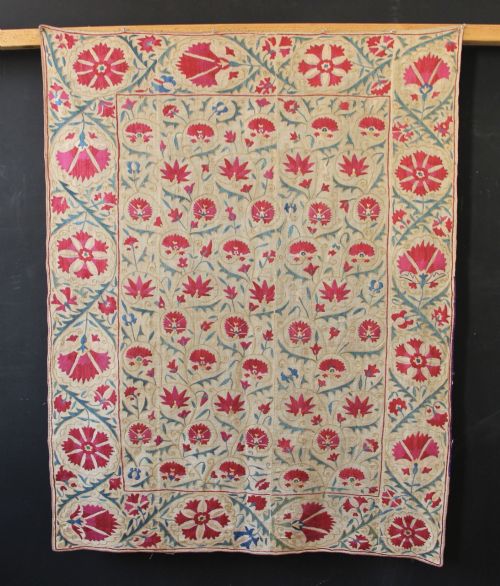
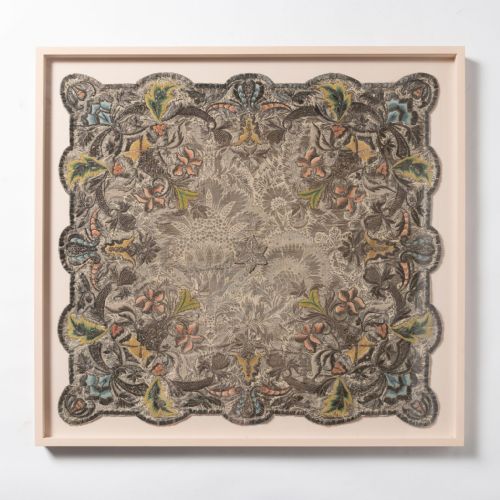
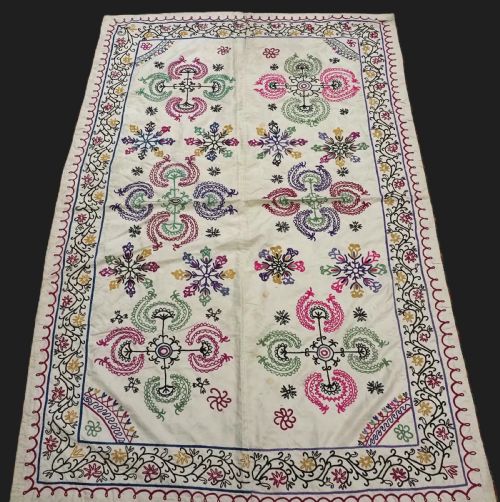
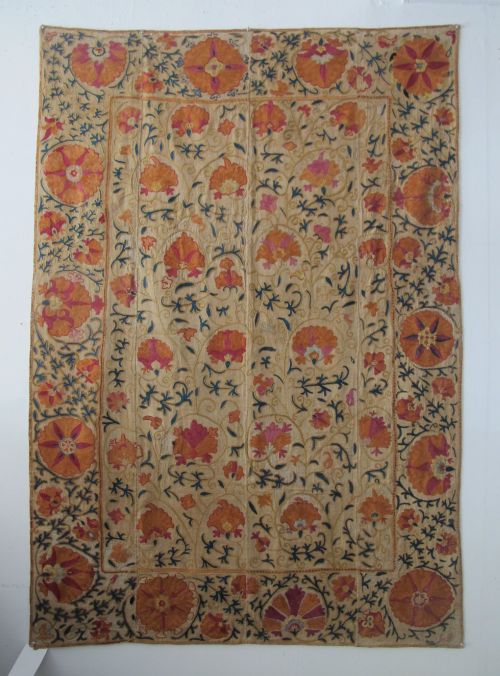
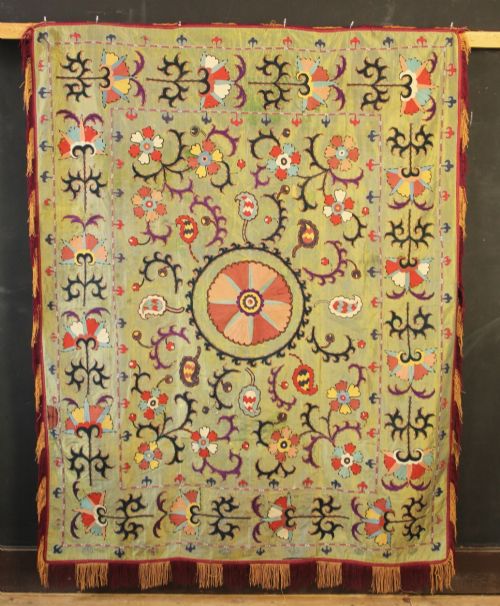
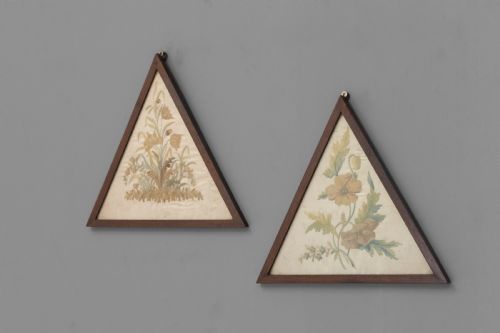
Buyers exploring silk floral embroidery encounter a diverse array of textile art, ranging from large Central Asian suzanis to smaller European framed panels and samplers. The selections spans multiple centuries, with significant representation from the eighteenth, nineteenth, and early twentieth centuries.
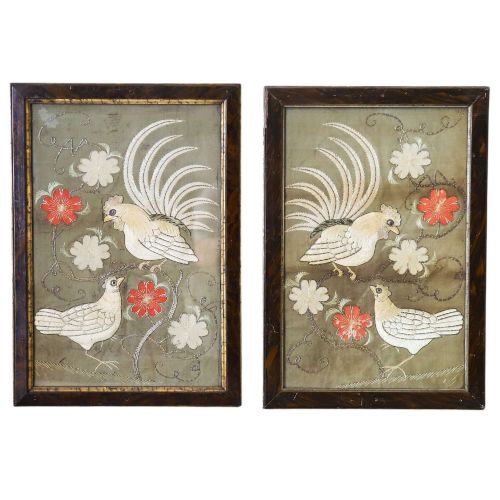
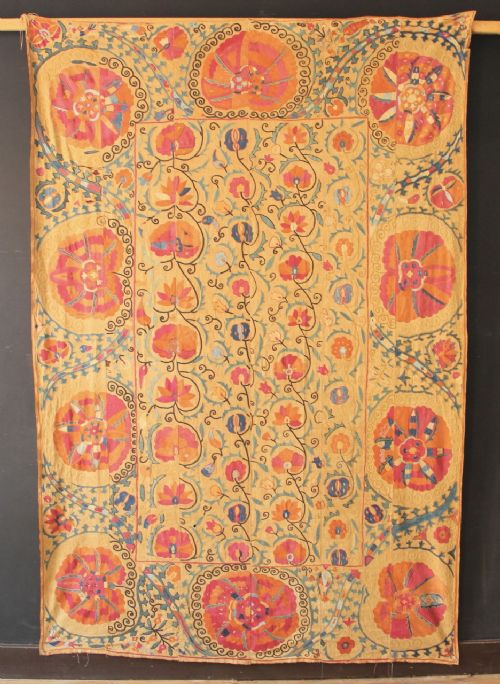
The most common forms on this page include Uzbek suzanis featuring traditional botanical motifs, alongside English, French, and Chinese needlework panels. These pieces function historically as wall hangings, covers, and decorative pictures.
Geographic origins vary widely across the inventory, encompassing Uzbekistan, Persia, Ottoman territories, China, and Western Europe. Each region contributes distinct regional formats, such as prayer designs or medallion variants.
How they were made
Artisans constructed these textiles using fine silk threads stitched onto various ground materials including cotton, linen, wool felt, and silk itself. Stitching techniques encompass elaborate embroidery, needlework, and appliqué work.
Many Central Asian pieces utilise silk thread on cotton or silk foundations, sometimes structured with architectural or medallion layouts. European and Chinese examples frequently employ specialised framing methods, incorporating glass, wood, and faux tortoiseshell surrounds.
Makers shaped regional variations through specific ground fabrics, such as Persian Rasht embroideries created upon red felt grounds. Supporting elements like wool and glass appear alongside primary silk components in select framed works.
Listings feature textiles spanning from the eighteenth century through to the early twentieth century, incorporating cotton, linen, wool felt, and silk.
What varies in quality
Quality separates along the intricacy of the needlework and the precision of the botanical execution. Finely worked suzanis and classical European pictures display exceptional density in their stitchery.
The choice and preservation of ground materials influence the overall standard of the piece. Intact silk embroidery on stable cotton or felt grounds represents superior physical survival over centuries.
Compositional balance and regional design authenticity determine the standing of individual panels. Pieces showing confident handling of traditional floral motifs command greater attention from collectors.
The Silk Floral Embroidery Glossary
- Suzani
- An embroidered tribal textile originating from Central Asia, traditionally worked by brides as part of their dowry. These large wall hangings or covers feature bold floral and medallion patterns.
- Nim Suzani
- A smaller scale version of the traditional Central Asian suzani. These compact textiles provide similar botanical artistry in reduced dimensions suitable for smaller display spaces.
- Rasht embroidery
- A traditional Persian textile technique involving inlaid wool felt and fine silk chain stitch embroidery. These works are distinguished by intricate scrollwork and floral medallions.
- Sampler
- A piece of needlework produced by an embroiderer to demonstrate proficiency in various stitches. Historical examples often incorporate alphabets, numerals, and domestic motifs alongside dates and makers' names.
- Appliqué
- A sewing technique where smaller pieces of fabric are attached to a larger ground material to form a design. In textile art, this method creates layered depth within floral patterns.
Silk Floral Embroidery: Frequently Asked Questions
What is a suzani?
A suzani is a large, decorative embroidered textile originating from Central Asia, traditionally created in regions such as Uzbekistan. These pieces were historically stitched by brides as part of their dowry.
They typically feature vibrant floral motifs, vines, and medallions worked in silk thread on cotton or silk foundations. Today, they serve primarily as striking wall hangings.
How were antique needlework pictures displayed?
European and Chinese needlework pictures were typically mounted and framed behind glass to protect the delicate silk threads. Eighteenth and nineteenth-century examples often utilised timber or faux tortoiseshell frames.
These framed panels functioned as domestic wall art, preserving intricate embroidery styles ranging from Baroque taste to Victorian decorative designs.
How do I care for antique silk embroidery?
Antique textiles require protection from direct sunlight to prevent the silk threads and ground fabrics from fading and weakening. Keeping them away from excessive moisture and fluctuating humidity preserves the fibres.
Displaying framed pieces securely or hanging textiles away from direct heat sources ensures these historic hand-stitched works endure safely.
How can I tell regional styles apart?
Regional styles reveal themselves through distinct combinations of ground fabrics, stitching methods, and botanical motifs. Central Asian suzanis often employ bold silk floral sprays on cotton grounds.
Persian Rasht embroideries utilise distinctive wool felt backgrounds with intricate inlaid silk work. European samplers and needlework pictures focus on formal portraiture, botanical arrangements, or stitched typography.