



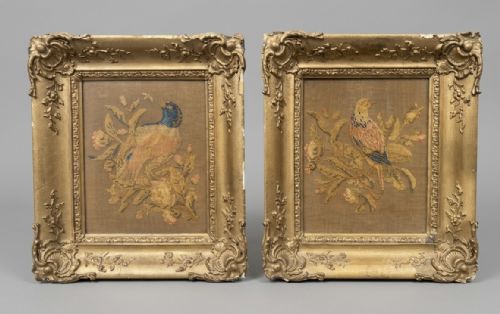


Gold Framed Embroidery
Gold framed embroidery combines delicate needlework with gilded wood, bringing historic textiles and intricate threadwork into domestic interiors.
Gold Framed Embroidery
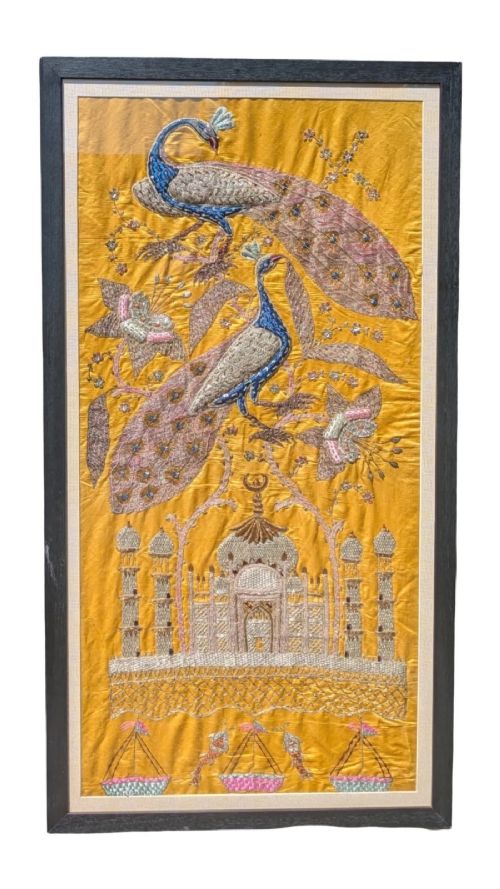
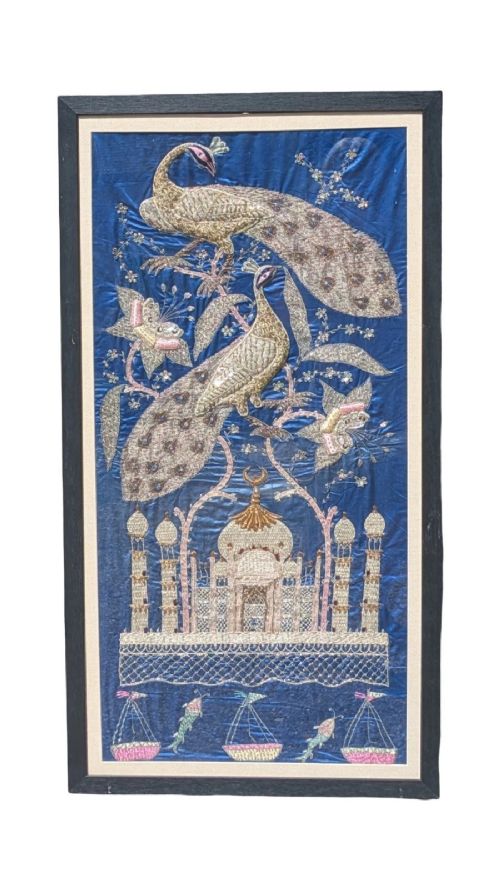
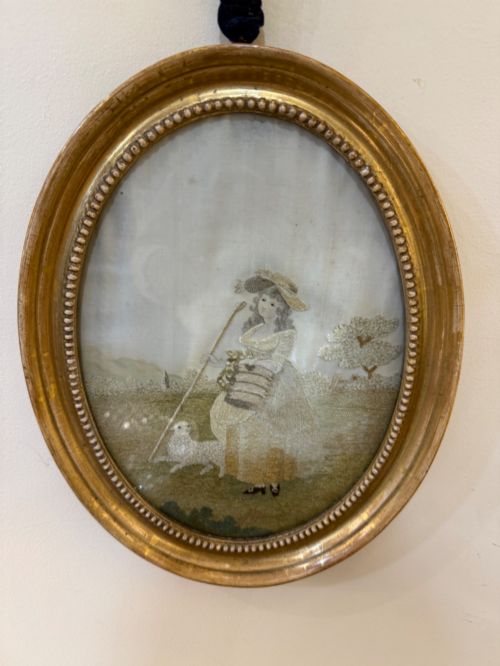
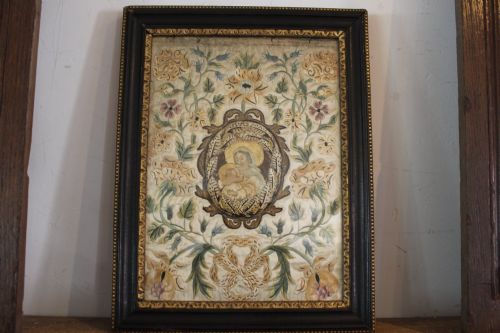
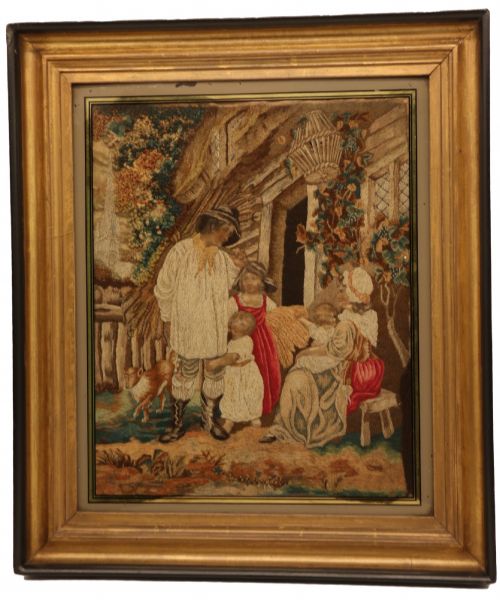
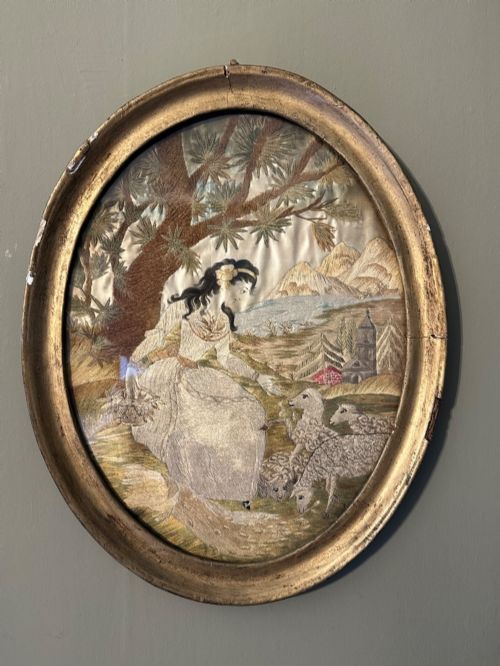
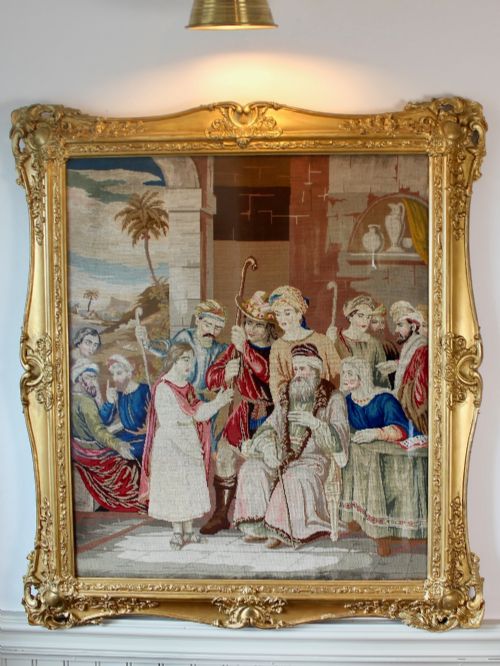
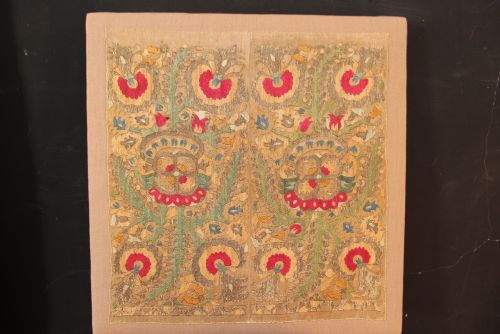
A gold framed embroidery piece involves needlework encased in a wooden or gilt frame, capturing centuries of textile artistry from various global origins. When exploring gold framed embroidery on this page, collectors encounter framed panels, wall art, and needlework pictures spanning from the 17th century through the Victorian era and into the 20th century.
The assortment includes domestic English needlework, European tapestry portraits, Ottoman fragments, and Indian silk panels depicting architectural scenes or animals. These works demonstrate diverse regional aesthetics, encompassing Georgian, Regency, and Victorian styles alongside styles from China, Turkey, and Italy.
Materials and Techniques
Materials utilised in these works rely heavily on natural textiles such as silk, wool, and canvas, frequently combined with metallic thread, gold wire, and hand-painted elements. Artisans executed meticulous needlepoint, crewel work, long stitch, and stumpwork directly onto fabric substrates.
Framing techniques incorporate gilt wood, original gilt frames, and black glass mounts, which protect the fragile organic fibres and metallic threads from environmental degradation over centuries.
Listings feature items spanning four centuries, utilising silk, wool, canvas, and metallic thread within gilt wood frames.
Assessing Quality
Quality in these textile works resides in the precision of the needle technique, the complexity of the pictorial composition, and the survival of original materials such as metallic threads and glass covers. Superior examples display tight, uniform stitches and detailed hand-painted components that integrate seamlessly with the embroidery.
The construction of the enclosure influences overall merit, with period gilt wood frames offering contextual integrity that mass-produced modern replacements lack. Preserved colour vibrancy in silks and wools further elevates the standing of an individual piece.
The Gold Framed Embroidery Glossary
- Giltwood
- Wood carved and coated with gold leaf or gold paint. This finish creates a bright reflective border that complements the metallic threads within the textile.
- Stumpwork
- Raised embroidery technique popular in the 17th century. It uses padding over wooden moulds or wire foundations to create a three-dimensional effect on the panel.
- Berlin Woolwork
- Embroidery style executed on canvas using brightly coloured Berlin wools. This technique gained immense popularity during the Victorian period for creating large pictorial scenes.
- Mezzotint glass
- Dark glass used in framing during the Georgian and Regency periods. It creates a subtle background tone and frames the textile subject effectively.
- Crewel work
- Embroidery using wool yarn on a plain-weave fabric. This traditional method often produces floral and botanical motifs seen in early 19th-century pieces.
Gold Framed Embroidery: Frequently Asked Questions
How do I hang antique embroidery?
Hang these textile works away from direct sunlight and moisture to prevent fading and fibre degradation. Utilise stable wall anchors suited to the weight of the timber frame and glass.
Ensure the room maintains a stable temperature to protect delicate organic materials like silk and wool from thermal shock.
How do I date a piece?
Examine the framing materials, backing boards, and stitching techniques to estimate the period of origin. Georgian and Regency pieces often feature specific glass types and hand-carved giltwood frames.
Subject matter and costume depicted in the needlework also provide reliable clues regarding the decade or century of creation.
What is stumpwork?
Stumpwork is a raised embroidery style predominantly associated with the 17th century. It incorporates padding and wire to make figures and motifs project outward from the background.
This technique often illustrates historical or biblical scenes with remarkable texture and depth.