




Gilt Framed Needlepoint
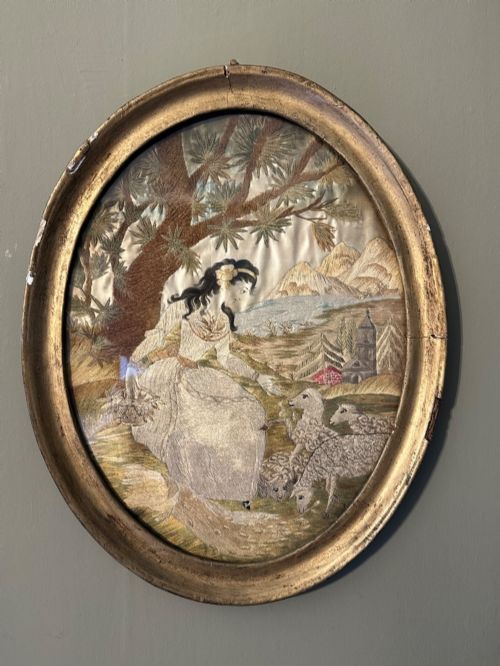
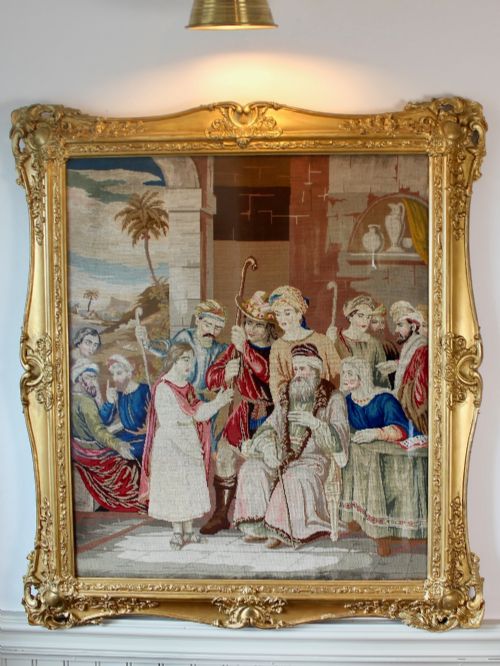
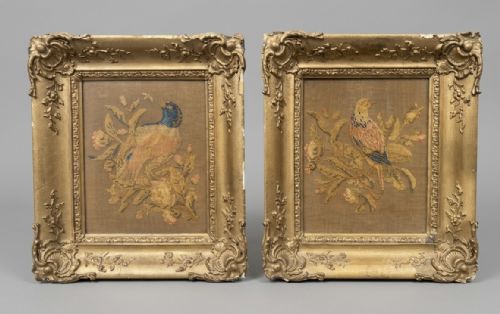
These gilt framed needlepoint pieces combine detailed stitched textile art with gilded wooden surrounds, offering a glimpse into centuries of domestic handcraft.
Gilt Framed Needlepoint
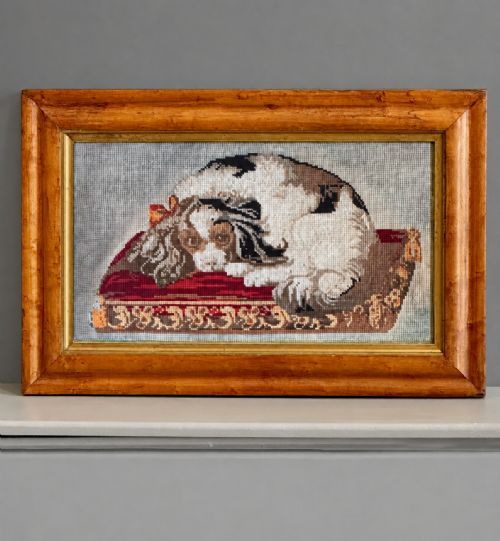
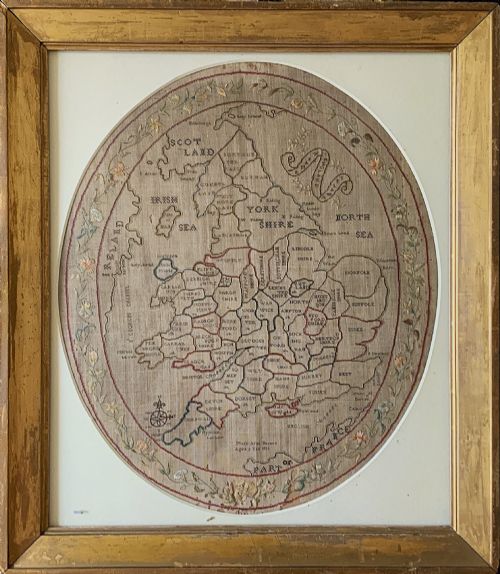
When searching for gilt framed needlepoint, buyers encounter textile works spanning the seventeenth through the nineteenth centuries, including Victorian Berlin woolwork, Georgian maps, and silk embroidered pictures. These wall art pieces range from small oval portraits to large tapestries, all enclosed in wooden or giltwood frames that protect the fragile embroidery.
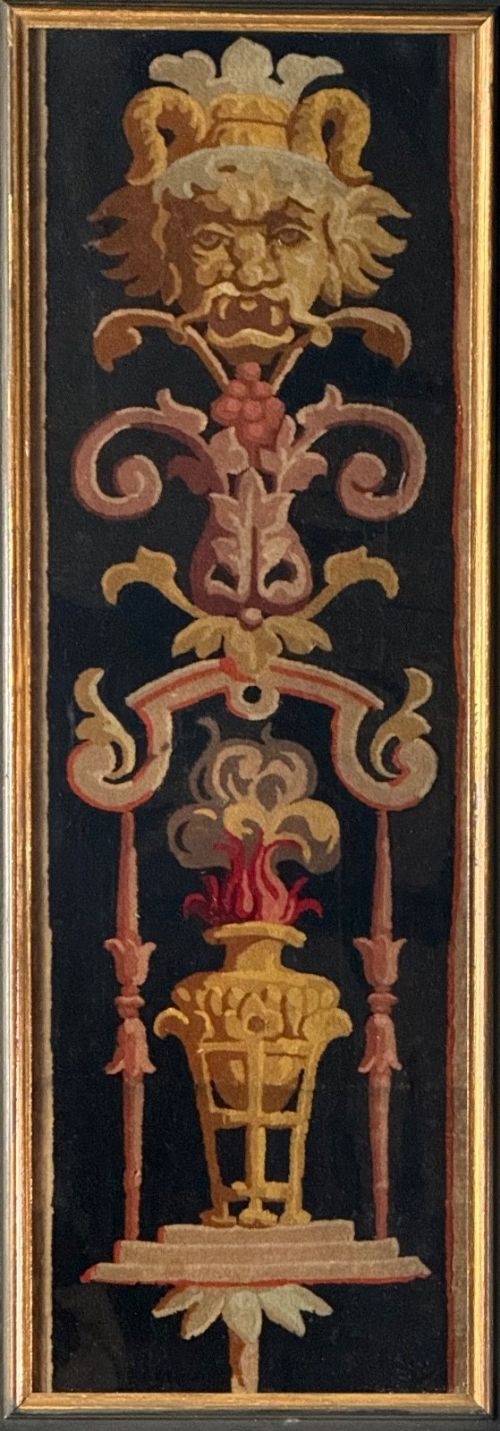
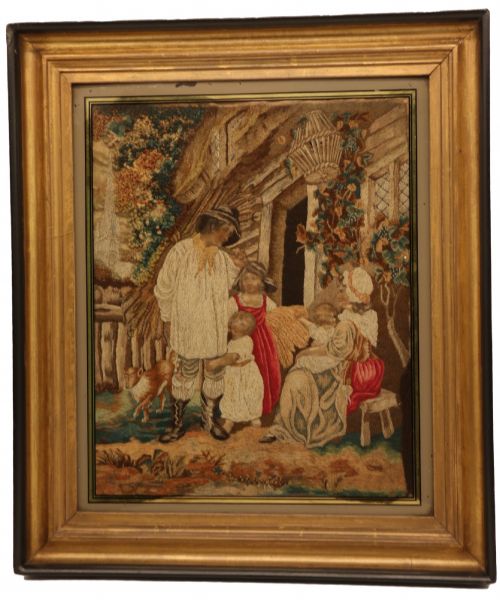
The domestic and narrative scenes seen here reflect periods such as Regency and Victorian eras, alongside continental panels and English samplers. Textile art takes forms like long stitch, crewel work, beadwork, and felt pictures, preserved behind glass or within original frames.
Materials and technique
Framing utilises wood finished with gold leaf or giltwood, often incorporating glass such as verre églomisé to protect the delicate textiles from dust and moisture over the centuries.
Gilt Framed Needlepoint Retail Price Guide 2026
Typical asking prices for gilt framed needlepoint among the pieces listed under this phrase on Sellingantiques today, from the lower quarter to the upper quarter. They describe what is for sale here now, not the wider market.
Listings include materials such as silk, wool, canvas, linen, and gold leaf, framed in wood, giltwood, and glass across various centuries.
Distinctions in quality
The standard of a needlepoint piece rests upon the precision of the stitching and the complexity of the design, whether depicting human figures, animals, or topographical maps. Tightly worked wool or silk displays sharper detail and richer colour graduation.
The preservation of the textile and the originality of the frame dictate the standing of an item. Surviving glass panels, original burr maple or giltwood surrounds, and minimal fading of the silk and wool threads separate superior examples from altered pieces.
The Gilt Framed Needlepoint Glossary
- Berlin woolwork
- A type of needlepoint embroidered in brightly coloured wools using charted patterns, popular during the nineteenth century. These large pictorial panels often depicted dramatic scenes or animals.
- Verre églomisé
- A process of applying gold leaf and painting on glass, frequently used for decorative borders on picture frames during the Regency and Victorian periods.
- Sampler
- A piece of needlework produced to demonstrate proficiency in various stitches, often featuring alphabets, numerals, and genealogical details or maps.
- Crewel work
- Embroidery executed using wool yarn on a plain woven fabric like linen, known for traditional floral and pastoral motifs.
- Giltwood
- Wood that has been coated with a thin layer of gold leaf or gesso and gold paint, common for decorative frames of the eighteenth and nineteenth centuries.
Gilt Framed Needlepoint: Frequently Asked Questions
How do I hang a needlepoint picture?
Protect antique textiles by hanging them away from direct sunlight and damp environments. Ensure the wall fixings match the weight of the gilt frame.
Use professional picture wire attached securely to the original frame rather than relying on old hanging rings that may have weakened over time.
What periods do these pieces date from?
The listings span from the seventeenth century through the Victorian era and into the early twentieth century. Common periods include Georgian, Regency, and Victorian.
Stylistic clues like stitching techniques, framing styles, and subject matter help identify the precise era of manufacture.
Are the frames original to the needlework?
Many pieces retain their original giltwood, burr maple, or verre églomisé frames, which collectors value for historical authenticity. Some items have been reframed later in life to protect the fragile canvas.
Inspect the joinery and backing of the frame to understand its relationship to the textile inside.