
Antique Urn Set
An antique urn set brings symmetrical elegance to a mantel or sideboard, pairing a central vessel with matching side pieces.
Antique Urn Set
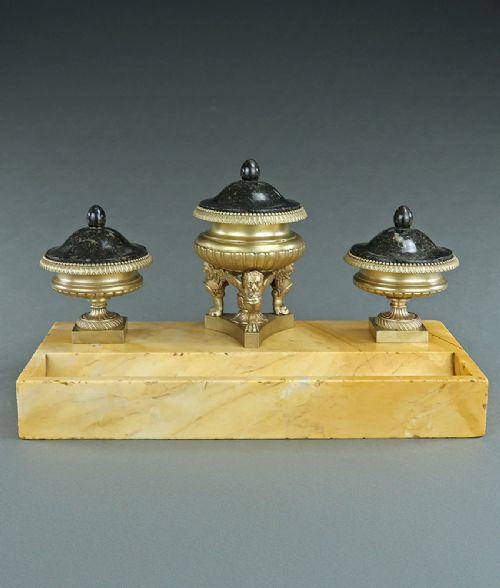
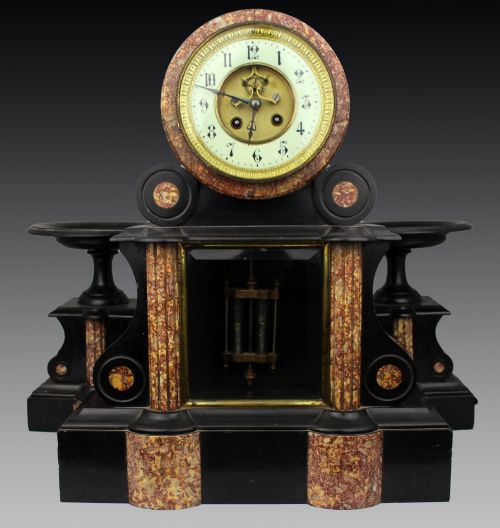
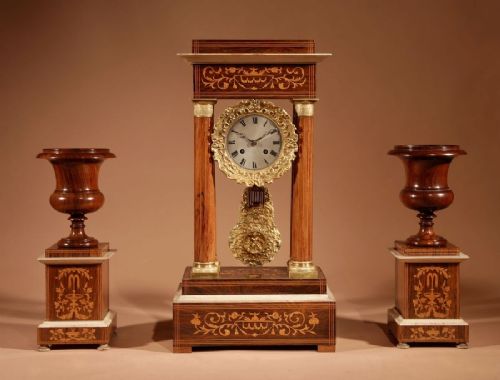
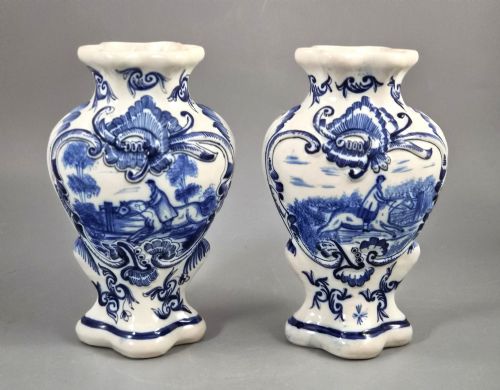
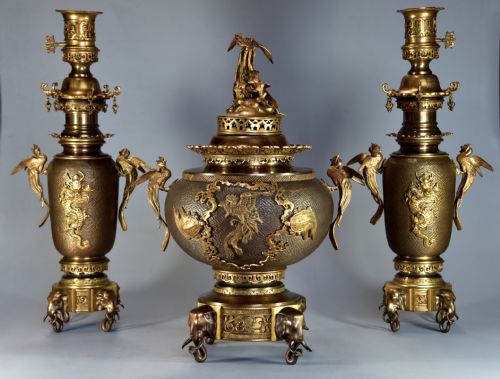
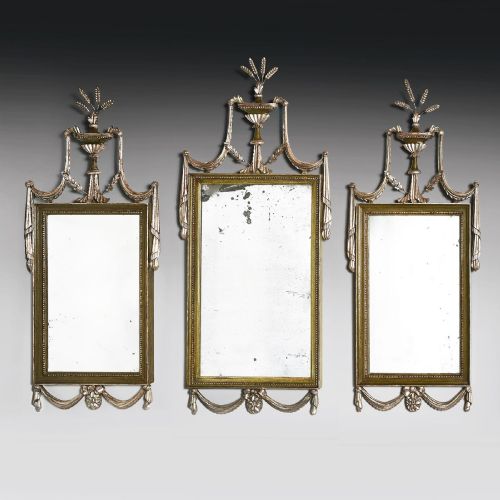
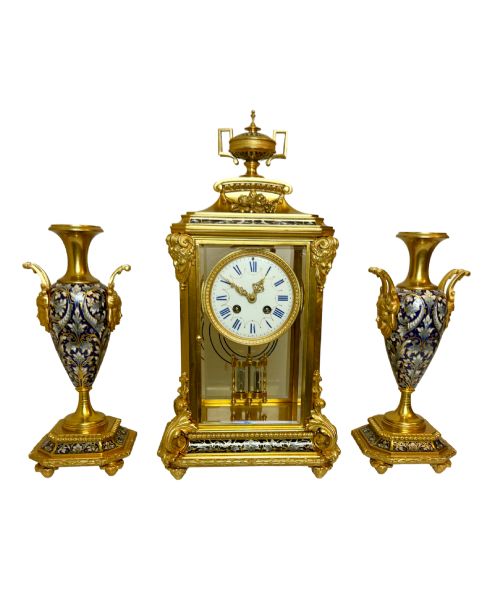
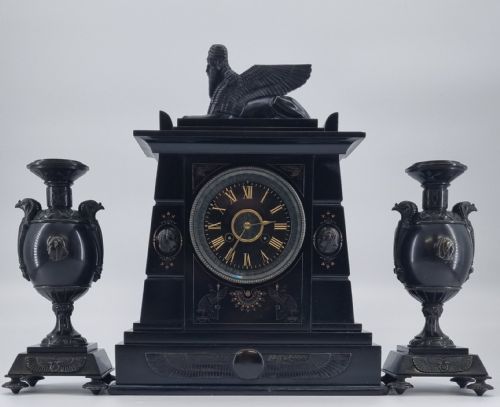
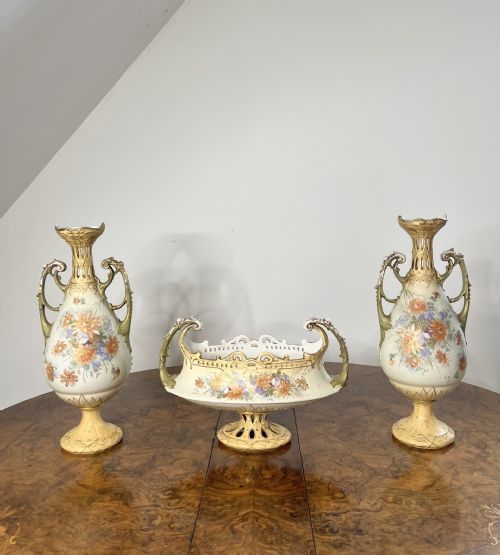
When searching for an antique urn set, collectors encounter matched groupings designed for decorative symmetry on mantelpieces or large side tables. These assemblies typically comprise a central vessel accompanied by two matching side vases, or occasionally a clock paired with matching garnitures.
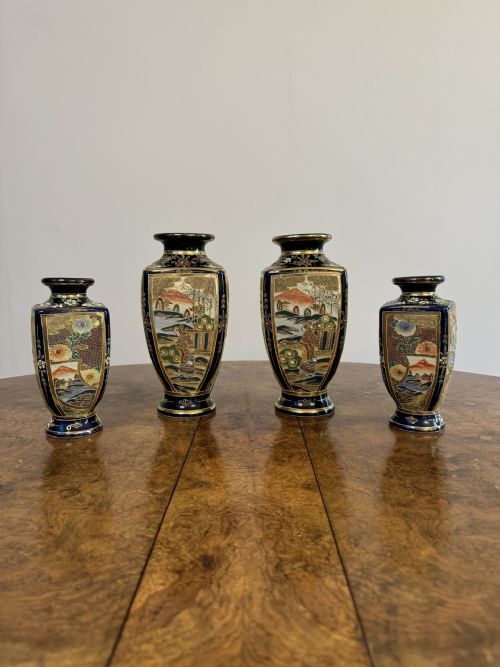
The selections available range widely in origin and period, spanning nineteenth-century French porcelain and bronze arrangements to Japanese Imari and Satsuma ceramic groupings. Many examples incorporate classical motifs, reflecting revivals of interest in Neoclassical, Egyptian, and Rococo styles during the Victorian era.
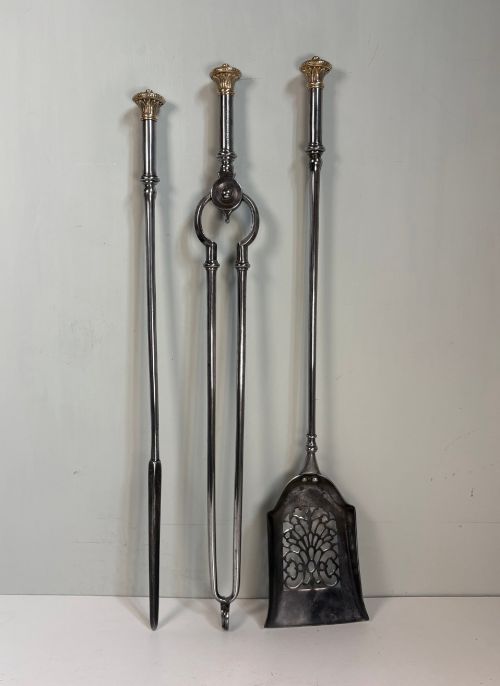
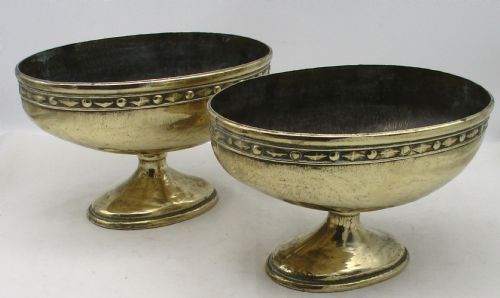
Buyers also encounter related multi-piece assemblages such as altar garnitures in brass and fireplace tool sets, though porcelain and bronze urn groupings form the core of this category.
Materials and construction techniques
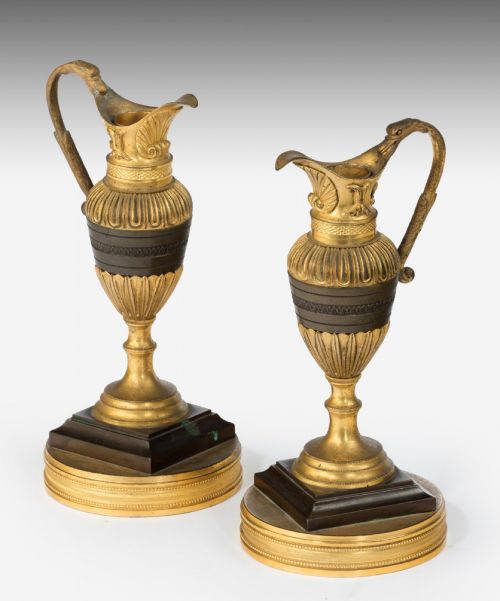
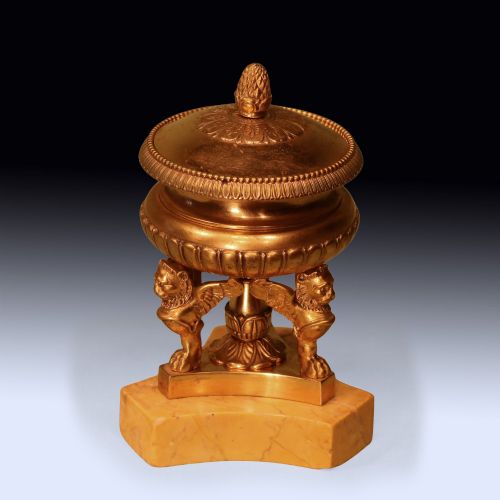
Makers utilised a diverse palette of metals, combining bronze, ormolu, and brass with hand-painted porcelain, enamel, and carved marble. Many nineteenth-century French and Japanese pieces demonstrate sophisticated casting and gilding methods alongside intricate hand-applied overglaze decoration.
Ceramic elements frequently involve detailed painting of pastoral or oriental scenes, sometimes enhanced with gold leaf and raised enamel work. Stoneware and porcelain bodies were often paired with patinated bronze mounts, champlevé enamel panels, or fitted glass domes for protection.
Listings feature nineteen-century French porcelain, Japanese Imari and Satsuma ceramics, alongside brass and bronze decorative hardware.
Assessing craftsmanship and design
The standard of an antique urn set is determined by the crispness of the bronze casting, the delicacy of hand-painted details on the porcelain, and the harmony of the matching components. Superior sets exhibit precise symmetry and refined chasing across all included pieces.
Provenance and signature work from established makers elevate a grouping, as seen in pieces originating from notable French clockmakers or prominent Japanese ceramic workshops. The integration of high-grade materials, such as Sienna marble bases or genuine ormolu, further distinguishes exceptional examples from standard production.
Japy Frères·Fourmaintraux-Courquin·Gillows Of Lancaster·Royal Vienna·Flight Barr And Barr·Kinkozan
The Antique Urn Set Glossary
- Garniture set
- A matched group of three or more decorative objects, usually comprising a central vase or clock flanked by symmetrical side pieces. These sets were traditionally displayed on mantelpieces or console tables.
- Ormolu
- Gilt bronze, where a finely ground high-carat gold mercury amalgam is applied to a bronze object. This technique was widely utilised in French decorative arts during the eighteenth and nineteenth centuries.
- Champlevé enamel
- A technique where troughs or cells are hollowed out in the surface of a metal object and filled with vitreous enamel powder before firing. The resulting surface shows coloured enamel designs separated by thin metal lines.
- Imari palette
- A distinctive style of Japanese porcelain decoration featuring underglaze blue and iron red, supplemented by gold, green, and other enamel colours. Pieces decorated in this manner were extensively exported to Europe from the Edo period onwards.
- Satsuma ware
- A type of Japanese earthenware featuring a pale, ivory-coloured crackle glaze, typically decorated with elaborate polychrome enamels and gilding. These ceramics gained immense popularity in the West during the Meiji era.
Antique Urn Set: Frequently Asked Questions
What is an antique urn set?
An antique urn set is a matched group of decorative vessels, typically consisting of a central piece accompanied by two smaller matching vases or garnitures. These arrangements were designed to create visual balance on mantelpieces or architectural ledges.
Such groupings frequently incorporate materials like porcelain, bronze, and marble, reflecting the prevailing aesthetic tastes of the eighteenth and nineteenth centuries.
How were garniture sets used historically?
Historically, garniture sets served as prominent interior decoration in formal rooms, placed conspicuously upon mantel shelves, sideboards, or large tables. They demonstrated the owner's taste and affluence through fine craftsmanship and exotic imported materials.
While some sets incorporate functional elements like incense burners or clocks, their primary role was purely ornamental and decorative symmetry.
How do I style an antique urn set at home?
Display an antique urn set centrally on a mantelpiece or a wide console table to allow the symmetrical arrangement to command the space. Ensure the surrounding decor remains uncluttered so the detailed painting and metalwork of the pieces can be appreciated.
Keep delicate porcelain or glass sets away from direct sunlight and areas of heavy vibration to protect the historical materials.
How can I tell different periods apart?
Differentiating periods relies on observing stylistic markers, such as the exuberant curves of Rococo revival pieces versus the stricter symmetry of Neoclassical designs. Material choices also provide clues, as nineteenth-century pieces often combine advanced bronze casting with champlevé enamel or regional ceramic styles like Satsuma.
Examining the base construction, mounting techniques, and any maker's marks or signatures helps narrow down the manufacturing era.