




Antique Tripod Supper Table
An antique tripod supper table balances a tilting circular top on a slender pillar and three legs, offering practical dining versatility and enduring architectural grace.
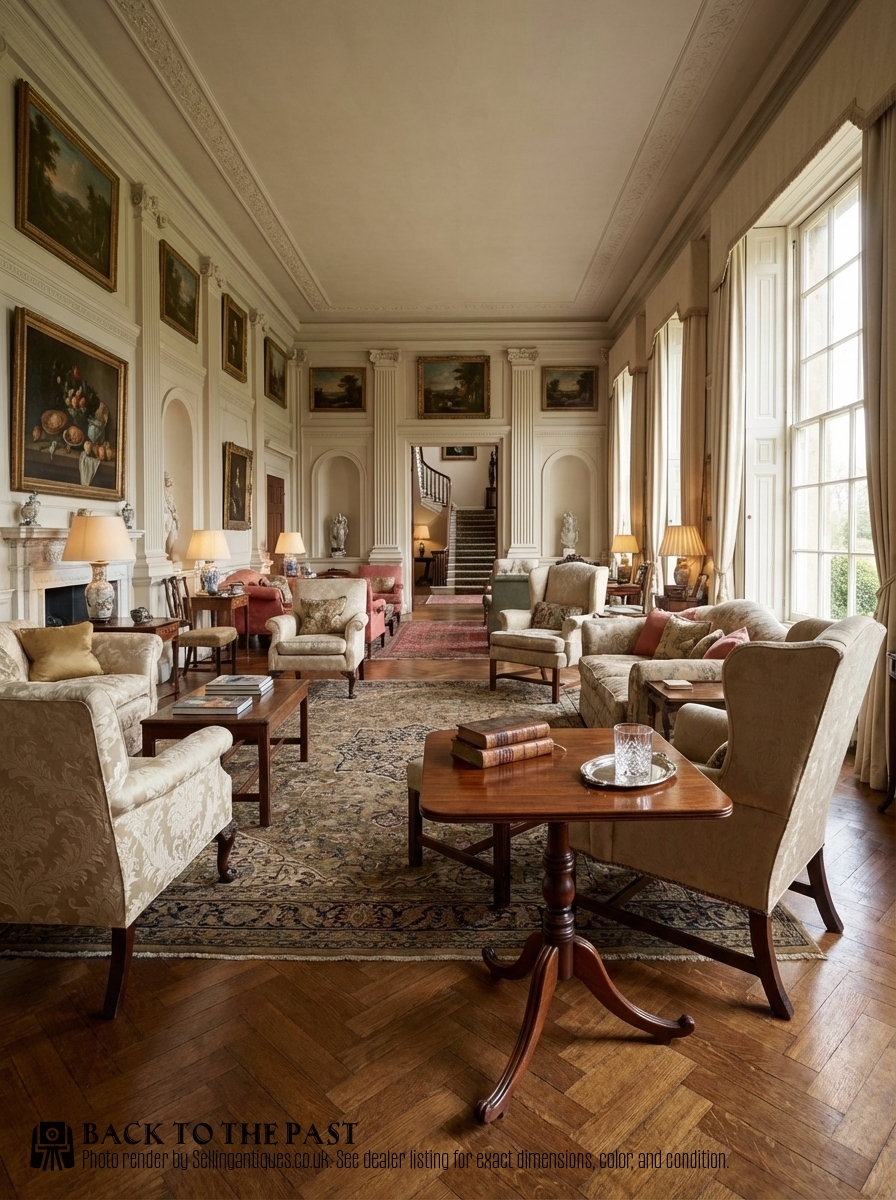
Antique Tripod Supper Table
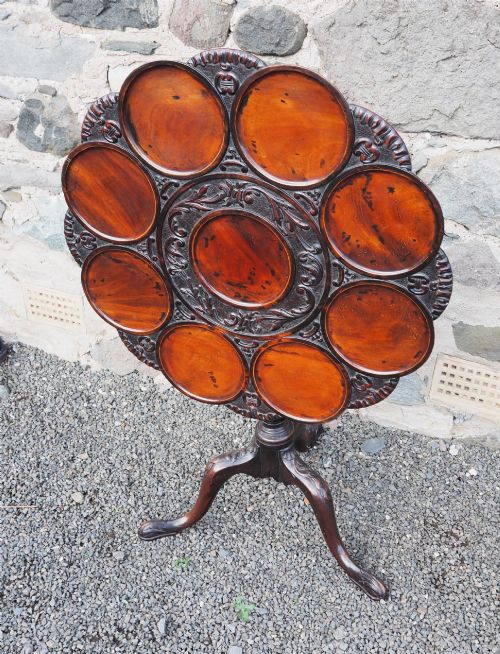
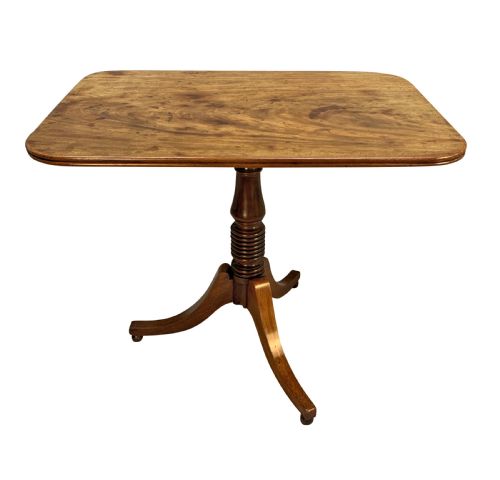
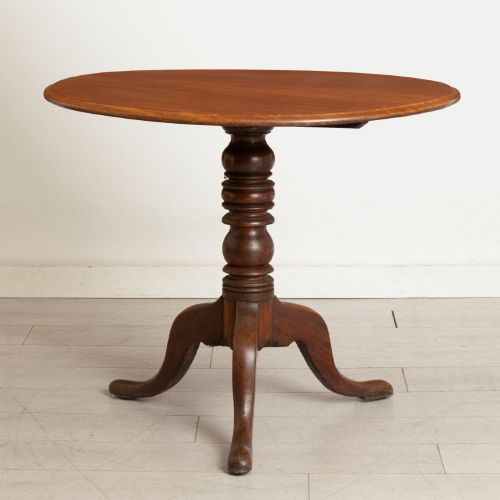
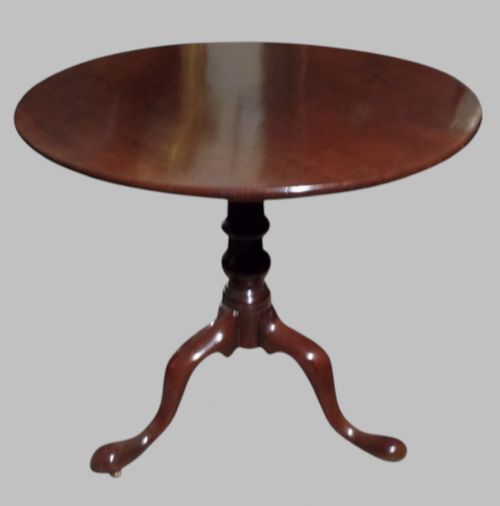
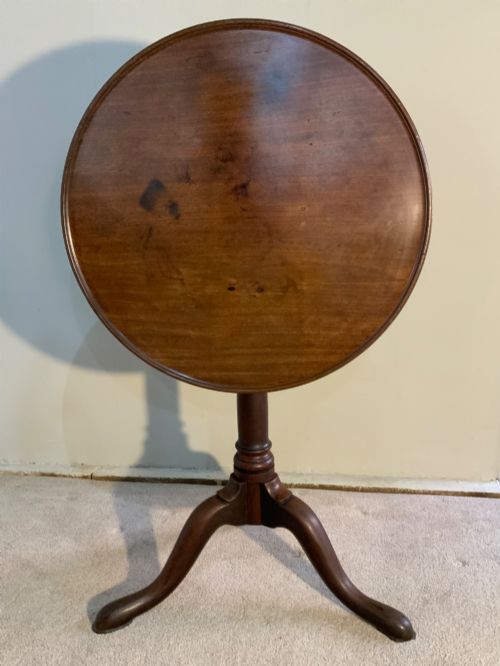
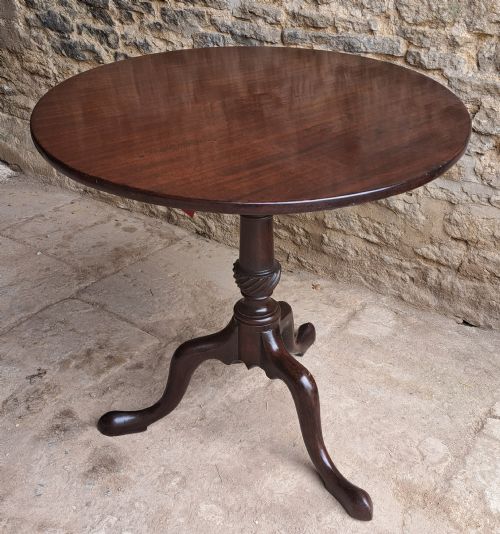
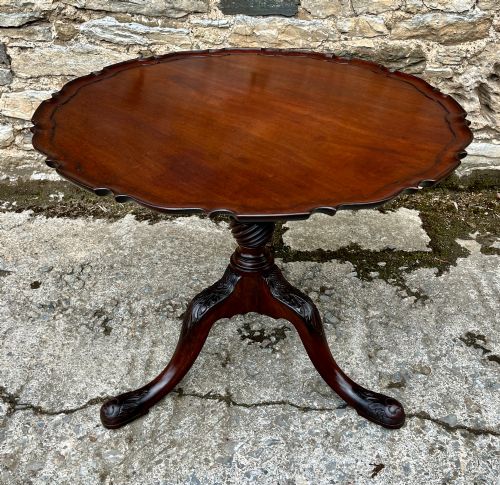
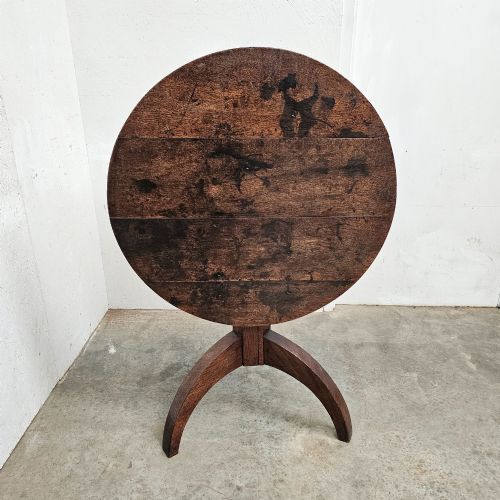
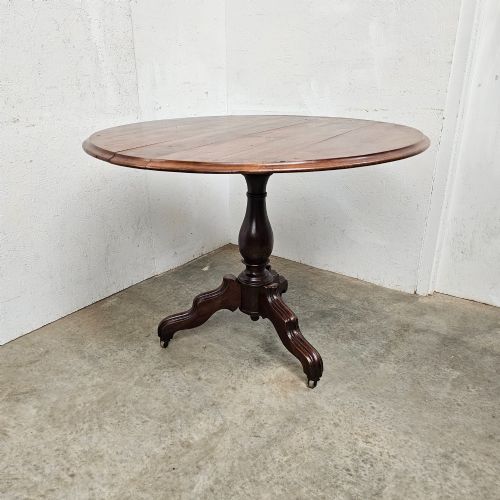
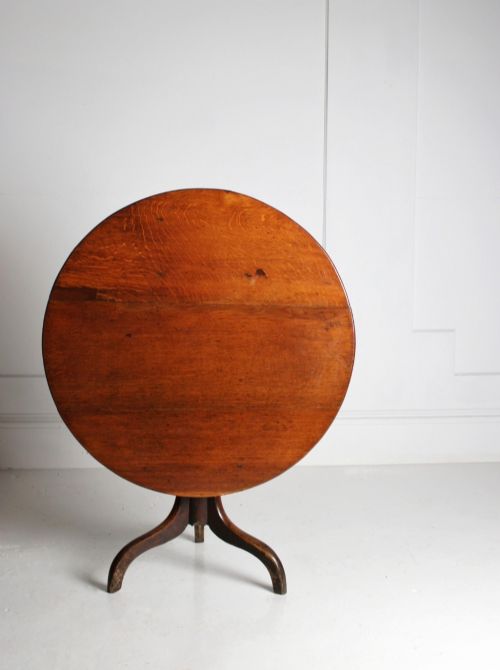
An antique tripod supper table provides a compact surface designed for evening dining and social gatherings, tilting flat when set for use and tipping vertically against a wall when cleared. These pieces appear most frequently from the Georgian and Regency eras, though Victorian and later examples also emerge across the selection.
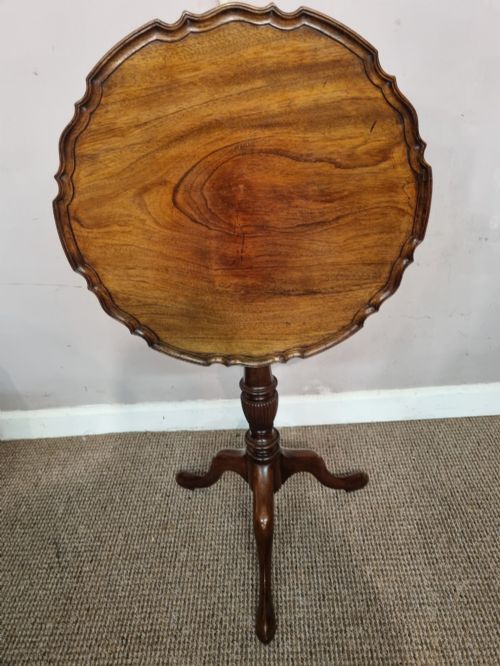
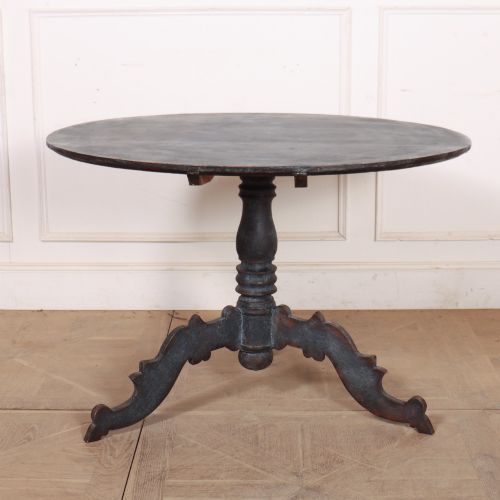
The dominant material in these listings is mahogany, often specified as Cuban timber, paired with alternative native woods like oak and walnut. Makers built them with circular, tray, or pie-crust edges supported by a single central column terminating in three sweeping legs.
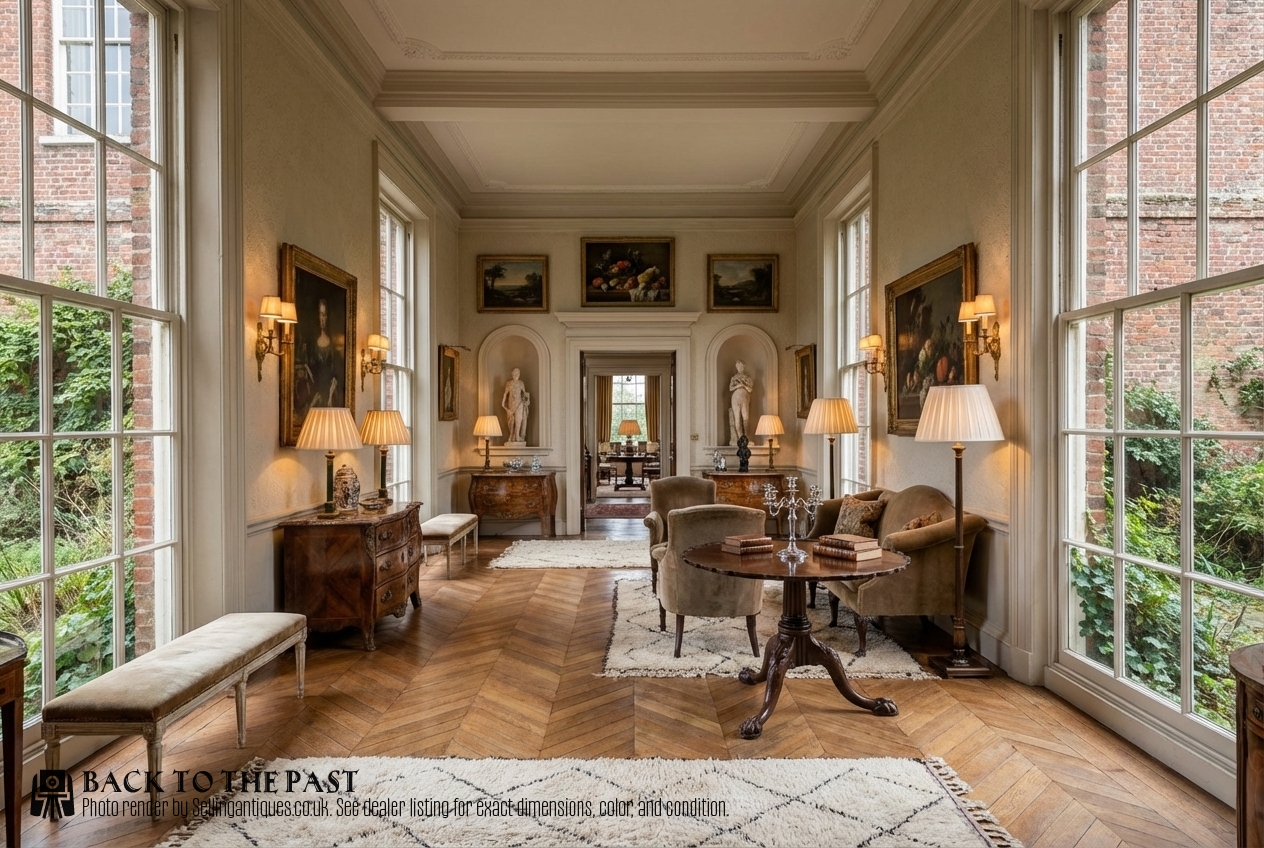
How these tables were constructed
Cabinet makers utilised dense hardwoods such as mahogany and oak, turning central pillars on lathes and shaping legs by hand to form stable tripod bases. Many incorporate a birdcage mechanism beneath the top, allowing the surface to rotate independently of the column.
Surfaces feature specialised edging techniques, including carved pie-crust profiles or raised tray borders, secured to tilting mechanisms with brass catches and iron fittings.
What distinguishes the quality
Construction fidelity dictates standard differences, notably the presence of a single-piece timber top rather than multiple joined planks. Fine examples exhibit crisp carving on the cabriole legs and detailed turning on the central pillar.
Surface preservation defines upper tiers, where original patination, depth of grain, and intact birdcage actions demonstrate superior craftsmanship and minimal later restoration.
John Bivins
The Antique Tripod Supper Table Glossary
- Tilt-top
- A hinged table top that pivots vertically for storage against a wall when not in use. This mechanism saved valuable floor space in period domestic interiors.
- Birdcage
- A wooden framework beneath the table top that enables the surface to rotate and tilt. It uses small spindles arranged like a cage around the central column.
- Pie-crust edge
- A raised, decorative rim carved with undulating waves and curves around the perimeter of the circular top. It prevented dishes from sliding off during use.
- Tripod base
- A support structure consisting of three radiating legs attached to a central pillar. This design ensures stability on uneven floors.
- Snap-top
- A spring-loaded latch system that locks the pivoting table top firmly into a horizontal position. It releases to let the surface fold flat.
Antique Tripod Supper Table: Frequently Asked Questions
How were tripod supper tables used?
These tables served primarily for light evening meals, social drinking, or card games in domestic parlours. Servants brought the portable surface into rooms set for dining and cleared it away afterward.
When not in active use, the top tilted vertically to rest against the wall, freeing up floor space in smaller rooms. Their lightweight construction allowed people to move them easily near firesides or windows.
How do I spot a Georgian supper table?
Georgian examples typically feature rich mahogany timbers, hand-carved tripod legs ending in pad or claw-and-ball feet, and slender turned pillars. Many incorporate birdcage mechanisms that allow the top to rotate smoothly.
Later Victorian versions often use rosewood or walnut and may lack the refined proportions and joinery details found in 18th-century pieces. Checking the underside reveals period hand-cut fixings rather than modern machine screws.
Can I use one as a dining table?
These pieces suit intimate dining for one or two people due to their modest circular dimensions. Their central column design provides ample legroom for seated diners.
Placing heavier serving dishes near the centre maintains balance, though tilting mechanisms require careful handling when loaded. They function well today as occasional breakfast or side tables in compact spaces.