

Antique Tripod Stand
An antique tripod stand brings balanced three-legged support and upright elegance to lamps, plants and corners.
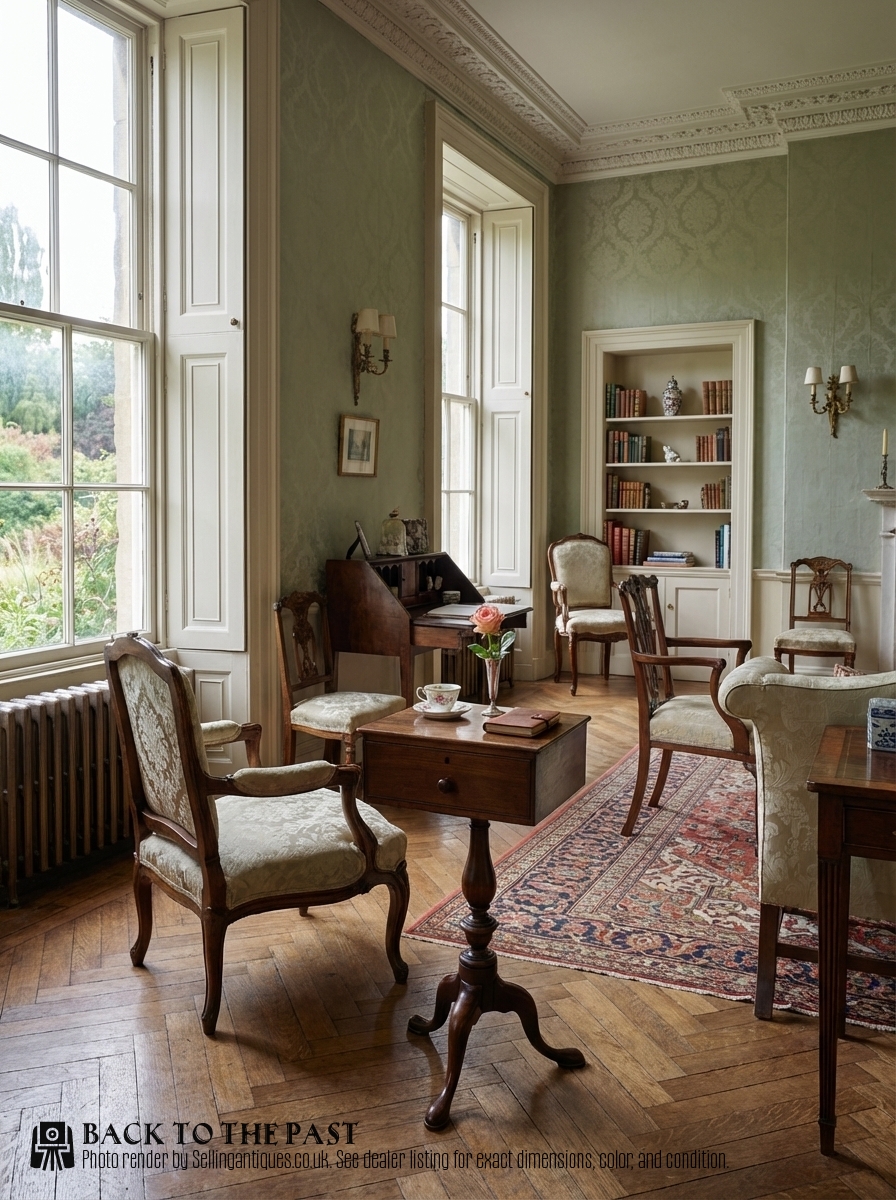
Antique Tripod Stand
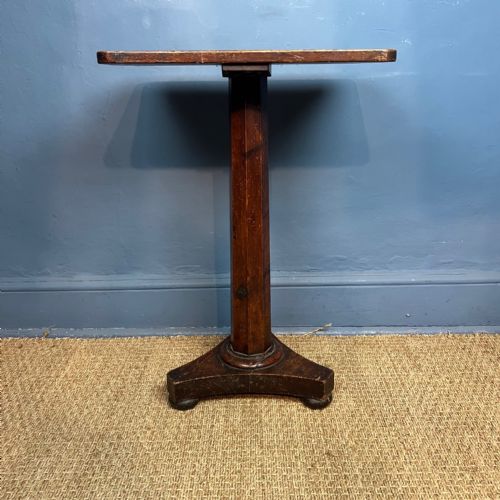
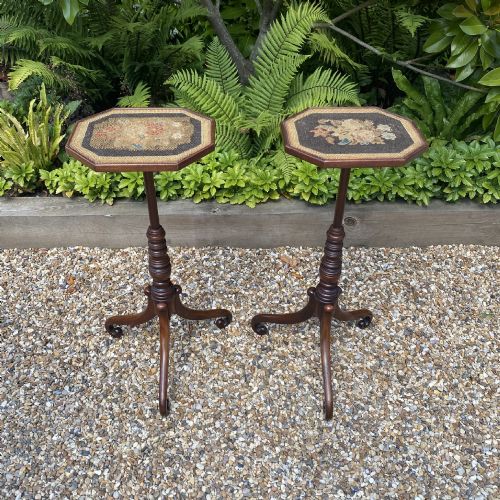
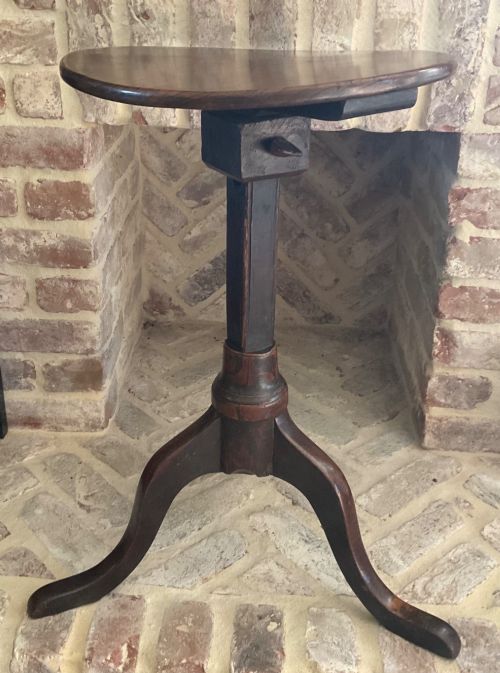
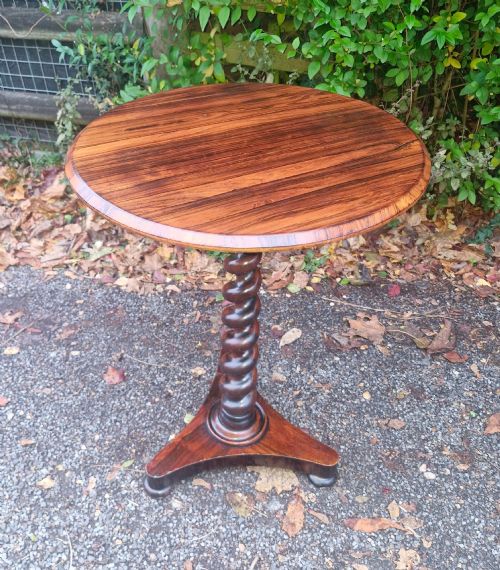
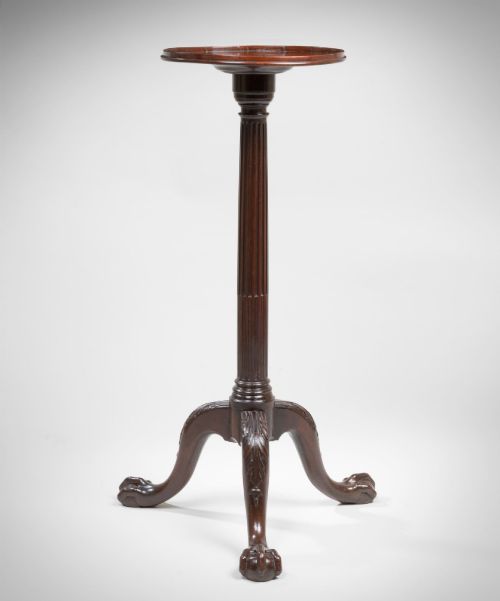
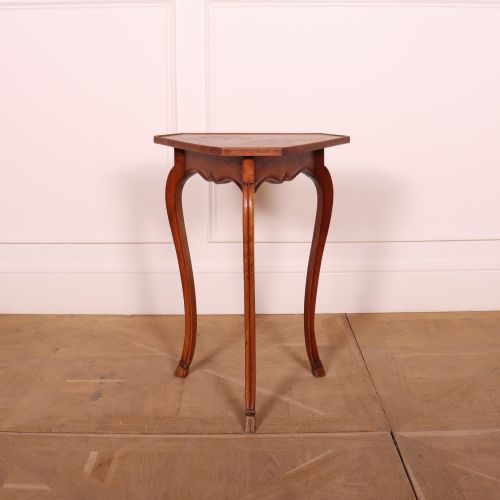
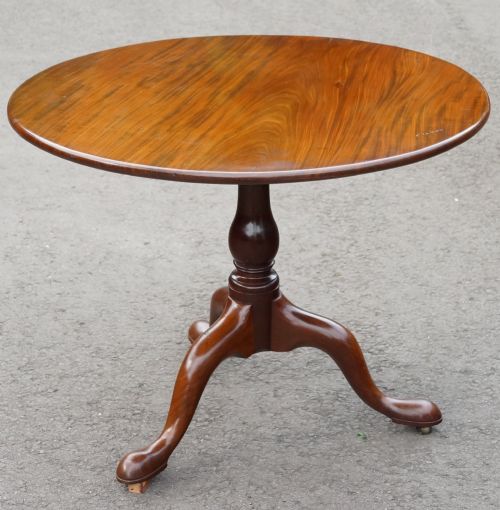
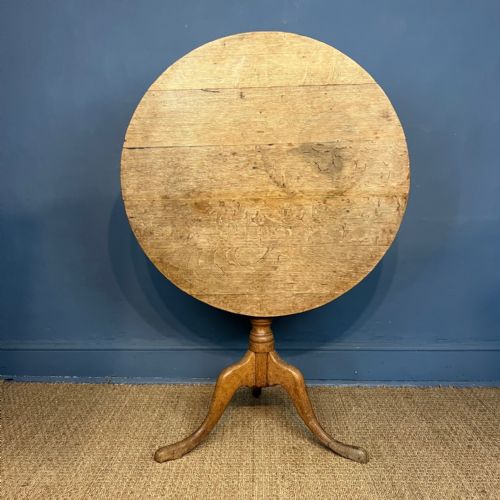
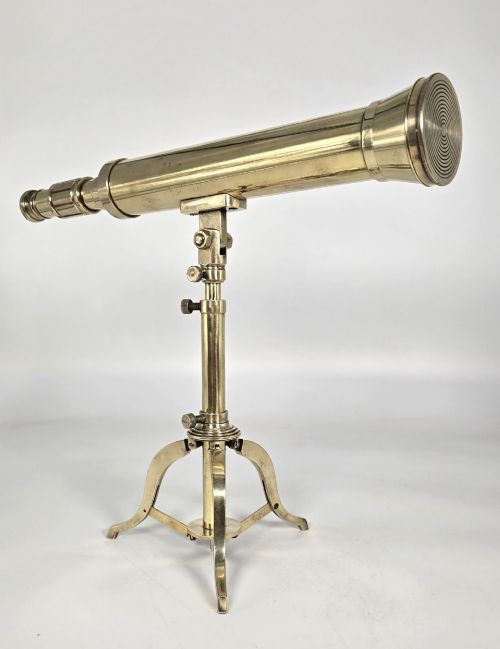
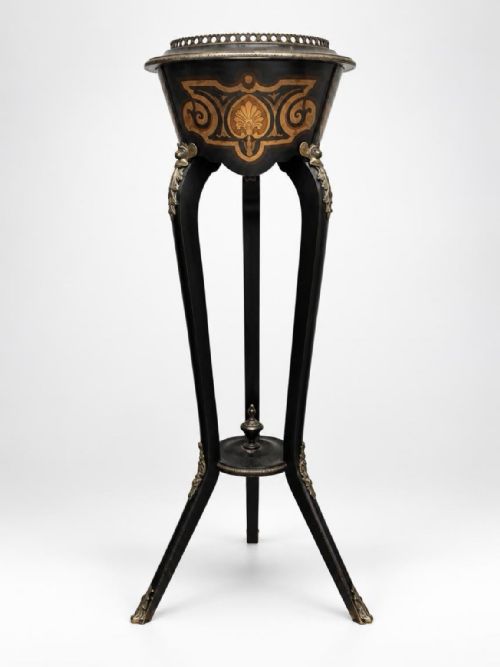
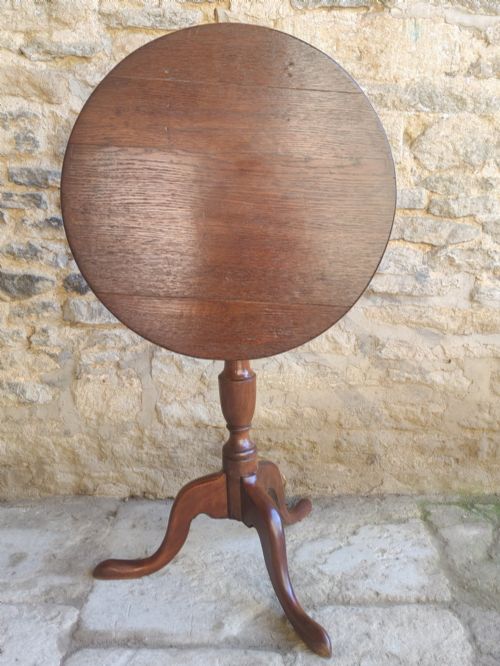
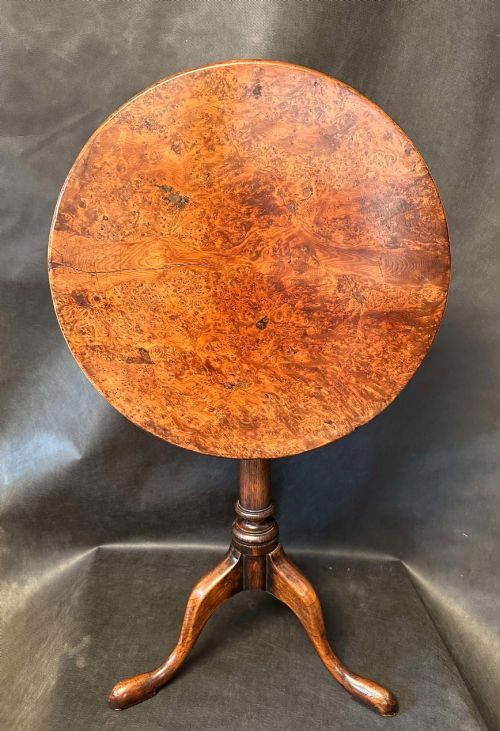
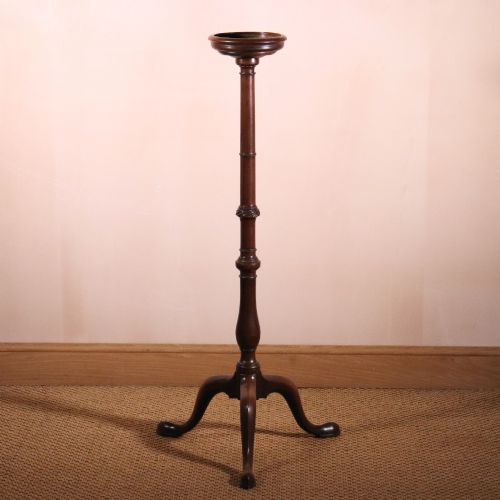
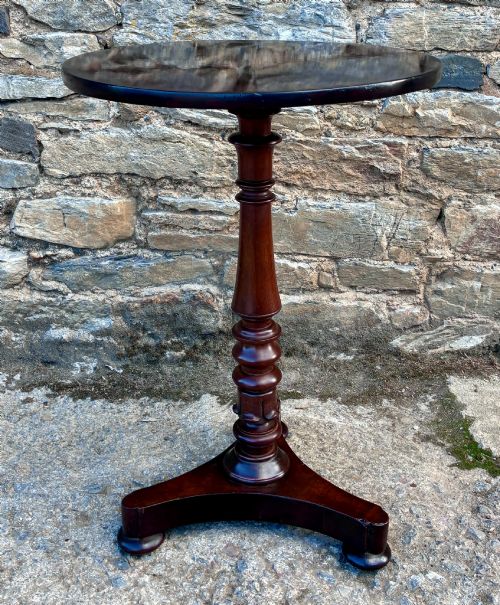
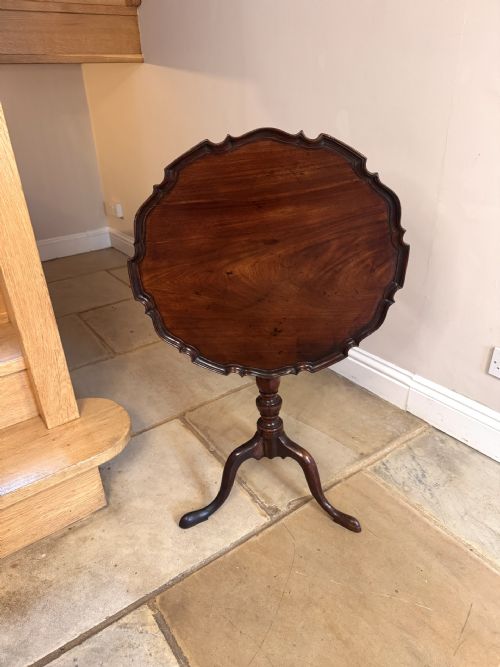
An antique tripod stand comprises a central pillar supported by three spreading legs, forming a stable structure designed for elevated display. The pieces on this page span the Georgian, George III, Victorian, and 18th and 19th centuries, reflecting centuries of practical household design.
Forms vary widely according to original function, including torcheres, candlestands, lamp tables, and adjustable music or reading stands. Mahogany appears frequently alongside brass and cast iron, showing both domestic refinement and heavier utility.
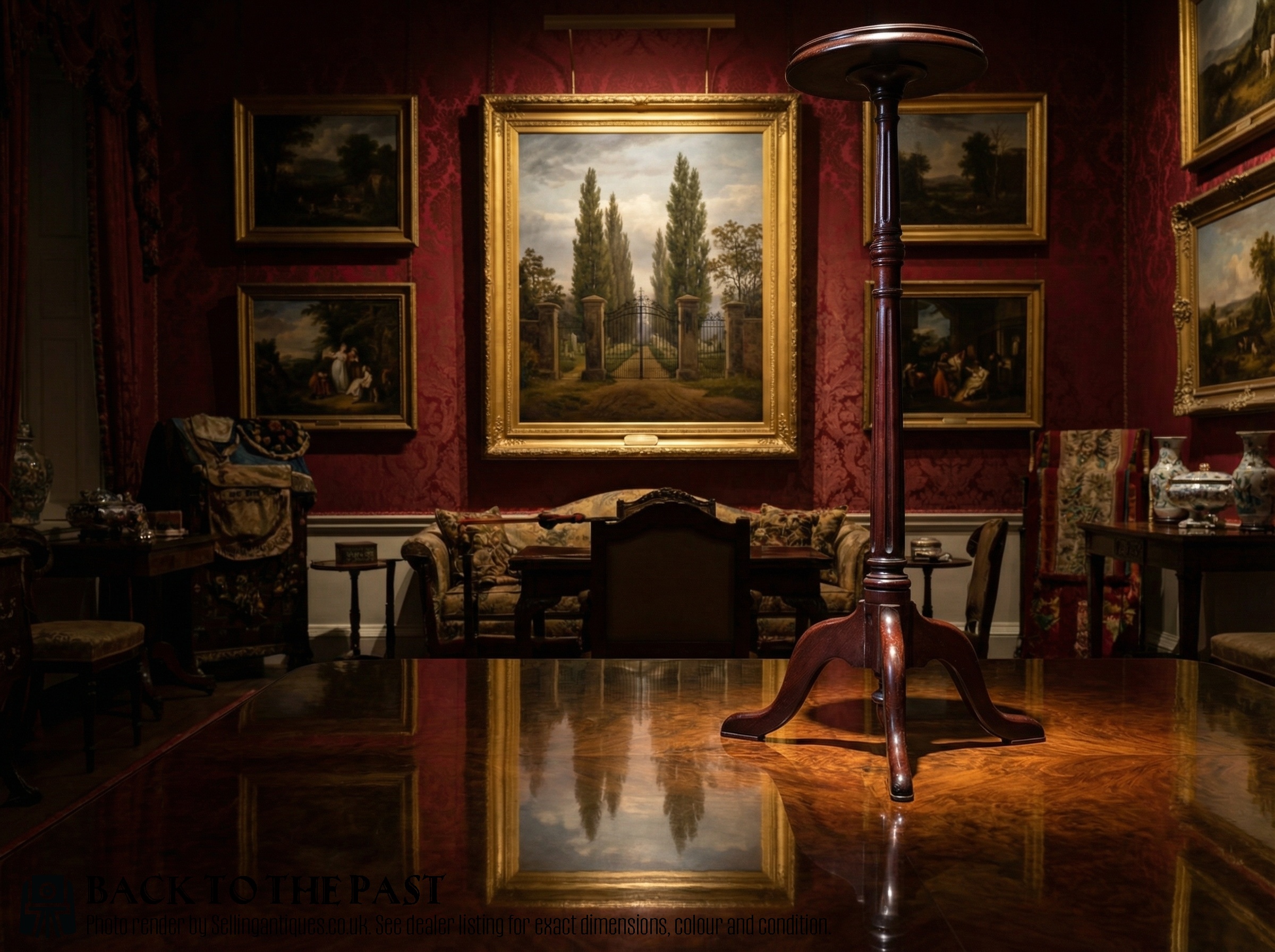
Materials and construction
Cabinetmakers constructed these stands predominantly from solid mahogany, utilising turned central columns and shaped or pad feet. Brass components supplied adjustable height mechanisms and decorative detailing.
Cast iron provided heavy stability for specialised utilitarian items such as trivets. Joinery typically involved precision turning and stable socket joints for the three-legged base.
Antique Tripod Stand Retail Price Guide 2026
Typical asking prices for tripod stand among the pieces listed under this phrase on Sellingantiques today, from the lower quarter to the upper quarter. They describe what is for sale here now, not the wider market.
Recorded forms range from tall torcheres and plant stands to adjustable music desks and coffee tables.
Distinctions in execution
Superior examples display crisp turning on the pillar and refined shaping on the cabriole or splayed legs, often terminating inpad or snake feet. The choice of timber grain, particularly figured mahogany, distinguishes higher grade domestic furnishings from simpler utilitarian stands.
The sophistication of the mechanical adjustment, where present, marks the standard of workmanship. Smooth operation in screw or ratchet mechanisms indicates careful initial manufacture.
Swann and Millican
The Antique Tripod Stand Glossary
- Torchere
- A tall, slender stand designed specifically to support a candle or lamp. These elevated pieces lift light sources to eye level in a room.
- Dish top
- A table top with a raised raised rim carved directly from the solid wood. This feature prevents items from sliding off the sloping or elevated surface.
- Pedestal
- The central vertical column supporting the upper surface and resting upon the three feet. It often incorporates sophisticated turning and shaping.
- Tripod base
- A three-legged support system providing stability on uneven floors. This configuration prevents rocking by ensuring all three points maintain contact with the ground.
Antique Tripod Stand: Frequently Asked Questions
What is an antique tripod stand used for?
These pieces serve as elevated platforms for holding lamps, plants, books, or decorative objects. Their compact footprint makes them particularly useful for filling neglected corners.
Historically, specific variants accommodated candles, musical scores, or pocket watches depending on the room they inhabited.
How do I date a tripod table?
Dating relies upon timber selection, turning profiles, and leg design. Earlier Georgian examples often feature slender pillars and distinct pad feet, while Victorian versions can be heavier or incorporate adjustable brass mechanisms.
Construction marks and the method of joining the top to the pedestal also provide clues to the era of manufacture.
What woods were used for tripod stands?
Mahogany is the predominant timber found in these listings, valued for its rich colour and density. Other examples utilise brass or cast iron for structural durability and specific utilitarian purposes.
Cabinetmakers selected these materials for their strength in slender vertical columns and load-bearing legs.