
Antique Timber Drawers
Antique timber drawers bring warmth and grounded utility to a room, offering practical storage fashioned from rich period woods.
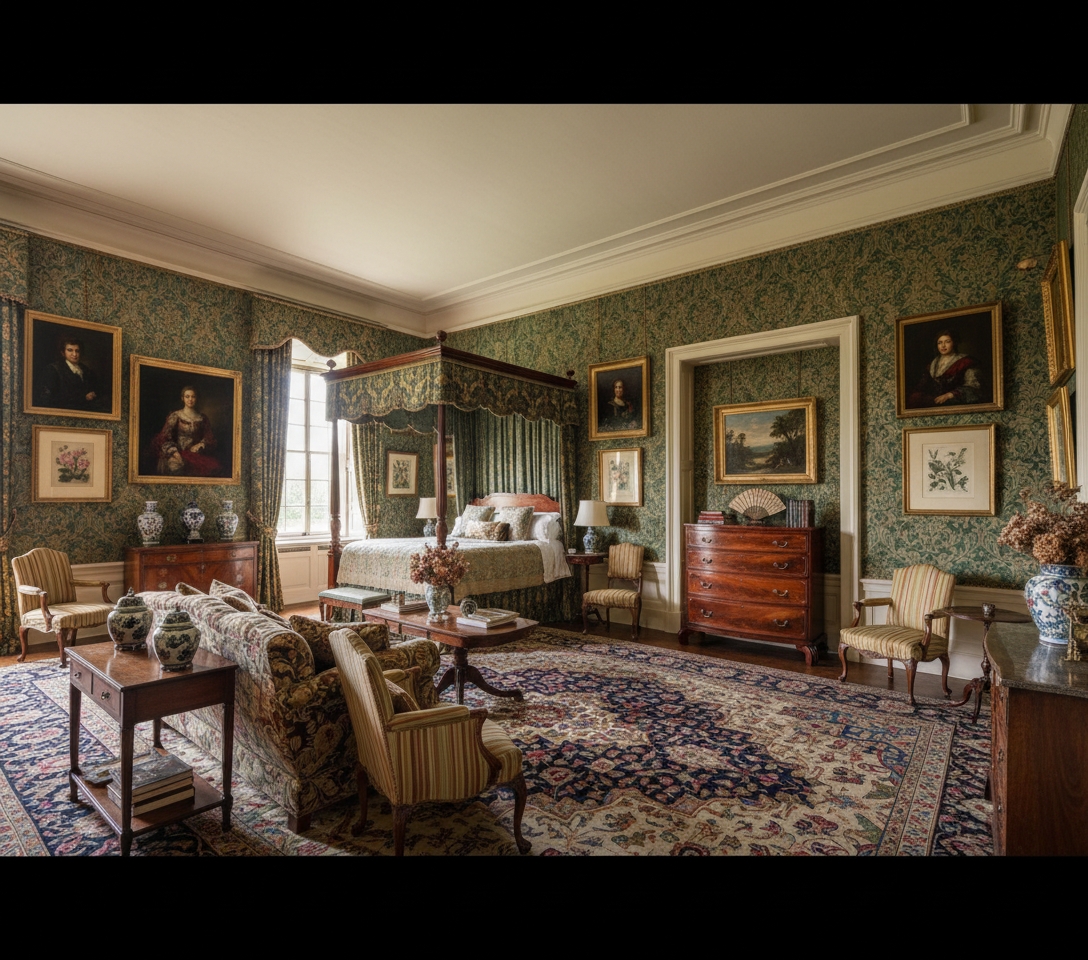
Antique Timber Drawers
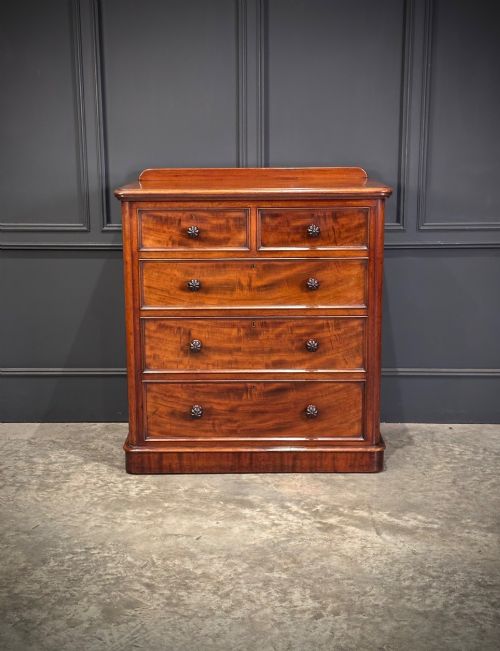
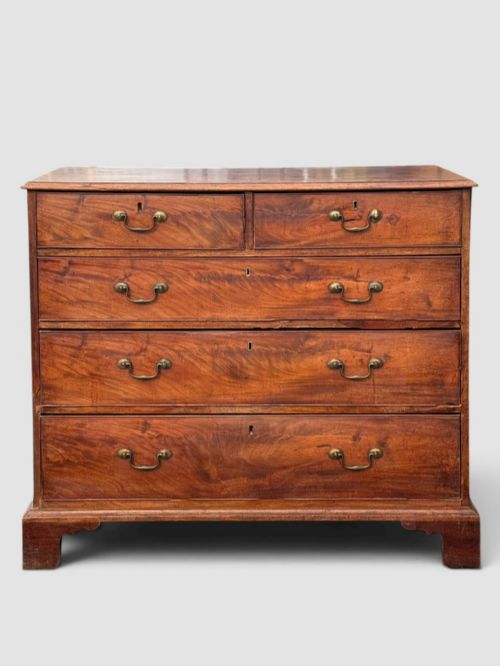
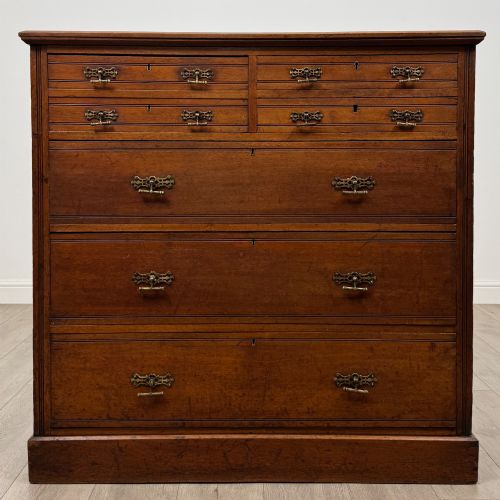
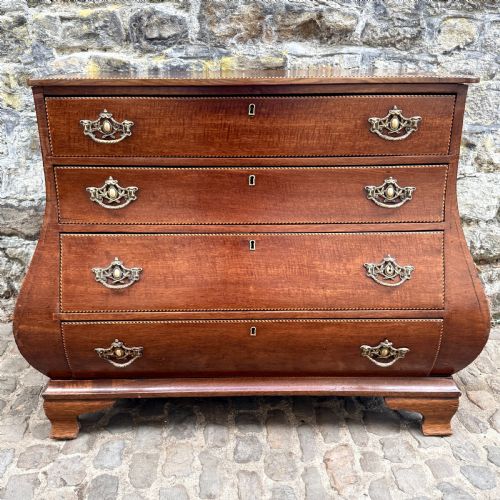
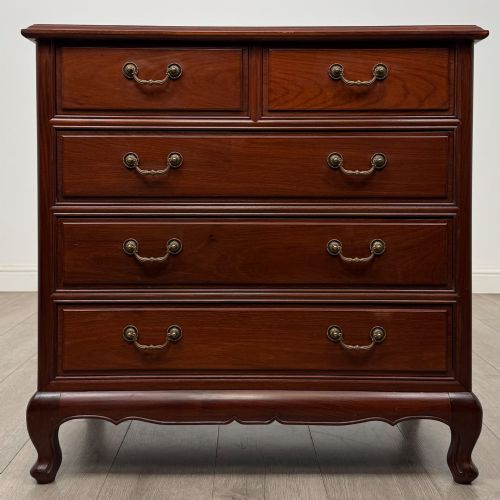
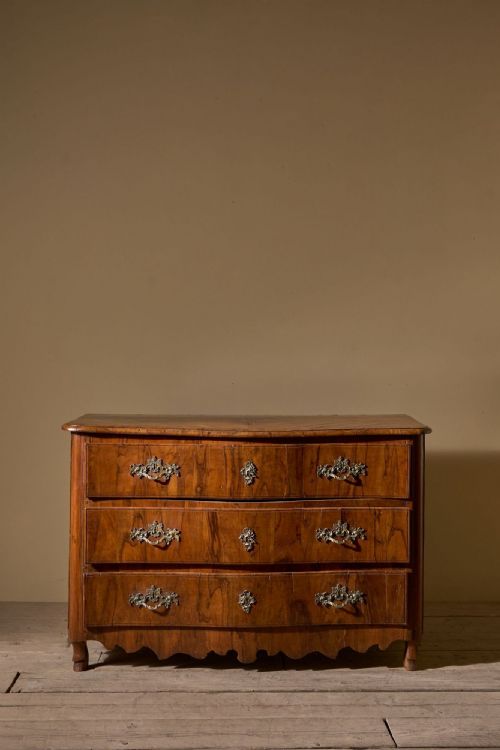
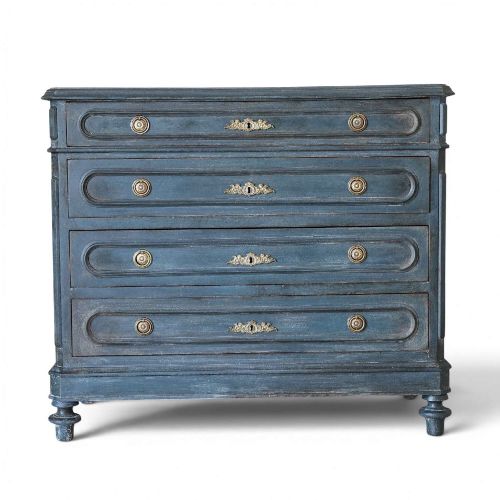
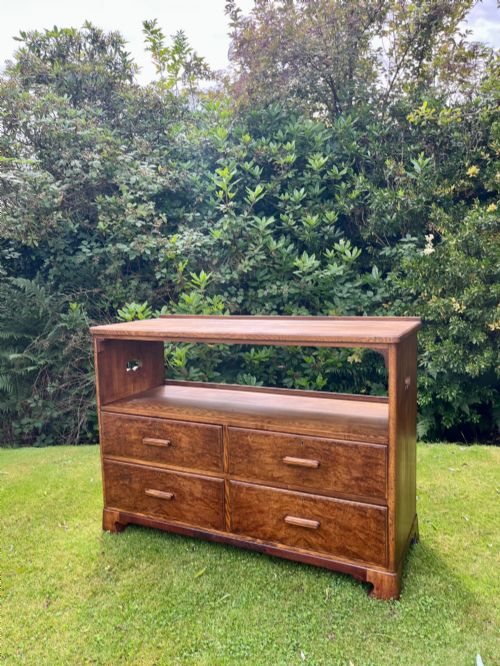
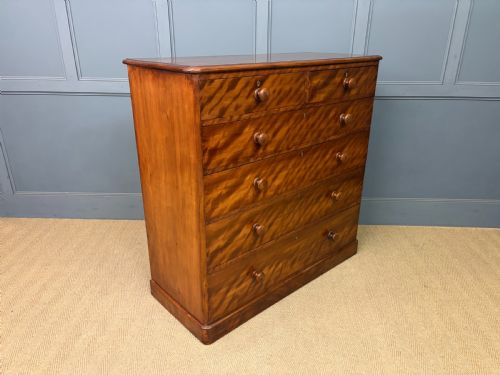
The most common form encountered on this page is the classic chest of drawers, often constructed in mahogany, oak, or pine. Victorian and Georgian examples dominate the selection, showing both formal proportions and simpler country craftsmanship.
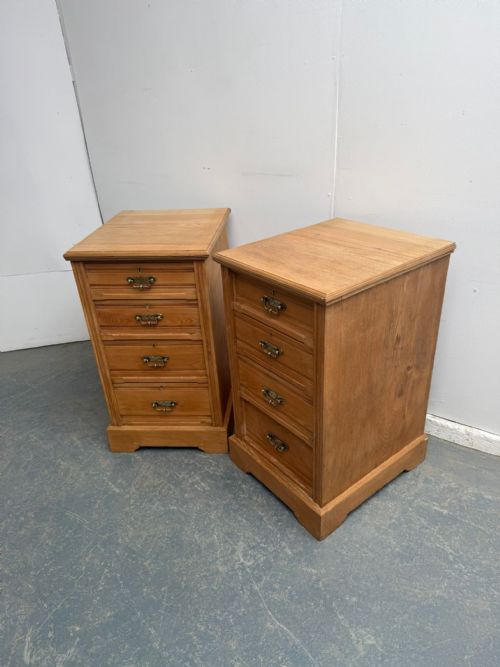
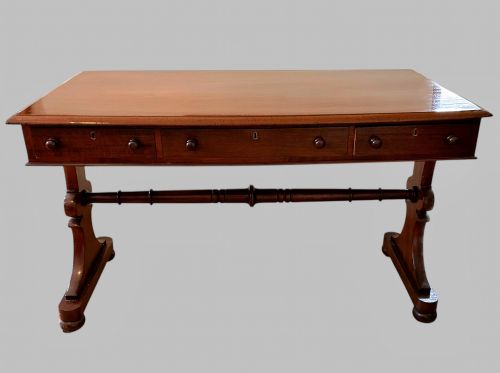
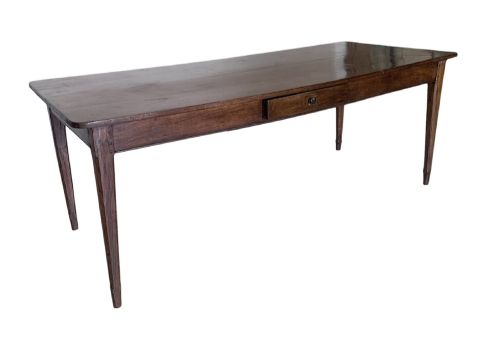
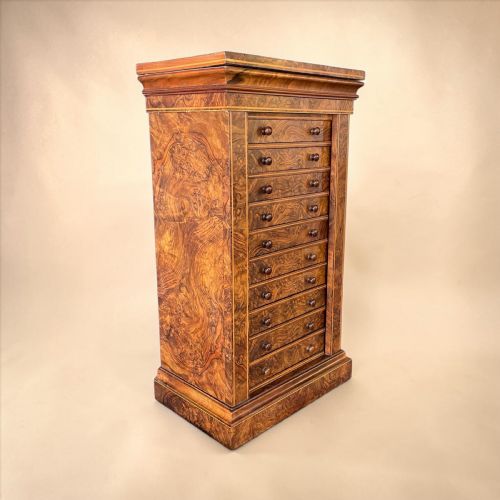
Beyond standard chests, the selection includes specialised forms such as writing tables, apothecary banks of drawers, and bedside cabinets. Regional variations incorporate woods like fruitwood, walnut, ash, and elm.
What varies in quality
The calibre of an antique timber drawer rests on the selection of timber and the fidelity of its construction. Pieces fashioned from finely figured walnut, mahogany, or burr elm exhibit a deliberate choice of grain that elevates the visual weight of the furniture.
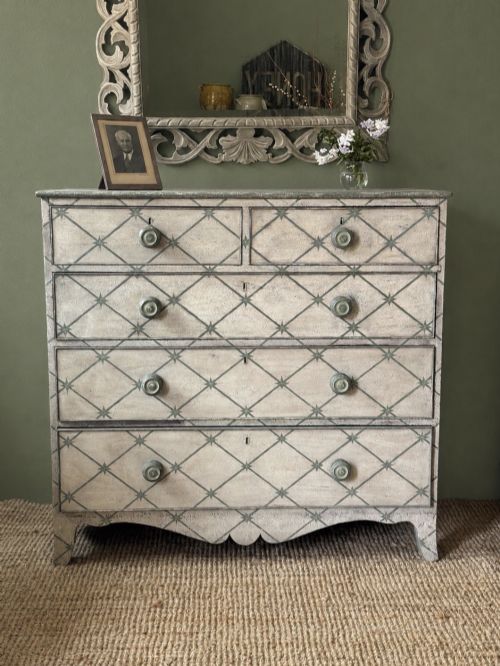
Construction details distinguish workshop standards, from the neatness of dovetail joints to the retention of original brass handles. The integration of painted surfaces or secondary woods reflects the original tier of manufacture, separating utilitarian farmhouse pieces from formal parlour furniture.
Listings feature items from the eighteenth, nineteenth, and twentieth centuries, incorporating woods like mahogany, oak, walnut, pine, and fruitwood.
Jas Shoolbred·Whytock and Reid·Heal and Son
The Antique Timber Drawers Glossary
- Chest of drawers
- A primary furniture form consisting of multiple stacked drawers used for clothing and textile storage. These pieces range from formal Georgian proportions to robust Victorian designs.
- Dovetail
- A traditional interlocking joint used in drawer construction to secure the sides to the front and back. Fine, tight joints indicate competent workshop practice.
- Secondary wood
- A lesser timber utilised for internal components such as drawer linings, carcase backs, and drawer bottoms. Common choices include pine or oak.
- Lowboy
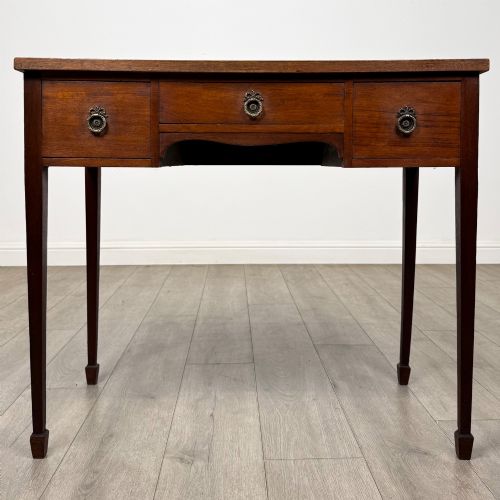
- A small eighteenth-century dressing table or side table featuring one or more rows of drawers beneath a flat top. They typically stand on slender cabriole or straight legs.
- Potboard dresser base
- A heavy base unit featuring drawers above an open lower shelf for storing kitchen utensils. These are typically constructed from oak or pine.
Antique Timber Drawers: Frequently Asked Questions
How do I date an antique chest of drawers?
Dating relies on observing timber choices, handle styles, and construction techniques like dovetailing. Earlier pieces often display hand-cut joints and native timbers such as oak or walnut before mahogany gained widespread favour.
Secondary woods inside the carcase provide further clues regarding the period of manufacture. Regional variations and specific decorative styles help narrow down the decade.
What is the difference between Georgian and Victorian drawers?
Georgian chests tend to showcase restrained classical proportions, often utilising rich mahogany with subtle bracket feet or modest apron details. Drawer configurations frequently include two small drawers over three larger ones.
Victorian pieces often display heavier proportions, bolder grain patterns in satinwood or mahogany, and sometimes elaborate turned feet. The industrial manufacturing methods of the nineteenth century also introduced standardised hardware.
Where should I place a timber chest of drawers?
These pieces suit bedrooms, hallways, and living spaces where surface area and enclosed storage are both valued. A chest of drawers functions well against a blank wall, topped with a mirror or lighting.
Smaller side tables with drawers fit neatly beside seating or in narrow entryways. Maintaining stable humidity levels protects the antique wood from warping.
Are painted antique drawers original?
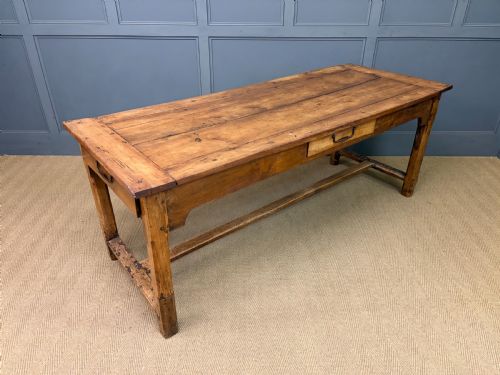
Some pieces were painted during their original period of use, particularly in country houses or provincial settings where pine and fruitwood received decorative finishes. Later layers of paint are also common on utilitarian prep tables and farmhouse furniture.
Examining the underlying timber and wear patterns helps determine the age of the paint surface. Both original painted finishes and later applications form part of a piece's history.