

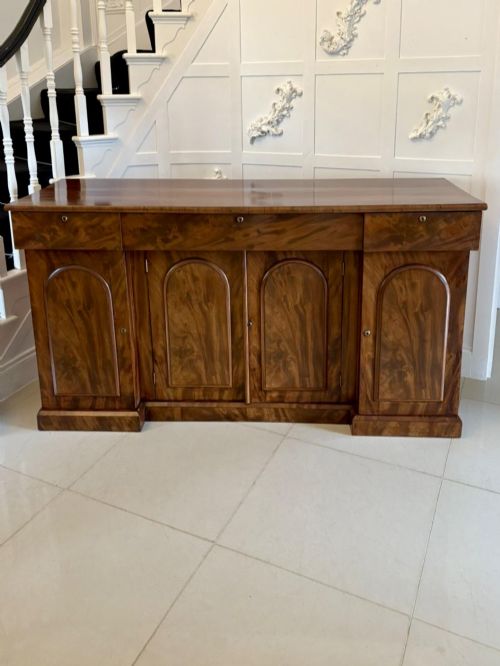
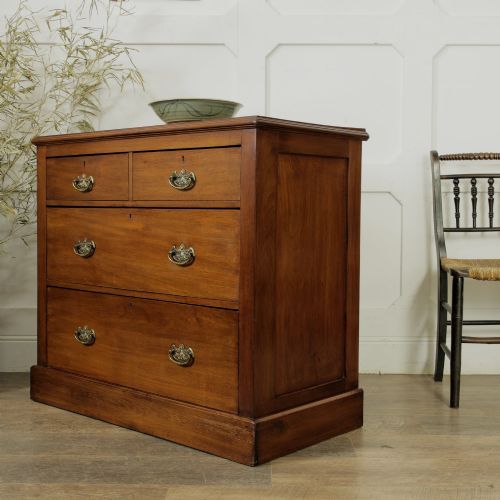
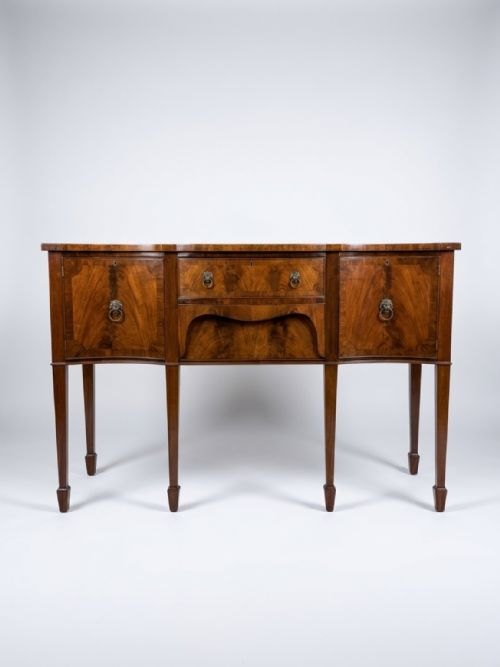
Mahogany Dresser Cabinet
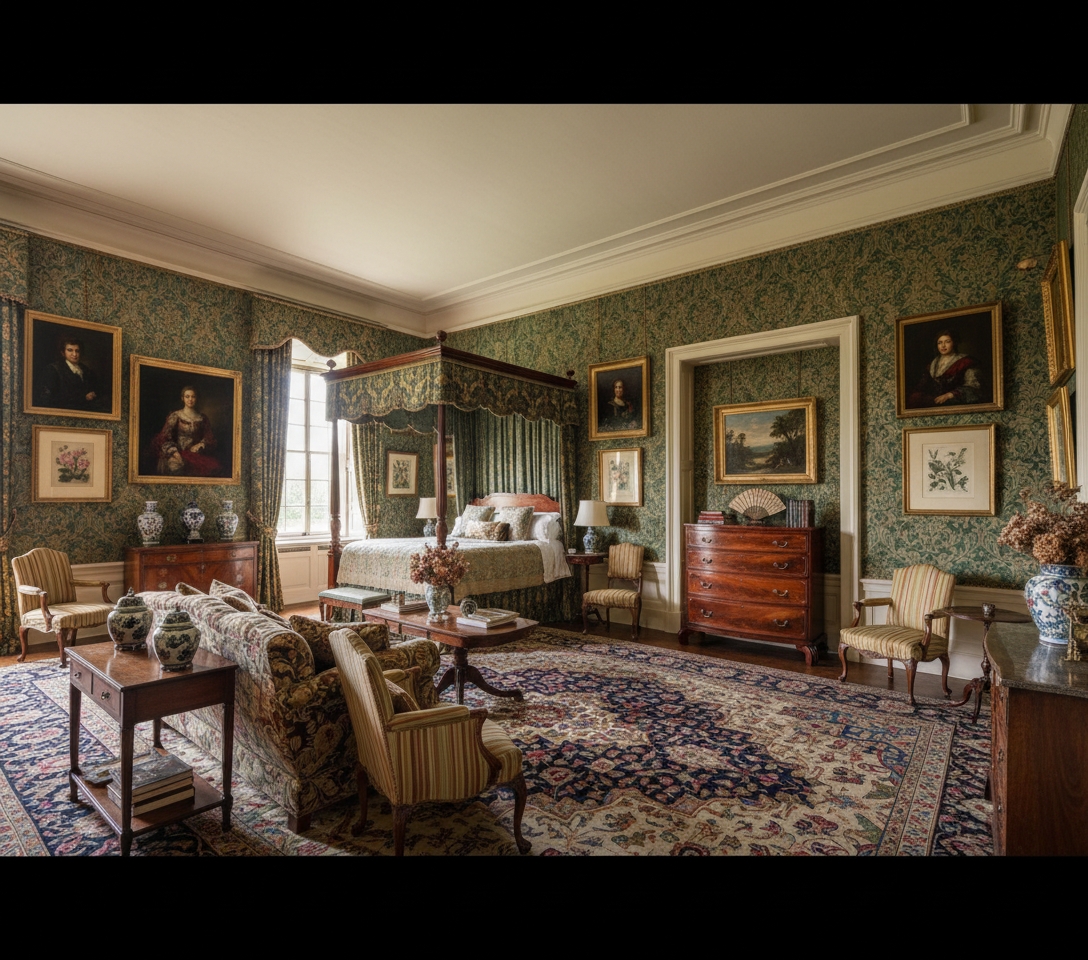
Mahogany dresser cabinet pieces are substantial storage furniture spanning Georgian to Edwardian eras, offering solid timber construction and practical compartments.
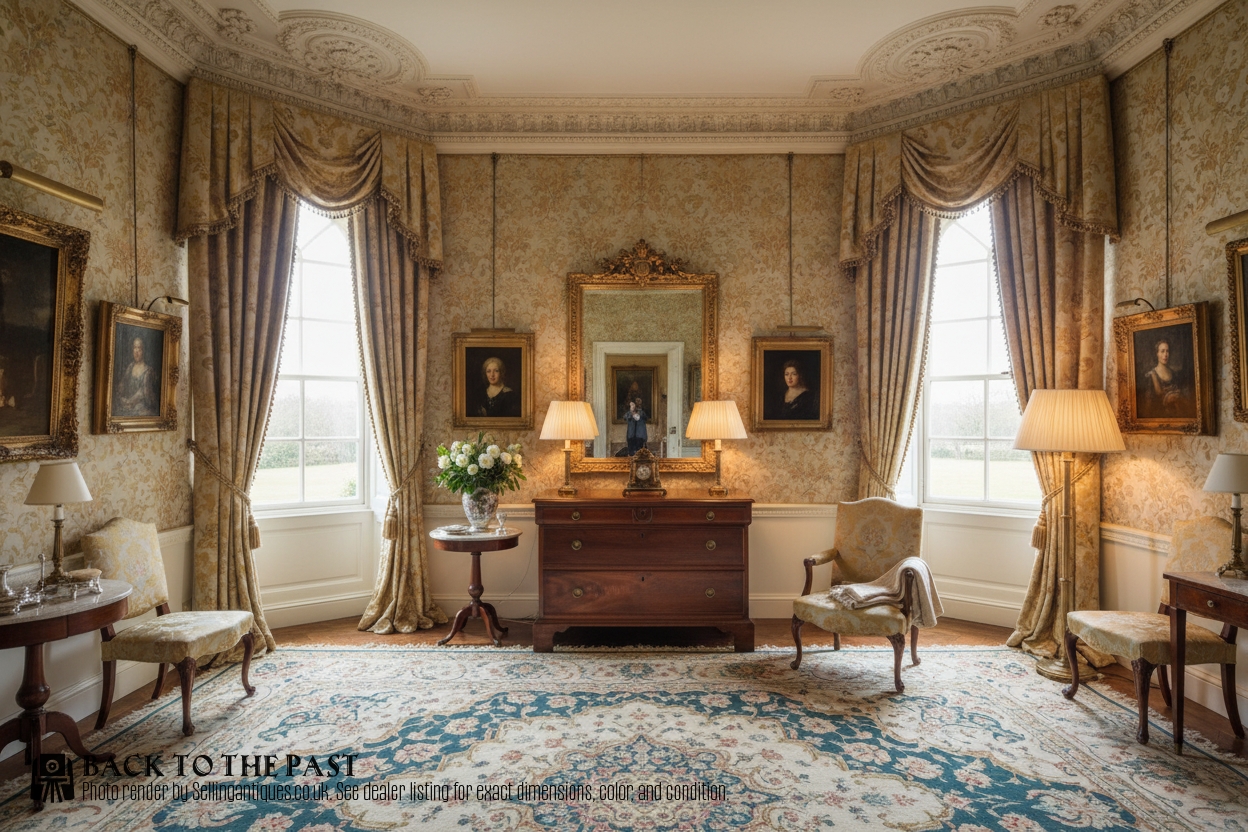
Mahogany Dresser Cabinet
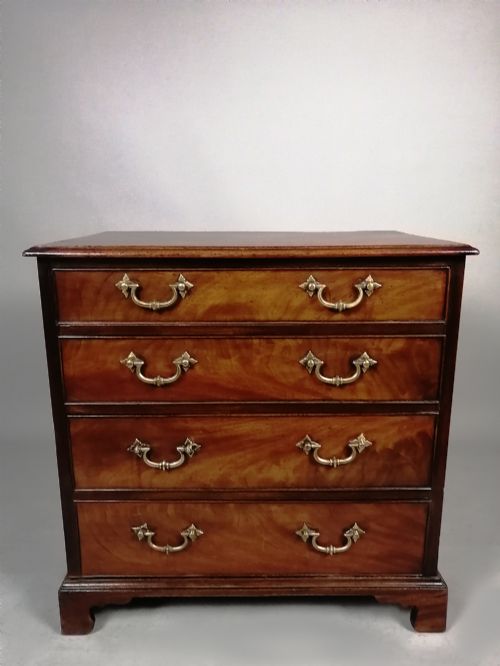
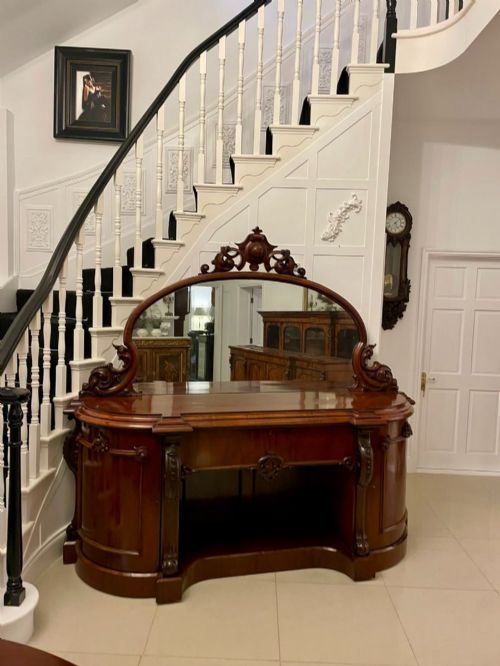
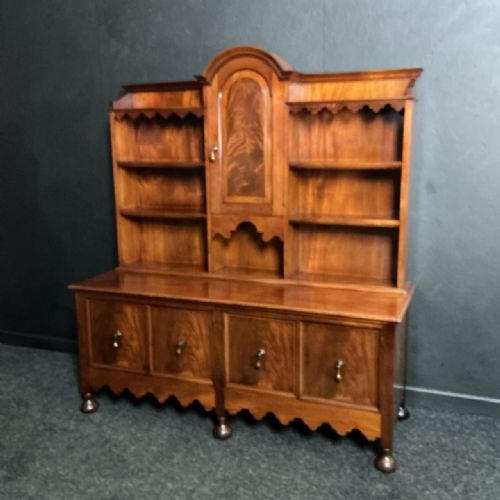
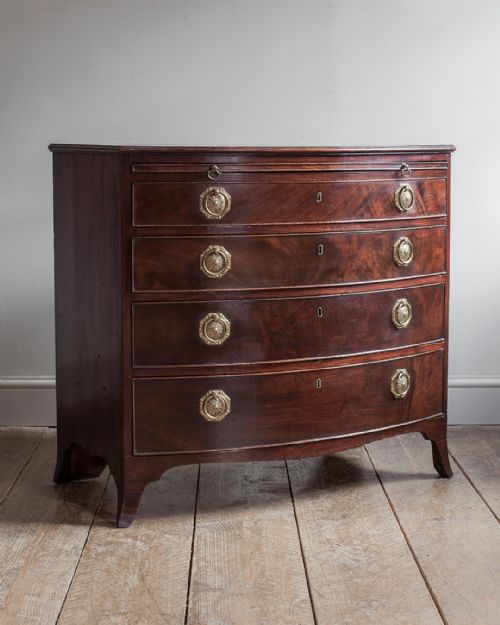
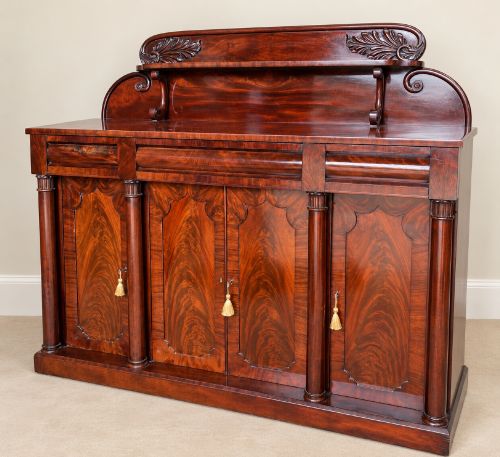
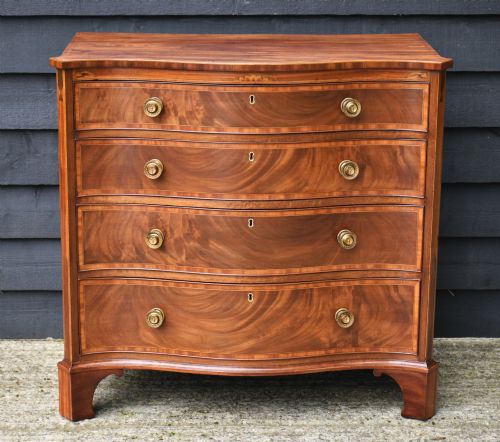
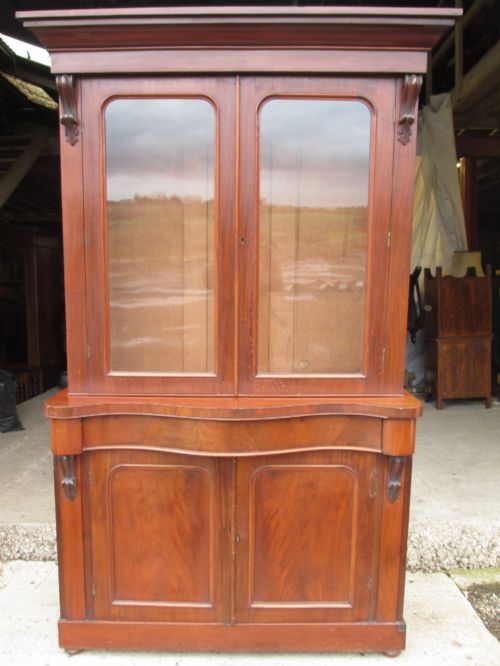
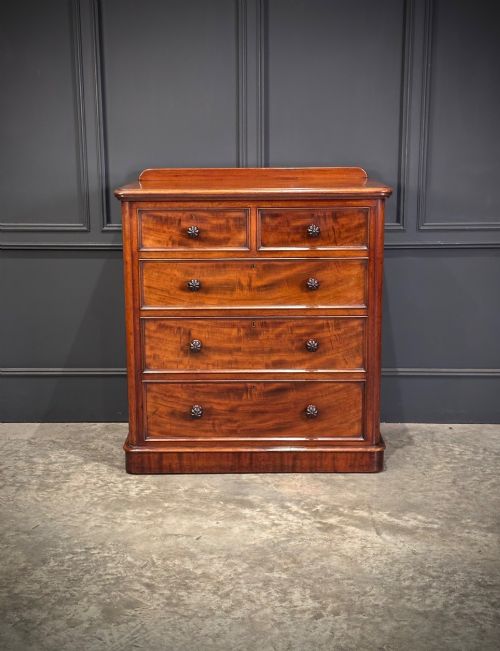
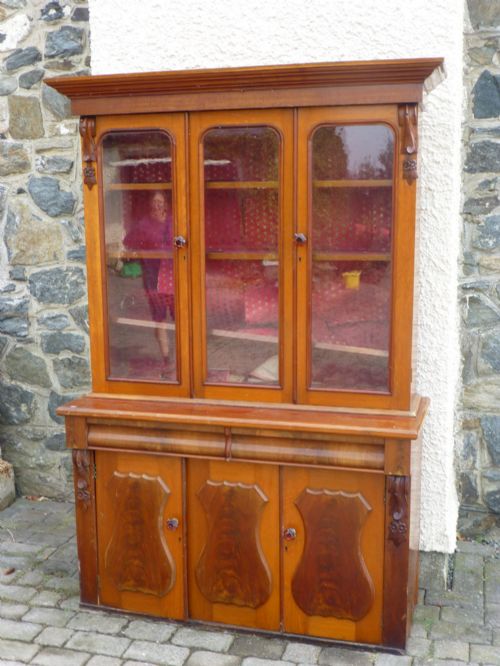
A mahogany dresser cabinet combines functional storage with rich wood grains, appearing across Georgian, Victorian, and Edwardian periods. Pieces range from formal sideboards and bow front chests to kitchen dressers and glazed bookcase cabinets.
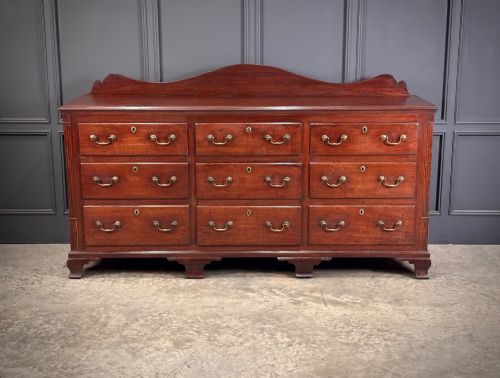
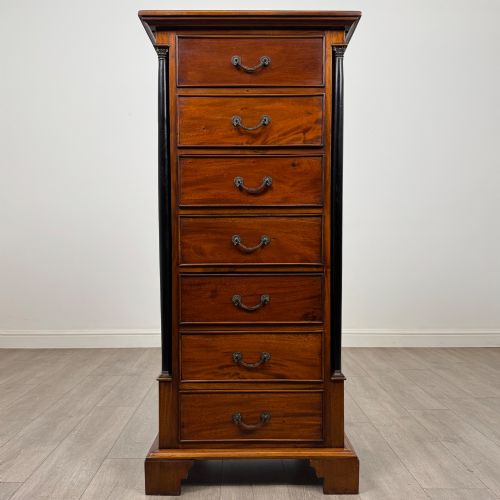
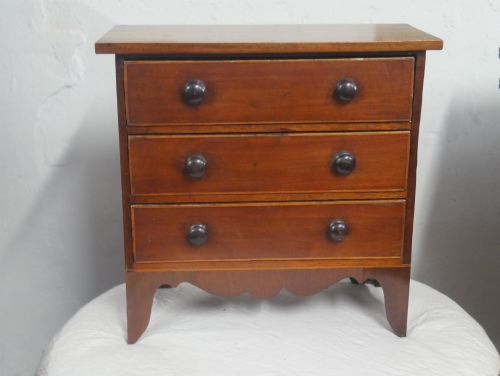
The selection includes chests of drawers, banks of drawers, and servers alongside taller display units. Regional variations such as Welsh kitchen cupboards and Scottish apprentice chests also appear.
Buyers frequently encounter Victorian and Edwardian examples alongside earlier 18th century Georgian and Regency pieces. These items served dining rooms, libraries, and estate offices as primary storage solutions.
How they were made
Makers utilised solid mahogany and flame mahogany veneer laid over secondary timbers like oak and pine. Brass hardware, glass panels, and satinwood inlay provide functional and decorative contrast.
Construction techniques include dovetailed drawer construction and curved serpentine fronts shaped from dense timbers. Glazed upper sections utilise wooden framing to house display glass securely.
Listings span from the 18th century through the Edwardian period, incorporating oak, pine, and satinwood alongside primary mahogany.
What varies in quality
Quality separates through the selection of timber figures, such as flame mahogany veneer matching across drawer fronts, and the crispness of carved details. Superior examples exhibit balanced proportions and refined proportions in serpentine or bow front designs.
The integrity of secondary woods, original brass fittings, and the smoothness of drawer operation distinguish finer workshop production from standard utility items.
The Mahogany Dresser Cabinet Glossary
- Mahogany
- A durable tropical hardwood known for its deep reddish-brown colour and stability. It accepts fine carving and polished finishes exceptionally well.
- Serpentine
- A front profile characterised by a convex centre flanked by concave curves. This undulating shape requires high skill to construct from solid timber.
- Bow front
- A convex curved cabinet or chest front that swells outward. It became popular during the Georgian and Regency periods.
- Secretaire
- A cabinet or chest incorporating a fitted writing drawer with a drop-front desk surface. These compartments often house small pigeonholes and hidden drawers.
- Glazed
- Fitted with glass panes, typically in upper cabinet doors. This allows the display of books or tableware while protecting the contents from dust.
Mahogany Dresser Cabinet: Frequently Asked Questions
How do I date a mahogany cabinet?
Dating relies on architectural styles, handle types, and construction methods. Georgian pieces often display finer dovetailing and bracket feet, while Victorian examples lean toward heavier proportions and carved mirror backs.
Secondary timbers inside drawers also help determine the period. Oak and pine usage shifted as industrial methods advanced through the nineteenth century.
Where were these cabinets used?
These pieces served multiple domestic spaces including dining rooms, libraries, and kitchens. Sideboards and servers held dining silver and linens, while dressers and bookcases stored tableware and books.
Larger estate office cabinets and housekeepers cupboards managed domestic administration and food provisions. Their robust construction suited heavy daily use in busy households.
What is flame mahogany?
Flame mahogany is a veneer cut from the fork of the tree where branches join the trunk. This creates a distinctive feather-like pattern with intense chatoyancy.
Cabinet makers applied these decorative veneers to prominent surfaces like drawer fronts and door panels. Book-matching mirrored these flame patterns across central axes.
How do I care for mahogany furniture?
Maintain mahogany furniture by keeping it away from direct sunlight and heat sources to prevent timber splitting. Regular dusting with a soft cloth preserves the polished finish.
Avoid silicone-based polishes which build up over time. Traditional wax feeds the wood and maintains a natural lustre.