





Antique Four Graduated Drawers
Antique four graduated drawers chest pieces bring timeless proportion and deep timber grain to a room, offering practical storage with Georgian pedigree.
Antique Four Graduated Drawers
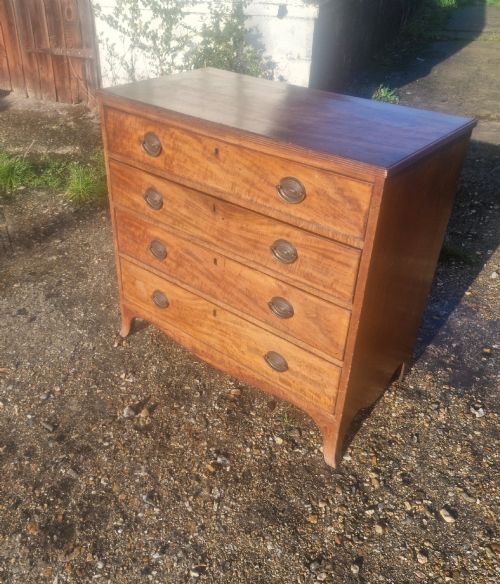
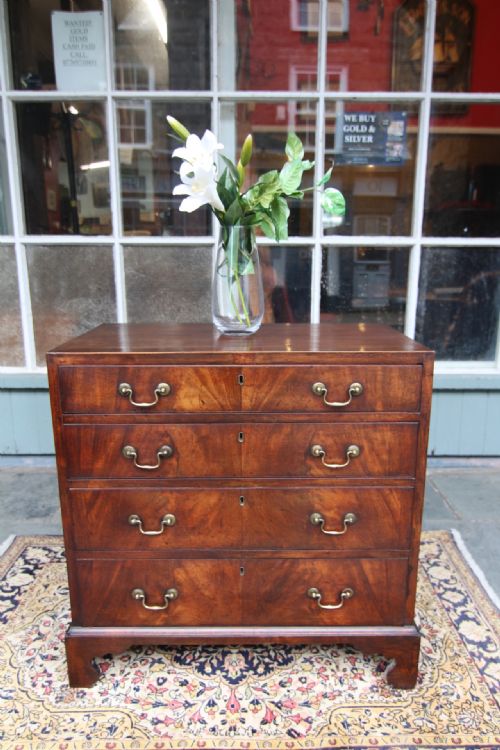
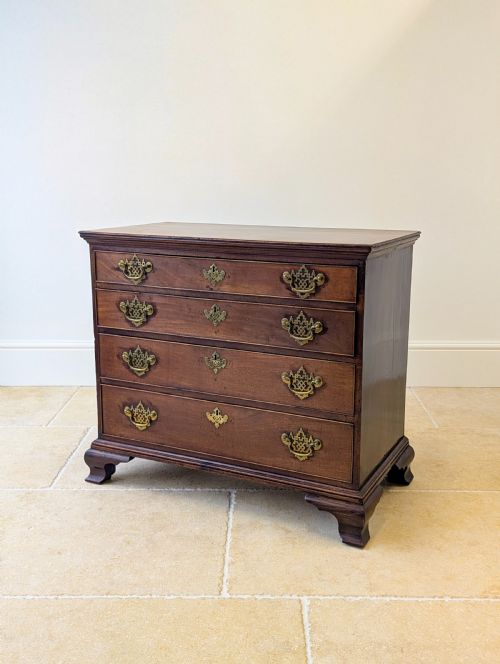
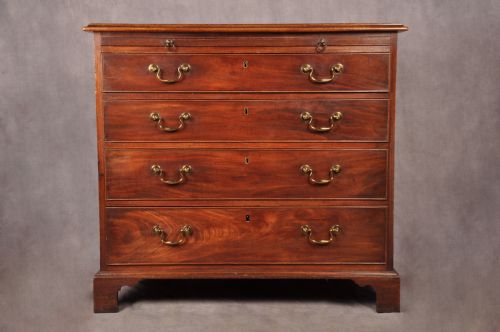
When searching for antique four graduated drawers, a buyer encounters classic chests of drawers originating from the eighteenth and nineteenth centuries. These pieces present four horizontal tiers of drawers that decrease in depth from bottom to top, creating a balanced visual taper.
The versions most commonly met on this page belong to the Georgian and late Georgian eras, alongside occasional Victorian and Edwardian examples. They take the form of chests of drawers and dressing chests, built to house clothing or valuables in domestic chambers.
Makers shaped these utilitarian items using domestic and imported timbers, keeping the lines functional yet refined. The distinctive graduation of the drawer depths remains the defining characteristic across all listed variants.
How they were made
Cabinet makers constructed these carcases primarily using solid and veneered mahogany, yew wood, and polished walnut. These timbers were selected for their rich grain patterns and structural stability over decades of daily use.
Drawers incorporate solid timber linings and feature brass pull handles or backplates to operate each tier smoothly within the frame. Carpenters joined the timber using traditional methods suited to the Georgian and later periods.
Antique Four Graduated Drawers Retail Price Guide 2026
Typical asking prices for four graduated drawers among the pieces listed under this phrase on Sellingantiques today, from the lower quarter to the upper quarter. They describe what is for sale here now, not the wider market.
A shop chest from 1880 proves that even merchants needed four graduated drawers to keep their counters orderly.
What varies in quality
The refinement of the timber selection separates standard pieces from the finest examples. Figured mahogany and carefully matched yew wood demonstrate superior material choice by the original maker.
Proportion and scale also dictate worth, particularly in smaller dimensions intended for intimate chambers. The crispness of the drawer graduation and the integrity of the brass hardware complete the hierarchy of quality.
The Antique Four Graduated Drawers Glossary
- Graduated drawers
- A series of drawers arranged vertically where each lower drawer is deeper than the one above it. This creates a pleasing visual harmony and a stable centre of gravity for the piece.
- Georgian
- A stylistic period spanning the reigns of the first four Georges, renowned for architectural proportion and quality cabinet work. Pieces from this era often feature understated elegance and fine timber.
- Chippendale
- A style associated with the mid-eighteenth century designer Thomas Chippendale, characterised by classical motifs and masterly joinery. It represents a pinnacle of British furniture design.
- Slide
- A pull-out shelf integrated into the furniture facade, positioned above the drawers to serve as a writing surface or dressing tray. It slides flush into the carcase when not in use.
Antique Four Graduated Drawers: Frequently Asked Questions
How were these chests used historically?
Households utilised these chests in bedrooms and dressing rooms to organise clothing, linens, and accessories. The graduated format allowed larger garments to sit securely in the deeper lower drawers while smaller items occupied the upper tiers.
Some variants included a pull-out slide for temporary writing or dressing tasks. This made the furniture a versatile hub for daily domestic routines before fitted wardrobes became common.
How do I live with an antique chest?
Living with these chests involves placing them in bedrooms, hallways, or living spaces where their timber tones can complement the room. Their flat tops also serve as display surfaces for mirrors, lamps, or decorative objects.
Maintenance requires keeping the timber polished with traditional wax and protecting the surface from excessive moisture or direct heat. Regular gentle use keeps the wooden drawer runners functioning smoothly.
How do I tell periods apart?
Distinguishing periods relies on observing timber choices, hardware styles, and overall proportions. Georgian examples often display rich mahogany with subtle mouldings, while later Victorian or shop pieces introduce walnut and heavier construction.
Examining the drawer construction and internal linings reveals the manufacturing techniques of the era. Earlier pieces tend to show hand-cut joinery details that shift in character by the end of the nineteenth century.