
Late Georgian Furniture
Late georgian furniture brings together practical mahogany chests, card tables, and seating made during a period of refined domestic design.
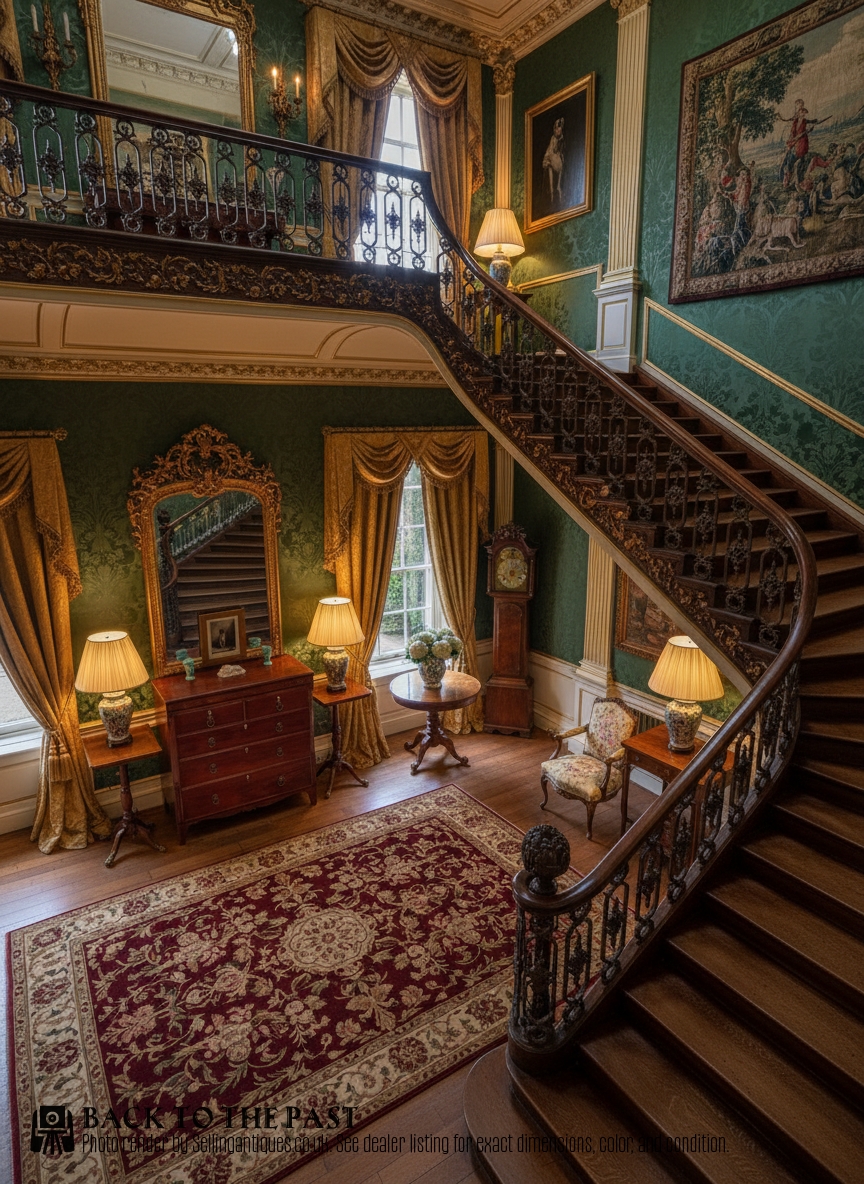
Late Georgian Furniture
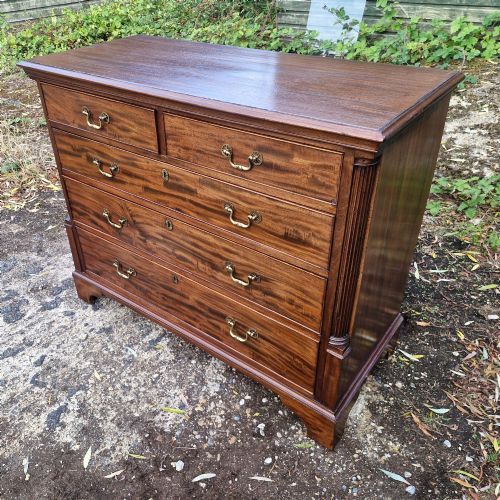
Late georgian furniture encompasses utilitarian and formal domestic pieces produced around the turn of the nineteenth century. These forms include chests of drawers, card tables, desks, and dining seating that served everyday household needs.
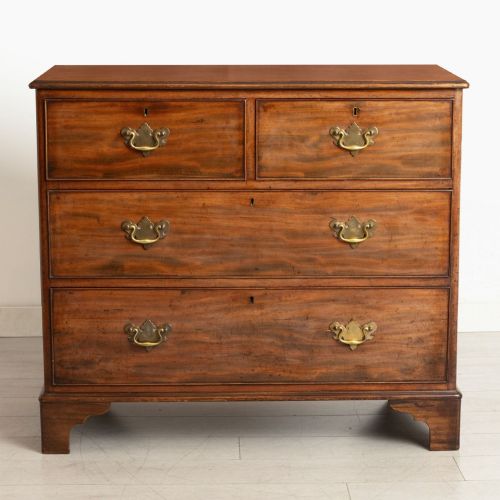
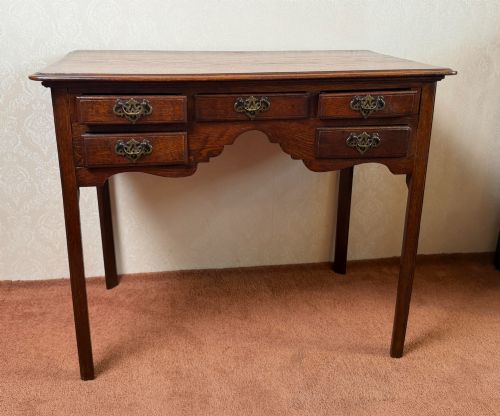
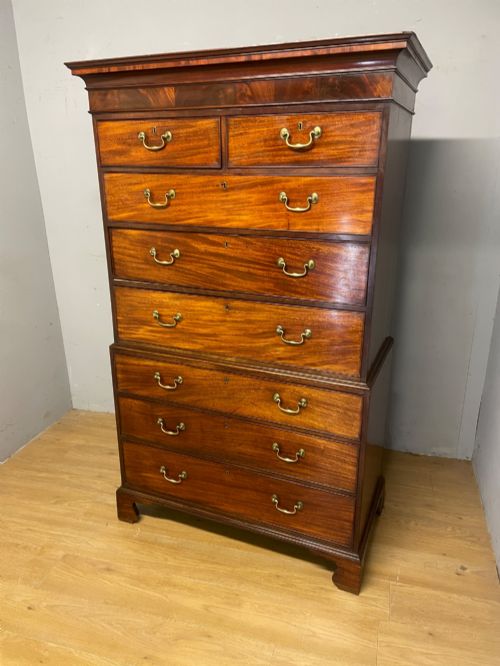
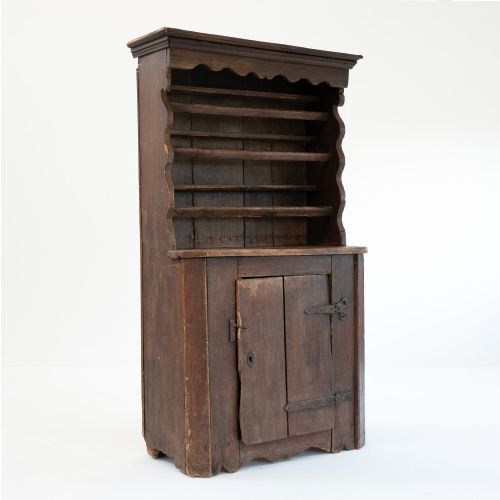
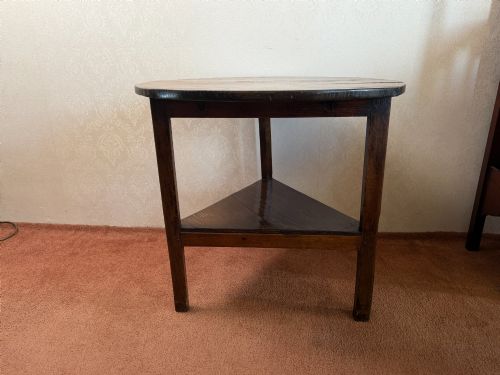
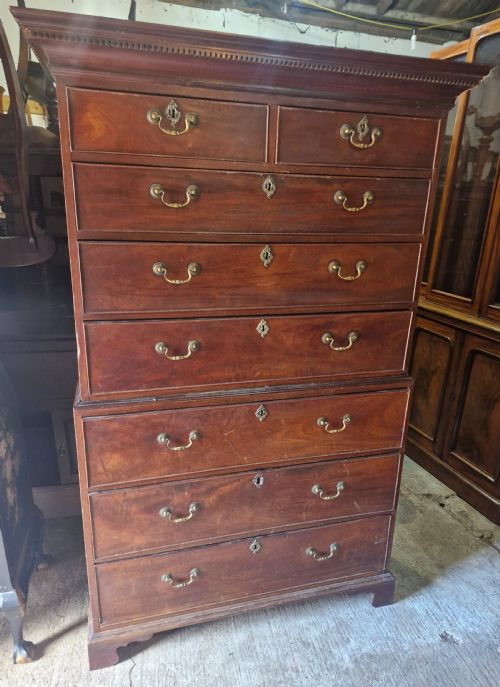
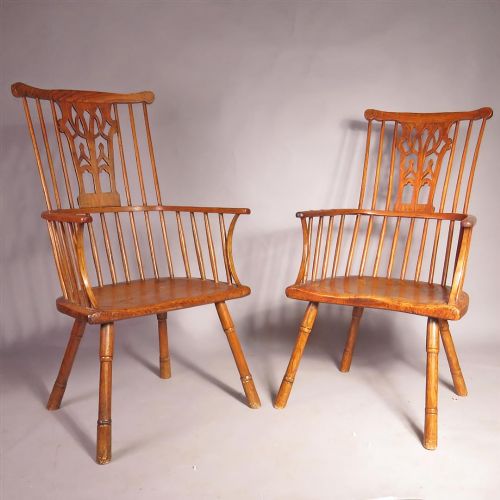
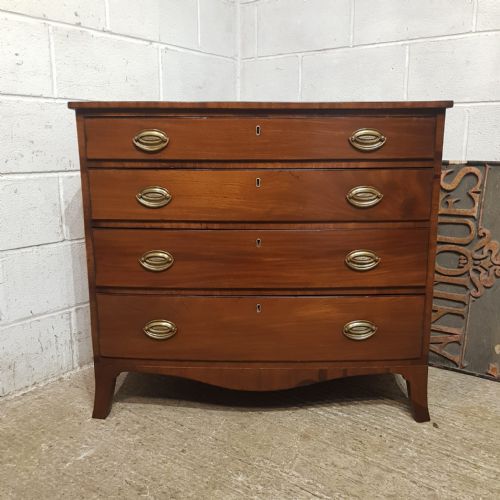
Mahogany remains the principal timber encountered in these selections, frequently shaped into bow fronts or tallboy forms. Regional varieties in oak and elm also appear, reflecting provincial British workshop traditions.
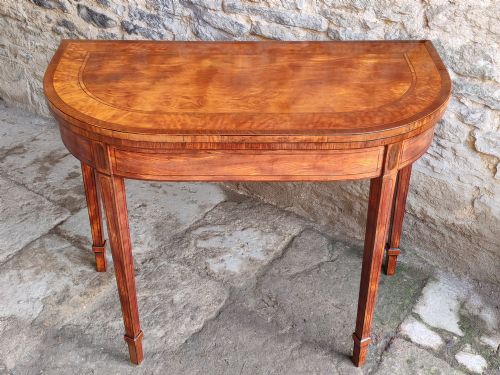
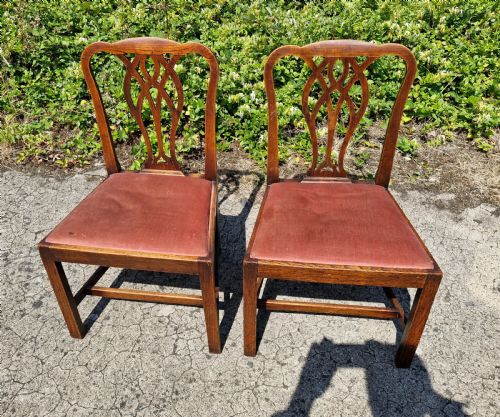
Makers of this era adopted neoclassical lines alongside robust country builds. Buyers encounter everything from formal satinwood card tables to sturdy Windsor armchairs.
Materials and Construction
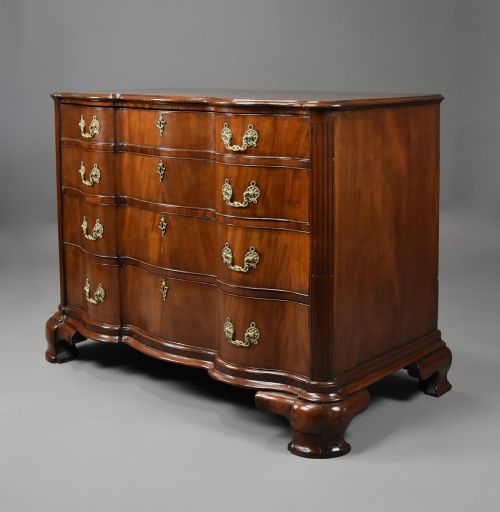
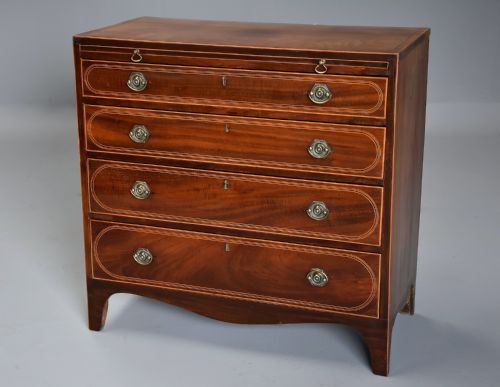
Cabinetmakers relied heavily on solid mahogany and oak, often enhanced with satinwood or boxwood stringing and inlay. Brass handles and escutcheons provided functional contrast to polished timber surfaces.
Drawer construction typically involved hand-cut dovetails and oak linings, showing precise joinery designed to withstand daily use. French polishing and wax treatments built up the deep patinas seen on surviving surfaces today.
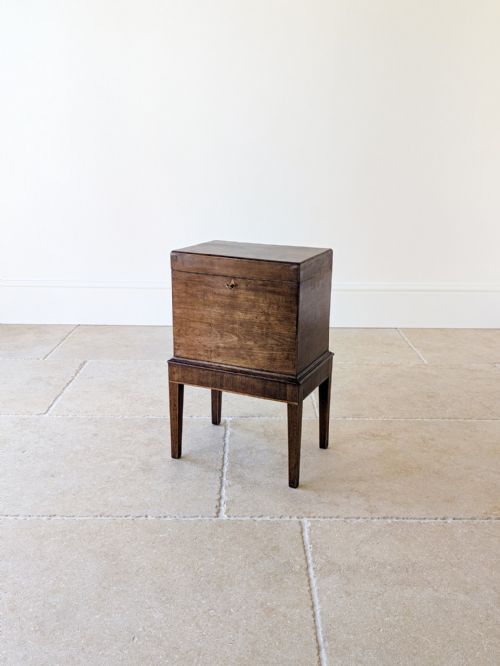
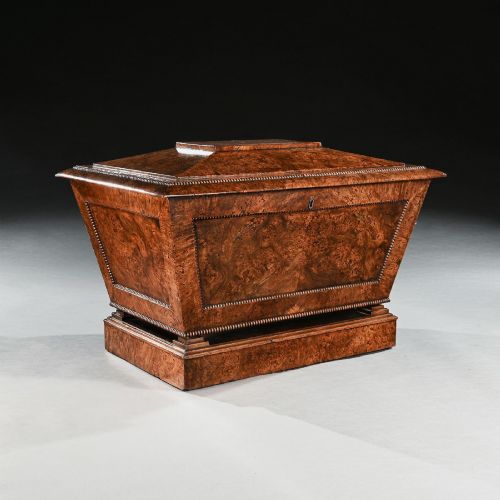
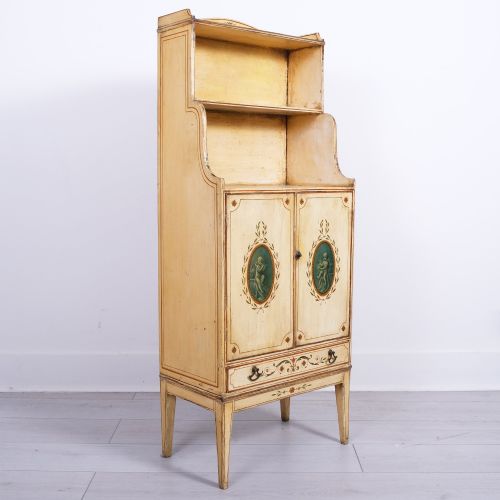
Cellarettes wait quietly inside dining rooms, once packed with ice to keep gentlemanly claret chilled for the evening.
Judging Quality and Execution
Quality rests upon the selection of timber grain and the integrity of the original hardware. Pieces retaining rich, untreated patinas and matching timber veneers stand apart from those with heavy restorations.
Refinement in carving and subtlety of inlay separate standard domestic pieces from high-style workshop productions. Proportions also dictate value, with slender tallboys and well-balanced card tables showing superior design ambition.
Druce & Co
The Late Georgian Furniture Glossary
- Tallboy
- A tall chest of drawers built in two stacked sections, often combining a lower chest with a smaller upper carcase.
- Cellarette
- A fitted container used for storing and chilling wine bottles near the dining table, frequently lined with lead or partitioned interiors.
- Card table
- A folding table designed for evening gaming, featuring a hinged top that opens to reveal a baize-lined playing surface.
- Patina
- The deep surface sheen and colour developed by aged wood through decades of handling, polishing, and exposure to light.
- Stringing
- Thin inlaid lines of contrasting timber used to outline drawer fronts, table edges, and cabinet doors.
Late Georgian Furniture: Frequently Asked Questions
What defines late georgian furniture?
Late georgian furniture covers utilitarian and formal household pieces produced around the turn of the nineteenth century. It bridges the transition from eighteenth-century classical proportions to early nineteenth-century Regency styles.
Items from this era prioritise functional domestic utility, ranging from compact card tables to tall chests of drawers. Cabinetmakers utilised dense timbers like mahogany alongside regional oaks and elms.
How are tallboys different from standard chests?
Tallboys consist of two separate chest sections stacked vertically to create a taller storage unit. This design maximises vertical wall space while offering multiple drawer tiers for linens and apparel.
Lower sections generally feature wider drawers, while upper tiers taper into narrower compartments. This vertical division also made large furniture easier to transport up narrow staircases.
Where were these pieces made?
Production occurred across both urban cabinet workshops and regional provincial joinery shops. London firms produced high-style satinwood and mahogany pieces with delicate inlay.
At the same time, West Country and Welsh workshops turned out robust oak dressers and elm chairs. Local timber availability heavily influenced the regional character of these domestic items.
How should I maintain wood patina?
Maintaining wood patina requires simple dusting with a soft cloth and occasional applications of traditional beeswax. Avoid modern silicone sprays or excessive moisture, which can damage aged finishes.
Keeping pieces away from direct heat sources and strong sunlight prevents timber warping and fading. Regular natural waxing preserves the rich lustre built up over centuries.