


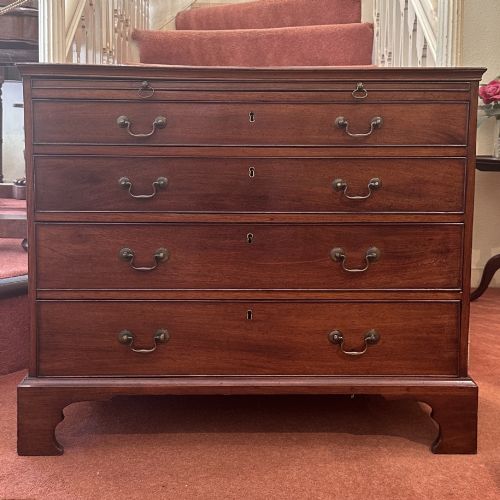
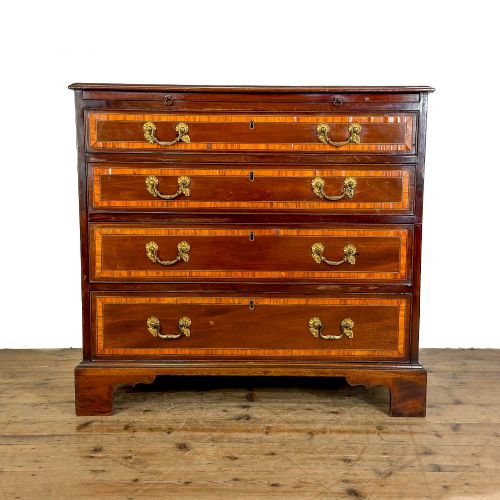

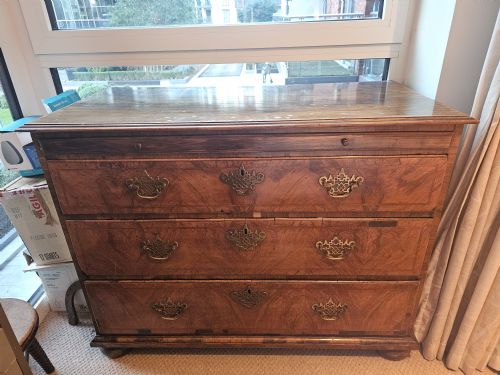
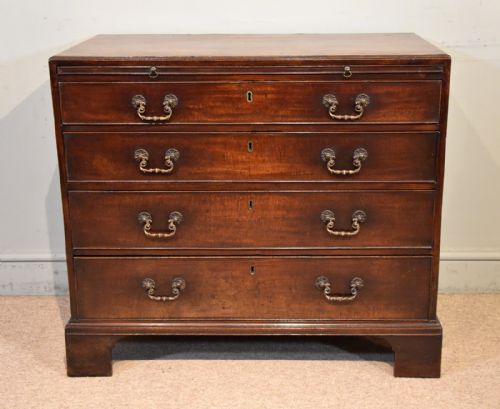

Georgian Brushing Slide
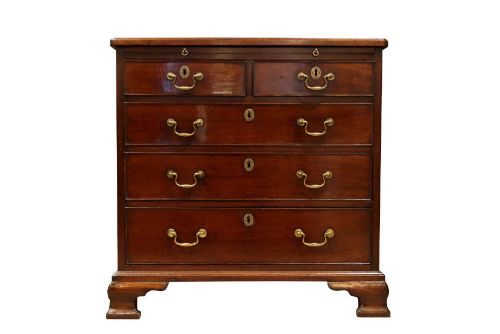
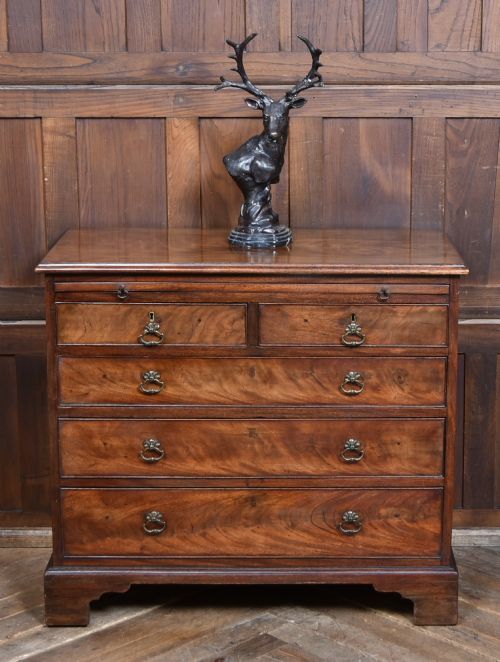
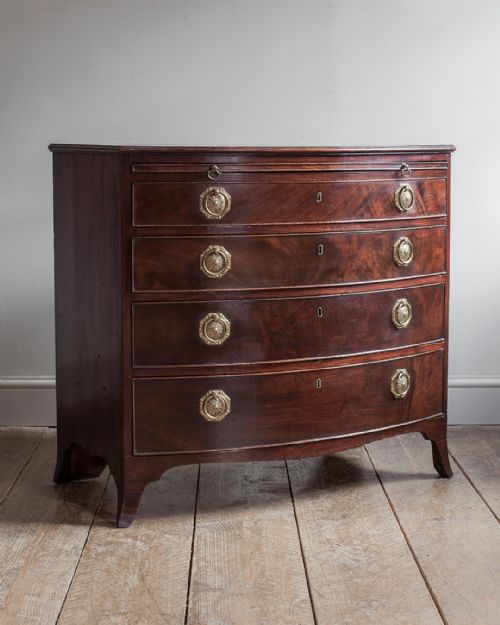
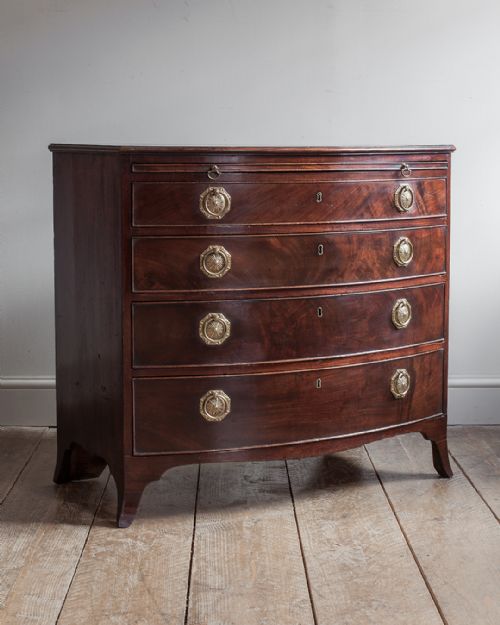
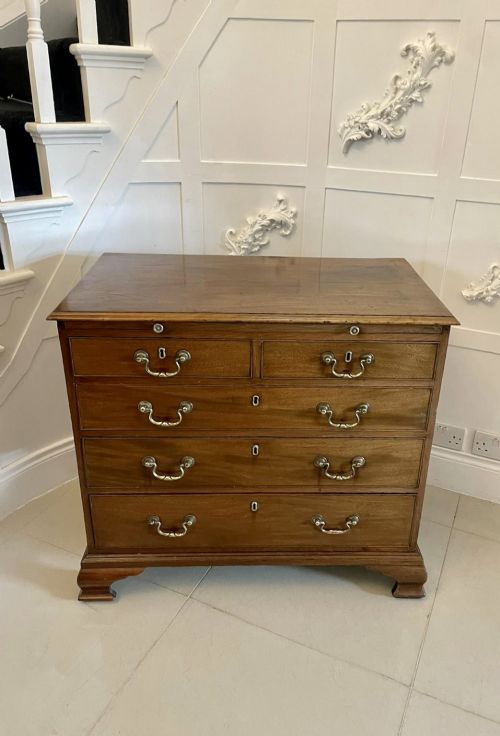
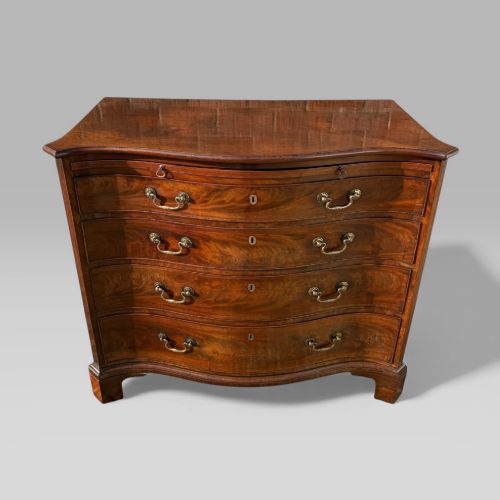
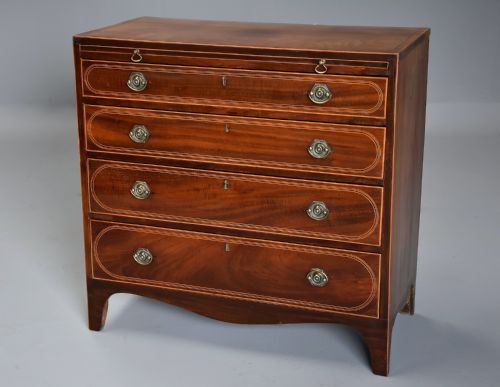
A georgian brushing slide provides a pull-out surface fitted above the main drawers of a chest, offering compact writing or dressing space.

Georgian Brushing Slide
A georgian brushing slide typically appears integrated into mahogany, walnut, or oak chests of drawers, often referred to as bachelor's chests or tallboys. These pieces date predominantly from the eighteenth and nineteenth centuries, spanning George II, George III, and later revival periods.
The primary form involves a pull-out wooden shelf positioned just beneath the top surface and above the uppermost drawers. This functional addition served for writing, sorting papers, or grooming before the widespread use of dedicated dressing tables.
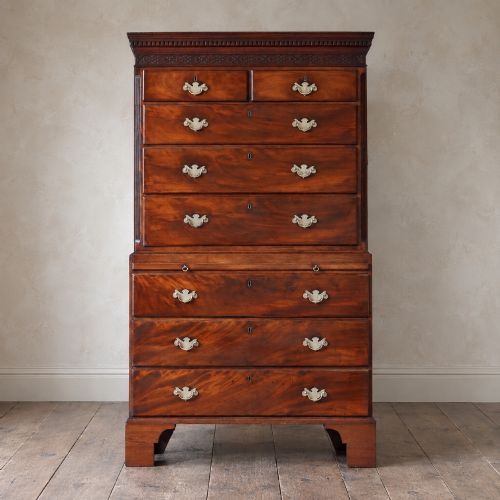
Buyers frequently encounter mahogany examples featuring figured grain or flame veneers, alongside smaller numbers of walnut, oak, and burr walnut variations. Proportions range from compact small chests to large chest on chest configurations.
Grading Quality
Distinction across pieces rests on the choice of timber and figure, such as highly figured flame mahogany or burr walnut veneers. Superior examples display careful grain matching across drawer fronts and the sliding panel itself.
Construction integrity determines the upper tiers, evident in tight dovetail joints, original brass hardware, and the smooth operation of the sliding mechanism within its frame. Untouched condition and original surface patination elevate the standing of eighteenth-century specimens.
Listings feature mahogany, walnut, oak, burr walnut, and rosewood, spanning periods from early eighteenth-century George II to twentieth-century revivals.
Druce & Co
The Georgian Brushing Slide Glossary
- Brushing slide
- A pull-out wooden shelf integrated into the upper section of a chest of drawers. It provided a temporary writing or dressing surface in period bedchambers.
- Bachelor's chest
- A small, compact chest of drawers equipped with a brushing slide. These pieces were designed for smaller rooms or single occupants.
- Chest on chest
- A tall case furniture form comprising a wider lower chest supporting a slightly narrower upper chest. They frequently incorporate a sliding panel in the waist moulding.
- Flame mahogany
- A veneer cut from the fork of a mahogany tree that creates a distinctive, flickering flame pattern. Cabinet makers reserved this timber for high-status facades.
- Dovetail
- A joint formed by interlocking wedge-shaped fingers, secured with glue. Hand-cut variations indicate period cabinet making.
Georgian Brushing Slide: Frequently Asked Questions
What is a georgian brushing slide used for?
The pull-out shelf served as a convenient writing desk or a surface for brushing clothes and grooming in eighteenth-century bedchambers. Owners could slide it away when not in use to preserve floor space.
Today, the surface functions well for display or as a compact writing ledge without altering the historic structure of the chest.
How do I identify a period piece?
Examine the construction methods inside the drawers, looking for hand-cut dovetails and secondary timbers like oak rather than modern plywood. Timber choice, patination, and eighteenth-century proportions offer further indicators of age.
Hardware placement and the fit of the sliding panel within the interior framing also help distinguish genuine period items from later revivals.
Are all brushing slides made of mahogany?
While mahogany represents the majority of surviving examples from the eighteenth century, makers also utilised walnut, oak, and burr walnut. Later nineteenth-century and revival pieces continued using these traditional hardwoods.
Inlays of satinwood occasionally appear on specific styles, adding decorative contrast to the primary timber of the chest.
How do I care for the sliding mechanism?
Keep the wooden runners clean and free of dust to ensure the panel moves smoothly without sticking. Avoid placing excessive downward weight on the extended slide, as it is designed for light duties.
Maintain stable humidity in the room to prevent the solid timber or veneers from warping within the carcass.