


Antique Sterling Salt Bowls
Antique sterling salt bowls are miniature silver vessels designed for the dining table, offering collectors a glimpse into period craftsmanship.
Antique Sterling Salt Bowls
Beyond traditional table use, smaller forms often double as trinket dishes or decorative bowls for interiors. Collectors appreciate the variety of shapes, from six-lobed cellars to boxed presentation sets.
Materials and construction
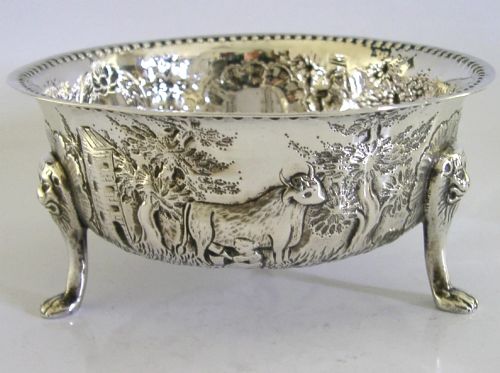
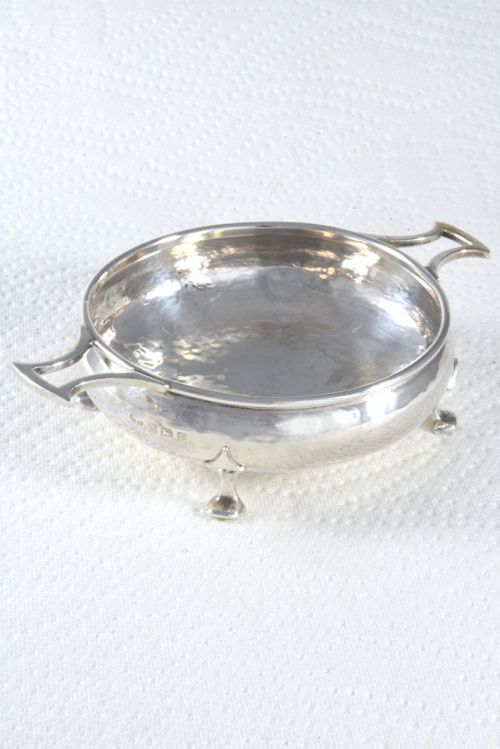
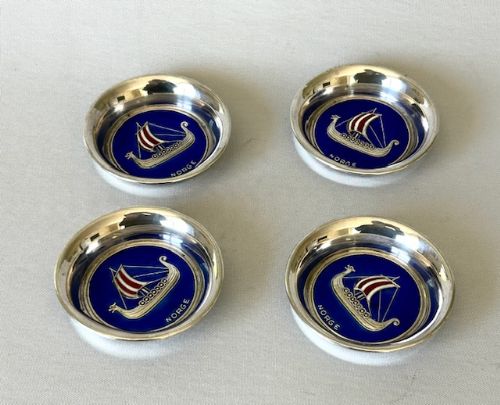
Silversmiths constructed these pieces primarily from sterling silver, shaping them through hammering, casting, and turning techniques. Many interiors feature gold gilt, vermeil, or contrasting cobalt glass liners to protect the metal from corrosive salt.
Decoration relied on period techniques including repoussé work, chasing, and crisp hallmarks stamped to indicate assay offices and dates. Makers finished these miniature vessels with polished surfaces or textured details appropriate to styles like Arts and Crafts and Art Nouveau.
Listings feature sterling silver and gilt interiors, alongside cobalt glass liners across Georgian and Victorian periods.
Assessing quality and craftsmanship
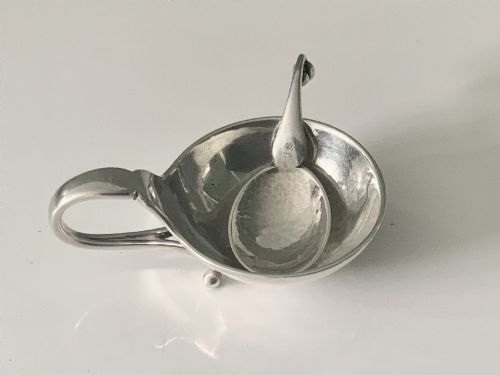
Quality rests in the crispness of the chasing, the weight of the silver, and the preservation of original gilt interiors or liners. Pieces retaining their matching spoons and fitted presentation cases command greater interest.
Subtleties in form, such as balanced pedestal proportions or intricate figural casting like double-headed swans, distinguish superior workshop production from standard utilitarian wares.
Georg Jensen·Thomas Smily·Edward Wood·Vale Brothers and Sermon
The Antique Sterling Salt Bowls Glossary
- Sterling silver
- A silver alloy containing 92.5 percent pure silver and 7.5 percent other metals, usually copper, ensuring durability for tableware.
- Vermeil
- Sterling silver coated with a thin layer of gold, providing a rich interior finish that prevents salt corrosion.
- Hallmark
- A series of official stamps applied to precious metal items, indicating the maker, assay office, and year of manufacture.
- Cauldron salt
- A small, round salt cellar shaped like a traditional cooking pot, typically standing on three short feet.
- Repoussé
- A metalworking technique where the smith hammers the design from the reverse side to create a raised relief on the front.
Antique Sterling Salt Bowls: Frequently Asked Questions
How were salt bowls used?
Dinners sat before small open cellars where guests used miniature spoons or pinches of fingers to take salt.
Wealthy households displayed ornate pedestal dishes, while matching sets accommodated multiple guests at the table.
How do I date an antique salt bowl?
English pieces rely on stamped hallmarks that include date letters, maker marks, and assay office symbols.
Stylistic shifts between Georgian simplicity and Victorian ornamentation also help assign pieces to specific periods.
Why do some salts have coloured glass?
Cobalt glass liners protected the sterling silver from the corrosive chemical properties of salt.
These removable inserts allowed cleaners to wash away salt residue without damaging the outer metalwork.